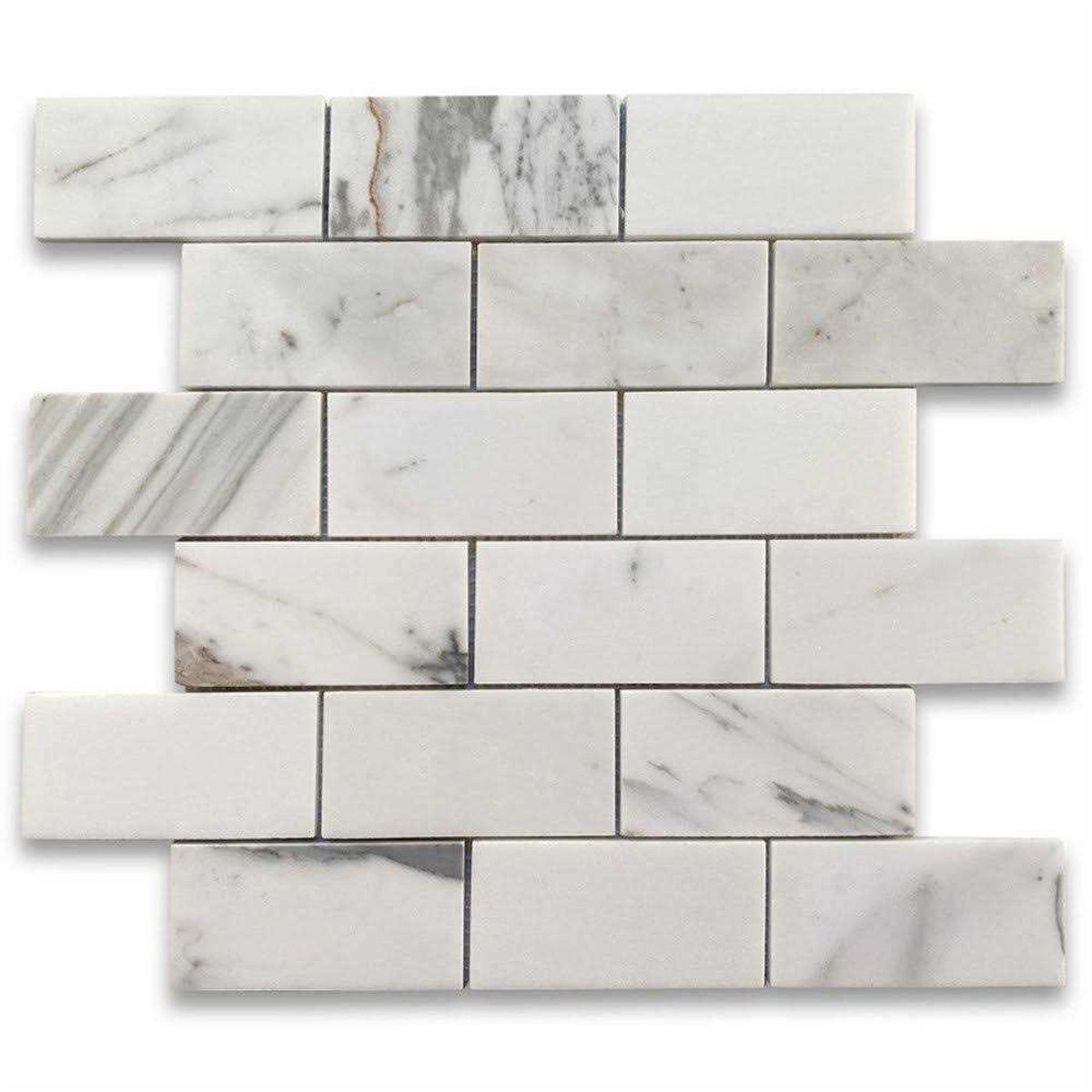
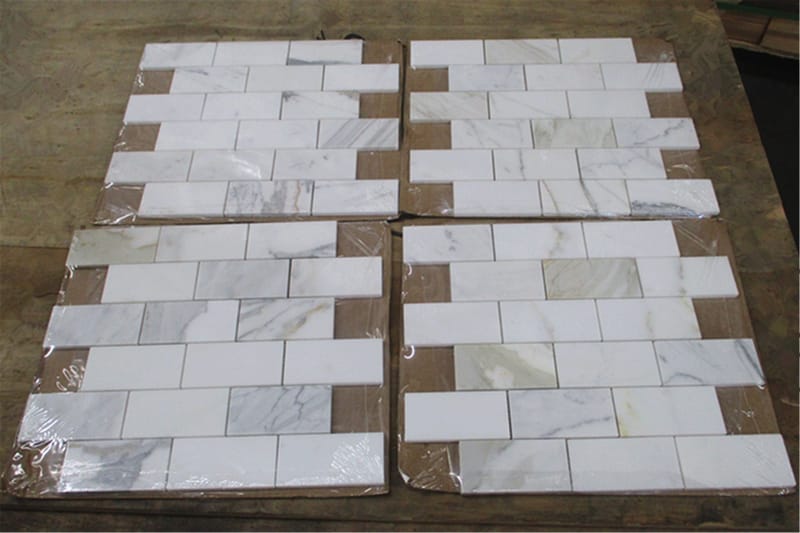
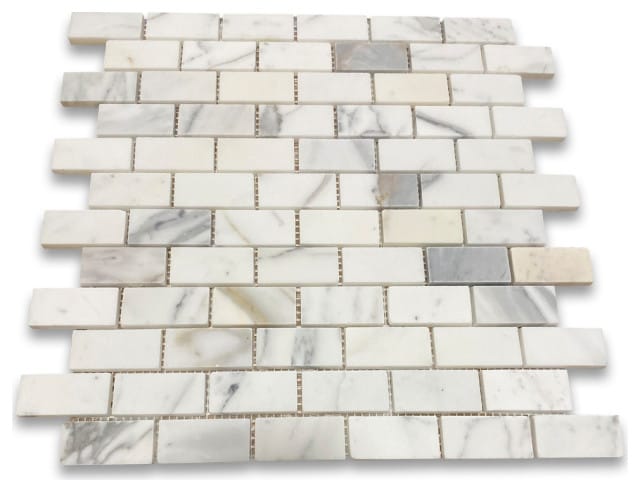
There's something undeniably captivating about Calacatta Gold marble. Its creamy white base, interwoven with striking veins of gold and sometimes subtle grey undertones, speaks of luxury and timeless elegance. It’s a material that elevates any space, transforming ordinary surfaces into statements of refined taste. But bringing this magnificent stone into your home, especially in the form of tile sheets, involves more than just admiring its beauty. It requires careful planning, precise installation, and a commitment to ongoing care to preserve its splendor for years to come. Let's dive into how you can achieve just that.
So, you've fallen in love with Calacatta Gold marble tile sheets. Who could blame you? It’s a material that exudes sophistication and adds a touch of opulence to any design. Whether you envision a breathtaking kitchen backsplash, a spa-like bathroom floor, or a grand entryway, Calacatta Gold is a choice that promises enduring appeal. However, the journey from selecting your tiles to enjoying their finished glory involves a few crucial steps. This guide is designed to walk you through the essential tips for both installing your Calacatta Gold marble tile sheets and keeping them looking pristine, ensuring your investment continues to shine.
Preparation is Paramount: Setting the Stage for Success
Before a single tile sheet touches your wall or floor, meticulous preparation is key. Think of it as the foundation for a masterpiece. First and foremost, inspect every single sheet. Look for any chips, cracks, or inconsistencies in the veining that might not align with your vision. It’s much easier to address these issues before installation begins.
Next, consider the surface you'll be applying the tiles to. Is it clean, dry, and structurally sound? Any dust, grease, or unevenness can compromise the adhesive bond and lead to a less-than-perfect finish. For walls, ensure they are properly primed and free from moisture. For floors, a level and stable subfloor is non-negotiable. If you're working with a large area, consider using a waterproofing membrane, especially in wet environments like bathrooms and kitchens. This extra step can prevent significant problems down the line.
The Art of Installation: Precision and Patience
Installing Calacatta Gold marble tile sheets requires a delicate touch and a methodical approach. Because these sheets are often larger and heavier than individual tiles, proper handling is crucial. Always use a high-quality adhesive specifically formulated for natural stone. A thin-set mortar is typically recommended, but always follow the manufacturer's guidelines for both the adhesive and the tile sheets.
When applying the adhesive, use the correct trowel size – this ensures an even spread and the right amount of coverage. Work in manageable sections, so the adhesive doesn’t start to dry before you set the tiles. When placing the sheets, press them firmly into the adhesive with a slight twisting motion to ensure full contact. For veining that flows across multiple sheets, take your time to align them properly. This might mean dry-fitting sections beforehand to visualize the pattern. Remember, a little extra time spent on alignment now will pay dividends in the finished look. And don't forget to use spacers to maintain consistent grout lines, which are vital for a professional appearance.
Grouting: The Finishing Touch That Matters
Grouting is where the individual pieces truly come together, and for Calacatta Gold, it's an opportunity to enhance its natural beauty. Choose a grout color that complements the stone. A neutral, off-white, or light grey grout often works beautifully, allowing the marble's veining to remain the focal point. Avoid overly dark or contrasting colors unless you're aiming for a very specific, bold aesthetic.
When applying the grout, use a grout float to press it firmly into the spaces between the sheets. Work diagonally across the tiles to avoid pulling grout out of the joints. Once the grout begins to set – usually after about 15-30 minutes, depending on humidity and temperature – it's time for the initial cleaning. Use a damp (not wet) sponge and rinse it frequently in clean water. Be gentle, as aggressive scrubbing can dislodge the grout. A second, lighter cleaning may be necessary after a few hours. Allowing the grout to cure fully, as per the manufacturer's instructions, is essential before exposing it to heavy use or moisture.
Sealing: Your Marble's Protective Shield
Marble is a porous stone, meaning it can absorb liquids, which can lead to staining. Sealing your Calacatta Gold marble tile sheets is a non-negotiable step for protecting their beauty. Choose a high-quality impregnating sealer designed for natural stone. These sealers penetrate the stone’s pores, creating a barrier against spills and moisture without altering the stone's natural look and feel.
Apply the sealer after the grout has fully cured. Typically, two coats are recommended. Apply the first coat evenly with a clean cloth or applicator, let it penetrate for the time specified by the manufacturer (usually about 10-15 minutes), and then wipe off any excess. Repeat for the second coat. How often should you reseal. This depends on the traffic and use of the area, but a good rule of thumb is every 6-12 months. A simple water test can help determine if it’s time: if water beads up on the surface, your sealer is still working; if it soaks in, it's time to reseal.
Everyday Care: Keeping Your Calacatta Gold Gleaming
Maintaining the luster of your Calacatta Gold marble tile sheets is all about gentle, consistent care. The golden rule here is to clean up spills immediately. Blot, don't wipe, to prevent spreading the liquid. For regular cleaning, use a pH-neutral cleaner specifically made for natural stone. Avoid acidic or abrasive cleaners – things like vinegar, lemon juice, or harsh commercial cleaners can etch the marble's surface, dulling its shine and potentially damaging the sealer.
Use a soft cloth or a mop with a microfiber head for cleaning. Rinse the cloth or mop frequently with clean water to avoid spreading dirt. For tougher spots, a paste of baking soda and water can sometimes work, but test it in an inconspicuous area first. Regular dusting or dry mopping also helps prevent scratches from grit and debris. Think of it as a spa treatment for your marble; regular, gentle attention keeps it looking its absolute best.
Dealing with Stains and Etches: When Accidents Happen
Even with the best care, accidents can occur. Stains and etches are common concerns with marble. For stains, the best approach is to create a poultice. A poultice is a paste made from an absorbent material (like kaolin clay or baking soda) and a cleaning agent (like hydrogen peroxide for organic stains or a commercial stain remover).
Mix the poultice to a peanut butter consistency, apply it to the stain, cover it with plastic wrap, and tape down the edges. Let it sit for 24-48 hours to draw the stain out. Once dry, gently scrape it off and clean the area. Etches, which are dull spots caused by acidic substances, are a bit trickier. Minor etches might be buffed out with a marble polishing powder. For deeper etches, you might need to consult a professional stone restoration specialist. Prevention, as they say, is much easier than cure, so always be mindful of what comes into contact with your beautiful marble surfaces.
Calacatta Gold marble tile sheets are a truly exquisite choice that brings unparalleled beauty and sophistication into your home. By dedicating time to proper preparation, careful installation, and consistent, gentle care, you're not just installing tiles; you're preserving a piece of natural art. Remember to seal regularly and use only pH-neutral cleaners. Treat your marble with the respect it deserves, and it will reward you with a lifetime of stunning visual appeal. Enjoy the enduring elegance that only Calacatta Gold can provide.
Related Posts
 Wall & Floor Tiles
 Understanding the Artistry Behind Classico Bardiglio Hexagon Tiles
 Wall & Floor Tiles
 Understanding the Artistry Behind Saint Germain Chaud Deco Simone Porcelain Tiles
 Wall & Floor Tiles
 Choosing the right quarry dark gray peel and stick floor tiles for your space
 Wall & Floor Tiles
 Choosing the Right Cement Tile for Your Space and Style
 Wall & Floor Tiles
 Exploring the Versatility of Llama Stella Loire's Noce Silver Porcelain Tile for Interior Spaces
 Wall & Floor Tiles