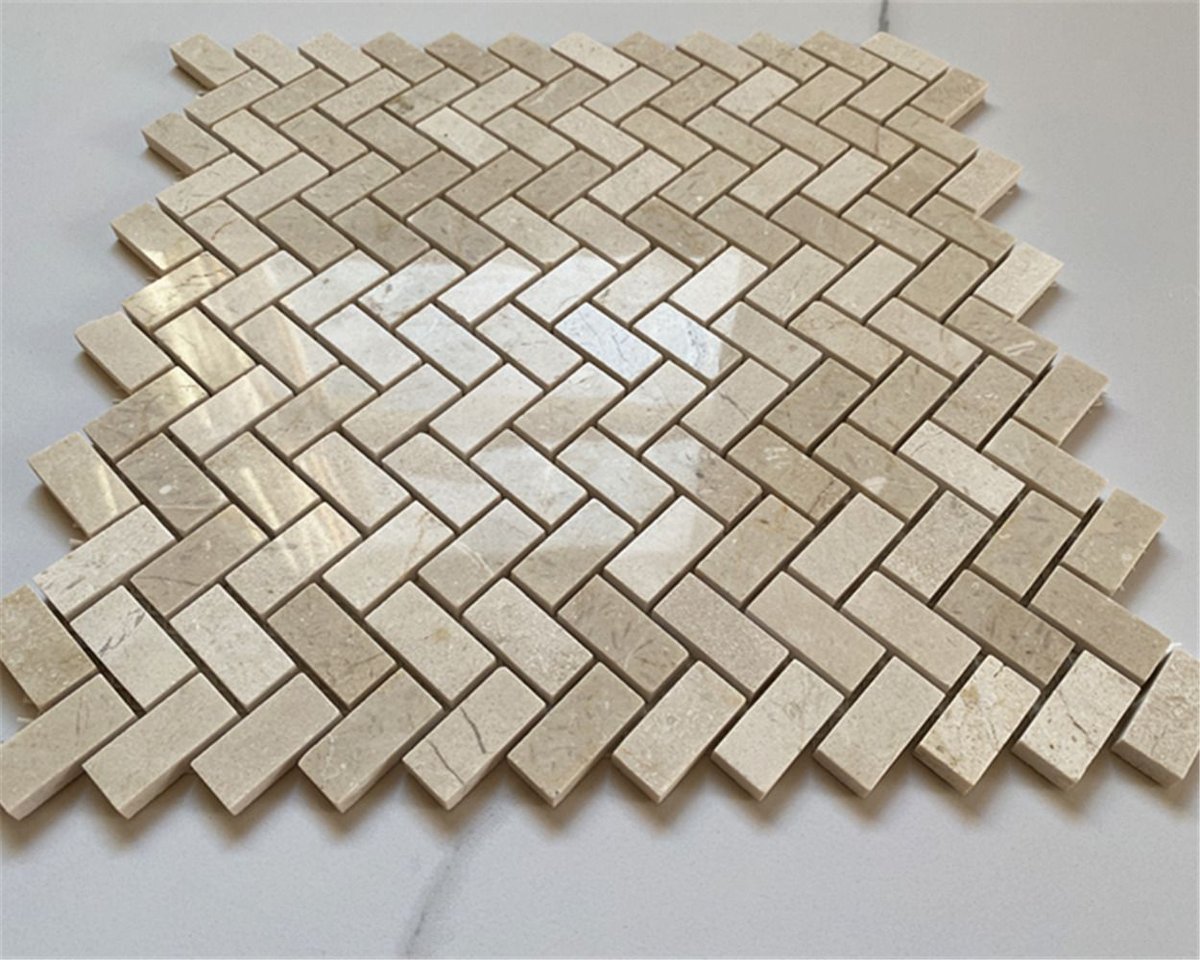
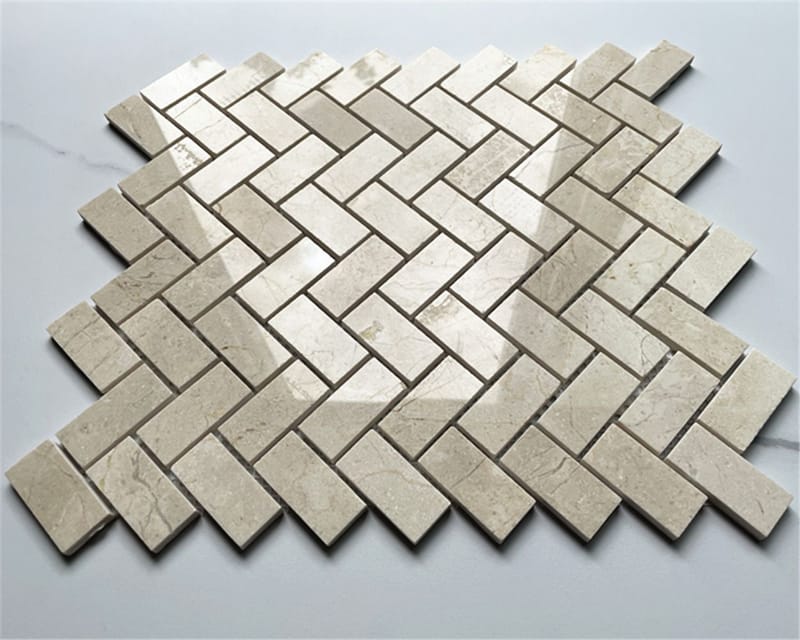
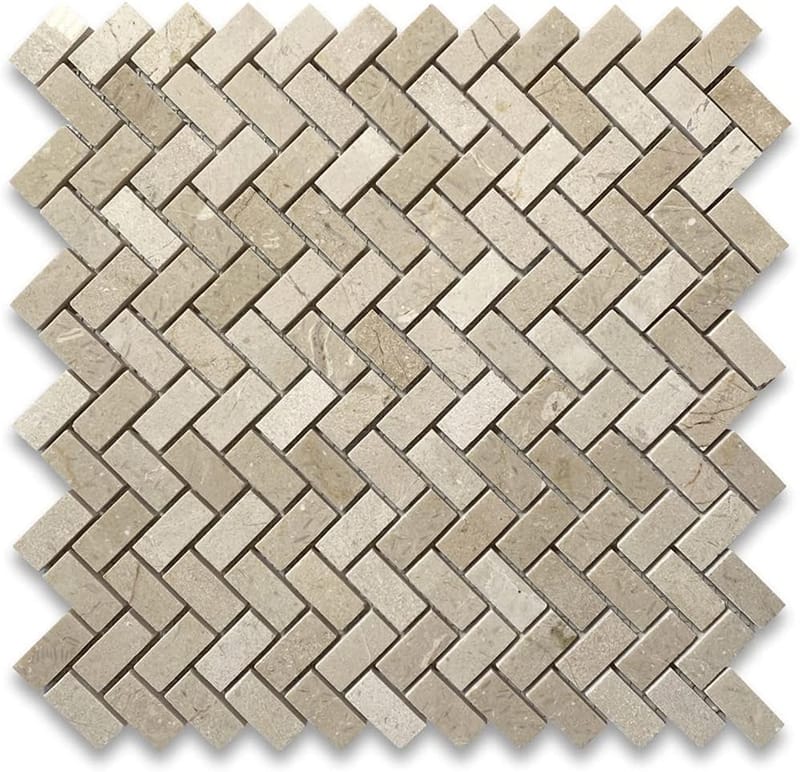
Ever walked into a room and felt an immediate sense of sophistication and history? Often, that feeling comes from thoughtful design choices, and few can rival the enduring charm of herringbone marble mosaics. This classic pattern, with its interlocking V-shapes, has graced floors and walls for centuries, lending an air of timeless elegance. It’s more than just a decorative element; it’s a statement of refined taste that can completely redefine a space. Let’s dive into why this particular mosaic pattern continues to captivate and how you can bring its magic into your own home.
There's something undeniably captivating about marble. Its natural veining, cool touch, and inherent strength have made it a favored material for millennia, from ancient sculptures to grand architectural marvels. When you combine this luxurious stone with the dynamic, eye-catching herringbone pattern, you get a mosaic that’s both visually striking and deeply classic. Think of it as a conversation starter, a piece of art that also happens to be a functional surface. Whether you're envisioning a chic kitchen backsplash, a spa-like bathroom floor, or an impressive entryway, herringbone marble mosaics offer a pathway to creating interiors that feel both current and steeped in tradition. It’s about bringing a sense of enduring quality and artistic flair into everyday living.
Why Choose Herringbone Marble Mosaics?
So, what makes this specific combination so special? It’s a blend of factors that contribute to its widespread admiration and continued popularity.
- Visual Dynamism: The herringbone pattern itself is inherently dynamic. The way the rectangular pieces are laid at 90-degree angles to each other creates a sense of movement and depth. It's not just a flat surface; it draws the eye and adds an energetic yet orderly feel to the space. Imagine a hallway that seems to lead you deeper into your home, or a backsplash that makes your kitchen feel alive.
- Timeless Elegance: Marble, by its very nature, exudes luxury and permanence. The herringbone layout, a pattern seen in everything from Roman mosaics to high-fashion runways, speaks of classic design principles. It’s a choice that transcends fleeting trends, ensuring your space will feel sophisticated for years to come. It’s an investment in enduring style.
- Versatility in Application: Don't think this is just for floors. Herringbone marble mosaics are incredibly versatile. They make for stunning focal points as:
- Backsplashes: A kitchen backsplash in this pattern can elevate your cooking space from functional to fabulous.
- Shower Walls: Imagine stepping into a shower that feels like a private oasis, surrounded by the intricate beauty of marble.
- Accent Walls: A feature wall in a living room or bedroom can become a dramatic and memorable design element.
- Fireplace Surrounds: Adding warmth and texture around your fireplace.
- Material Variety: While we’re focusing on marble, the herringbone pattern can be found in various marble types – from the classic white Carrara with its subtle grey veins to the dramatic black Nero Marquina or the warm tones of Crema Marfil. This allows you to tailor the look to your specific color palette and desired mood.
Understanding the Herringbone Pattern
The beauty of the herringbone pattern lies in its simplicity and its impact. It’s formed by laying rectangular tiles or pieces at a 45-degree angle to the adjacent pieces, creating a distinctive V-shape. This layout is often seen in flooring, brickwork, and, of course, mosaics. When applied with marble, each piece, with its unique veining, contributes to a complex and captivating overall design. It’s a pattern that can make a small space feel larger due to the directional lines, or anchor a grand room with its strong visual presence. Think of it as a carefully orchestrated dance of stone, where each element plays its part to create a harmonious whole.
Installation Considerations
Installing herringbone marble mosaics requires a bit more attention to detail than a simple straight lay pattern, but the results are well worth the effort. It's often helpful to lay out the pattern dry first to ensure everything is aligned correctly.
- Substrate Preparation: Like any tile installation, a clean, level, and stable substrate is crucial. For floors, this usually means cement board or a properly prepared concrete slab. For walls, drywall or backer board is standard.
- Adhesive: Use a high-quality tile adhesive suitable for natural stone and the specific type of marble you’re using. A white thin-set mortar is often recommended to prevent any discoloration of the light-colored marble.
- Cutting and Layout: The pattern requires precise cuts, especially at edges and corners. Having the right tools, like a wet saw with a diamond blade, is essential for clean, accurate cuts. Planning your layout from the center or a prominent edge can help maintain symmetry and minimize awkward cuts at the boundaries.
- Grouting: Choose a grout color that complements your marble. A darker grout can make the pattern pop and highlight the individual pieces, while a color that closely matches the marble can create a more seamless, subtle look. Be sure to use a grout specifically designed for natural stone and follow the recommended curing times before sealing.
- Sealing: Marble is porous and susceptible to staining and etching. It's vital to seal the marble tiles before grouting and then again after grouting and cleaning. Regular re-sealing, typically every 6-12 months depending on traffic and exposure, is necessary to protect your investment.
Due to the intricate nature of the pattern and the delicate properties of marble, many homeowners opt to hire a professional tiler experienced with mosaics and natural stone. This ensures a flawless finish and longevity for your beautiful new surface.
Maintaining the Lustre of Your Marble
Marble is a natural material, and while it’s durable, it does require specific care to maintain its beauty. Treating it with respect will ensure it remains a stunning feature in your home for decades.
- Regular Cleaning: Use a pH-neutral cleaner specifically designed for natural stone. Avoid abrasive cleaners, harsh chemicals, vinegar, or lemon juice, as these can etch the surface of the marble.
- Wipe Up Spills Immediately: Especially acidic substances like wine, citrus juice, or tomato sauce. Promptly blotting (not wiping) spills prevents them from penetrating the stone and causing stains or etching.
- Use Coasters and Trivets: Protect your marble surfaces from potential damage from glasses and hot dishes. This is especially important for countertops and dining tables.
- Avoid Heavy Foot Traffic on Unsealed Floors: Ensure floors are adequately sealed and consider using area rugs in high-traffic zones to minimize wear and tear.
- Re-seal Periodically: As mentioned earlier, re-sealing is key to maintaining protection against stains and moisture. A simple water test can help determine if it’s time to re-seal – if water beads up on the surface, it’s still protected. If it soaks in, it’s time for another coat.
Design Inspiration and Ideas
The beauty of herringbone marble mosaics lies in their adaptability to various design styles. Let’s explore a few ideas:
- Modern Farmhouse Kitchen: A Carrara marble herringbone backsplash adds a touch of classic elegance to a kitchen with Shaker cabinets and butcher block countertops. It bridges the gap between rustic charm and refined luxury.
- Art Deco Bathroom: Imagine a shower enclosure clad in black Nero Marquina marble in a herringbone pattern, accented with polished brass fixtures. This creates a dramatic and sophisticated spa-like retreat.
- Transitional Entryway: A polished marble floor laid in a herringbone pattern can make a grand statement in an entryway, setting an elegant tone for the entire home. Consider a mix of white and grey marble for added visual interest.
- Chic Living Room Accent: A fireplace surround in a subtle travertine herringbone pattern can add warmth and texture to a contemporary living space, providing a focal point that’s both stylish and inviting.
- Glamorous Powder Room: A small powder room can be transformed with a mirrored vanity and a striking herringbone marble mosaic accent wall behind it. It’s an unexpected touch that guests will surely notice.
Where to Use Herringbone Marble Mosaics
The possibilities are truly extensive. Think beyond the obvious and consider how this elegant pattern can enhance different areas of your home:
- Kitchens: Backsplashes are a prime spot, but consider them for island bases or even as a durable, decorative flooring in less demanding areas.
- Bathrooms: Shower floors and walls are popular for good reason – the pattern adds texture and visual appeal. They also work wonderfully as vanity backsplashes.
- Entryways and Hallways: These high-traffic areas can benefit from the durability and visual appeal of marble, with the herringbone adding a welcoming and impressive touch.
- Living Areas: As accent walls, fireplace surrounds, or even as a decorative border in a larger tiled area.
- Commercial Spaces: Think boutique hotels, high-end restaurants, or stylish office lobbies where a touch of classic luxury is desired.
Herringbone marble mosaics are more than just a trend; they are a testament to enduring design and the inherent beauty of natural stone. They offer a unique blend of visual dynamism and classic sophistication that can elevate any interior space. Whether you’re undertaking a full renovation or looking for that perfect finishing touch, considering this timeless pattern is a decision you’re unlikely to regret. It’s an opportunity to infuse your home with a sense of history, artistry, and undeniable elegance that will be admired for years to come. So, why not let the classic charm of herringbone marble mosaics transform your living space into a masterpiece?
Related Posts
 Wall & Floor Tiles
 Understanding the Artistry Behind Classico Bardiglio Hexagon Tiles
 Wall & Floor Tiles
 Understanding the Artistry Behind Saint Germain Chaud Deco Simone Porcelain Tiles
 Wall & Floor Tiles
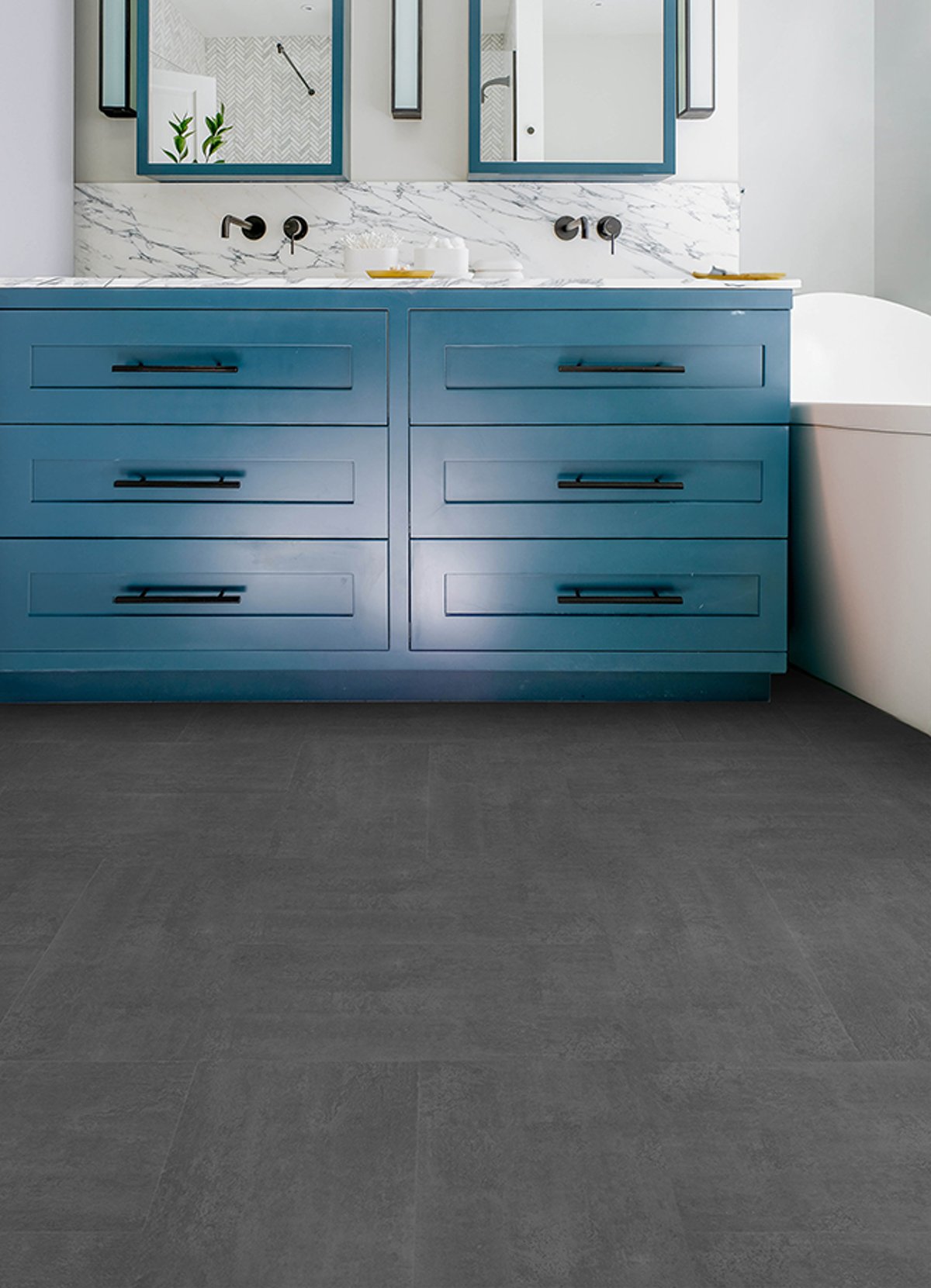
 Choosing the right quarry dark gray peel and stick floor tiles for your space
 Wall & Floor Tiles
 Choosing the Right Cement Tile for Your Space and Style
 Wall & Floor Tiles
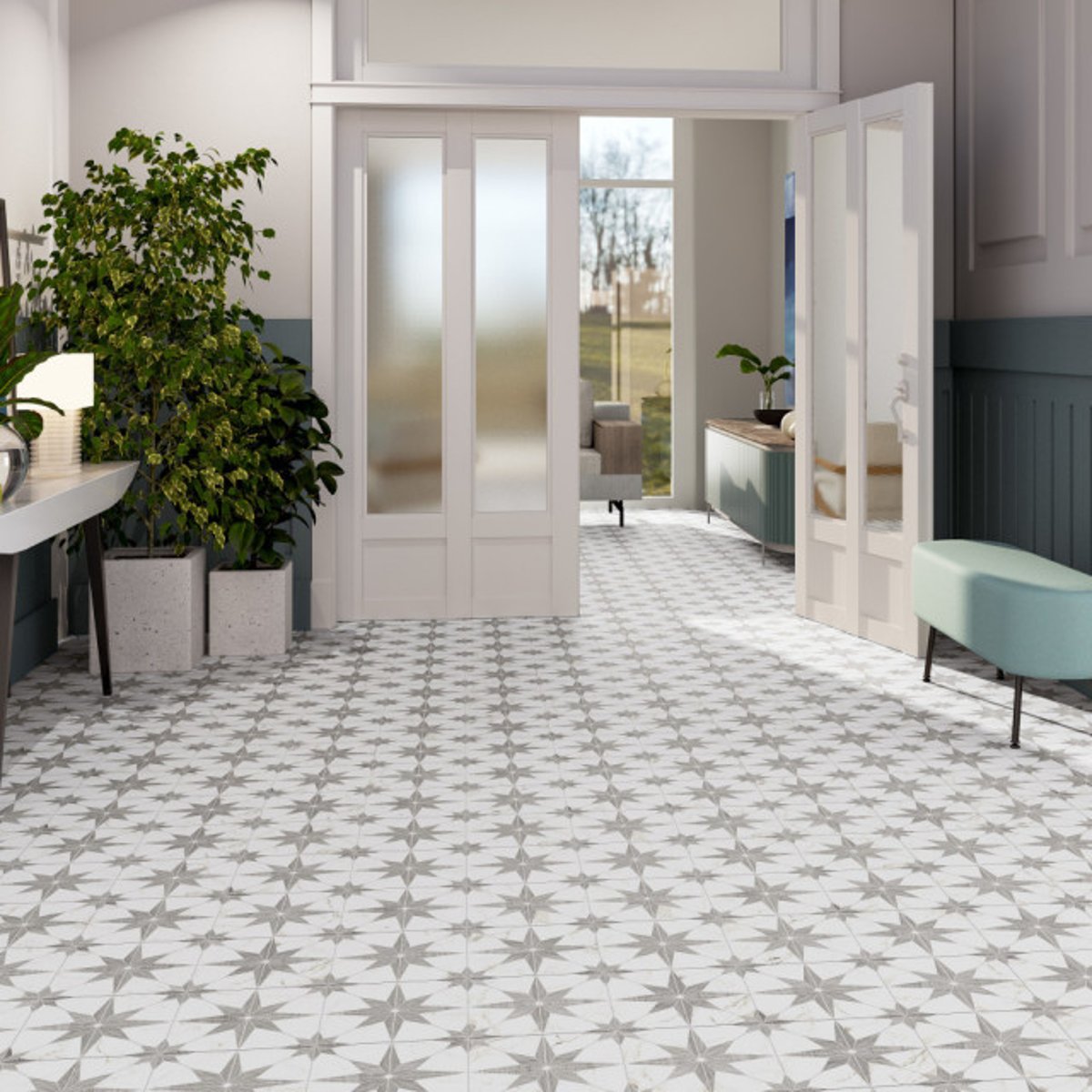
 Exploring the Versatility of Llama Stella Loire's Noce Silver Porcelain Tile for Interior Spaces
 Wall & Floor Tiles