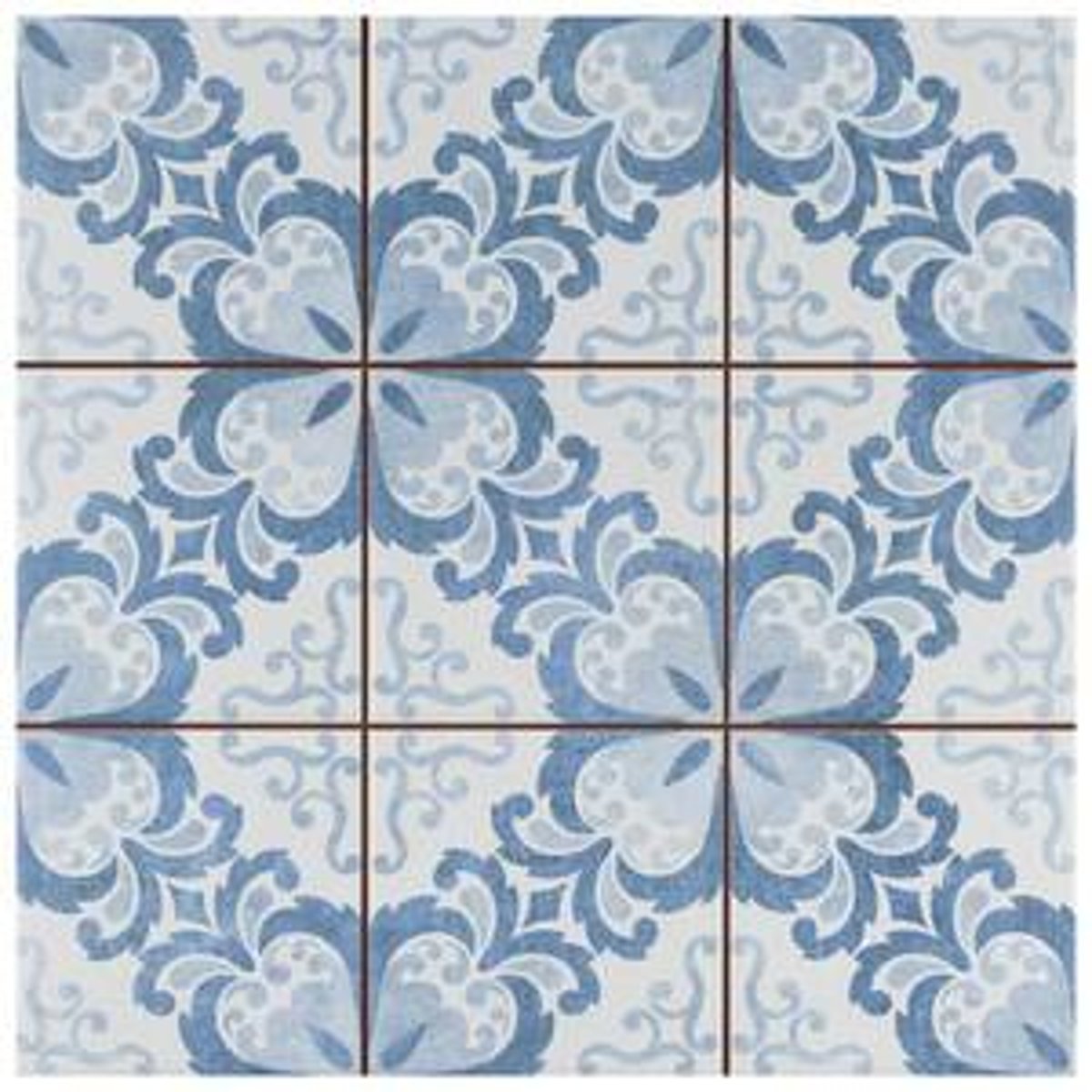
When it comes to updating your home, few materials offer the enduring charm and practical advantages of ceramic tile. But with so many options out there, how do you ensure you're getting the real deal? This guide is your key to understanding true ceramic tile, helping you navigate the choices and make selections that will stand the test of time and style. Let's dive in and uncover what makes ceramic tile a fantastic choice for nearly any space in your house.
Walk into any beautifully designed home, and chances are you'll encounter the elegance and durability of ceramic tile. It's a material that’s been a cornerstone of construction and decoration for centuries, and for good reason. But what exactly defines 'true' ceramic tile, and why should you care? It's not just about the look; it's about the substance, the craftsmanship, and the long-term value it brings to your living spaces. Whether you're envisioning a serene bathroom retreat, a vibrant kitchen backsplash, or a durable entryway floor, understanding ceramic tile is your first step to achieving those dreams. We’ll break down the essentials, from what it’s made of to how to pick the perfect fit for your project, ensuring you feel confident and informed every step of the way.
What Exactly Is Ceramic Tile?
At its core, ceramic tile is crafted from natural clay and other minerals. These elements are shaped, then fired at very high temperatures in a kiln. This intense heat transforms the raw materials into a hard, durable, and often beautiful material. Think of it like pottery, but engineered for the demanding environment of your home.
There are two main types to be aware of:
- Glazed Ceramic Tile: This is the most common type. It has a protective, decorative coating of glaze applied before firing. This glaze can be virtually any color or pattern imaginable, and it provides a water-resistant and stain-resistant surface. It’s fantastic for areas prone to moisture, like bathrooms and kitchens.
- Unglazed Ceramic Tile: This type is fired without a glaze. It often has a more natural, earthy look and is porous, meaning it can absorb moisture. Because of this, unglazed tiles are usually sealed after installation, especially if used in areas where they’ll encounter water or spills. Terracotta is a classic example of unglazed ceramic tile.
The Enduring Appeal: Why Choose Ceramic?
Ceramic tile isn't just popular; it’s a smart investment for your home. Let's look at the compelling reasons why it continues to be a go-to material for homeowners and designers alike:
- Durability: Ceramic is exceptionally tough. It resists scratches, chips, and wear, making it ideal for high-traffic areas like kitchens, hallways, and entryways. Properly installed and maintained ceramic tile can last for decades, sometimes even longer. Imagine not having to worry about wear and tear for years to come.
- Water and Stain Resistance: Especially with glazed varieties, ceramic tile is a champion against spills and moisture. This makes it a practical choice for bathrooms, laundry rooms, and around swimming pools. Cleaning up messes becomes a breeze.
- Hygiene: The non-porous surface of glazed ceramic tile means it doesn't harbor bacteria or allergens. It’s easy to clean and keep sanitary, which is a huge plus for families and anyone concerned about indoor air quality.
- Design Versatility: Oh, the possibilities! Ceramic tiles come in an endless array of colors, sizes, shapes, textures, and patterns. You can mimic the look of natural stone, wood, or even metal, all while enjoying the benefits of ceramic. Whether you’re aiming for a modern minimalist look or a rustic farmhouse feel, there’s a ceramic tile to match.
- Low Maintenance: For the most part, keeping ceramic tile looking its best is simple. Regular sweeping or vacuuming and occasional mopping are usually all that’s needed. No need for harsh chemicals or special treatments for most glazed tiles.
Navigating the Options: Types and Classifications
When you start shopping, you'll notice different terms and classifications. Understanding these will help you make the best choice for your specific needs. Beyond glazed and unglazed, consider these factors:
- Through-body Porcelain: While technically a type of ceramic, porcelain tile is fired at even higher temperatures and is denser and less porous than standard ceramic. Through-body porcelain means the color and pattern go all the way through the tile. If a chip occurs, it's less noticeable. It's incredibly durable and often recommended for floors.
- PEI Rating: This is a rating system (from 1 to 5) that indicates a tile's resistance to abrasion and wear.
- PEI I: For walls only.
- PEI II: For walls and light residential floor traffic (like bathrooms).
- PEI III: For all residential floor traffic, including kitchens and entryways.
- PEI IV: For moderate commercial traffic.
- PEI V: For heavy commercial traffic.Always check the PEI rating for floor tiles to ensure it matches your intended use.
- Slip Resistance: For floors, especially in wet areas, slip resistance is crucial. Look for tiles with a textured surface or specific slip-resistant ratings. This is often measured using the Coefficient of Friction (COF) scale.
Installation: The Key to Longevity
Even the most beautiful and durable tile won't perform well if it's not installed correctly. While many homeowners tackle DIY projects, tile installation can be tricky and requires precision.
Here are some key aspects to consider:
- Subfloor Preparation: The surface beneath the tile must be clean, level, and stable. A weak or uneven subfloor can lead to cracked tiles and grout issues down the line. Often, a cement backer board is used for added stability, especially in wet areas.
- Adhesive and Grout: Using the right tile adhesive (thin-set mortar) and grout is essential. They need to be appropriate for the type of tile and the environment. High-quality products and proper application ensure a strong bond and prevent issues like water seeping underneath.
- Layout and Spacing: Planning the layout before you start is vital to ensure a balanced look and minimize awkward cuts. Consistent grout lines are also important for both aesthetics and structural integrity.
- Sealing: As mentioned, unglazed tiles and some types of grout need to be sealed to protect them from stains and moisture. Even glazed tiles can benefit from grout sealing.
If you're not experienced with tile setting, hiring a professional installer is often a wise investment. They have the tools, knowledge, and experience to ensure a flawless finish that will last.
Caring for Your Ceramic Tile
The beauty of ceramic tile is its ease of care. Keeping it looking fresh and new requires minimal effort. Here’s how to do it right:
- Daily/Weekly Cleaning: For everyday messes, a broom or vacuum cleaner is usually sufficient. For a deeper clean, use a damp mop with plain water or a pH-neutral tile cleaner. Avoid abrasive cleaners or scouring pads, as they can dull the glaze over time.
- Dealing with Spills: Wipe up spills promptly, especially on unglazed tiles or if you have porous grout. This prevents staining.
- Grout Maintenance: Grout lines can sometimes attract dirt. For stubborn stains, you might need a specialized grout cleaner or a soft-bristled brush. Sealing your grout periodically (typically every 1-2 years, depending on traffic and sealant type) will make cleaning much easier and prevent stains.
- Avoid Harsh Chemicals: Steer clear of ammonia-based cleaners, bleach, or acidic products, as they can damage the glaze or grout. Always test any new cleaning product in an inconspicuous area first.
- Protecting High-Traffic Areas: In very high-traffic zones, consider using area rugs with non-slip pads. This can help protect the tile and grout from excessive wear and tear, extending their lifespan and maintaining their appearance.
Beyond the Basics: Creative Applications and Considerations
Ceramic tile isn't just for floors and backsplashes. Its versatility opens up a world of creative possibilities for your home. Think outside the box!
- Shower Walls: Glazed ceramic is perfect for creating a beautiful and water-resistant shower enclosure. The options for patterns and colors are practically limitless.
- Fireplace Surrounds: A tiled fireplace surround can add a stunning focal point to a living room, offering both beauty and heat resistance.
- Outdoor Spaces: Certain types of ceramic tile, particularly frost-resistant porcelain, can be used for patios, balconies, and outdoor kitchens. Ensure the tile is rated for exterior use to prevent damage from temperature fluctuations.
- Accent Walls: A feature wall in a bedroom, living room, or dining area can be transformed with textured or patterned ceramic tiles for a unique design statement.
When considering these applications, always double-check the tile's specifications for suitability. Factors like slip resistance, frost resistance, and durability are crucial for ensuring the tile performs as expected and remains safe and beautiful for years to come.
Understanding true ceramic tile empowers you to make choices that enhance your home's beauty, functionality, and value. From its humble clay origins to its incredible versatility, ceramic tile offers a remarkable blend of style and substance. By considering the types, ratings, and proper installation, you're well on your way to selecting tiles that you'll love for years. Don't be afraid to explore the vast array of designs and be inspired. With a little knowledge and careful planning, your ceramic tile projects are sure to be a resounding success, bringing lasting enjoyment and a touch of elegance to your living space. Happy tiling!
Related Posts
 Wall & Floor Tiles
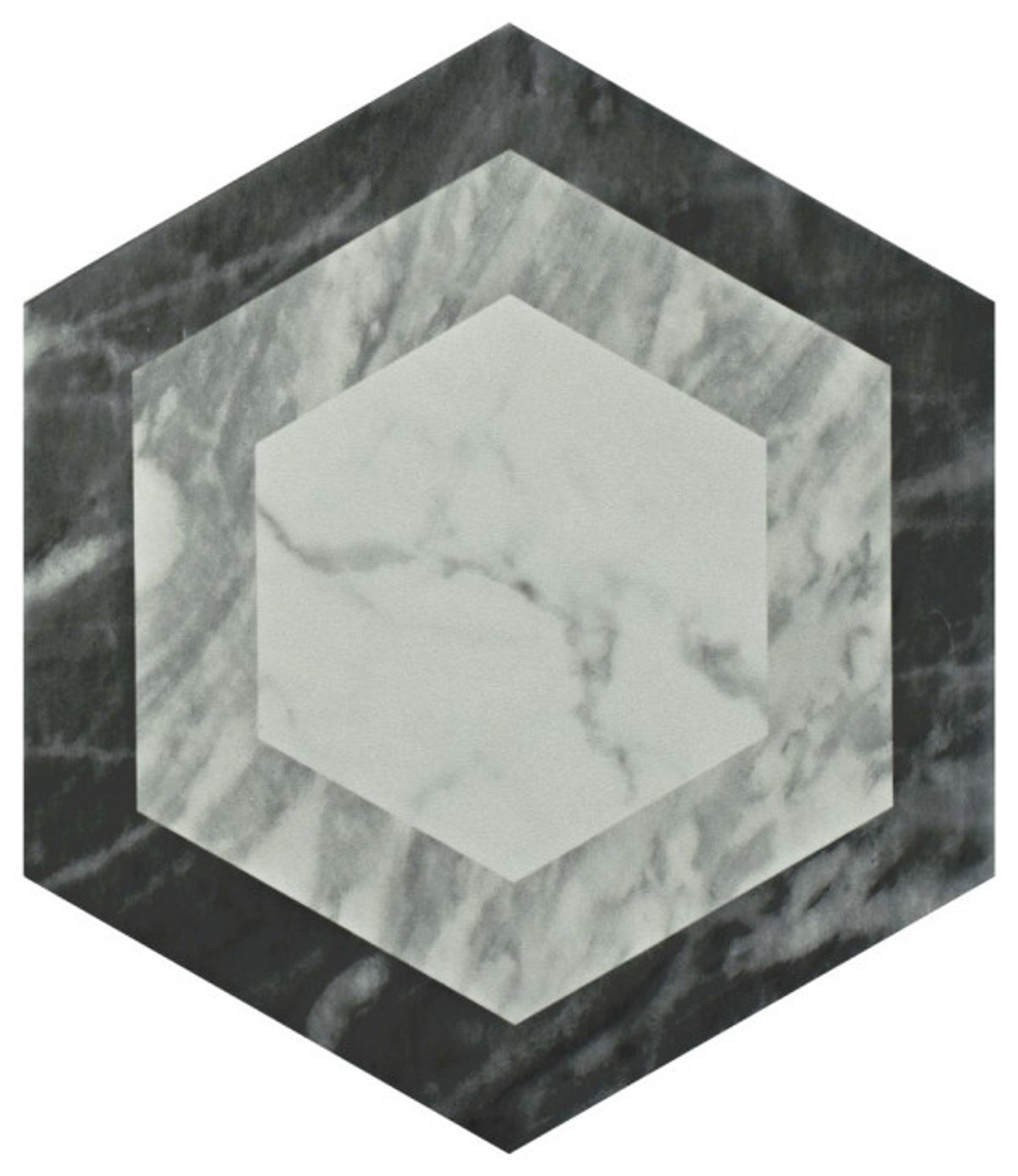
 Understanding the Artistry Behind Classico Bardiglio Hexagon Tiles
 Wall & Floor Tiles
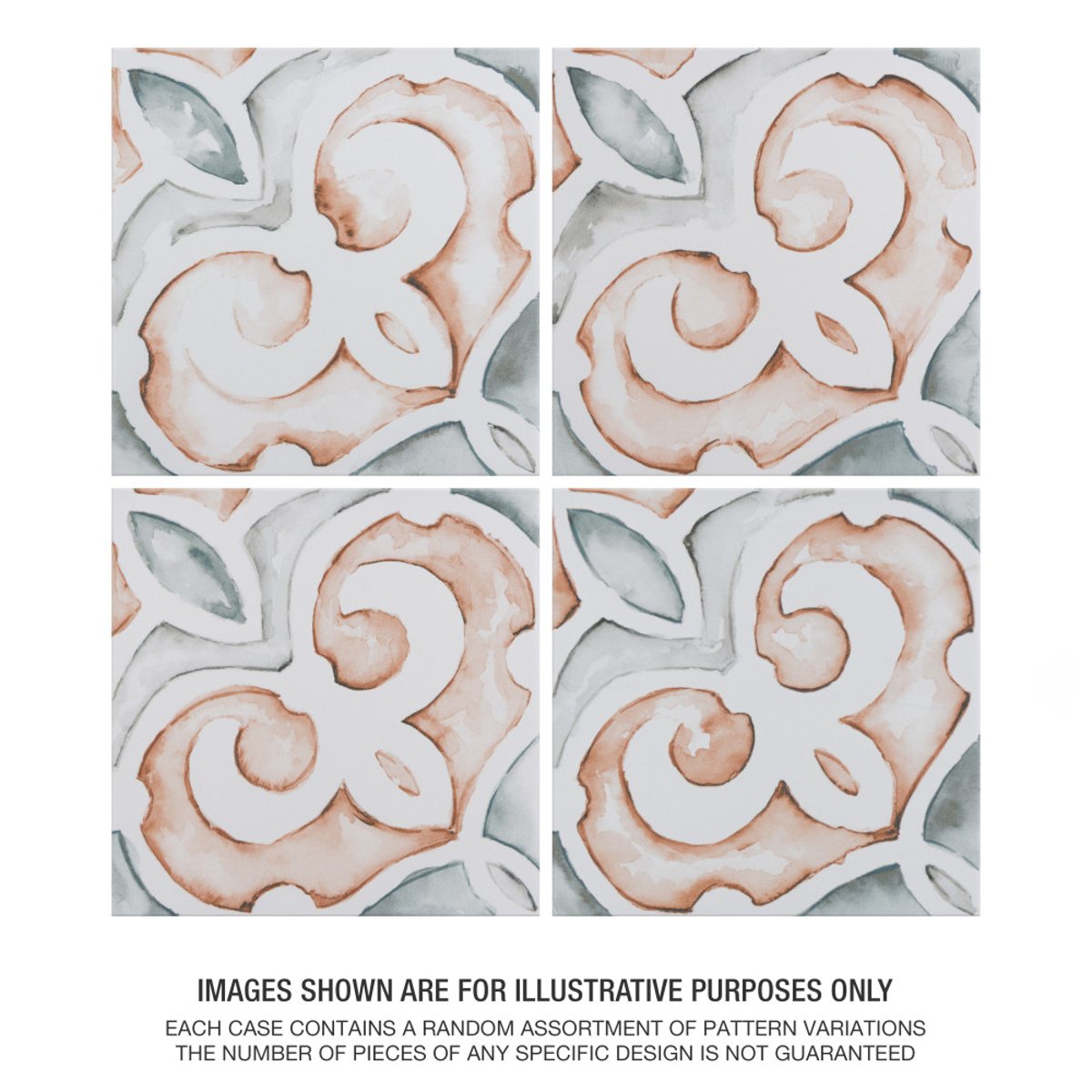
 Understanding the Artistry Behind Saint Germain Chaud Deco Simone Porcelain Tiles
 Wall & Floor Tiles
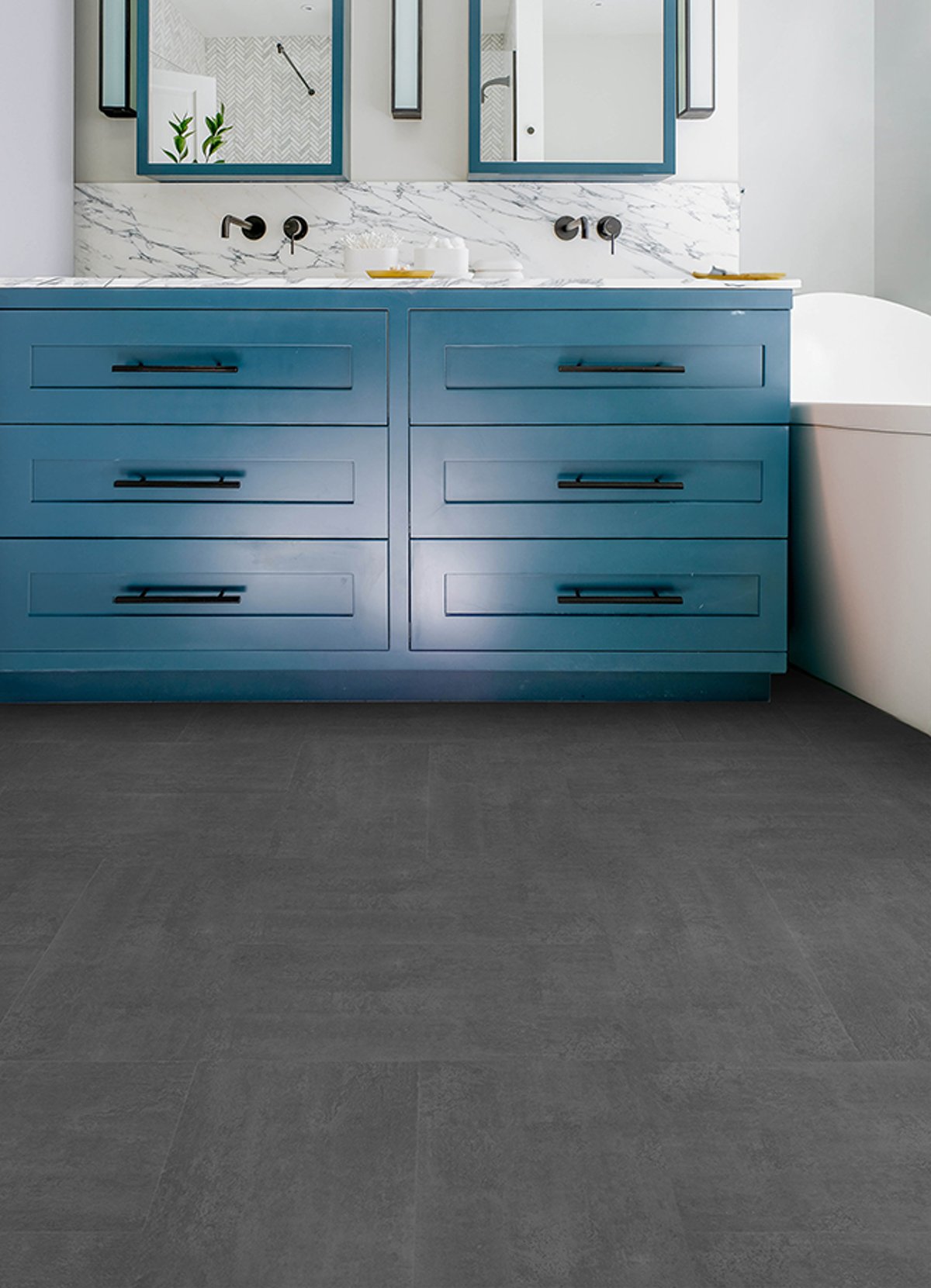
 Choosing the right quarry dark gray peel and stick floor tiles for your space
 Wall & Floor Tiles
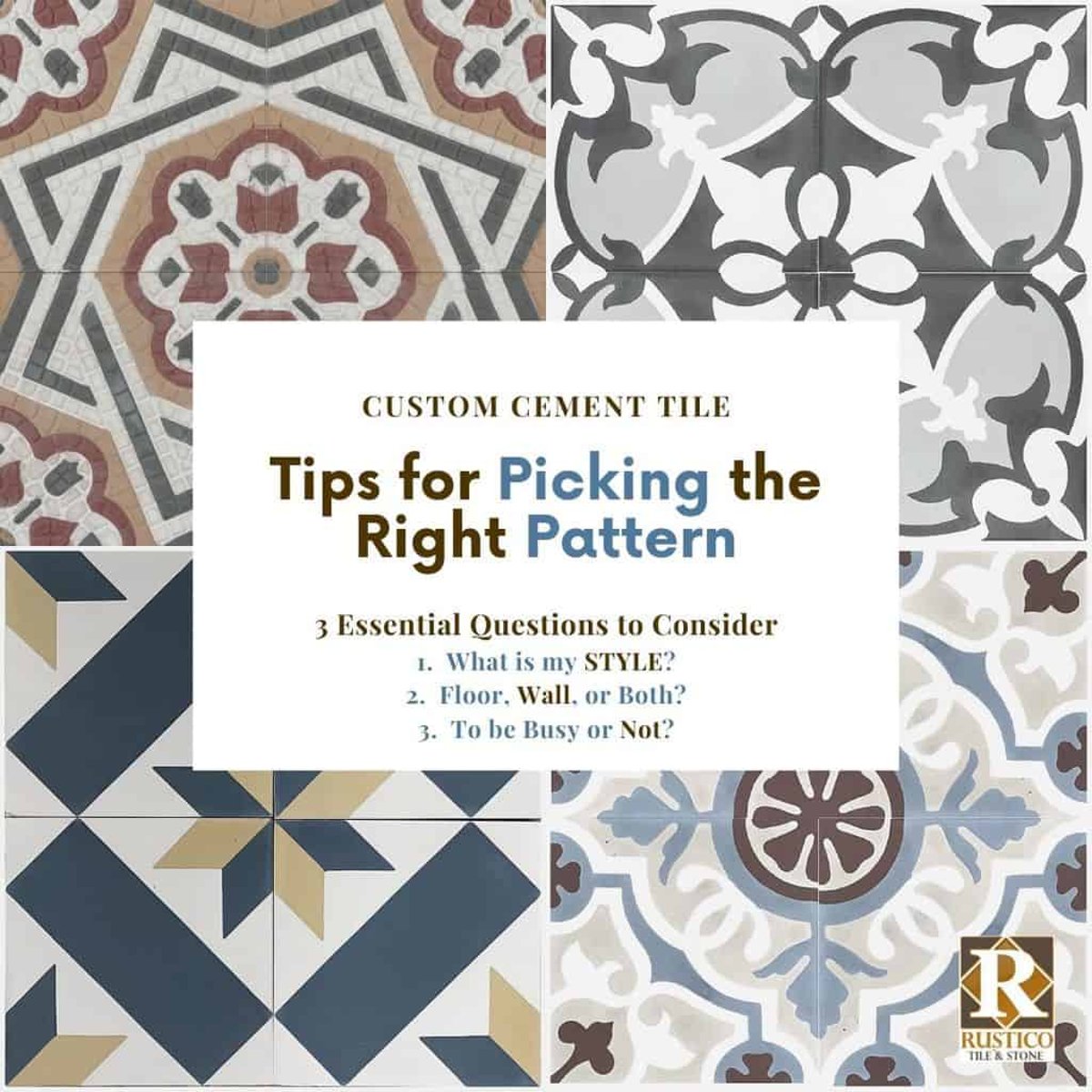
 Choosing the Right Cement Tile for Your Space and Style
 Wall & Floor Tiles
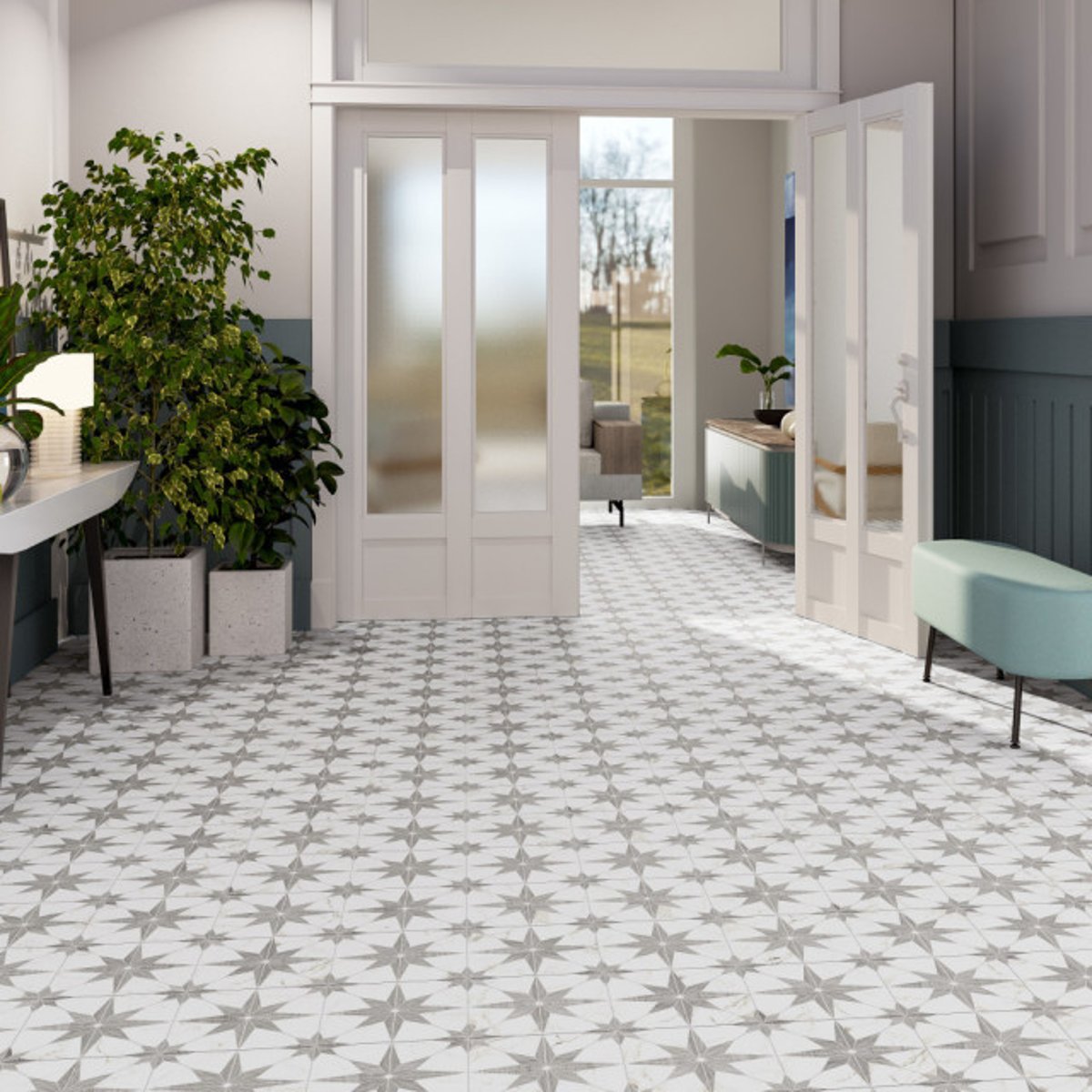
 Exploring the Versatility of Llama Stella Loire's Noce Silver Porcelain Tile for Interior Spaces
 Wall & Floor Tiles