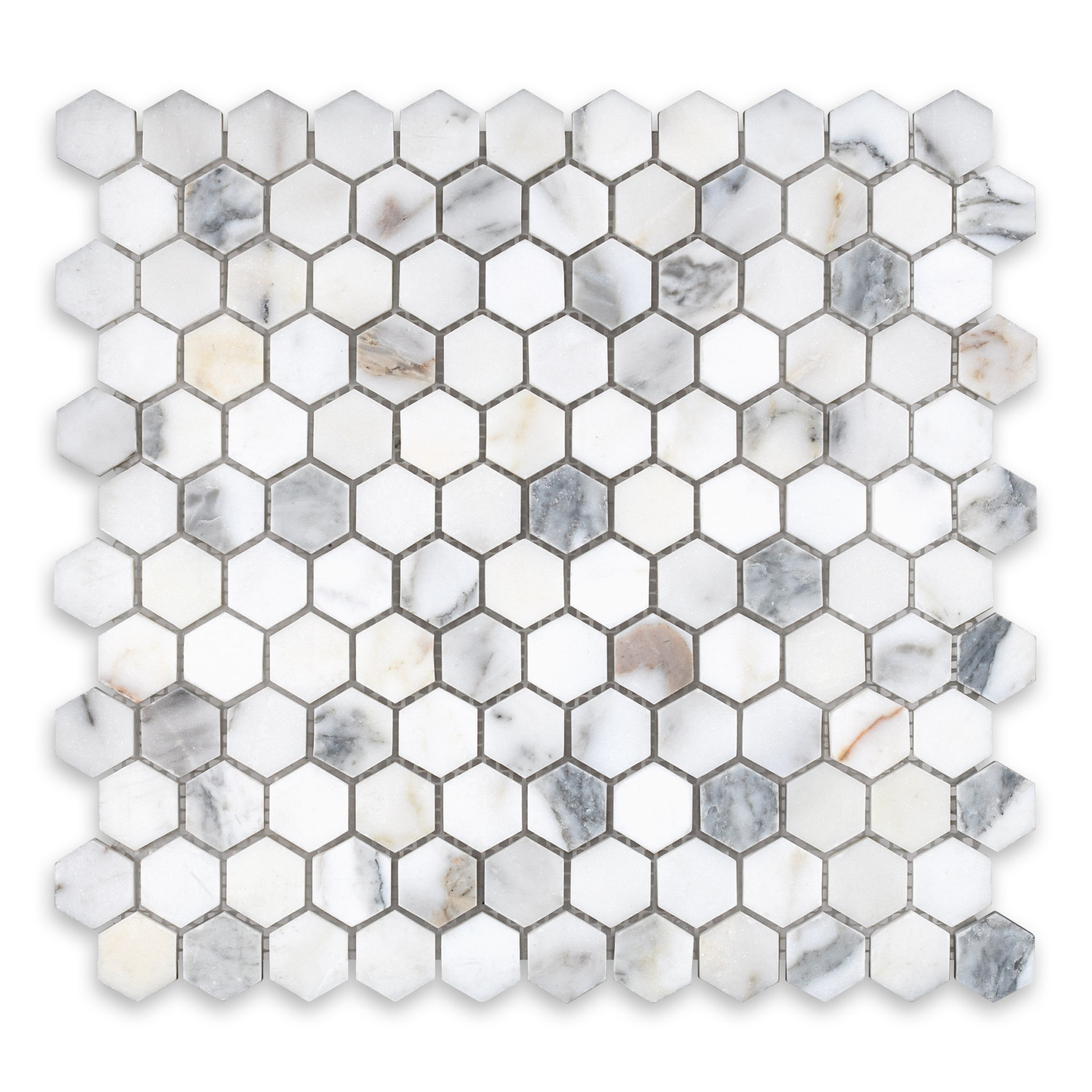
There's something undeniably captivating about the way natural stone can transform a space. When we talk about marble, Calacatta Gold often comes to mind – that exquisite blend of creamy white with striking golden veining. Now, imagine that same luxurious material, but in the delicate and versatile form of 3-inch hexagons. These aren't just tiles; they're tiny canvases of geological art, each piece a testament to nature's enduring beauty and meticulous craftsmanship. Let's delve into what makes these small-scale wonders so special.
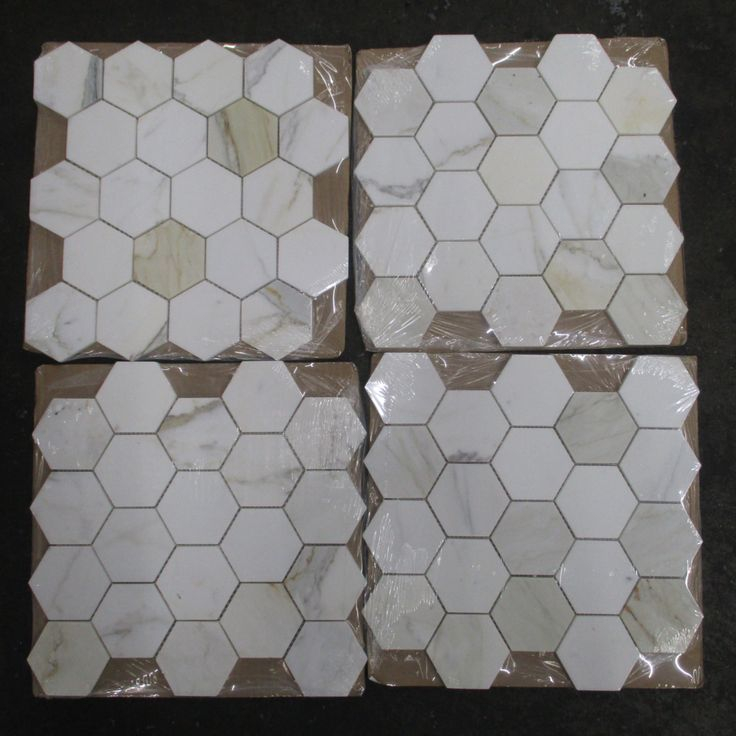
You've probably seen marble in grand, sweeping statements – think expansive countertops or dramatic fireplace surrounds. But the charm of smaller formats, especially hexagons, lies in their ability to offer a more intricate and detailed aesthetic. A 3-inch hexagon, for instance, provides a delightful play of pattern and texture. It's a size that allows for complex arrangements, creating a visual rhythm that larger tiles simply can't replicate. When you combine this form with the unparalleled elegance of Calacatta Gold, you get a material that’s both sophisticated and adaptable. It’s a choice that speaks to a discerning eye, one that appreciates the finer details in life and design. So, what exactly goes into creating these little gems, and why are they so sought after?
The Genesis: Sourcing Calacatta Gold
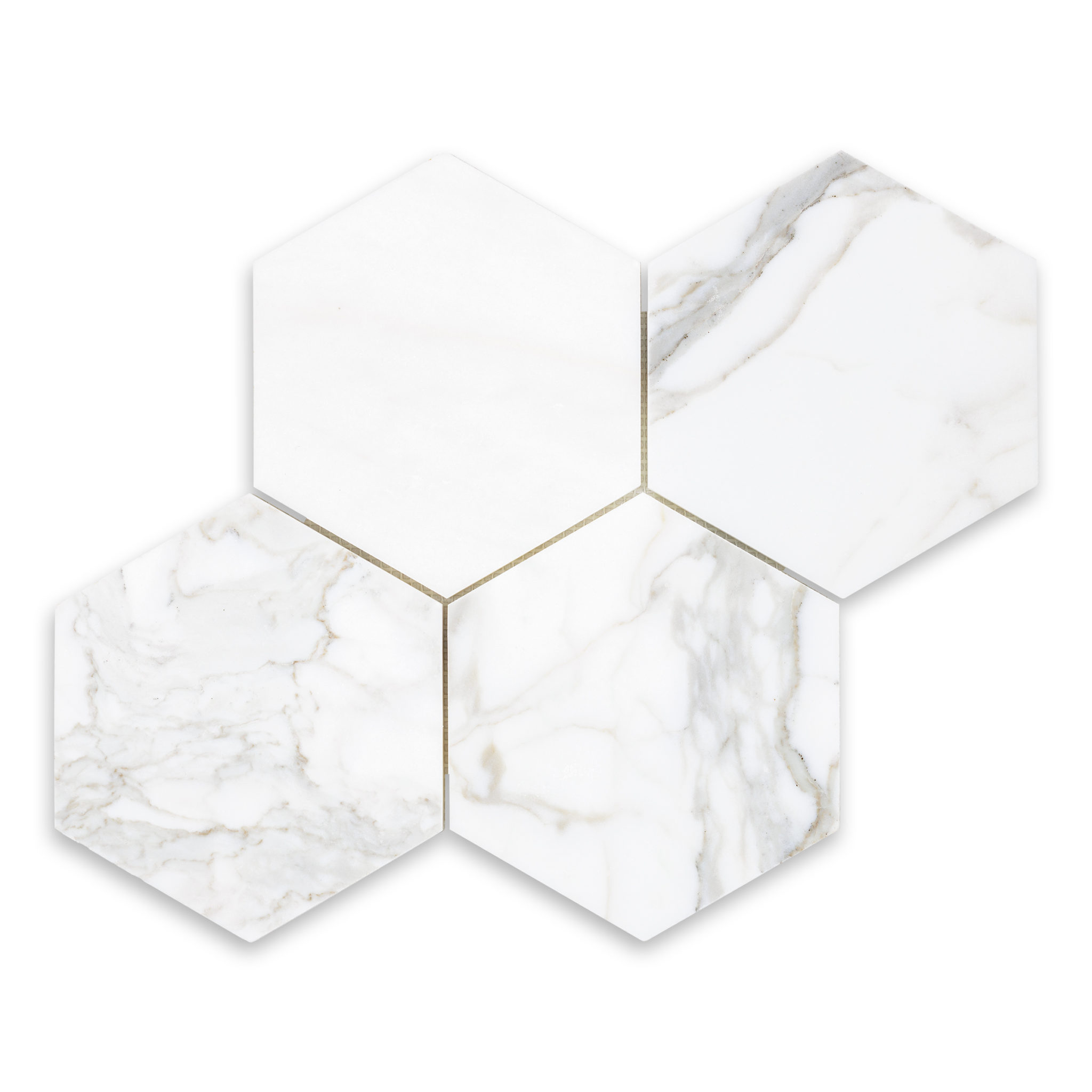
The journey of a 3-inch Calacatta Gold hexagon begins deep within the earth, typically in the storied quarries of Carrara, Italy. Calacatta Gold is renowned for its distinct characteristics: a bright white base, punctuated by bold, warm-toned veining that can range from soft gold to richer amber. Unlike its close cousin, Carrara marble, which often features softer, more feathery gray veining, Calacatta's patterns are generally more dramatic and distinct. The 'Gold' designation specifically refers to those beautiful, warm-hued streaks that truly make this stone pop. Selecting the right block of Calacatta Gold is crucial; it’s about finding a slab that exhibits that perfect balance of white, veining, and perhaps even a subtle hint of gold dust. This initial selection sets the stage for the entire creation process, ensuring the final product will possess that coveted, luxurious look.
Precision Cutting: From Slab to Small Wonders
Once a suitable block of Calacatta Gold is chosen, it's meticulously cut into larger slabs. This is where the transformation into hexagons begins. The process requires specialized, high-precision cutting machinery, often using water-jet technology. Why water-jet? Because it allows for incredibly clean cuts without generating excessive heat, which could potentially damage the stone. Each 3-inch hexagon is carefully mapped out on the slab to best showcase the unique veining patterns. This isn't a random process. Designers and fabricators work together to ensure that the most attractive parts of the marble – those dramatic veins and contrasting colors – are utilized effectively. Imagine a craftsman carefully positioning a template, ensuring that a beautiful golden streak runs right through the center of a tile. That level of attention is what elevates these hexagons from mere building materials to works of art. It’s a blend of technology and artistic sensibility, making sure no precious pattern is wasted.
Finishing Touches: Honed vs. Polished
After cutting, the edges of the hexagons are typically beveled or eased to prevent chipping and to create a softer feel. The surface finish is another critical decision point. The two most common finishes for marble are honed and polished. A polished finish offers a high-gloss, reflective surface that intensifies the marble's colors and veining, giving it a classic, luxurious sheen. It’s often what people picture when they think of marble. On the other hand, a honed finish provides a more subdued, matte appearance. It’s less reflective, lending a softer, more natural, and contemporary feel to the stone. For 3-inch hexagons, both finishes can be stunning. A polished finish can make the intricate patterns really sing, while a honed finish can create a more understated, tactile elegance, particularly effective in areas where you want a less slippery surface or a more relaxed vibe. The choice often depends on the overall design aesthetic and the intended location of the tiles.
The Art of Installation: Creating a Mosaic of Beauty
Installing 3-inch Calacatta Gold hexagons is where the real magic happens. Because of their size and shape, they lend themselves to a variety of patterns. You can lay them in a classic honeycomb pattern, creating a continuous, mesmerizing flow. Or, you might opt for a more complex, staggered arrangement for added visual interest. The grout color also plays a significant role. A color-matched grout can create a seamless look, almost like a single piece of marble, while a contrasting grout can highlight the individual hexagon shapes and the intricate pattern you've created. Proper preparation of the substrate – the surface beneath the tiles – is paramount. It needs to be clean, level, and stable to ensure the longevity and beauty of the installation. Think about a backsplash in a kitchen or a shower floor; the attention to detail during installation directly impacts how these small marble pieces come together to form a cohesive and breathtaking whole. It’s a labor of love, and the results are usually worth it.
Applications: Where These Hexagons Shine
The versatility of 3-inch Calacatta Gold hexagons is truly remarkable. They’re a fantastic choice for a variety of applications where you desire a touch of luxury and intricate detail. Backsplashes are a popular spot, providing a beautiful focal point in kitchens and bathrooms. They work wonderfully on bathroom floors, especially with a honed finish for better slip resistance, offering a spa-like feel. You might also see them used for shower walls, creating a truly immersive and elegant bathing experience. Even small accents, like a niche in a shower or a decorative border, can be elevated by these exquisite tiles. For smaller spaces, like powder rooms or entryways, they offer a way to incorporate high-end materials without overwhelming the area. Their size makes them ideal for creating intricate patterns and showcasing the natural beauty of the marble in a more intimate setting.
Care and Maintenance: Preserving Their Radiance
Like all natural marble, Calacatta Gold hexagons require mindful care to maintain their beauty over time. Because marble is a porous stone, it’s susceptible to staining and etching, especially from acidic substances like wine, citrus, or certain cleaning products. Sealing the marble regularly, usually with a penetrating sealer, is essential. This helps to fill the pores and make the surface more resistant to spills. For daily cleaning, it’s best to use a pH-neutral stone cleaner and a soft cloth or mop. Avoid abrasive cleaners or scouring pads, as these can scratch the surface, particularly if it's polished. Spills should be wiped up immediately to prevent them from soaking into the stone. While they are durable, understanding their nature and providing consistent, gentle care will ensure your 3-inch Calacatta Gold hexagons remain a stunning feature in your home for years to come.
So, there you have it – a glimpse into the world of 3-inch Calacatta Gold marble hexagons. From the careful selection of the raw stone in Italian quarries to the precision cutting and thoughtful installation, each step is a testament to the enduring appeal of natural materials and skilled craftsmanship. These small, hexagonal tiles offer a unique blend of luxury, detail, and versatility, allowing designers and homeowners to create spaces that are both beautiful and deeply personal. Whether you're drawn to the dramatic veining or the delicate size, these miniature marble masterpieces are sure to add a touch of timeless elegance to any project. They’re more than just tiles; they’re a connection to nature’s artistry, refined and presented for your enjoyment.