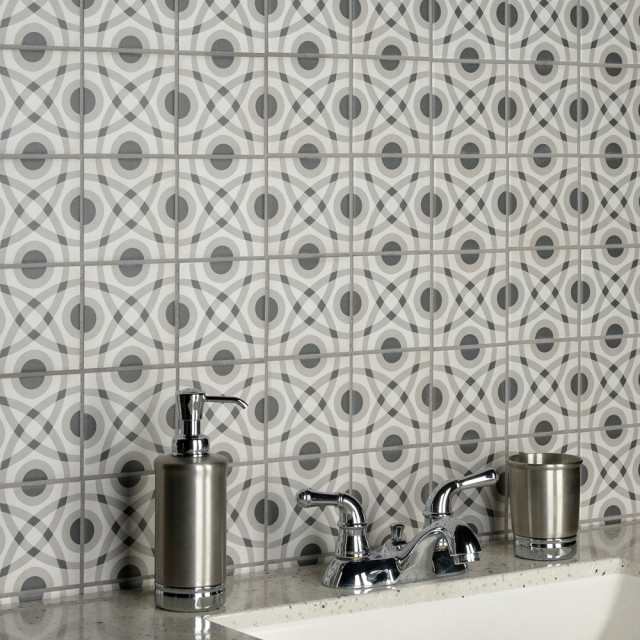
Remember those old black and white photos of bustling city streets and elegant interiors? Many of them featured a subtle yet striking design element that we're still talking about today: the stripe tile, particularly those reminiscent of the 1920s. It’s more than just a pattern; it’s a piece of history that brings a unique character to any space. Let's dive into why this classic motif has such a powerful hold on our design sensibilities.
There's something undeniably captivating about the patterns that defined earlier eras. When we talk about Twenties stripe tile, we're often referring to a specific aesthetic that emerged during a period of significant cultural and artistic change. Think Art Deco, jazz, and a burgeoning sense of modernism. This tile style, often characterized by clean lines and contrasting colors, was a hallmark of the time, appearing in everything from grand hotel lobbies to cozy bathrooms. But what exactly is it about these stripes that makes them so appealing, even now, a century later? It's a blend of simplicity, sophistication, and a touch of vintage flair that’s hard to beat.
What Exactly is Twenties Stripe Tile?
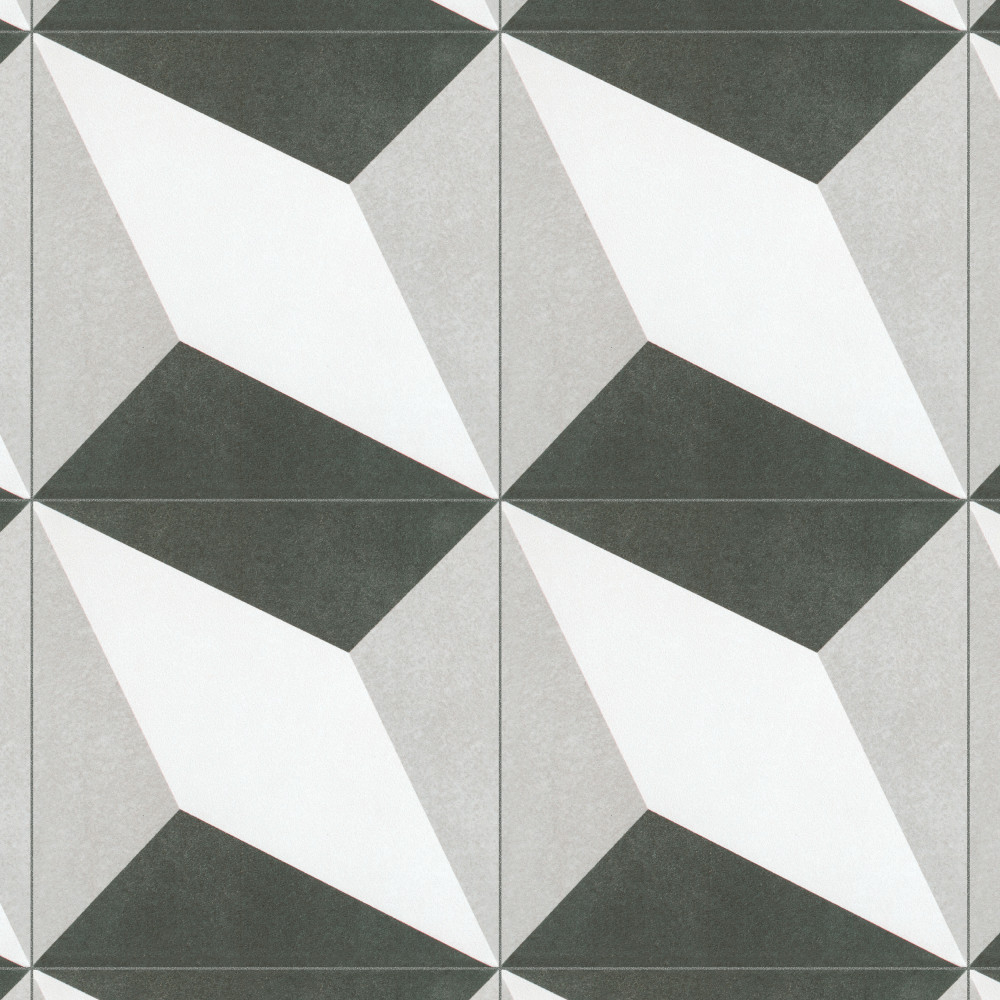
At its core, Twenties stripe tile typically features alternating bands of color, most commonly in monochromatic schemes like black and white, or sometimes with subtle accents of cream or grey. The stripes themselves can vary in width, but they often maintain a consistent, clean edge. This isn't about complex patterns or busy designs. Instead, it's about the powerful impact of simple, parallel lines. You'll often find these tiles used in checkerboard patterns, or as borders and accents within larger tiled areas. Their geometric nature lends itself perfectly to the Art Deco movement, which favored symmetry and bold, graphic elements. It’s a look that’s both understated and incredibly impactful, proving that sometimes, less really is more.
The Historical Context: Why Then?
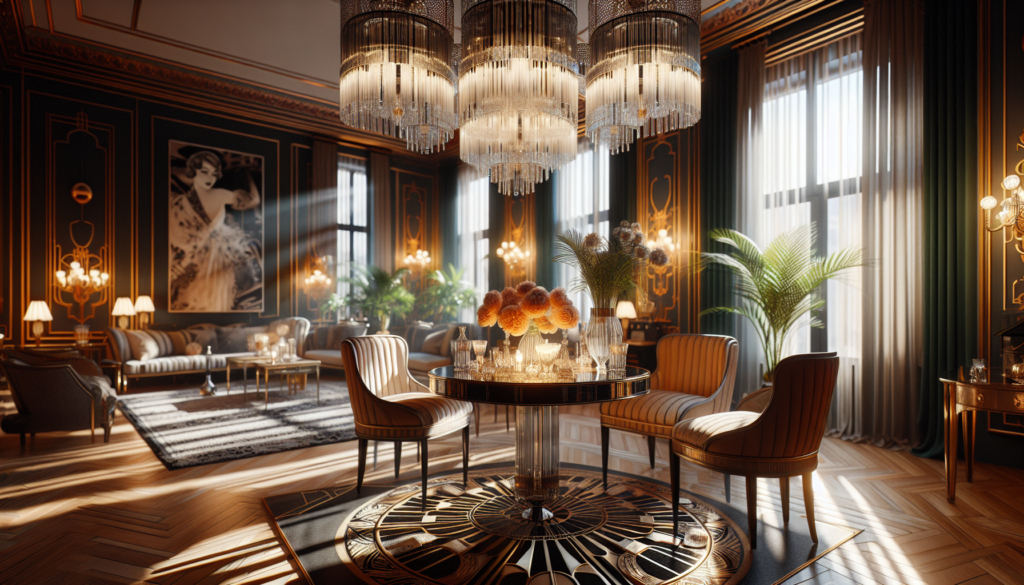
The 1920s was a dynamic decade. The end of World War I ushered in an era of optimism and innovation. In design, this translated to a move away from overly ornate styles towards something more streamlined and modern, yet still with a sense of glamour. Art Deco became the dominant style, and its principles of geometric shapes, symmetry, and rich materials were reflected everywhere. Stripe tiles fit seamlessly into this. They offered a sense of order and visual rhythm that appealed to the era's forward-thinking spirit. They were a way to add personality and a touch of luxury without being ostentatious. Imagine the entrance to a stylish speakeasy or the floor of a chic boutique – stripe tiles were often the sophisticated choice.
Versatility in Modern Spaces
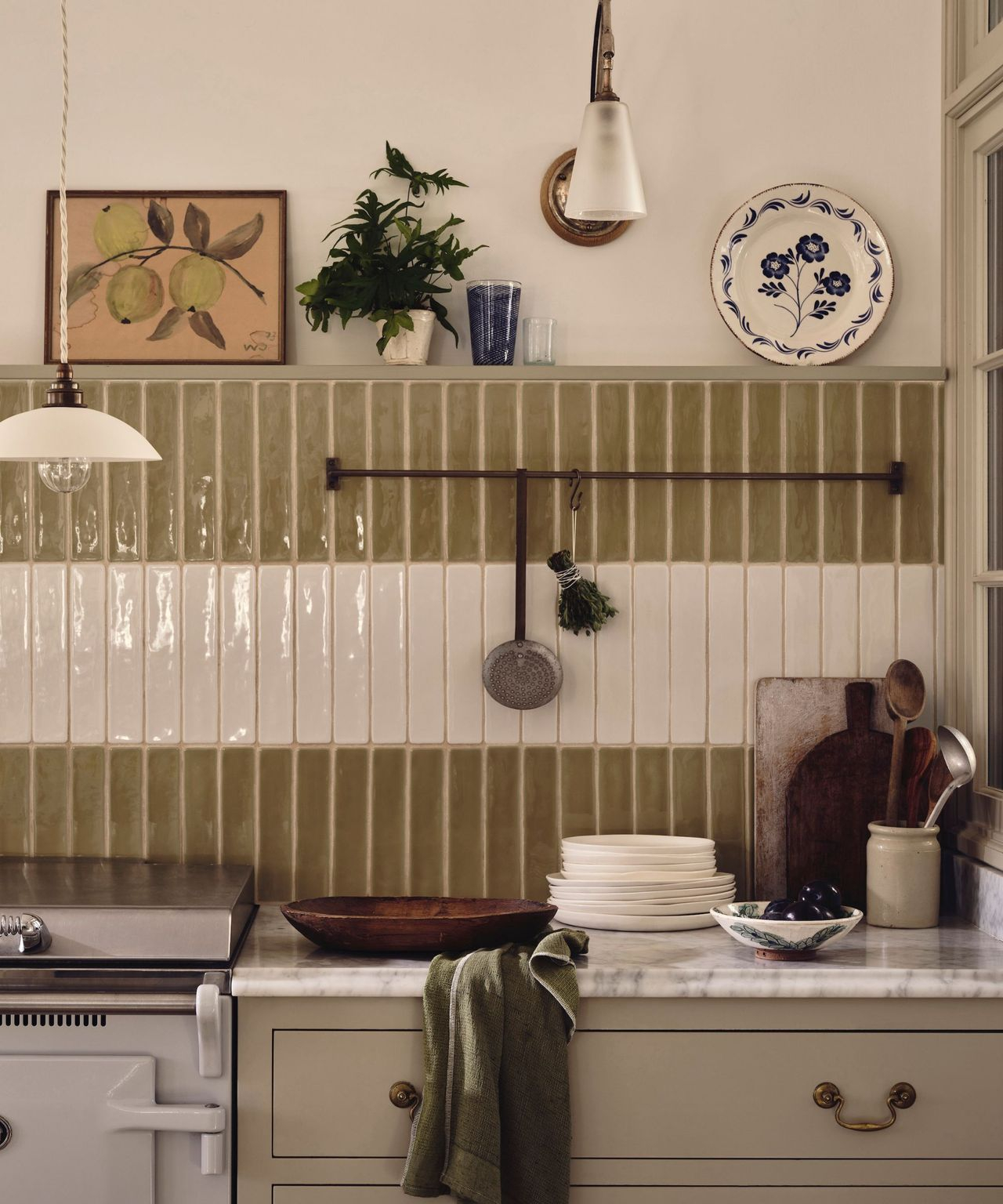
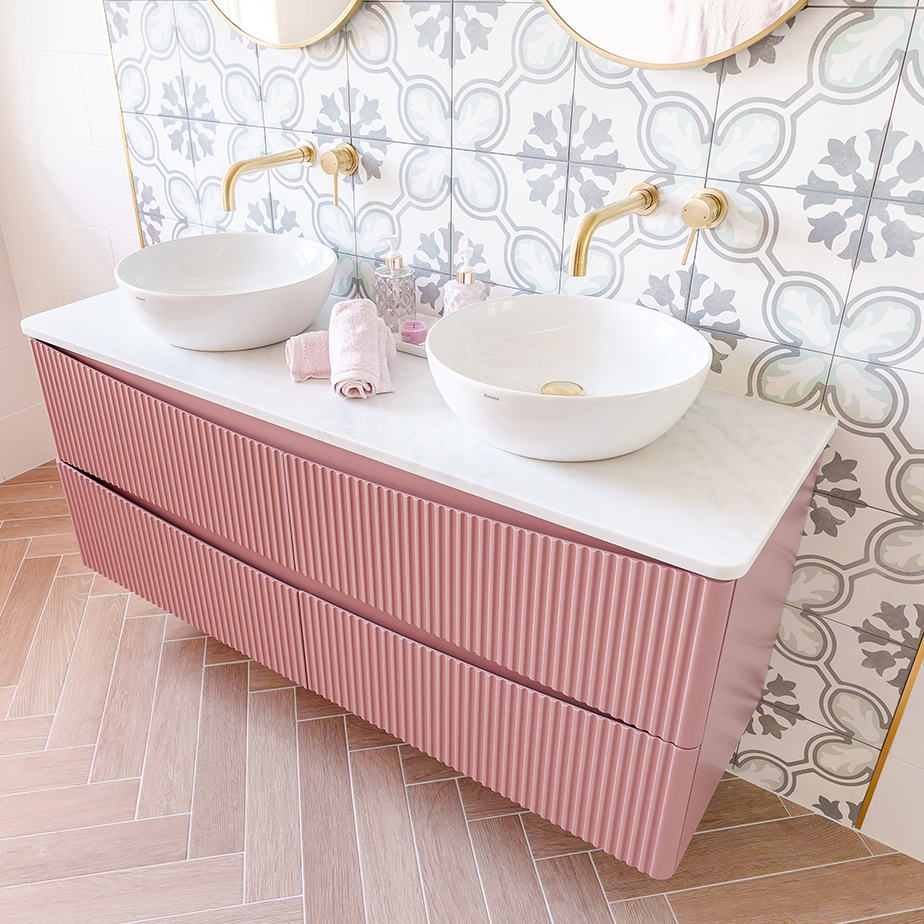
One of the most remarkable things about Twenties stripe tile is how well it translates to contemporary interiors. It’s not just a relic of the past. Whether you’re aiming for a vintage vibe or a modern minimalist look, these tiles can adapt. In a bathroom, a classic black and white checkerboard floor is timeless and chic. Use them as a backsplash in the kitchen for a clean, graphic statement. They also make a fantastic accent on a fireplace surround or as a border in a hallway. The key is understanding how to balance them with other elements. Pair them with sleek, modern fixtures for a contemporary feel, or with vintage-inspired pieces for a more authentic historical look. Their inherent simplicity ensures they don't overpower a space, but rather enhance it.
Materials and Applications
Historically, you'd often see these stripes in ceramic or porcelain tiles, which were durable and relatively affordable, making them accessible for a range of applications. Today, you can find them in similar materials, but also in more luxurious options like marble or even durable vinyl and laminate for budget-friendly alternatives. Their applications are virtually limitless. Think about:
- Flooring: The classic checkerboard is a perennial favorite for entryways, kitchens, and bathrooms.
- Backsplashes: A simple stripe pattern can add a sophisticated touch behind your stove or sink.
- Wall Accents: Use them as a wainscoting or a decorative border to add visual interest.
- Shower Enclosures: Create a striking wet room with a bold stripe design.
The choice of material and finish – matte versus glossy, for example – can also dramatically alter the final look, allowing for even greater customization.
Tips for Incorporating Twenties Stripe Tile
Ready to bring this classic into your home. Here are a few pointers to get you started:
- Consider the Scale: Think about the size of your room and the size of the tiles. Larger tiles with wider stripes can make small spaces feel bigger, while narrower stripes can add intricate detail.
- Color Choices: While black and white is the quintessential Twenties look, don't be afraid to experiment. Navy and white, grey and white, or even muted pastels can offer a fresh take.
- Balance is Key: If you’re using bold stripe tiles, keep the rest of your decor relatively simple to let the pattern shine. If your room is already busy, consider using stripes as a subtle accent.
- Grout Matters: The color of your grout can significantly impact the overall appearance. White grout with black tiles creates a stark, graphic contrast, while grey grout offers a softer transition.
- Don't Overdo It: Sometimes, a single feature wall or a specific area, like a entryway floor, is all you need to make a statement.
The Enduring Appeal
So, why do we still love Twenties stripe tile today. It’s about more than just aesthetics; it’s about connection to a vibrant past and the ability of simple design to transcend time. It offers a perfect blend of classic elegance and modern versatility. It’s a pattern that speaks of sophistication without shouting, and it provides a timeless canvas upon which to build your own unique style. Whether you're renovating a vintage home or adding a touch of character to a new build, the humble stripe tile continues to prove its worth, offering a design solution that is both historically rich and wonderfully contemporary.
The charm of Twenties stripe tile isn't a fleeting trend; it's a testament to the power of enduring design principles. Its clean lines, classic color palettes, and inherent versatility make it a smart and stylish choice for any home. By understanding its history and appreciating its adaptability, you can confidently incorporate this iconic pattern to add character, sophistication, and a touch of timeless elegance to your living spaces. It’s a design choice that truly stands the test of time, proving that sometimes, the simplest patterns can make the most profound statements.