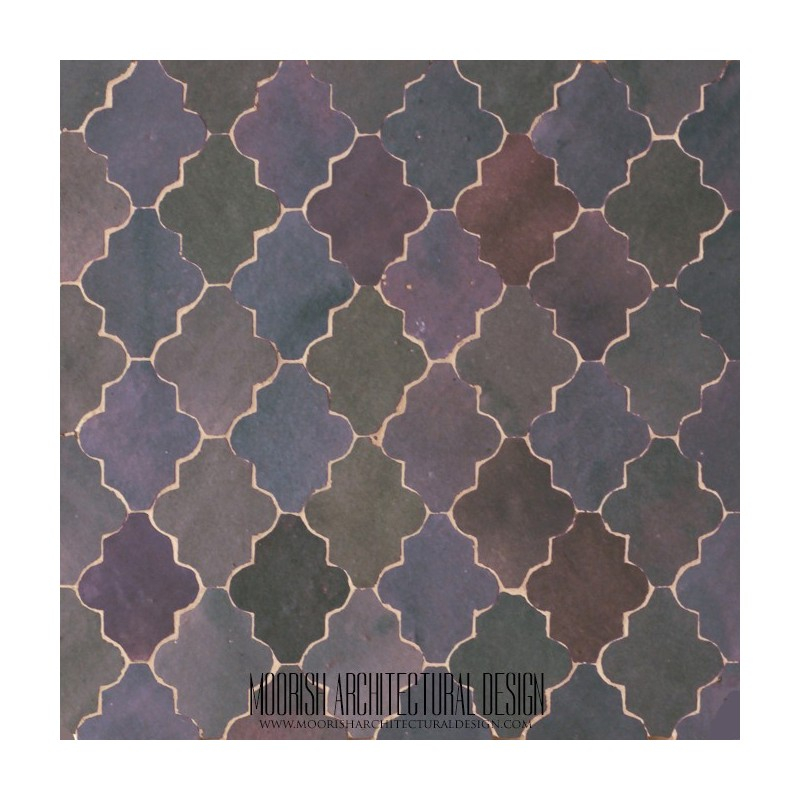
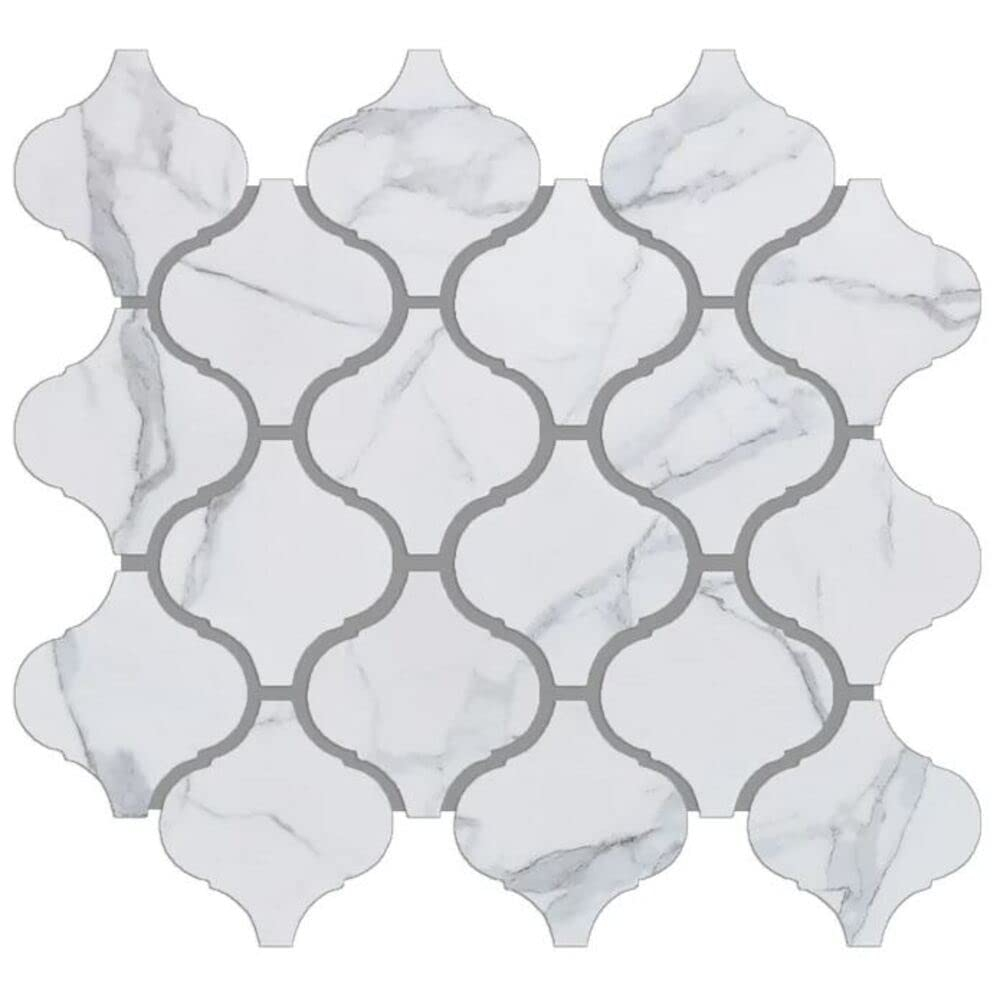
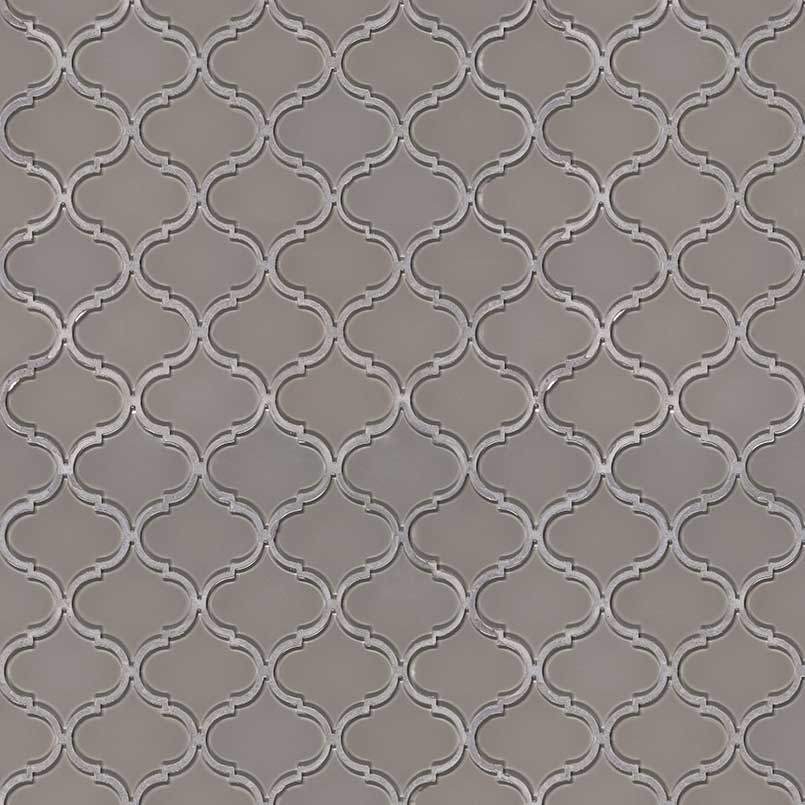
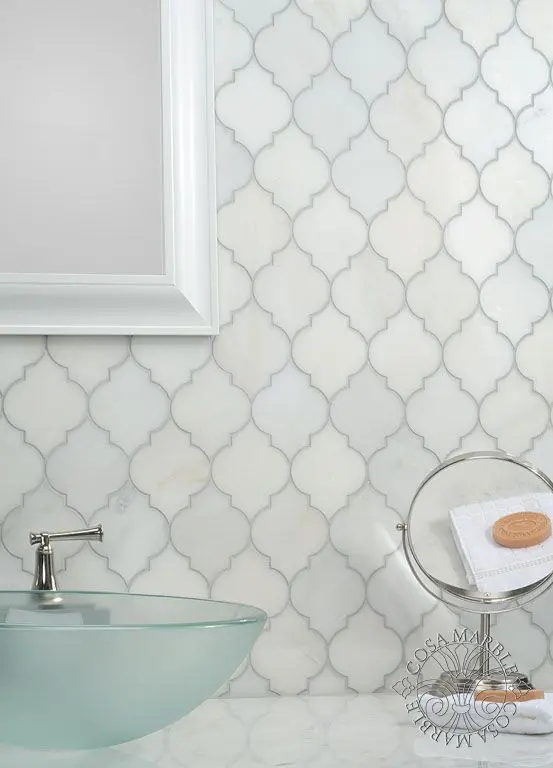
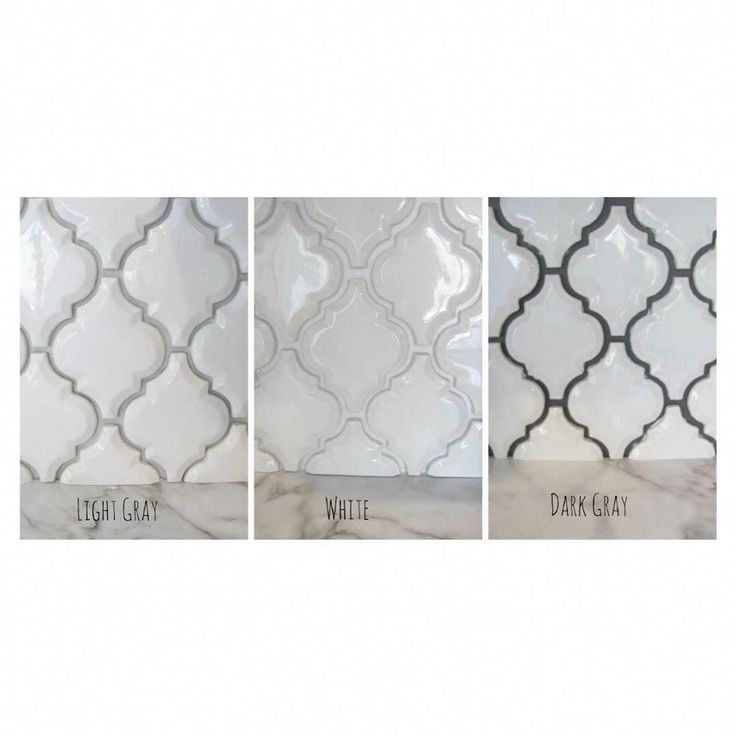
When you think of Arabesque tiles, you might picture those incredibly detailed, geometric patterns that seem to stretch on forever. They’re undeniably beautiful, aren't they? But there's so much more to these tiles than just their visual appeal. They carry history, artistry, and a unique philosophy that has influenced design for centuries. Let's dive deep and discover what makes them so special and how they continue to shape our world.
Have you ever found yourself mesmerized by the complex, interlocking designs found in Islamic art and architecture? Chances are, you were looking at the work of Arabesque patterns, often brought to life through stunning tiles. These aren't just decorative elements; they're a sophisticated visual language. Originating from the Islamic world, Arabesque art, and by extension, its tiled manifestations, eschews figurative representations, instead celebrating the infinite through intricate geometric and vegetal motifs. This approach has led to some of the most breathtaking and enduring designs in human history, appearing in everything from grand mosques to humble homes, and even modern-day interiors.
The Philosophy Behind the Patterns
What's the big idea behind these repeating shapes? Well, in many Islamic traditions, there's a strong belief that art should reflect the infinite nature of God. Since direct depictions of living beings were often discouraged in religious contexts, artists turned to geometry and stylized plant forms. This led to the development of the Arabesque, a style characterized by flowing, rhythmic lines and complex geometric patterns. Think of it like a visual representation of infinity – a pattern that could theoretically continue forever, mirroring the boundless nature of the divine. This focus on abstract beauty and mathematical precision is what gives Arabesque tiles their profound depth and captivating quality.
A Tapestry of History and Culture
The journey of Arabesque tiles is a long and fascinating one, stretching back over a thousand years. You can trace their roots to early Islamic empires, where they were used to adorn palaces, mosques, and public buildings. The Moors, for instance, brought incredibly sophisticated tilework to Spain, leaving behind masterpieces like the Alhambra in Granada. Later, the Ottoman Empire became renowned for its Iznik tiles, famous for their vibrant colors and intricate floral and geometric designs. These tiles weren't just about decoration; they were a way to express cultural identity, religious devotion, and artistic innovation across vast regions and diverse societies. It’s a story told in ceramic and color, spanning continents and centuries.
Key Elements of the Arabesque Style
So, what exactly makes a tile 'Arabesque'? It’s a combination of specific design principles:
- Geometric Complexity: Expect intricate star patterns, polygons, and tessellations. These are often based on mathematical principles, creating a sense of order and harmony.
- Stylized Vegetal Motifs: While avoiding realistic depictions, Arabesque art often features stylized leaves, vines, and flowers. These are woven into the geometric framework, adding organic movement and fluidity.
- Rhythm and Repetition: The patterns are designed to repeat and interlock, creating a sense of continuous flow and visual rhythm. This repetition is key to the feeling of infinity.
- Symmetry and Balance: Despite their complexity, Arabesque designs are typically characterized by a strong sense of balance and symmetry, making them pleasing to the eye.
- Vibrant Color Palettes: While some early examples are monochromatic, many Arabesque tiles feature rich blues, greens, reds, and yellows, often against a white or cream background. The Iznik tiles are a prime example of this vibrant use of color.
From Grand Mosques to Modern Homes
The influence of Arabesque tiles extends far beyond their historical origins. You’ll find them adorning the walls and floors of magnificent mosques, creating an atmosphere of serene beauty and spiritual contemplation. But their appeal isn't limited to religious spaces. Think of the stunning tilework in traditional Moroccan riads or Persian palaces – these offer a glimpse into domestic and imperial grandeur. Today, designers are reinterpreting Arabesque patterns for contemporary spaces. You might see them as a striking backsplash in a modern kitchen, a decorative accent on a bathroom floor, or even as a feature wall. They bring a touch of timeless elegance and a unique artistic flair to any environment, proving that good design truly transcends time.
The Craftsmanship Involved
Creating these intricate tiles is no small feat. It involves a deep understanding of design, mathematics, and skilled craftsmanship. Traditionally, tiles were hand-painted, with artists meticulously applying glazes and pigments. Techniques like cuerda seca (dry cord) and zellij (mosaic tilework) were developed to create sharp lines between colors and assemble complex patterns from many small, hand-cut pieces. The process requires patience, precision, and a keen eye for detail. Even with modern manufacturing, the spirit of this traditional artistry is often preserved, ensuring that each tile carries a piece of history and human endeavor. It's this dedication to craft that makes the final result so remarkable.
Bringing Arabesque into Your Space
Interested in adding a touch of Arabesque elegance to your own surroundings? Here are a few ideas:
- As a Statement Piece: Use a single Arabesque tile as a decorative accent, perhaps framed on a wall or as a coaster.
- Backsplash Brilliance: A patterned Arabesque tile backsplash in your kitchen or bathroom can add instant personality and sophistication.
- Flooring Focus: Consider using Arabesque tiles for a feature area on your floor, like a entryway or a shower floor, for a truly immersive effect.
- Mix and Match: Don't be afraid to combine Arabesque patterns with simpler, solid-colored tiles to create a balanced look. Let the pattern be the star where you want it to shine.
- Consider the Colors: Think about the existing color scheme of your space. You can find Arabesque tiles in a vast array of colors, from muted earth tones to vibrant jewel hues.
So, the next time you encounter an Arabesque tile, take a moment to appreciate more than just its pattern. Recognize the centuries of history, the deep philosophical underpinnings, and the incredible artistry that went into its creation. These tiles are a testament to the human capacity for intricate design and the enduring quest for beauty. They remind us that even in repetition and abstraction, there is profound meaning and a connection to something larger than ourselves. Their story is far from over; they continue to inspire and beautify our world, one intricate pattern at a time. It’s truly amazing how much depth can be found in something so seemingly simple.