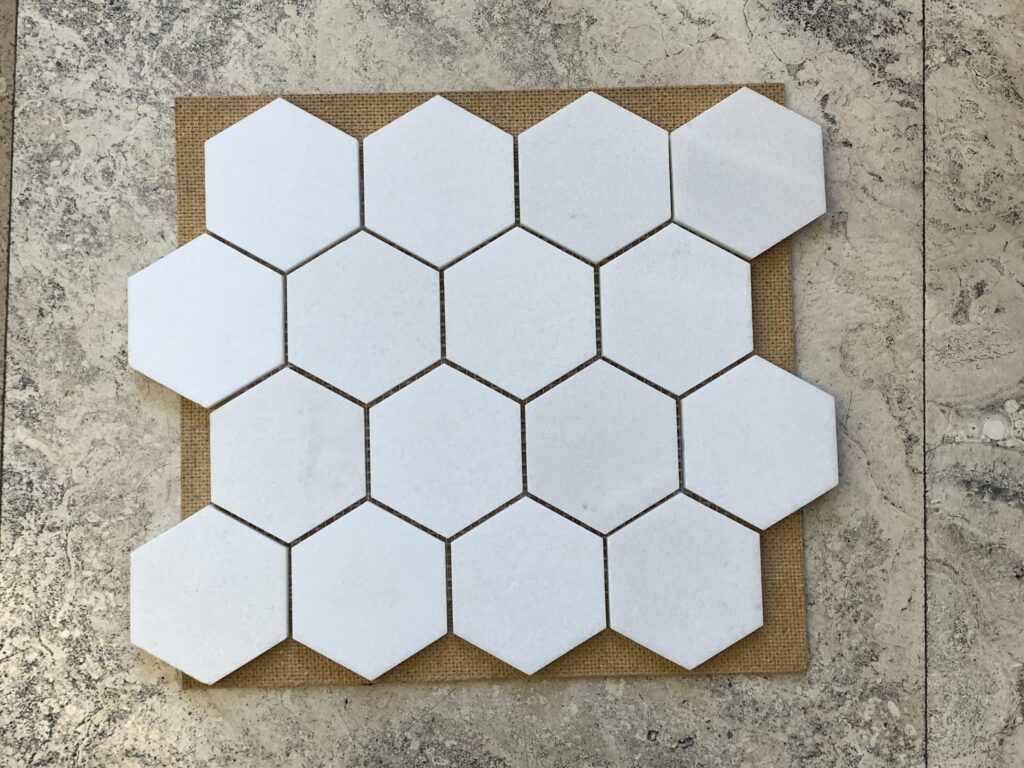
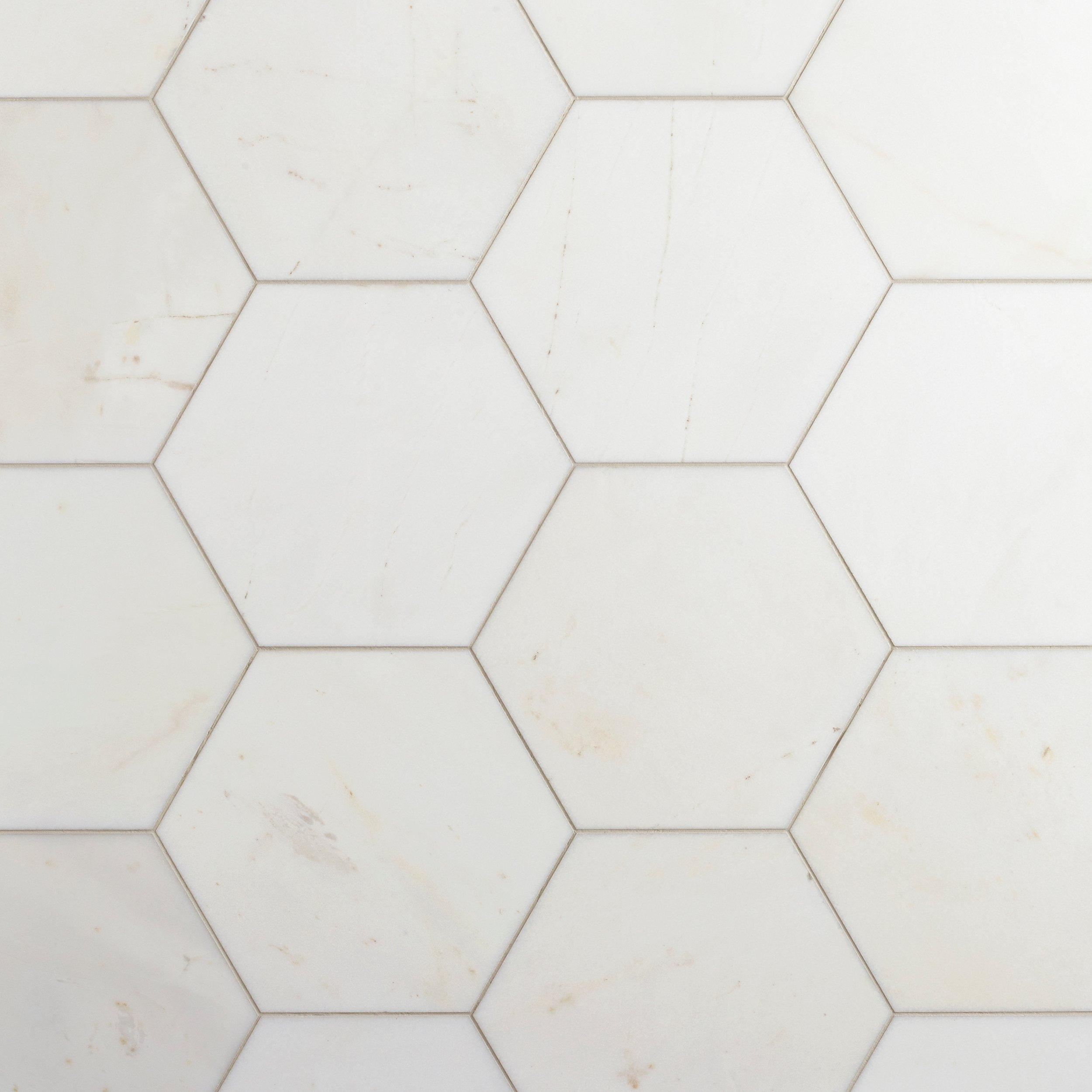
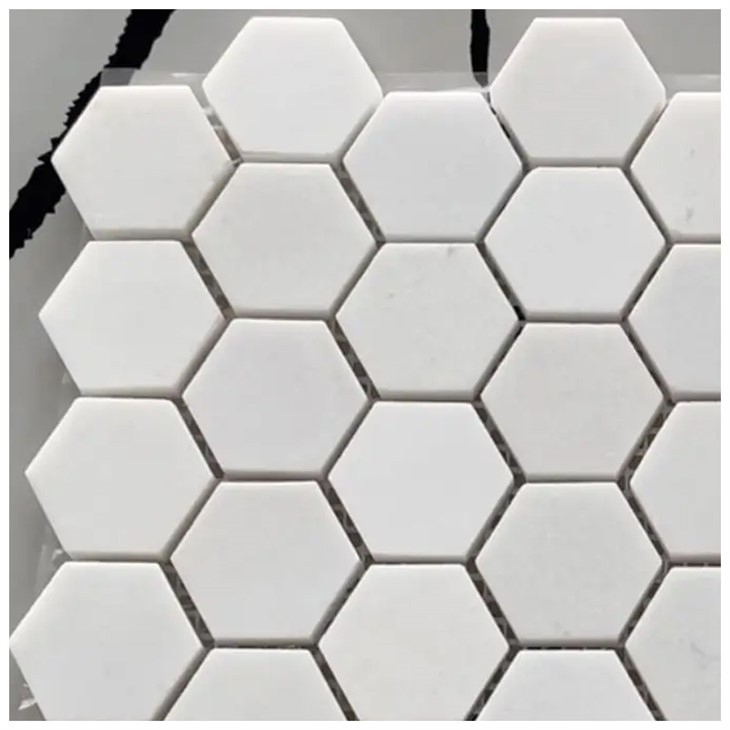
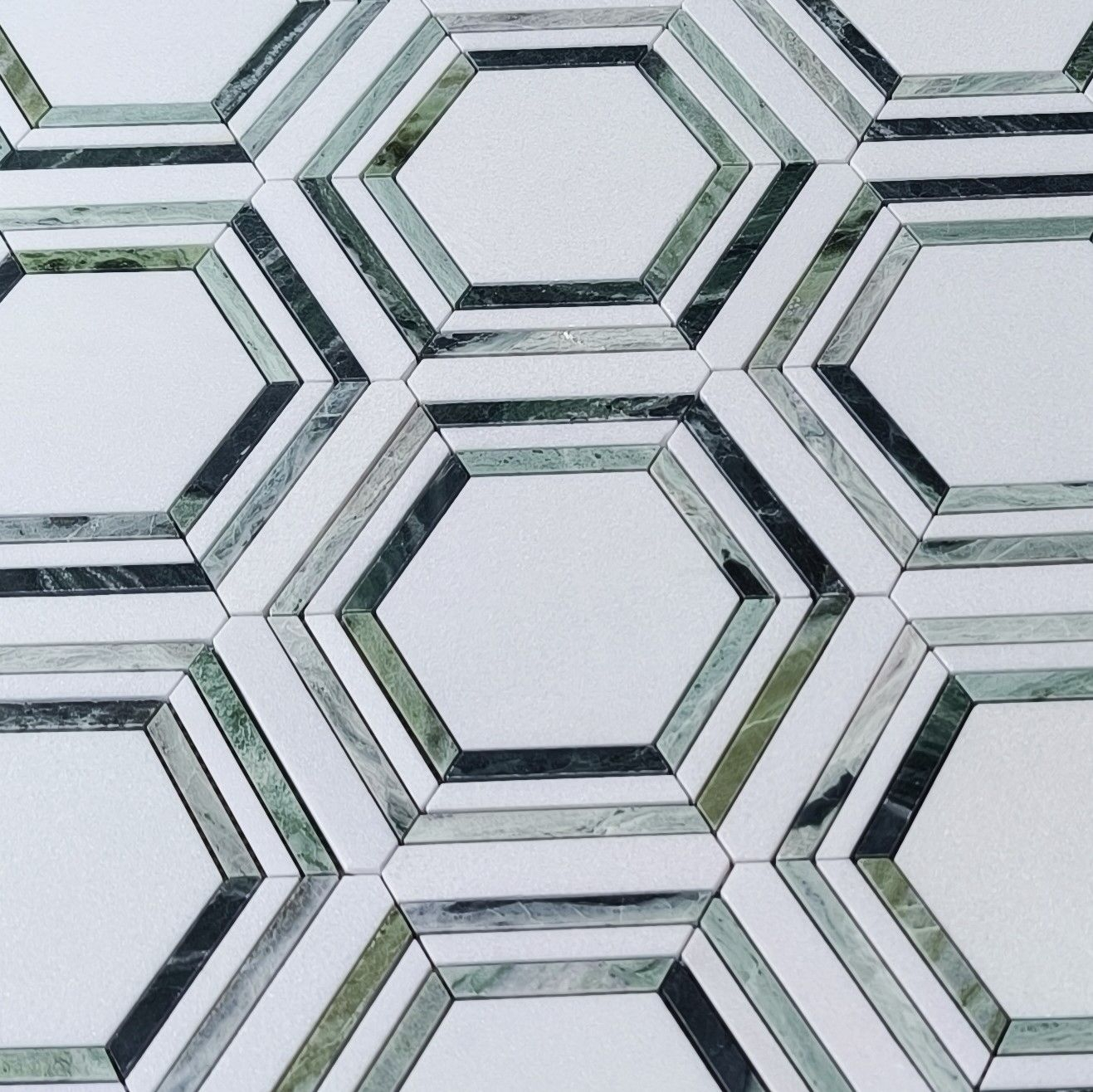
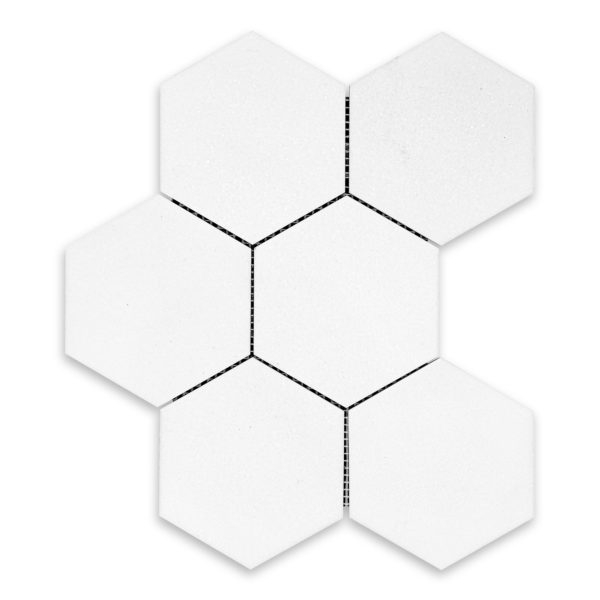
When you first see Thassos white marble hexagon tiles, it's easy to fall in love. That pristine, almost luminous white, with its subtle veining – it’s undeniably gorgeous. But if you’re planning to use these stunning tiles in your home or a commercial space, there’s a lot more to think about than just how they look in a catalog. We’re going to dive deep into what truly matters, moving past the visual appeal to uncover the practicalities that ensure your investment is as smart as it is beautiful. Let's get into it.
Thassos white marble, quarried from the Greek island of Thassos, is renowned for its exceptional purity and bright white hue. When shaped into hexagon tiles, it adds a unique geometric flair and a touch of classic elegance to any design. Think of a sun-drenched bathroom, a chic kitchen backsplash, or even a sophisticated entryway – the possibilities are endless. However, selecting the right Thassos white marble hexagon tiles involves a careful consideration of several critical factors that go far beyond their immediate visual appeal. This isn't just about picking the prettiest tile; it's about making a choice that will stand the test of time, traffic, and moisture. So, what should you really be looking for?
Understanding Marble Quality: The Foundation of Your Choice
Not all Thassos white marble is created equal. The inherent quality of the stone itself is paramount. You'll want to look for marble with a consistent, bright white background. While some subtle veining is natural and desirable, excessive or dark veining can sometimes indicate a lower grade of stone. Pay attention to the presence of natural fissures or cracks – these aren't necessarily deal-breakers, but they do require careful handling during installation and can be more prone to chipping. A reputable supplier will be transparent about the grade and characteristics of their marble. Don't hesitate to ask questions about the quarry source and the stone's composition. For instance, understanding if the marble is pure calcite or contains other minerals can give you clues about its durability and how it might react to certain cleaning agents.
Finish and Sealing: Protecting Your Investment
The finish of your Thassos white marble hexagon tiles plays a significant role in both their appearance and their upkeep. The most common finishes are polished and honed. A polished finish offers a high-gloss, reflective surface that really makes the marble’s brilliance shine. It can make a space feel more luxurious and open. However, polished surfaces are also more prone to scratching and can be slippery when wet, which is something to seriously consider for areas like bathrooms or pool decks. A honed finish, on the other hand, provides a smooth, matte appearance. It’s generally more forgiving with everyday wear and tear and offers better slip resistance. Regardless of the finish you choose, proper sealing is absolutely critical. Marble is a porous natural stone, and without adequate sealing, it can easily stain from liquids like wine, coffee, or oil. The type of sealer and the frequency of reapplication will depend on the tile's finish and the area it's installed in. Think of sealing as a protective cloak for your beautiful stone.
Tile Thickness and Calibration: Ensuring a Seamless Installation
When ordering marble tiles, especially for a unique shape like hexagons, checking the thickness and calibration is crucial. Tiles should ideally be of consistent thickness to ensure a level and even installation. Uneven tiles can lead to lippage – where the edges of adjacent tiles don't sit flush – which is not only aesthetically unpleasing but can also create tripping hazards and be difficult to clean. Calibration refers to the precision with which the tiles are cut. Calibrated tiles will have very minimal variation in size, making the installation process smoother and requiring less adjustment during laying. If you're working with a contractor, they'll appreciate receiving well-calibrated tiles, and it will ultimately save you time and money on labor. Don't overlook this practical aspect; it’s a real game-changer for the final look and functionality.
Subtle Variations: Embrace the Natural Beauty
One of the unique charms of natural stone, including Thassos white marble, is its inherent variation. While you want consistency, expecting absolute uniformity is unrealistic and, frankly, would detract from the stone's natural character. You'll notice slight differences in the shade of white, the pattern and thickness of veining, and even subtle textural changes from one tile to the next. This is what makes each installation unique. Before you commit to a large order, ask to see a larger sample or, if possible, visit a showroom to view several boxes of tiles. This will give you a better sense of the natural variation you can expect. When laying the tiles, a good installer will blend tiles from different boxes to create a harmonious and visually balanced surface. It’s about appreciating the art that nature creates.
Durability and Suitability for Your Space
While Thassos white marble is a beautiful material, it's important to be realistic about its durability. Marble is a relatively soft stone compared to granite or porcelain. This means it can be susceptible to etching from acidic substances (like lemon juice or vinegar) and scratching from abrasive materials or heavy-duty foot traffic. For high-traffic areas like kitchen floors or entryway floors that see a lot of wear and tear, you might want to consider using honed Thassos marble, ensuring it's well-sealed, and perhaps opting for a different material altogether for the main flooring if extreme durability is your absolute top priority. However, for areas like bathroom walls, shower enclosures, or decorative backsplashes, its beauty often outweighs its susceptibility to damage. Always match the material to the intended use of the space. For example, in a master bathroom, the durability concerns might be less pressing than in a busy family kitchen.
Maintenance: What to Expect Day-to-Day
Caring for Thassos white marble hexagon tiles requires a mindful approach. Regular cleaning should involve a pH-neutral cleaner specifically designed for natural stone. Avoid harsh chemicals, abrasive scrubbers, and acidic or alkaline cleaning solutions, as these can damage the stone’s surface and its sealant. Spills should be wiped up promptly to prevent staining, especially in the case of colored liquids. Re-sealing is also an essential part of maintenance. The frequency will depend on the sealer used and the amount of traffic the tiles receive, but typically, it might be needed every 6-12 months for high-use areas. Educating yourself and anyone who will be cleaning the space about proper care is key to preserving the tile's pristine appearance for years to come. It's not difficult, but it does require consistency.
Choosing Thassos white marble hexagon tiles is a decision that blends aesthetic desire with practical consideration. By looking beyond the surface and understanding the nuances of marble quality, finishes, thickness, natural variations, durability, and ongoing maintenance, you can make an informed choice. This ensures that your beautiful investment not only enhances your space today but continues to do so for many years. Remember to communicate with your supplier, consult with your installer, and most importantly, choose the stone that best fits your lifestyle and the intended use of your space. The result will be a timeless, elegant feature that truly stands out.