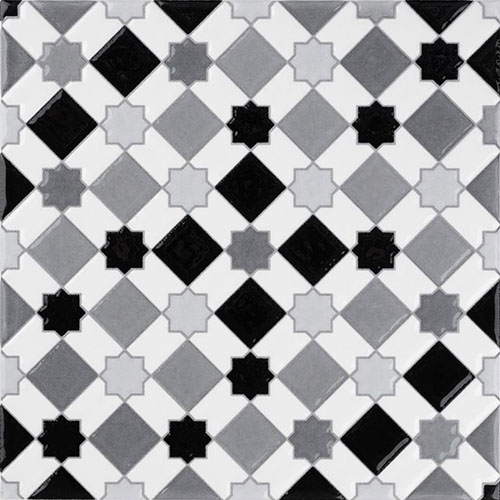
Have you ever admired those distinctive, often colorful tiles that seem to capture the very spirit of Andalusia? They’re more than just decoration; they’re pieces of history, whispering tales of craftsmanship and cultural fusion. Let's dive into the fascinating world of Sevillano Giralda tiles and discover why they hold such a special place in art and design.
Sevillano Giralda tiles, often simply called Giralda tiles, are a quintessential element of Spanish design, particularly evocative of Seville and the broader Andalusian region. Their name itself hints at a deep connection to one of Seville's most iconic landmarks: the Giralda tower. But what exactly are these tiles, and why do they command such attention? These ceramic marvels are characterized by their intricate geometric patterns and vibrant glazes, a testament to centuries of artistic evolution and cultural exchange. They bring a sense of warmth, history, and undeniable beauty to any space they adorn.
Moorish Roots and Al-Andalus Influence
The story of Sevillano Giralda tiles begins long before the name 'Seville' was widely recognized. The foundations of their artistry were laid during the period of Al-Andalus, the Muslim rule in the Iberian Peninsula. The Moors were masters of geometry and intricate design, and this influence is profoundly visible in the early forms of these tiles. Think of the stunning tilework found in the Alhambra in Granada or the Alcázar of Seville – these are the ancestors of what we now recognize as Giralda tiles. The emphasis on repeating patterns, stars, and complex interlacing motifs reflects a deep philosophical and aesthetic appreciation for order and beauty. This wasn't just about making things look pretty; it was about creating a visual language that spoke of harmony and the divine. The techniques for creating these glazed ceramics, including cuerda seca and the use of vibrant pigments derived from natural minerals like cobalt for blues and copper for greens, were honed during this era. It's a legacy that continues to inspire.
The Giralda Tower Connection
The direct association with the Giralda tower is crucial to understanding the tile's name and enduring appeal. Originally the minaret of the Great Mosque of Seville, the Giralda was later converted into a cathedral bell tower after the Reconquista. While much of the original Moorish structure remains, particularly its lower sections, the tower itself is a magnificent example of Almohad architecture. The intricate brickwork and decorative elements on the Giralda, especially those visible from a distance or in its upper reaches, often feature geometric patterns that have been echoed and adapted in ceramic tiles over centuries. It’s this iconic structure that lent its name to a style of tile that embodies the architectural spirit of Seville. Imagine looking up at the tower, its rich textures and patterns, and then seeing those same design principles translated into smaller, more accessible ceramic forms. That's the magic of the Giralda tile.
Evolution Through the Centuries
As Spain transitioned through different historical periods, so too did its tile-making traditions. Following the Reconquista, while Moorish techniques were initially suppressed, they were also adapted and integrated into Christian artistic expressions. This fusion is a hallmark of Spanish art. During the Renaissance and Baroque periods, new motifs and color palettes emerged, but the underlying appreciation for geometric precision and vibrant glazes persisted. Later, during the 19th and early 20th centuries, there was a revival of interest in traditional Spanish crafts, including tile making. This period saw a more widespread production and popularization of what we now call Giralda tiles, making them accessible for everyday use in homes, patios, and public spaces. They became a symbol of Spanish identity and a way to bring a touch of historical grandeur into modern living. The techniques might have evolved with industrial advancements, but the soul of the tile remained deeply rooted in its past.
Artistic Significance and Design Elements
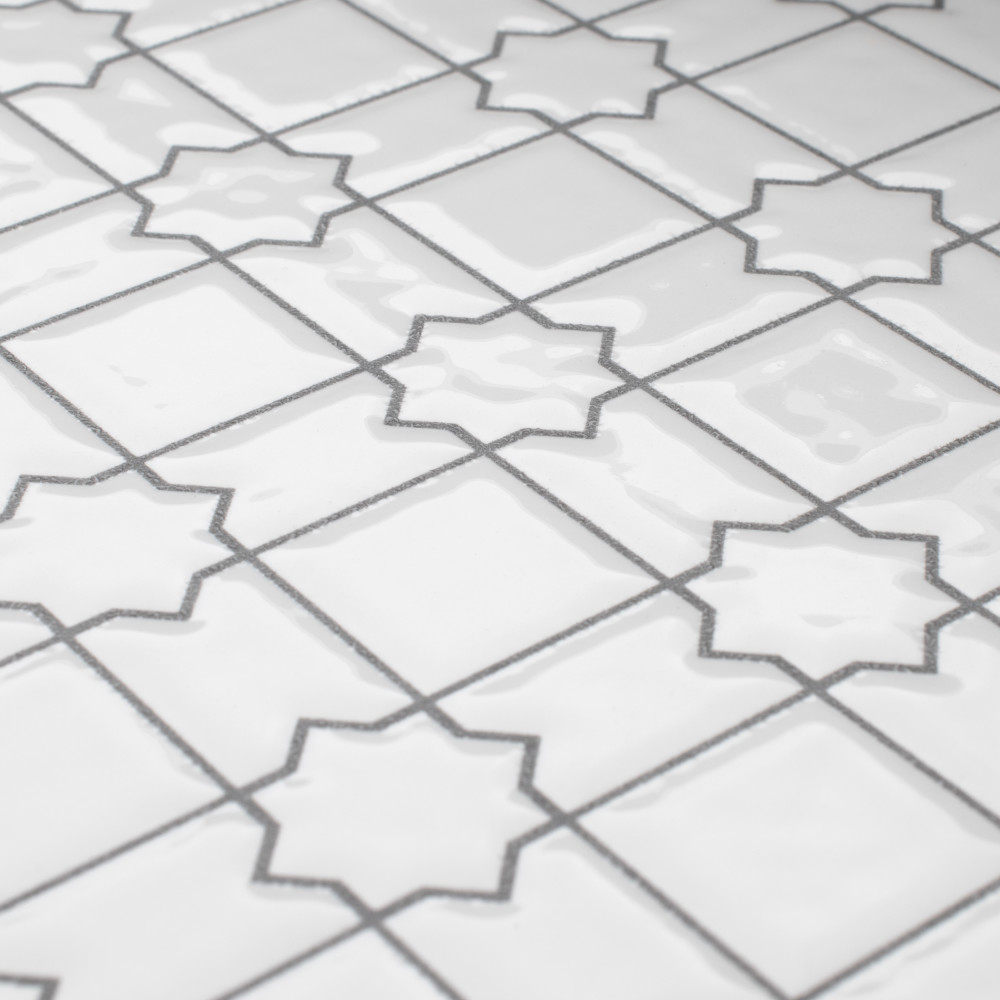
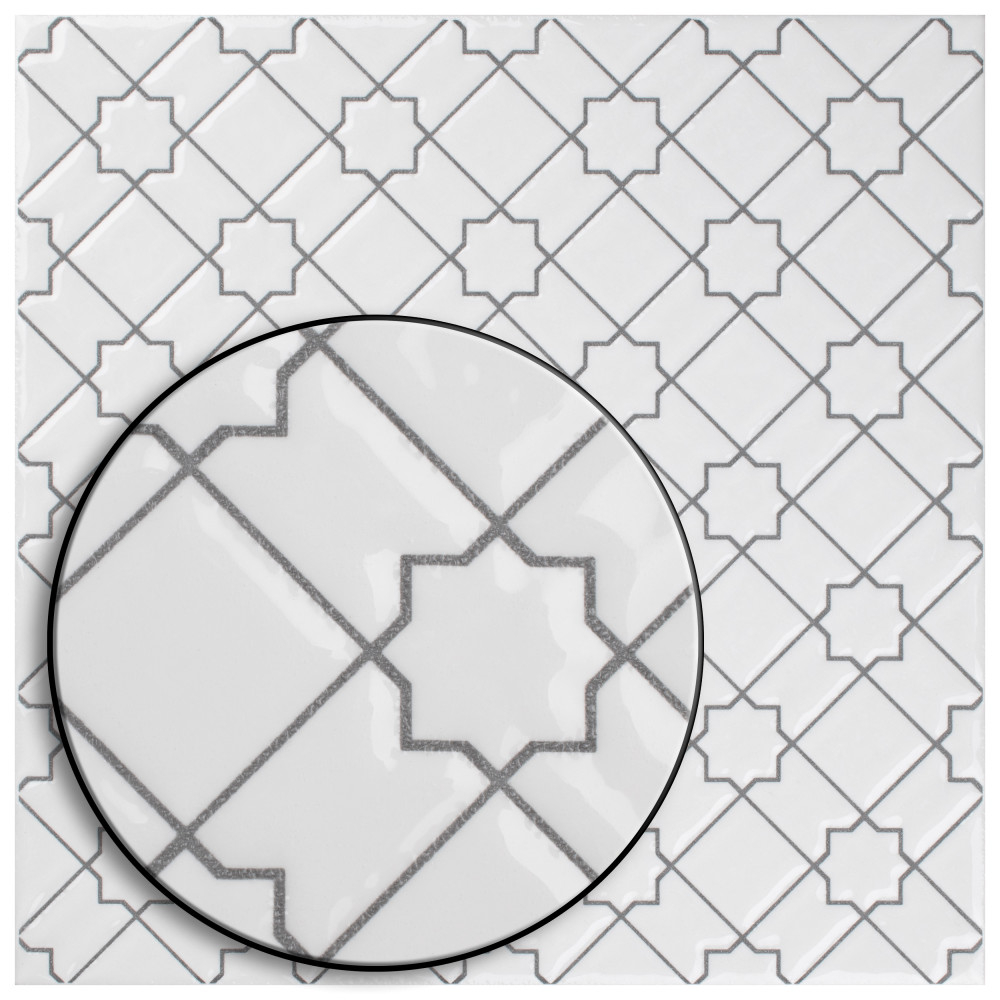
What makes Sevillano Giralda tiles so artistically significant? It’s a combination of factors. Firstly, the intricate geometric designs, often based on stars, polygons, and tessellations, create a sense of mesmerizing complexity and order. These patterns are not accidental; they are mathematically precise and deeply rooted in Islamic art's aversion to figurative representation, instead finding beauty in abstract forms. Secondly, the glazes are key. Traditionally, these tiles feature a rich palette of colors, with deep blues, greens, yellows, and ochres being particularly common. The way the light plays on the glazed surfaces adds another dimension of beauty, making them dynamic and captivating. They are often used in combinations, creating elaborate floor patterns (like those in the Alcázar) or decorative wall panels. The handcrafted nature of many Giralda tiles also adds to their charm, with slight variations in color and texture that give each piece a unique character. It's this blend of mathematical precision and artisanal warmth that truly sets them apart.
Modern Applications and Enduring Appeal
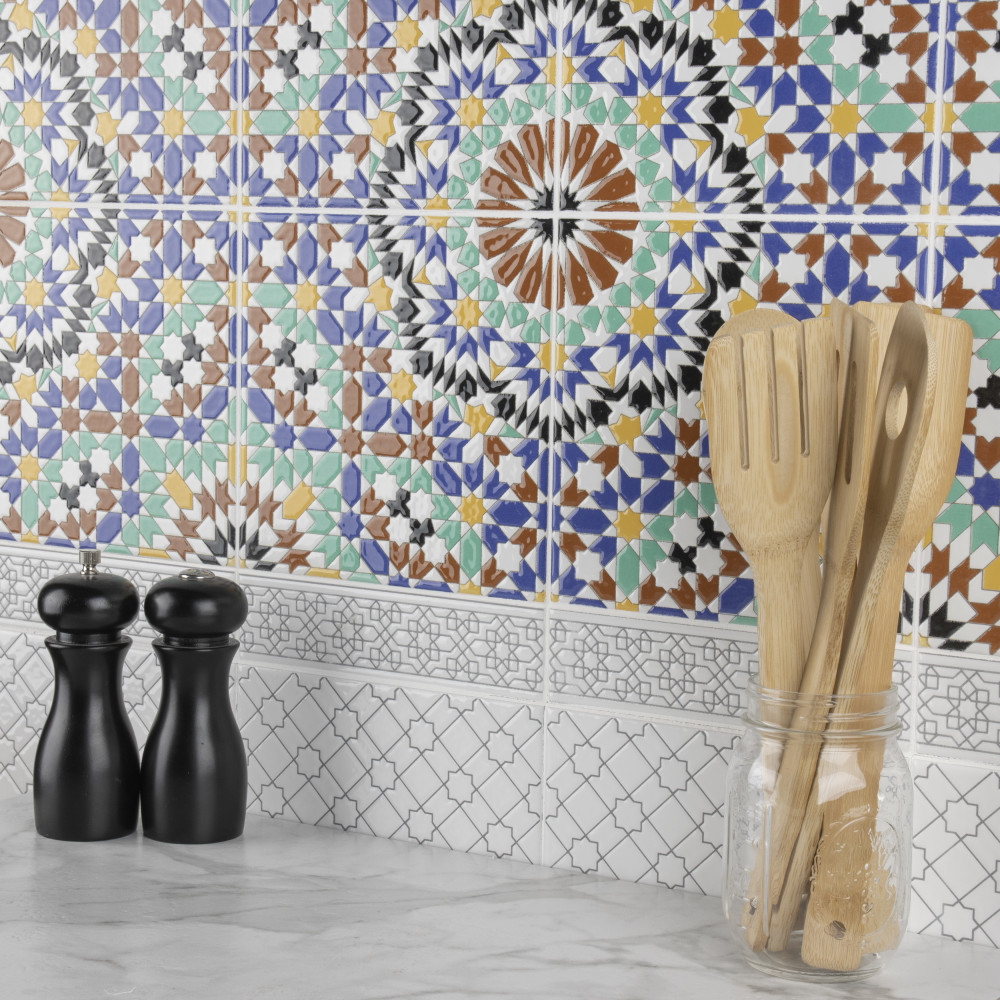
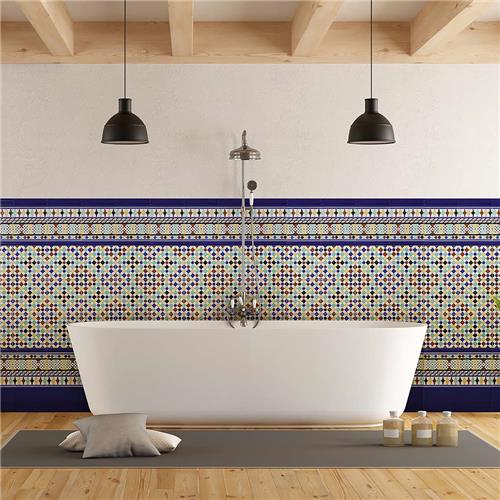
Today, Sevillano Giralda tiles continue to be incredibly popular, both in Spain and internationally. They are no longer confined to historic palaces and churches. You'll find them adorning the floors of charming cafes, the walls of modern bathrooms, kitchen backsplashes, and beautiful outdoor patios. Their versatility is remarkable. They can evoke a strong sense of historic Andalusia, or they can be used in contemporary settings to add a splash of color and pattern. Designers and homeowners appreciate their durability, their ease of maintenance, and, of course, their timeless aesthetic. Whether you're looking to create a traditional Spanish courtyard or a modern space with a unique cultural touch, Giralda tiles offer a way to infuse it with history and artistry. They are a reminder that beautiful design can transcend time and trends, connecting us to the rich cultural tapestry of the past.
Caring for Your Giralda Tiles
To keep your Sevillano Giralda tiles looking their best, a little care goes a long way. For most glazed ceramic tiles, regular sweeping or vacuuming to remove grit and dust is sufficient. For cleaning, a damp mop with a mild, pH-neutral detergent is generally recommended. Avoid abrasive cleaners or harsh chemicals, as these can dull the glaze over time. If your tiles are in an area prone to moisture, like a bathroom or kitchen, ensure the grout is properly sealed to prevent water damage. For outdoor tiles, especially in regions with frost, ensure they are suitable for exterior use and consider protective measures during winter months if necessary. The key is gentle, consistent maintenance to preserve their vibrant appearance and structural integrity for years to come. It’s a small effort for a significant return in enduring beauty and historical connection.
Sevillano Giralda tiles are far more than just decorative elements; they are a living connection to a rich and complex history. From their intricate Moorish origins and the iconic silhouette of the Giralda tower to their adaptation and enduring popularity today, these tiles embody a unique fusion of art, culture, and craftsmanship. They bring warmth, character, and a touch of timeless Spanish elegance to any environment. Whether you're a history buff, an art enthusiast, or simply someone who appreciates beautiful design, exploring the story behind Sevillano Giralda tiles offers a delightful journey into the heart of Andalusian heritage. They truly are a testament to the enduring power of beautiful design.