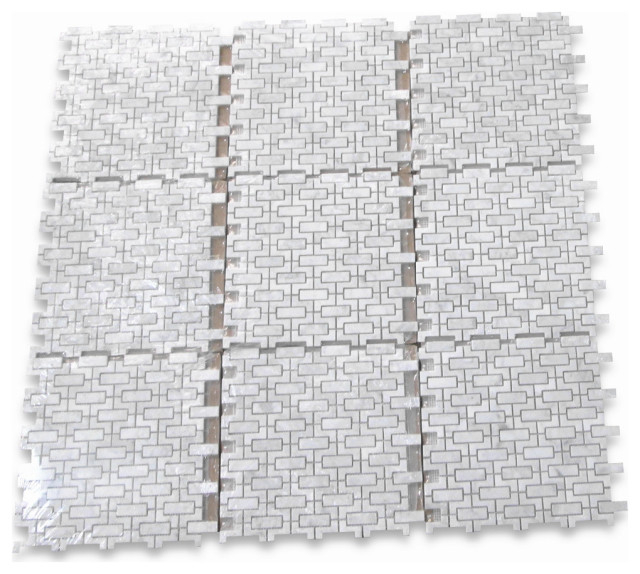
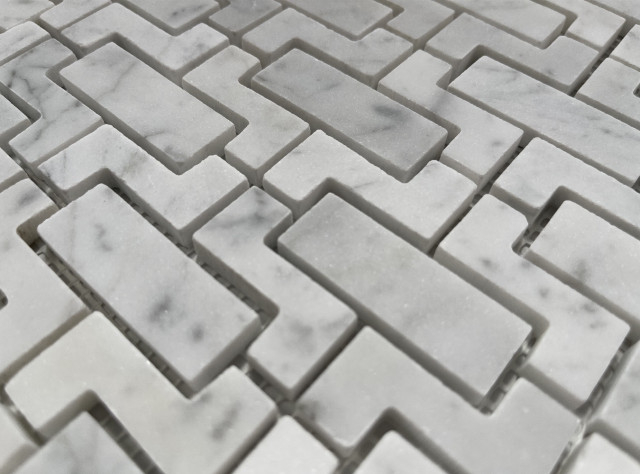
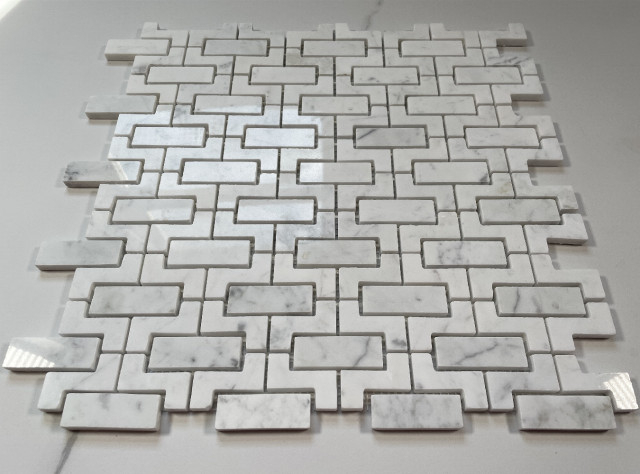
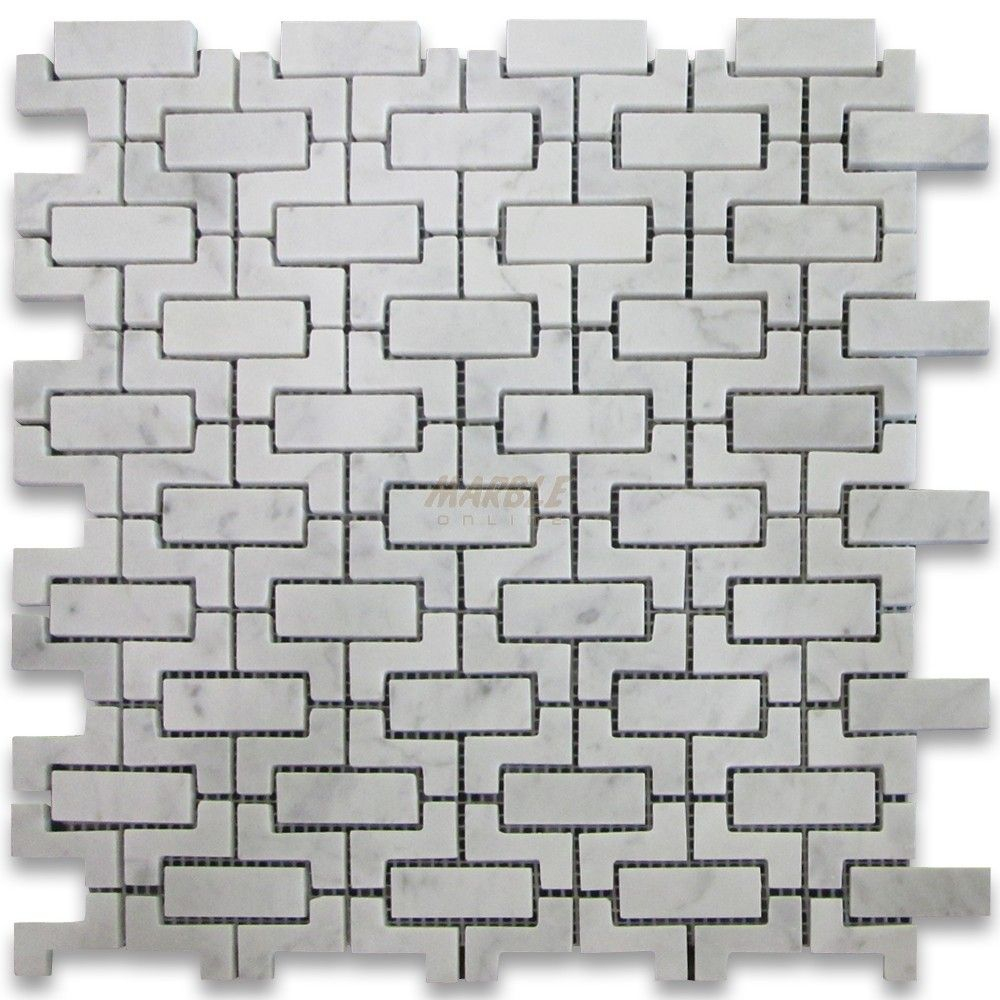
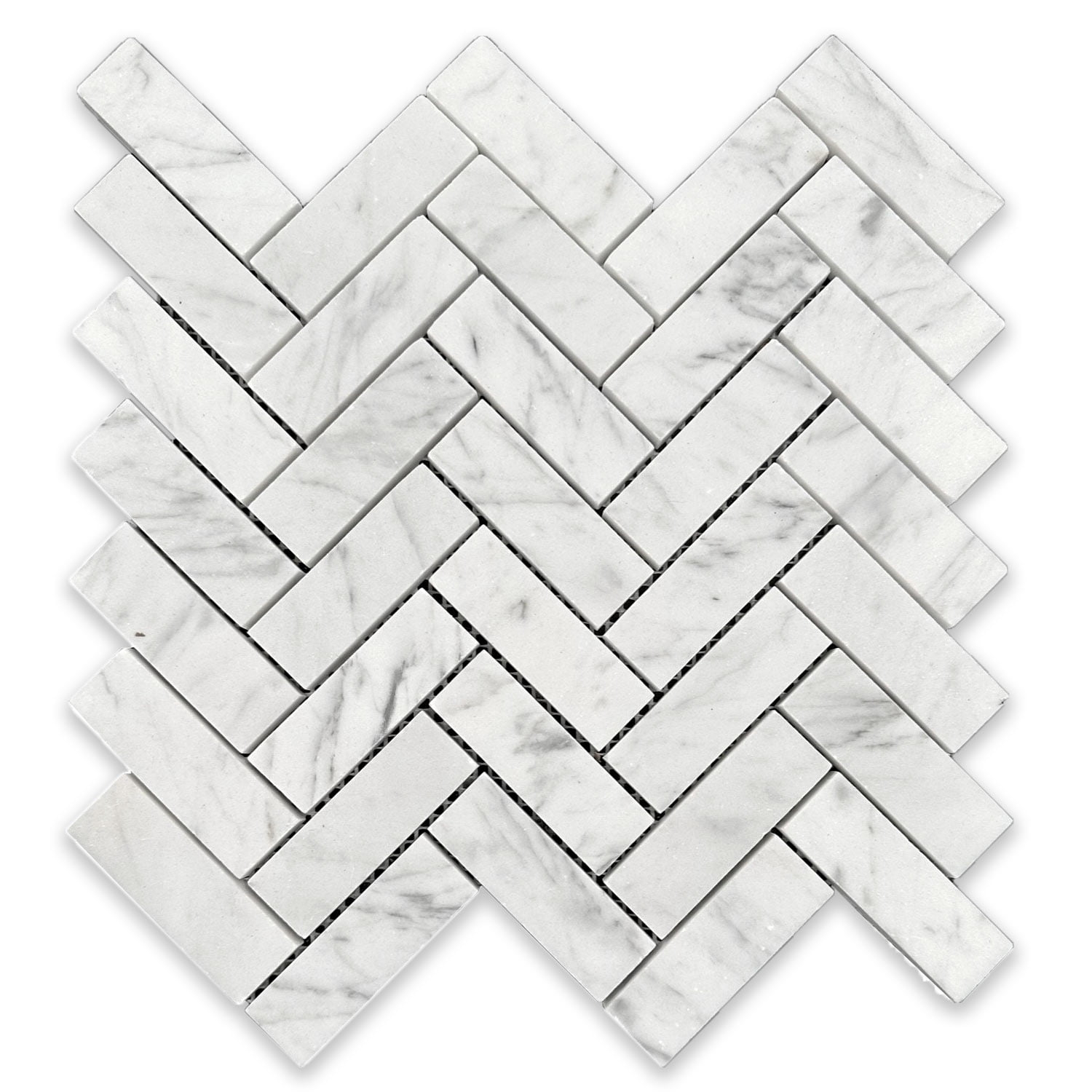
Carrara marble, renowned for its luminous beauty and unparalleled quality, has been a canvas for artistic expression for centuries. But beyond its visual splendor lies a fascinating world of sophisticated geometry, intricately woven into its fretwork designs. This isn't just about pretty patterns; it's about a deep understanding of form, proportion, and the very fabric of space. Let's delve into how this ancient art continues to captivate and inspire.
Have you ever looked at a beautifully carved piece of Carrara marble fretwork and wondered about the mind behind those precise lines and repeating motifs? It’s more than just skilled hands at work; it’s a language of geometry speaking through stone. For ages, artisans have employed mathematical principles, often intuitively, to create mesmerizing patterns that are both visually stunning and structurally sound. This exploration aims to demystify that process, showing you the cleverness and calculation embedded in these enduring artworks. It’s a journey into the heart of design, where art and science dance in perfect harmony.
The Foundation: Understanding Fretwork
So, what exactly is fretwork? In essence, it's a decorative interlacing of patterns, often featuring geometric shapes and continuous, repeating designs. Think of it as a continuous ribbon or band that weaves in and out of itself. The beauty of fretwork lies in its ability to create complex visuals from simple, repeated elements. In Carrara marble, this technique is elevated, with the stone’s natural veining sometimes even complementing the carved patterns. It's a challenging medium, requiring immense precision and patience. The goal is to achieve a delicate, lace-like appearance while maintaining the structural integrity of the marble. This balance between fragility and strength is a testament to the craftsman's skill and their understanding of the material.
The Geometric Language: Shapes and Symmetry
At the core of Carrara marble fretwork are fundamental geometric shapes: squares, circles, triangles, and polygons. These basic building blocks are then manipulated and repeated to form intricate, often symmetrical patterns. Symmetry, whether bilateral (mirror image) or radial (emanating from a central point), is key. It provides a sense of order and balance that is deeply pleasing to the eye. Consider the classic Greek fret, or meander, a continuous line that turns at right angles. Its simplicity is deceptive; its repetition creates a powerful visual rhythm. Artisans would use grids and proportional systems, sometimes based on ancient ratios like the golden ratio, to ensure their designs were not only beautiful but also harmonious. It’s like a visual equation, solved through carving.
The Art of Repetition and Recursion
What makes fretwork so captivating is its reliance on repetition and, sometimes, recursion – where a pattern repeats within itself. This creates a sense of depth and complexity. Imagine a square within a square, or a series of interlocking circles. These elements are not just placed randomly; they are carefully arranged to create a flowing, continuous visual narrative. The repetition guides the eye, leading it through the design in a deliberate way. This technique also has practical implications. By repeating a motif, the carver can develop a rhythm, making the process more efficient and less prone to error. It’s a way of building complexity from a manageable unit. Think of it as building a wall with identical bricks, but arranging them in a way that creates a stunning mosaic.
Proportion and Scale: The Master's Touch
Beyond the shapes and their arrangement, the true sophistication lies in proportion and scale. How large is each element? How do they relate to each other and to the overall piece? These are critical questions that a skilled artisan grapples with. A slight miscalculation in proportion can throw off the entire design. Many historical fretwork patterns are based on established systems of proportion, ensuring a pleasing aesthetic. For instance, the width of a band in a fret pattern might be directly related to the size of the motifs it encloses. Achieving the right scale is also crucial. Fretwork intended for a grand facade will have different proportions than delicate detailing on a smaller piece. It’s about understanding how the design will be perceived from different distances and in different contexts. This is where the intuitive understanding of geometry truly shines.
Historical Context and Cultural Significance
Carrara marble fretwork isn't just an aesthetic choice; it's often steeped in history and cultural meaning. These patterns have adorned temples, palaces, and tombs for millennia, carrying symbolic weight. The continuous, unbroken nature of many fret designs, for example, can represent eternity or the cyclical nature of life. The specific motifs used might have religious or philosophical significance within a particular culture. From ancient Greek and Roman architecture to later Renaissance and Baroque periods, fretwork has been a recurring decorative element, adapting and evolving with each era. Understanding the historical context helps us appreciate the deeper layers of meaning embedded in these stone carvings. It’s a tangible link to the past, a story told in marble.
Modern Interpretations and Enduring Appeal
Today, Carrara marble fretwork continues to inspire designers and architects. While traditional patterns are still cherished, contemporary artists are also reinterpreting these geometric principles in new and exciting ways. We see fretwork integrated into modern furniture, lighting fixtures, and even digital art. The underlying geometric logic remains, but the application is fresh. The enduring appeal of these designs lies in their timeless quality. They possess a mathematical elegance that transcends trends. Whether you're looking at an ancient artifact or a modern creation, the sophisticated geometry of Carrara marble fretwork speaks a universal language of beauty, order, and human ingenuity. It’s a reminder that even in the most natural materials, we can find profound structures and intricate beauty.
So, the next time you encounter Carrara marble fretwork, take a closer look. You’re not just seeing a decorative element; you’re observing a masterful interplay of geometry, mathematics, and artistry. From the simple repetition of shapes to the complex calculations of proportion and scale, these stone carvings are a testament to human creativity and our innate fascination with pattern and order. They are a beautiful fusion of art and science, a language spoken in stone that continues to resonate through the ages. It’s a legacy of precision, beauty, and a deep understanding of the world’s underlying structure.