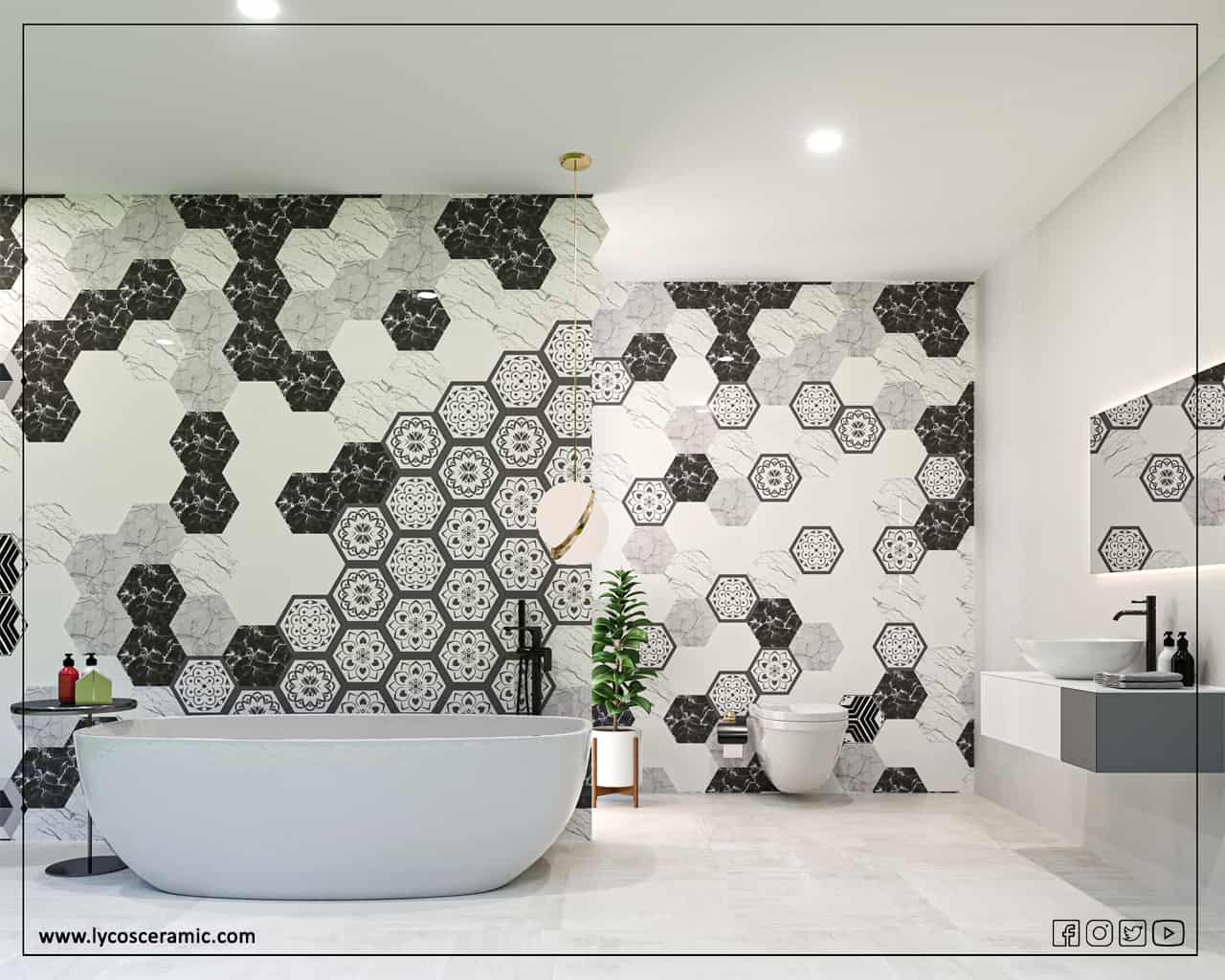
Ever walked into a room and felt an immediate connection to the floor, or the wall, because of its unique pattern? For many, that feeling comes alive with hexagonal tiles. They're everywhere, from ancient mosaics to sleek, modern kitchens. But have you ever stopped to ponder why these six-sided wonders have such enduring appeal? It's not just about looking good. There's a deeper story here, a narrative woven into the very fabric of their design, often reflecting something profound about us and where we come from.
When you choose a hexagon tile, are you just picking a shape, or are you, perhaps unknowingly, tapping into centuries of symbolism, mathematics, and even a bit of natural wonder? It's a question worth asking. These tiles aren't just decorative elements; they're echoes of the past, whispers of nature's perfect designs, and sometimes, even a reflection of our own desire for order, beauty, and connection. Let's peel back the layers and discover what your love for the humble hex might truly reveal about your roots.
Nature's Blueprint: The Efficiency and Beauty of the Hexagon
Think about it for a moment: where do we see hexagons in the natural world? Beehives, those incredible structures of efficiency and community, are a prime example. The cells are perfectly hexagonal, allowing for maximum storage with minimum material. Snowflakes, each one unique and intricate, often showcase stunning hexagonal symmetry. Even the giant's causeway, a natural rock formation, boasts magnificent hexagonal columns. This isn't a coincidence. Nature uses the hexagon because it's the strongest, most efficient shape for packing and distributing forces. So, when you choose a hex tile, you're embracing a shape that speaks to inherent strength, natural balance, and an almost primal understanding of optimal design. It's like you're subconsciously aligning with nature's own genius, bringing that organic wisdom into your living space. Perhaps you value practicality, resilience, and an understated elegance, just like the natural world does.
A Glimpse into History: From Ancient Floors to Art Deco Flair
Hexagonal patterns aren't some new fad; they've been around for ages. You can find them in ancient Roman mosaics, intricate Islamic geometric patterns, and even in the flooring of grand Victorian homes. Each era interpreted the hex in its own way. The Romans used them for sturdy, long-lasting floors, often in simple, earthy tones. Fast forward to the Victorian era, and hex tiles became popular for their durability and hygiene in busy entryways and bathrooms, frequently in classic black and white chessboard patterns. Then came the Art Deco period, and suddenly, hexagons were sleek, sophisticated, and often paired with bold colors and metallic accents, signifying a move towards modernity and glamour. Your preference for a particular style of hex tile—be it vintage mosaic or contemporary large-format—can actually hint at your appreciation for specific historical periods or design movements. Maybe you're a bit of an old soul, drawn to the enduring charm of the past, or perhaps you're someone who loves the clean lines and forward-thinking spirit of the early 20th century.
Symbolism and Meaning: Beyond Just a Shape
Shapes carry weight, don't they? The hexagon, with its six sides, is often associated with harmony, balance, and communication. In some spiritual traditions, the number six represents love and the union of opposites. Think of the Star of David, a hexagram (two overlapping triangles forming a six-pointed star), which is a powerful symbol of unity and divine connection. In alchemy, the hexagon can represent the perfect balance between fire and water, or earth and sky. Choosing a hexagonal tile might subtly reflect a desire for equilibrium in your life, a yearning for stability, or an innate appreciation for things that are well-ordered and complete. It's a shape that feels 'right,' often without us even knowing why. Perhaps you're someone who seeks peace and order in your surroundings, someone who values fairness and a well-rounded existence.
The Personal Touch: How Your Choices Reflect Your Journey
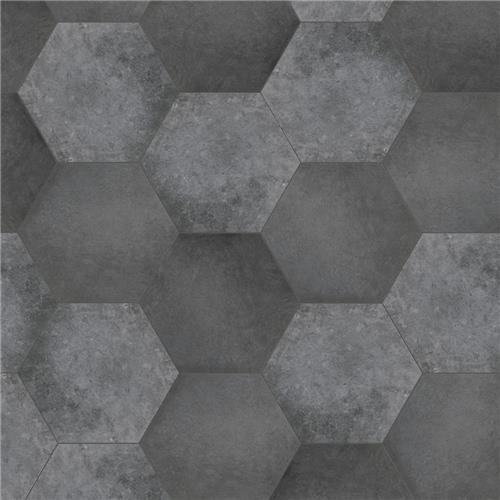
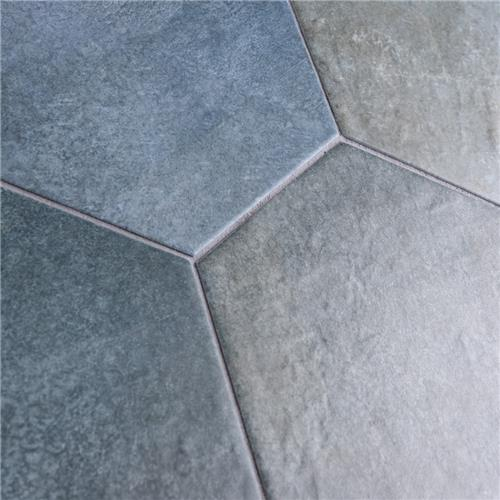
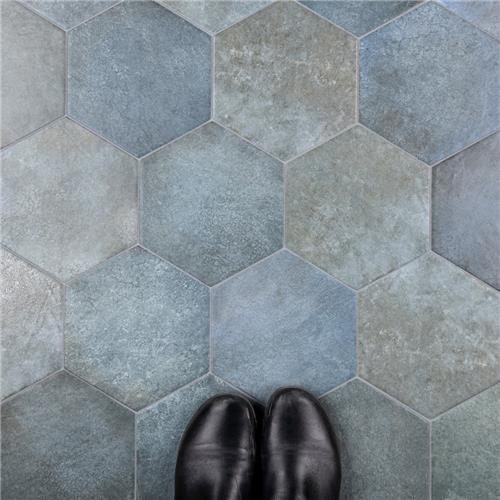
It's not just about historical context or natural efficiency; your choice of hex tile can be deeply personal. Are you drawn to small, intricate hexagons that create a delicate, almost woven look? This might suggest a meticulous nature, an appreciation for detail, and perhaps a love for classic, enduring aesthetics. Or do you prefer large-format hexagons, perhaps in a bold color or a raw, concrete-like finish? This could speak to a more contemporary sensibility, a desire for spaciousness, and a leaning towards modern, minimalist design. The color, the texture, the grout lines—every decision adds another layer to the story. A bright, playful hex might indicate a joyful, adventurous spirit, while a muted, earthy tone could suggest a calm, grounded personality. Your home is an extension of yourself, and the tiles you select are like little autobiographical notes, telling the world, or at least yourself, a bit about who you are and what you value.
The 'Why' Behind the 'What': Connecting With Your Space
Ultimately, understanding what your hex tile says about your roots isn't about rigid definitions. It's about a deeper connection to your environment. When you choose a design, you're not just filling a space; you're imbuing it with meaning. You're selecting something that resonates with you, whether that resonance comes from a subconscious appreciation for nature's perfect geometry, a historical design movement that speaks to your soul, or simply a personal feeling of comfort and beauty. The hex tile, in its unassuming way, becomes a tiny mirror reflecting your aesthetic sensibilities, your practical needs, and even your deeper values. It's a quiet testament to the fact that good design, truly good design, is never just skin deep. It's got layers, just like us. And sometimes, those layers tell a pretty compelling story.
Finding Your Hexagonal Harmony
So, the next time you see a hexagonal tile, whether in a coffee shop, a friend's bathroom, or a design magazine, take a moment. Don't just see a shape. See the history, the nature, the symbolism, and the personal story it could be telling. It's a simple shape, yes, but its enduring presence across cultures and centuries is a testament to its profound impact. And if you're thinking of adding hex tiles to your own space, remember: you're not just picking a pretty pattern. You're choosing a piece of history, a bit of nature's wisdom, and a very real reflection of your own unique journey. It's a choice that goes far beyond mere style; it's a connection to something much, much deeper.
From the quiet hum of a beehive to the bustling floors of a modern cafe, hexagonal tiles persist, not just as a trendy design choice, but as a testament to their inherent strength, beauty, and symbolic resonance. They are a bridge between the natural world and human ingenuity, a nod to history, and a canvas for personal expression. So, the next time you encounter a hex tile, take a moment to consider its story, and perhaps, the quiet whispers it carries about your own connection to its timeless appeal. It's a small shape, yet it holds a universe of meaning, waiting to be discovered.