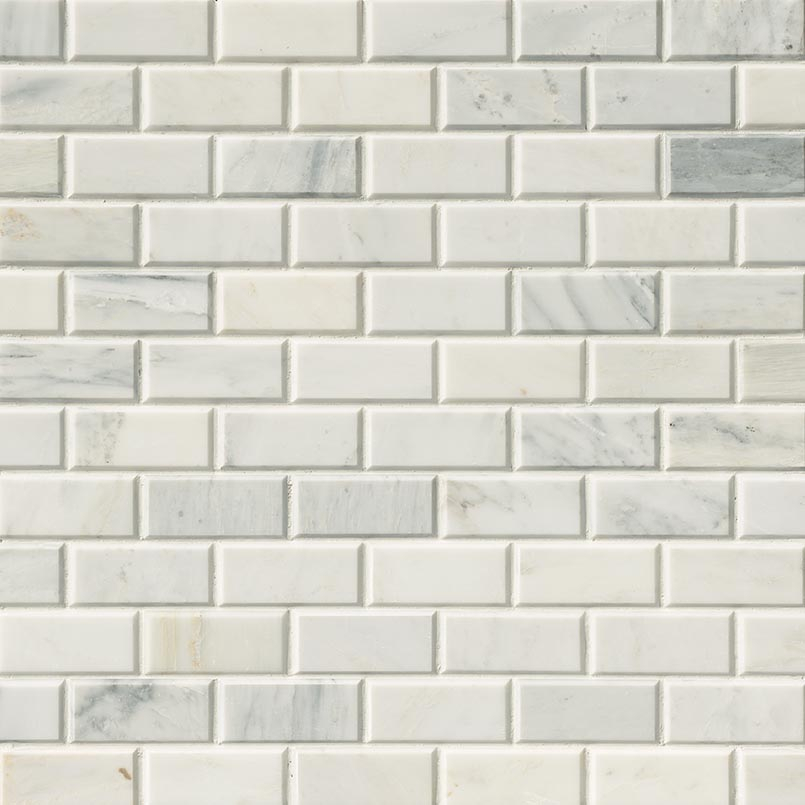
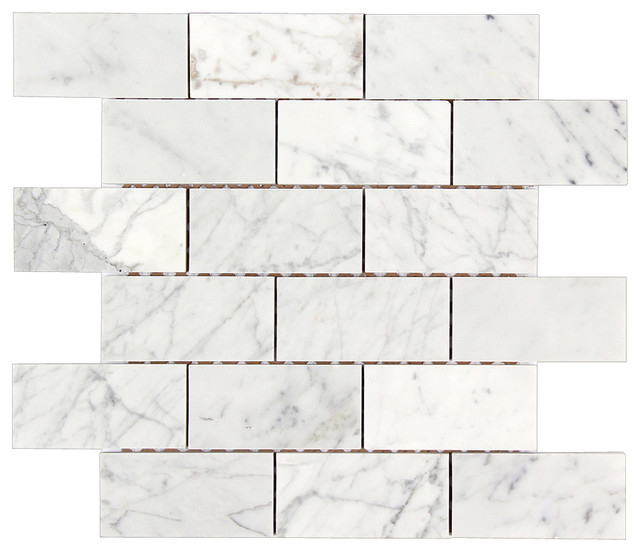
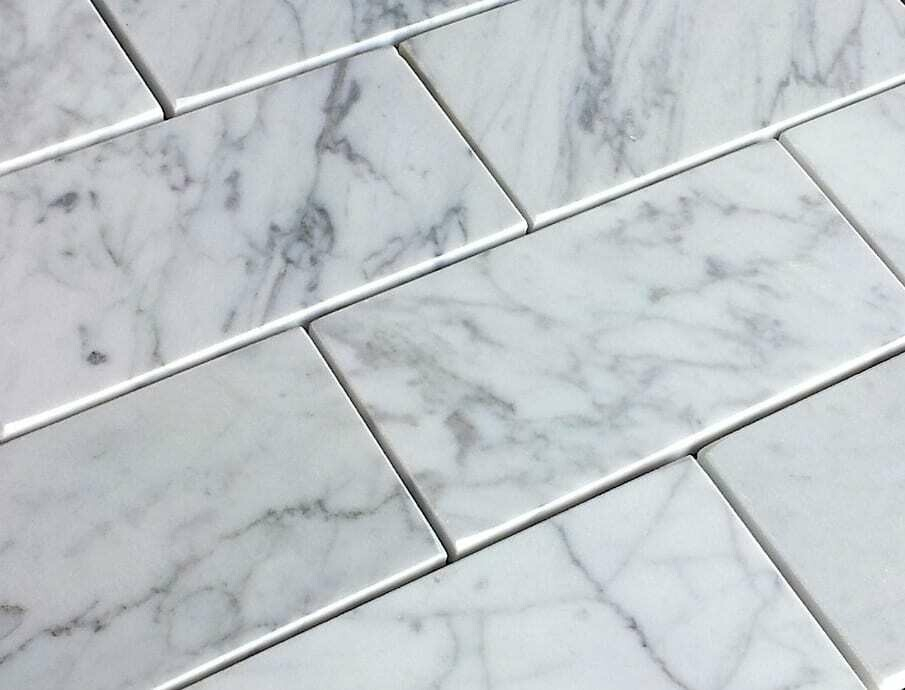
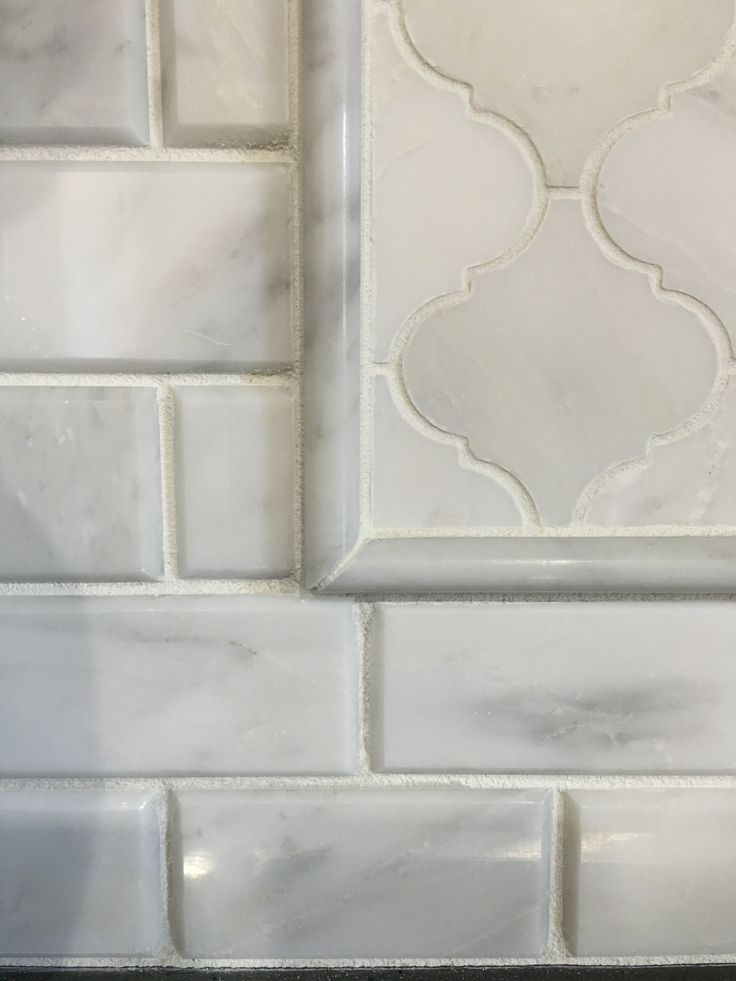
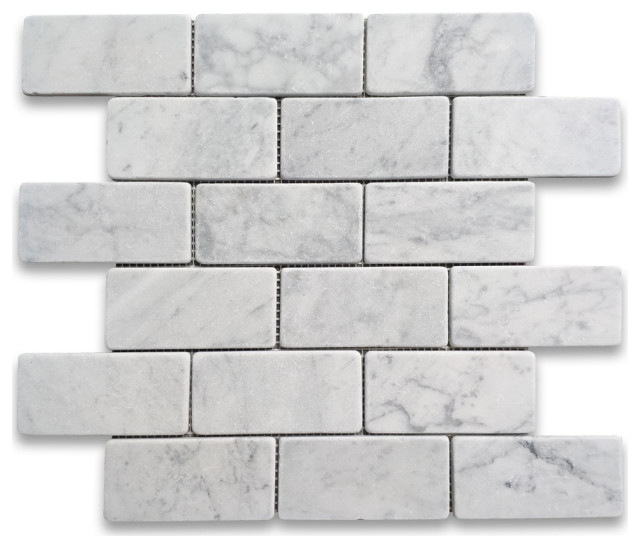
Have you ever paused to truly consider the story behind the beautiful surfaces in your home? Specifically, that pristine, subtly veined Carrara marble that often graces kitchens and bathrooms. It's more than just a stone; it's a piece of history, a work of nature, and a testament to human craftsmanship. Today, we're tracing the incredible journey of one of its most popular forms: the 2x4 subway tile. It's a small tile, yes, but it carries a grand tale, stretching from the ancient mountains of Italy right into your modern living spaces.
Carrara marble. The very name evokes images of classical sculptures, grand cathedrals, and luxurious interiors. But how does this magnificent material, hewn from deep within the Apuan Alps, transform into the humble, yet incredibly chic, 2x4 subway tile that so many of us adore for our kitchen backsplashes or bathroom walls? It's a process steeped in tradition, innovation, and a deep respect for the Earth's natural artistry. Let's peel back the layers and discover the fascinating steps that bring this iconic stone from quarry to kitchen.
The Genesis: Deep Within the Apuan Alps
Our journey begins, as all good stories do, at the source. The Apuan Alps, a mountain range in Tuscany, Italy, are home to the world-renowned Carrara quarries. For over two millennia, these mountains have yielded some of the finest marble known to humankind. Imagine enormous, rugged peaks, often shrouded in mist, where the sound of machinery echoes off ancient rock faces. This isn't just any quarrying; it's an intricate dance between powerful equipment and skilled laborers, carefully extracting massive blocks of marble without damaging their precious internal structure. It’s a delicate balance, requiring immense precision and a profound understanding of the stone itself. The goal is to obtain blocks as perfect as possible, minimizing fissures or impurities that could compromise the material's strength or aesthetic appeal down the line.
From Raw Block to Refined Slab: The First Transformation
Once extracted, these colossal blocks, often weighing many tons, are transported to processing facilities. Here, the real transformation begins. Giant diamond-tipped saws, sometimes operating continuously for days, meticulously slice these rough blocks into more manageable slabs. Think of it like slicing an enormous loaf of bread, but instead of crumbs, you're dealing with incredibly heavy, beautiful sheets of stone. The thickness of these initial slabs can vary, depending on their intended use, but for our 2x4 subway tiles, they're often cut to a standard thickness that will later be refined. This stage is crucial, as the quality of the cut and the consistency of the thickness will directly impact the final tile's appearance and ease of installation.
The Art of Honing and Polishing: Revealing the Beauty
After being cut into slabs, the marble undergoes a critical finishing process: honing or polishing. This is where the stone's inherent beauty truly shines through. Honing involves grinding the surface to a smooth, matte finish, which gives Carrara a softer, more understated elegance. Polishing, on the other hand, uses finer abrasives to create a high-gloss, reflective surface that accentuates the marble's natural veining and luminosity. For 2x4 subway tiles, both finishes are popular, each offering a distinct aesthetic. The choice often comes down to the desired feel of the space – a contemporary, crisp look versus a more classic, subdued vibe. This stage is where the stone's characteristic gray veins, swirling through a creamy white background, become vividly apparent, making each piece unique.
Precision Cutting: The Birth of the 2x4 Tile
Now comes the precise work of creating the actual 2x4 (or roughly 5x10 cm) tiles. The large, finished slabs are fed into specialized cutting machines equipped with incredibly accurate diamond blades. These machines cut the slabs into long strips, then cross-cut those strips into individual tiles. It's a high-volume process, but one that still demands meticulous calibration to ensure uniformity in size and shape. Any slight variation here can lead to issues during installation, so quality control is paramount. Imagine thousands upon thousands of these small rectangles being born, each one a fragment of the grand Carrara mountain, destined for a new life. This is where the magic of mass production meets the inherent artistry of natural stone.
Quality Control and Packaging: Ready for the World
Before they leave the factory, each Carrara 2x4 subway tile undergoes rigorous quality checks. Workers meticulously inspect them for chips, cracks, inconsistent sizing, or undesirable veining patterns. Tiles that don't meet the high standards are set aside. The acceptable tiles are then carefully sorted, often by shade or veining consistency, and then packaged. They're typically netted or boxed, protecting them during transit and making them easy for installers to handle. This final step is crucial for ensuring that when those beautiful tiles arrive at your local supplier or directly to your doorstep, they are perfect and ready to transform your space. It's a commitment to excellence that ensures the enduring legacy of Carrara marble.
From Warehouse to Your Home: The Final Destination
Finally, these meticulously crafted 2x4 subway tiles embark on their last leg of the journey. They travel across continents, by ship and by truck, to distributors, showrooms, and eventually, to your local tile store or directly to your project site. It's incredible to think that a piece of stone that was once part of an ancient mountain range in Italy can, within a matter of weeks or months, be carefully installed by a skilled artisan in your kitchen, becoming a stunning and durable backsplash. It becomes a backdrop for countless meals, conversations, and memories, a silent testament to its long and remarkable journey, connecting your modern life to millennia of geological and human history.
The 2x4 Carrara subway tile is far more than just a decorative element. It's a tangible link to ancient geological processes, centuries of quarrying tradition, and modern manufacturing precision. Each tile, with its unique veins and subtle variations, tells a story of its origins, its journey, and the hands that shaped it. When you choose Carrara, you're not just selecting a beautiful material; you're embracing a piece of history, an enduring symbol of elegance, and a sustainable choice that has stood the test of time. It's a small tile, yes, but its story is truly monumental, bringing the quiet grandeur of the Apuan Alps right into the heart of your home.