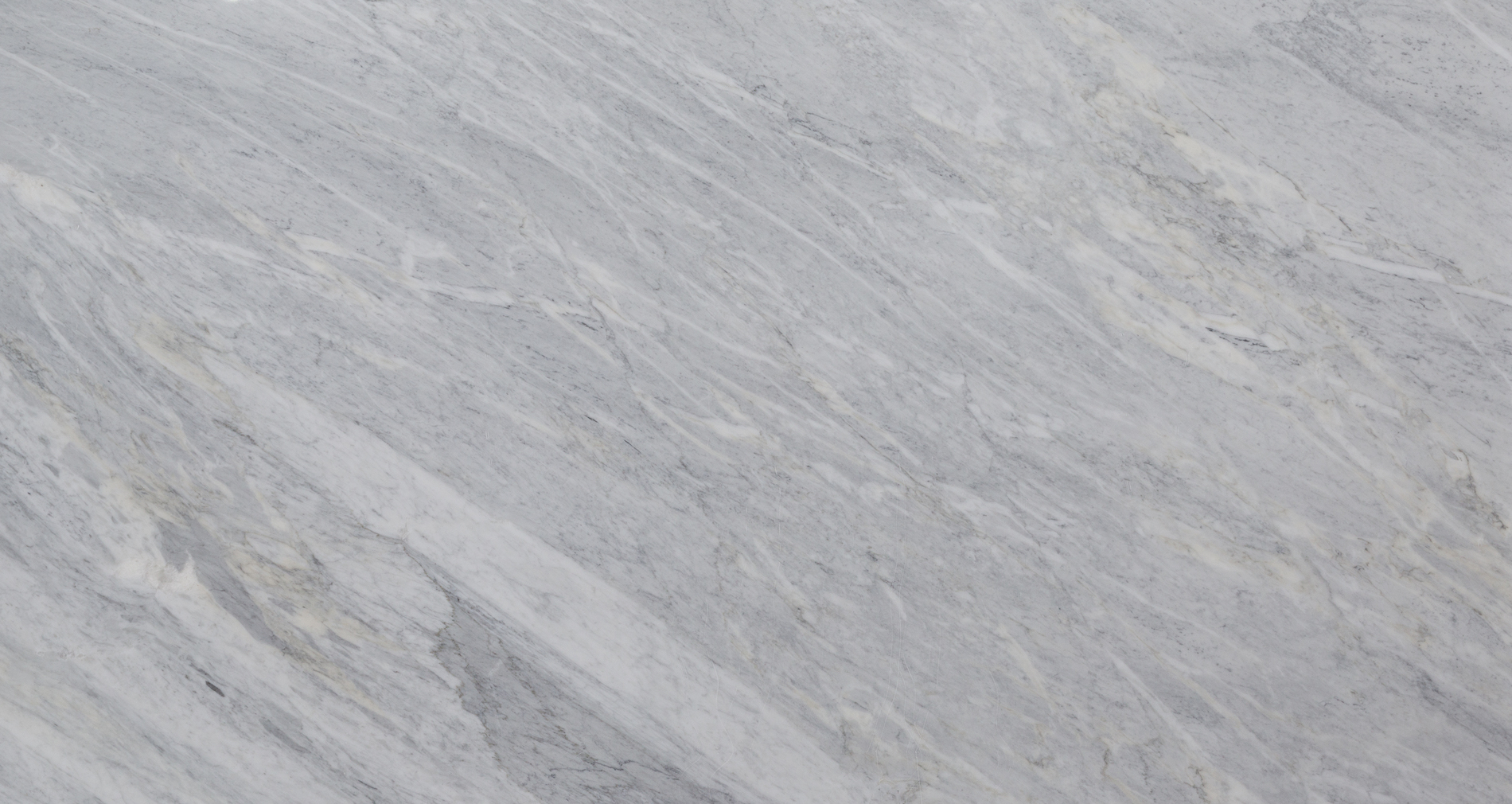
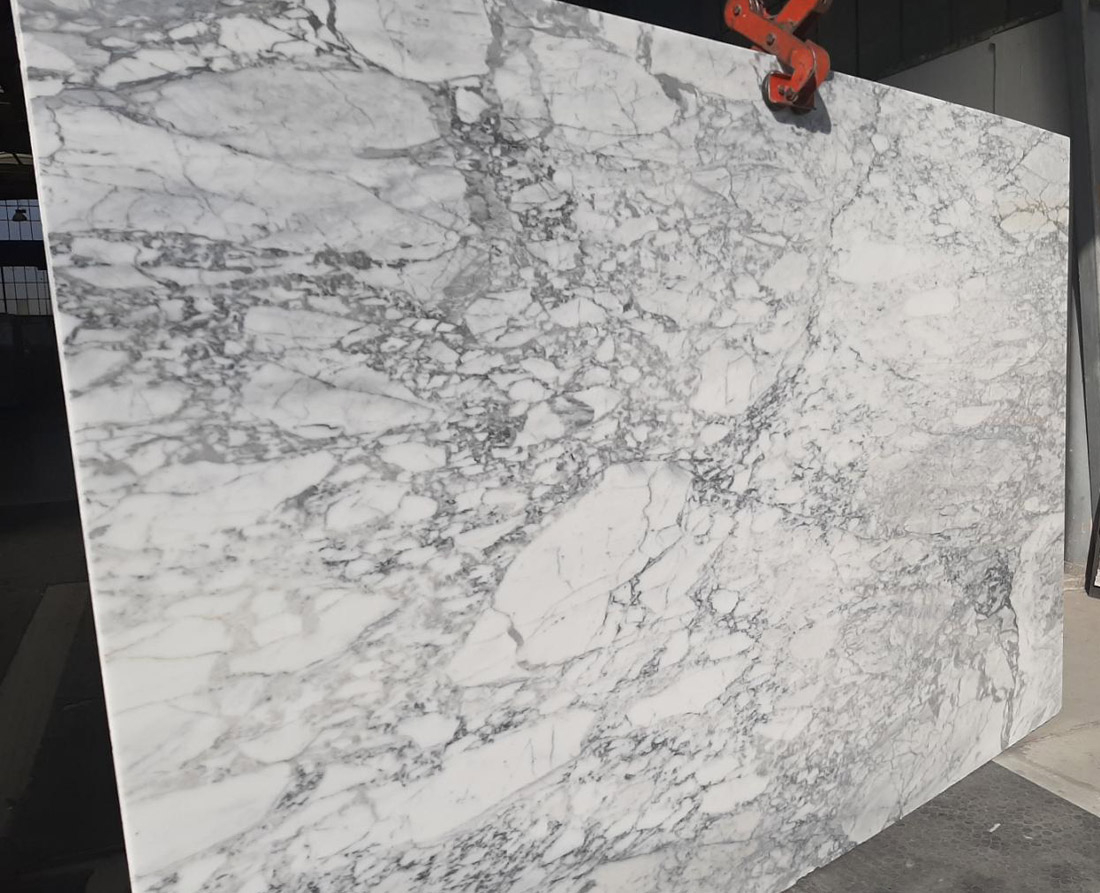
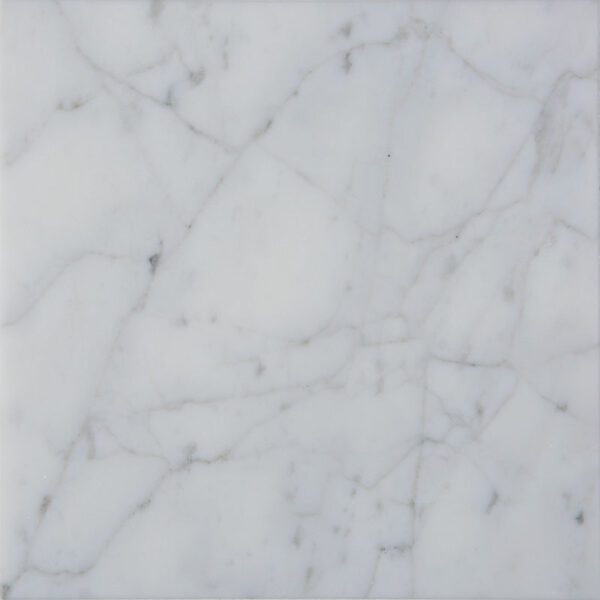
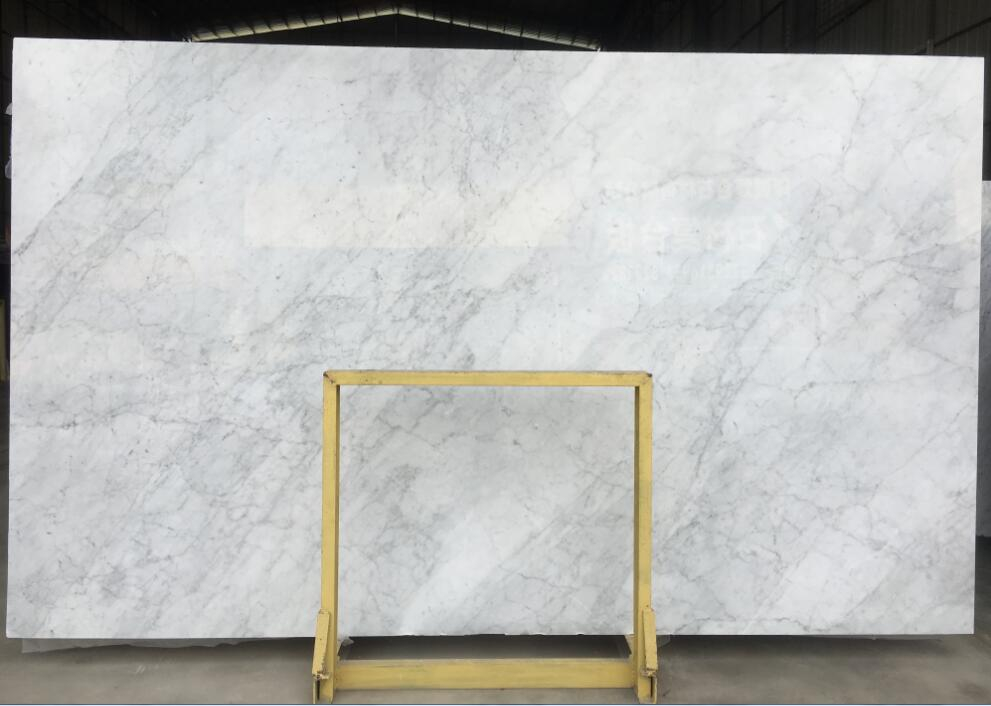
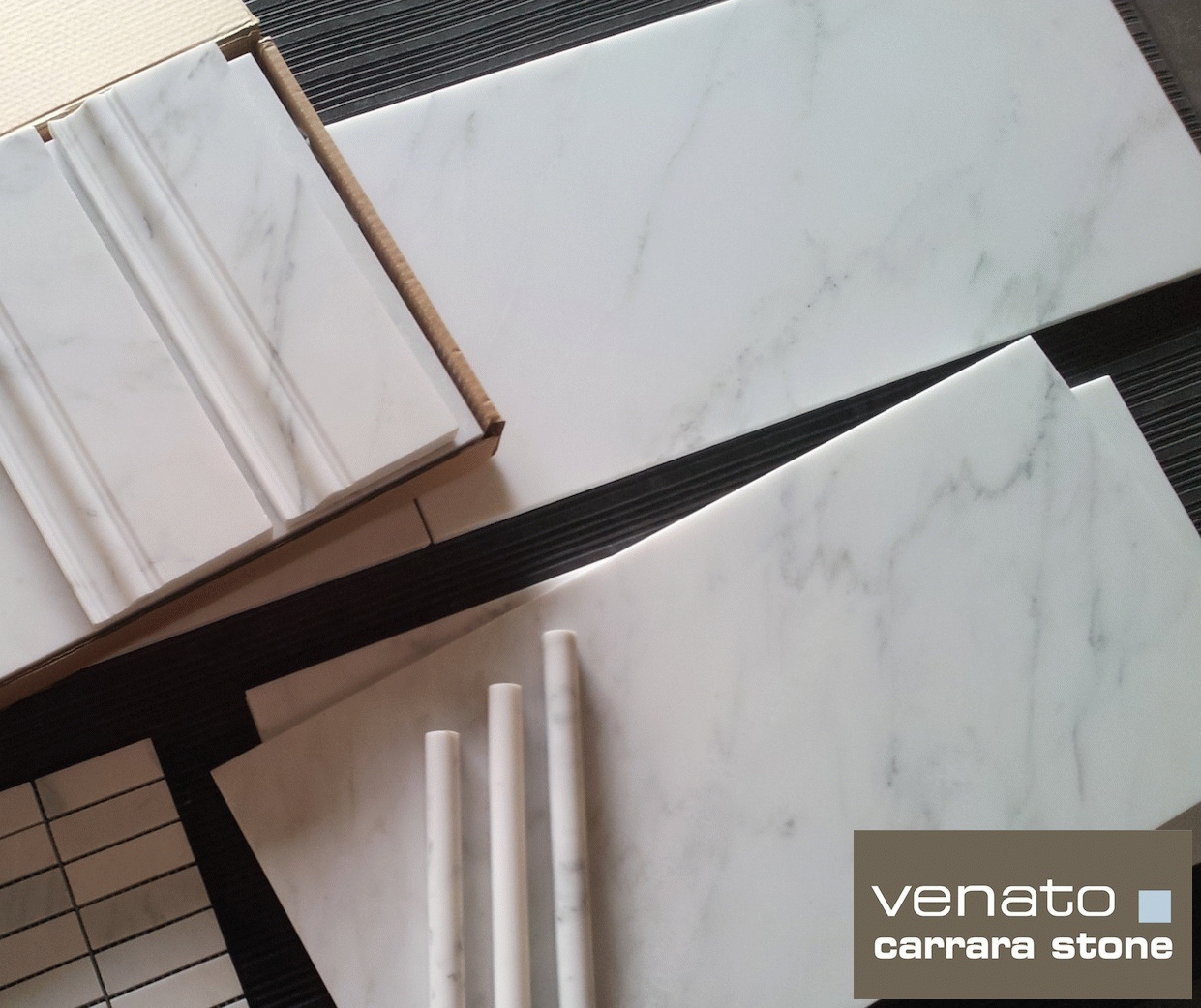
So, you're thinking about, or maybe you've already taken the leap, and brought some gorgeous honed Carrara Venato into your home. It's a choice that speaks volumes about taste, right? That soft, velvety finish, those subtle, feathery grey veins dancing across a creamy white background – it's truly a sight to behold. But let's be real, while it's undeniably stunning, living with natural stone, especially a honed marble like Carrara Venato, is a bit different than, say, a quartz slab or granite. It's not a set-it-and-forget-it kind of material, and that's perfectly okay! Understanding what to anticipate day in and day out will make all the difference in truly loving your choice.
There's a certain allure to natural stone, a story etched in every slab. Honed Carrara Venato, with its matte or low-sheen finish, offers a sophisticated and timeless look that many adore. Unlike its polished cousin, which has a glossy, reflective surface, honed marble has been buffed to a smooth, flat finish. This process gives it a softer, more organic feel, but it also changes how it behaves. We're talking about a living material here, one that will age and develop a unique patine over time. It's less about keeping it 'perfect' and more about cherishing its evolution. But what does that really mean for your kitchen or bathroom on a daily basis? Let's dive in and demystify the everyday realities.
The Daily Dance: Spills, Splatters, and Quick Wipes
Alright, first things first: spills. They happen. Coffee, red wine, lemon juice, olive oil – your kitchen is a battlefield of potential staining agents. With honed Carrara Venato, immediate action is your best friend. Because the surface is more porous than polished marble (the honing process opens up those tiny pores a bit more), liquids can seep in faster.
- Act Fast: Don't let spills sit. Grab a soft cloth or paper towel and blot, don't wipe, the spill immediately. Wiping can spread the liquid and push it further into the stone.
- Gentle Cleaners: For daily cleanups, a mild, pH-neutral stone cleaner is your go-to. Think gentle dish soap diluted with water, or a specialized marble cleaner. Avoid anything acidic like vinegar, lemon-based cleaners, or harsh abrasives. These can etch the surface, leaving dull spots that are really difficult to get rid of.
- Water Marks: Even plain water can leave a mark if it sits for too long, especially if it's hard water. A quick wipe-down after use, especially around sinks, is a good habit to get into. Think of it as a little daily ritual to keep your surfaces looking their best.
Etching vs. Staining: Knowing the Difference
This is where many people get a bit confused, and it's a super important distinction with marble.
- Etching: This is caused by acids reacting with the calcium carbonate in the marble, literally eating away at the surface. It looks like a dull spot or a lighter ring where the acid has removed the honed finish. Think of a splash of orange juice or a drop of tomato sauce. Etches aren't stains; they can't be cleaned away. They're a change in the stone's surface.
- Staining: This is when a colored liquid penetrates the stone's pores and leaves a discoloration. Think of a red wine spill that's been left to dry. Stains can often be removed or lightened with poultices or specialized stain removers.
With honed marble, etches are often less noticeable than on polished marble because the overall finish is already matte. But they are still there, a testament to the stone's natural reactions. Some folks embrace these as part of the material's 'story' or patine. Others find them maddening. Knowing this upfront helps manage expectations. You can try to avoid them, but they are almost inevitable with daily use.
The Patina Journey: Embracing Imperfection
One of the most beautiful, and sometimes challenging, aspects of living with honed Carrara Venato is its tendency to develop a patine over time. What exactly is a patine? It's that subtle sheen, those slight dull spots, and the overall softening of the surface that comes from daily use, minor etches, and exposure to oils from hands or cooking. It's the stone's story unfolding right before your eyes.
For some, this natural aging is part of the charm, giving the stone a lived-in, antique feel. It's what makes natural stone so unique – no two pieces, and no two homes, will have the exact same patine. For others, the idea of their pristine countertops changing over time can be a source of anxiety. It really boils down to your personal philosophy on perfection and natural materials. If you're someone who needs everything to look brand new forever, honed marble might test your patience. If you appreciate character and the beauty of natural wear, you'll likely adore its evolution.
Sealing: Your First Line of Defense, Not a Magic Shield
Before your Carrara Venato is even installed, and then regularly thereafter, it needs to be sealed. Sealing doesn't make the stone impervious to stains or etching, but it does buy you crucial time. It creates a barrier that slows down the absorption of liquids, giving you a chance to clean up spills before they penetrate too deeply.
- Initial Sealing: Your fabricator or installer should apply a quality impregnating sealer. This type of sealer penetrates the stone, rather than sitting on top, and helps repel water and oil.
- Regular Re-sealing: How often you need to re-seal depends on how much traffic the surface gets and the type of sealer used. A good rule of thumb is every 1-3 years, but you can test your sealer by putting a few drops of water on the surface. If the water beads up, your sealer is likely still doing its job. If it starts to soak in, it's time to re-seal. It's a pretty straightforward DIY task, but make sure to use a sealer specifically designed for natural stone.
Protecting Your Investment: Practical Tips for Daily Life
Beyond the cleaning and sealing, there are some simple habits that will go a long way in preserving the beauty of your honed Carrara Venato.
- Use Coasters and Trivets: This seems obvious, but it's worth repeating. Hot pots and pans, cold glasses, and anything with a rough bottom can cause damage. Trivets protect from heat and scratches, and coasters prevent those dreaded water rings.
- Cutting Boards are a Must: Never, ever cut directly on your marble. Not only will you scratch the stone, but you'll also dull your knives. Always use a cutting board.
- Wipe Up Immediately: We've said it before, but it's the most important rule. Don't let anything sit for long, especially acidic foods or dark liquids.
- Consider Usage Areas: If you have a busy kitchen with lots of cooking and entertaining, you might find yourself doing more frequent cleanups. A marble island that sees less action might require less fuss. Think about how you use your space and plan accordingly.
- Educate the Household: Make sure everyone who uses the space understands the basics of caring for the marble. A quick chat with kids or guests can prevent a lot of headaches.
The Undeniable Beauty: Is It Worth It?
After all this talk of spills and etches, you might be wondering, 'Is it even worth it?' And for many, the answer is a resounding yes! The visual appeal of honed Carrara Venato is simply unmatched by engineered materials. That soft, muted elegance, the unique veining, the cool touch of natural stone – it brings a level of sophistication and timeless beauty that's hard to replicate.
It's a personal choice, of course. If you're looking for a completely maintenance-free surface that will look exactly the same decades from now, then perhaps marble isn't your best bet. But if you appreciate natural materials, understand that they evolve, and are willing to put in a little bit of care, then living with honed Carrara Venato can be an incredibly rewarding experience. It's about embracing its character, its quirks, and the story it tells as it ages gracefully alongside you and your home. It's a commitment, sure, but one that pays off in enduring charm and genuine beauty.
So, there you have it. Living with honed Carrara Venato isn't about constant worry, but rather a mindful approach to daily life. It's about understanding its nature, respecting its sensitivities, and appreciating its unique beauty. You'll learn to act quickly with spills, embrace the occasional etch as part of its story, and enjoy the way it develops a soft, inviting patine over the years. It's a natural material, and like all natural things, it has a life of its own. By giving it a little care and attention, you're not just maintaining a countertop; you're nurturing a piece of Earth's artistry that will continue to bring elegance and character to your home for a long, long time. And isn't that just wonderful?