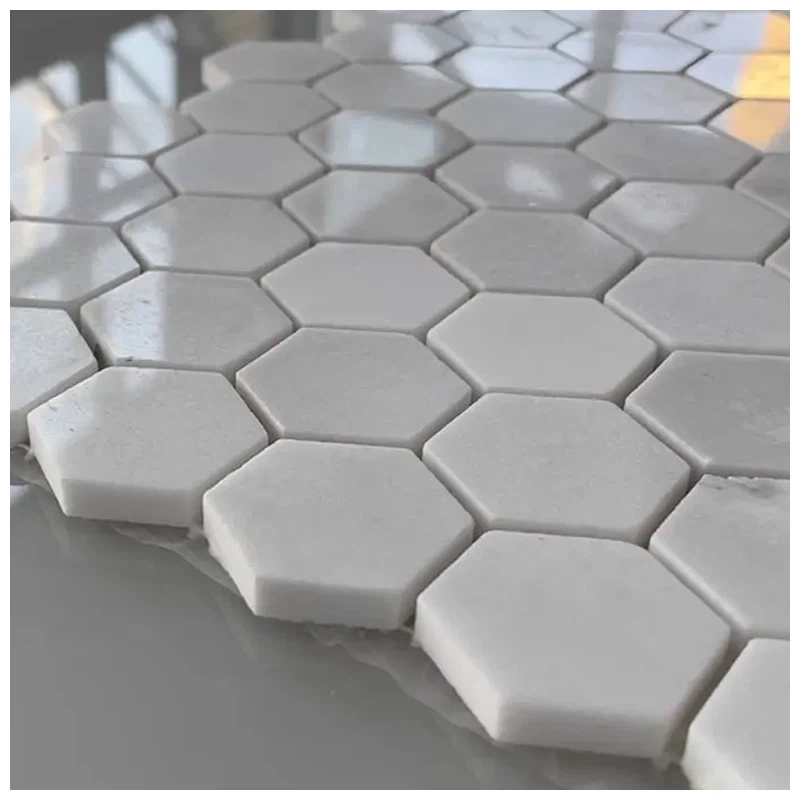
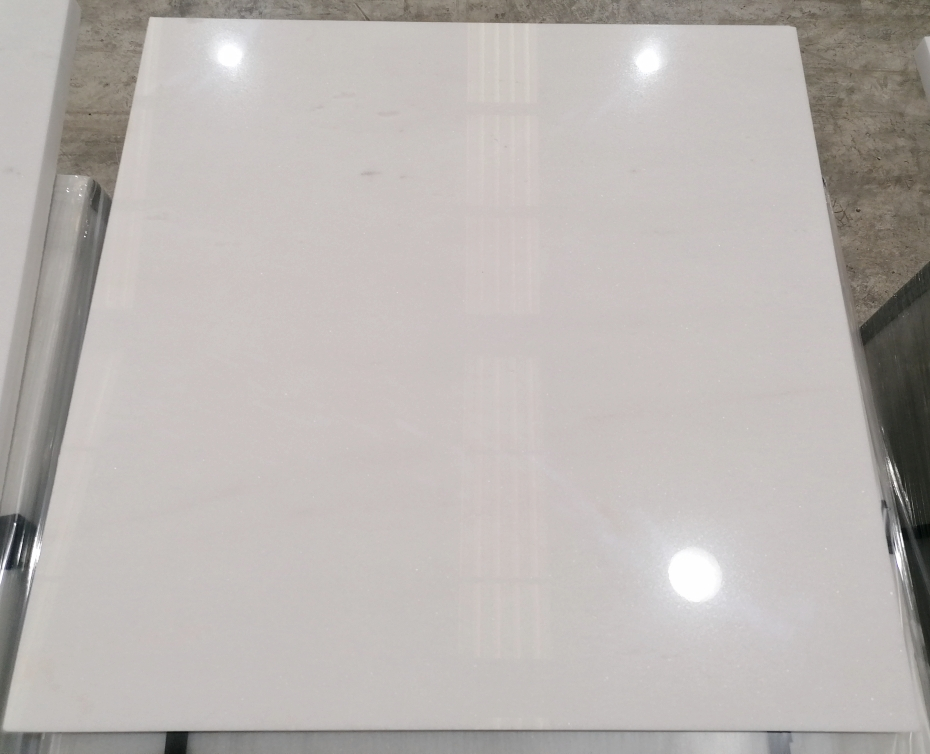
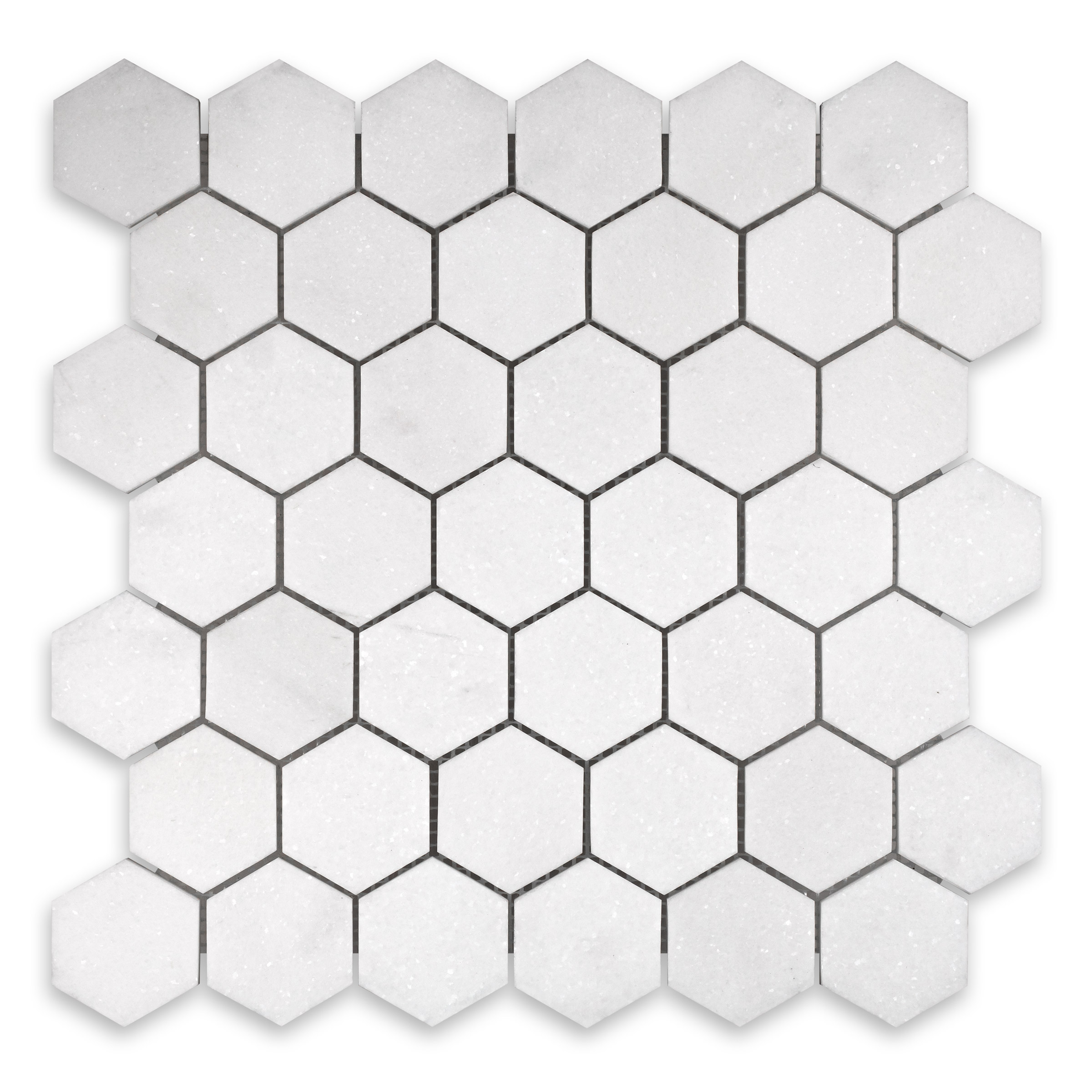
For years, I've had the distinct pleasure, and sometimes the challenge, of working with some of the world's most exquisite natural stones. Among them, the Thassos White Hexagon marble holds a special place. Its luminous, almost ethereal white, coupled with the elegant hexagon shape, creates a visual symphony that transforms any space. But like all things of true beauty, it demands respect and a certain understanding to maintain its pristine condition. This isn't just about cleaning; it's about nurturing, preserving, and even celebrating this remarkable material. Let's delve into the nuances of keeping your Thassos white hexagons looking as breathtaking as the day they were installed.
Before we dive into the 'how-to,' it's crucial to grasp the 'what.' Thassos marble, quarried from the Greek island of Thassos, is renowned for its exceptional purity and brilliant white color. It's a metamorphic rock, meaning it started as one type of rock and changed into another due to extreme heat and pressure. This process gives it its unique density and crystalline structure. When it's cut into those charming hexagon shapes and then polished to a high sheen, the surface becomes a mirror, reflecting light beautifully. However, this very polish, while stunning, also highlights any imperfections or issues if not cared for properly. Think of it like a perfectly clear pane of glass – every smudge shows. So, understanding its inherent characteristics is the first step to becoming a true custodian of its brilliance. It's a bit like learning the personality of a prized possession before you try to fix it.
The Daily Ritual: Gentle Cleaning for Lasting Luster
Daily care is the bedrock of marble maintenance. It's not about harsh chemicals or aggressive scrubbing, but rather a consistent, gentle approach. For your polished Thassos white hexagons, think 'less is more.'
Firstly, dust and grit are your enemies. These tiny particles, when walked over, can act like sandpaper, slowly dulling that beautiful polish. A soft, dry microfiber mop or cloth is your best friend for daily dusting.
For spills or light cleaning, a pH-neutral cleaner is absolutely essential. Many household cleaners are acidic or alkaline, and these will etch and damage the marble's surface over time. I've seen countless instances where a well-meaning homeowner used a common bathroom cleaner, only to discover dull spots later. Look for cleaners specifically formulated for natural stone, or simply use warm water and a tiny bit of mild, undyed dish soap. A little goes a long way. After cleaning, always rinse thoroughly with clean water and dry the surface immediately with a soft cloth to prevent water spots, which can also be a nuisance on such a pure white stone. Remember, it's about consistent care, not heroic, infrequent efforts.
Dealing with the Unavoidable: Spills and Stains
Let's be realistic: life happens. Spills are inevitable. The key with polished Thassos is speed. Marble is porous, even when polished, and liquids can penetrate and cause stains.
Act Fast: The moment something spills – whether it's red wine, coffee, or a splash of olive oil – blot it up immediately with a clean, soft cloth. Don't wipe or spread it. Just blot.
Identify the Stain Type: This is crucial. Different stains require different treatments.
- Organic Stains (coffee, tea, food): These often respond well to a poultice made with hydrogen peroxide and a bit of flour or baking soda to create a paste. Apply it, cover with plastic wrap, and let it sit for hours, or even overnight. The poultice draws the stain out.
- Oil-Based Stains (cooking oil, grease): Here, a poultice with mineral spirits or acetone and an absorbent material (like cornstarch or talc) works better.
- Etching (acidic liquids like lemon juice, vinegar, soft drinks): This isn't a stain but a chemical reaction that dulls the polish. For minor etching, sometimes a marble polishing compound can help restore the sheen, but for severe etching, professional re-polishing might be needed. This is why immediate blotting is so vital. It's a learning curve, but one that saves a lot of headaches and potential cost.
The Crucial Barrier: Sealing Your Thassos Marble
Sealing is not an option; it's a necessity for polished Thassos White Hexagon marble. While no sealant makes marble completely impervious, it significantly reduces its absorbency, giving you precious time to clean up spills before they become permanent stains.
How often should you seal? It depends on traffic and use. In a low-traffic area, once every 1-3 years might suffice. In a busy kitchen or bathroom, you might need to reseal annually. A simple water droplet test can tell you if it's time: if water beads up on the surface, your sealant is still doing its job. If it starts to soak in, it's time for a fresh application.
Use a high-quality, impregnating sealer designed for natural stone. These don't sit on the surface but penetrate the stone's pores, creating an invisible barrier. Follow the manufacturer's instructions meticulously. It's a straightforward process, but rushing it or using the wrong product can have unintended consequences. And please, avoid topical sealers that can leave a film and make the surface slippery or dull over time. We're aiming for protection without compromising that beautiful natural look.
Preventative Measures: A Smart Approach to Longevity
An ounce of prevention is worth a pound of cure, especially with marble. This material, while durable in many ways, benefits immensely from thoughtful daily habits.
- Coasters and Trivets: This seems so simple, but it's incredibly effective. Always use coasters under drinks, especially those with citrus or alcohol, and trivets under hot pans or dishes. Heat can also damage the marble's surface and sealant.
- Door Mats and Rugs: For floors, place mats at entrances to trap dirt and grit before it's tracked onto your marble hexagons. In high-traffic areas, consider stylish rugs to protect the most vulnerable spots.
- Avoid Harsh Chemicals: I can't stress this enough. Bleach, ammonia-based cleaners, abrasive powders, and acidic cleaners (like vinegar or lemon juice) are absolute no-nos. They will etch and permanently damage the polish. Always check the labels of any cleaning product before it touches your marble.
- Protect from Scratches: Don't drag heavy furniture or rough objects across marble floors. Use felt pads under furniture legs. Even small, seemingly innocuous items can cause tiny scratches that accumulate over time.
These small habits make a monumental difference in the long-term appearance and integrity of your Thassos marble. It's about being mindful and respectful of the material.
When to Call a Professional: Knowing Your Limits
While daily care and preventative measures go a long way, there are times when professional intervention is not just helpful, but necessary. Don't be afraid to admit when a job is beyond your scope.
- Deep Stains: If a stain has set in and your poultice efforts aren't yielding results, a professional stone restorer has access to more potent chemicals and techniques that can often remove even stubborn blemishes. They understand the chemistry involved and can treat the stain without damaging the surrounding stone.
- Severe Etching or Dullness: If large areas of your polished Thassos have lost their sheen due to etching or general wear, a professional can re-hone or re-polish the surface. This involves grinding down a very thin layer of the stone and then polishing it back to its original luster. It's a skilled process that requires specialized equipment and expertise.
- Chips or Cracks: While Thassos is dense, it's not indestructible. If a piece chips or cracks, a professional can often repair it seamlessly using epoxy resins and color-matching techniques.
Think of it like visiting a doctor for a serious ailment. You wouldn't try to perform surgery on yourself, would you? Similarly, for complex marble issues, trusting an experienced professional is the wisest course of action. They can breathe new life into your beloved marble surfaces.
Polished Thassos White Hexagon marble is more than just a surface; it's an investment in beauty, a statement of elegance, and a testament to the Earth's artistry. Its pristine white and luminous polish can truly elevate any space, making it feel brighter and more expansive. However, this enduring beauty is not maintenance-free. It calls for a commitment, a gentle hand, and a bit of knowledge. By understanding its unique characteristics, adopting consistent cleaning habits, being proactive with spills, diligent with sealing, and knowing when to seek professional help, you're not just 'maintaining' your marble; you're actively preserving its legacy. This isn't a chore; it's a privilege. And with the right care, your Thassos white hexagons will continue to dazzle, reflect, and inspire for generations to come, a truly timeless masterpiece in your home.