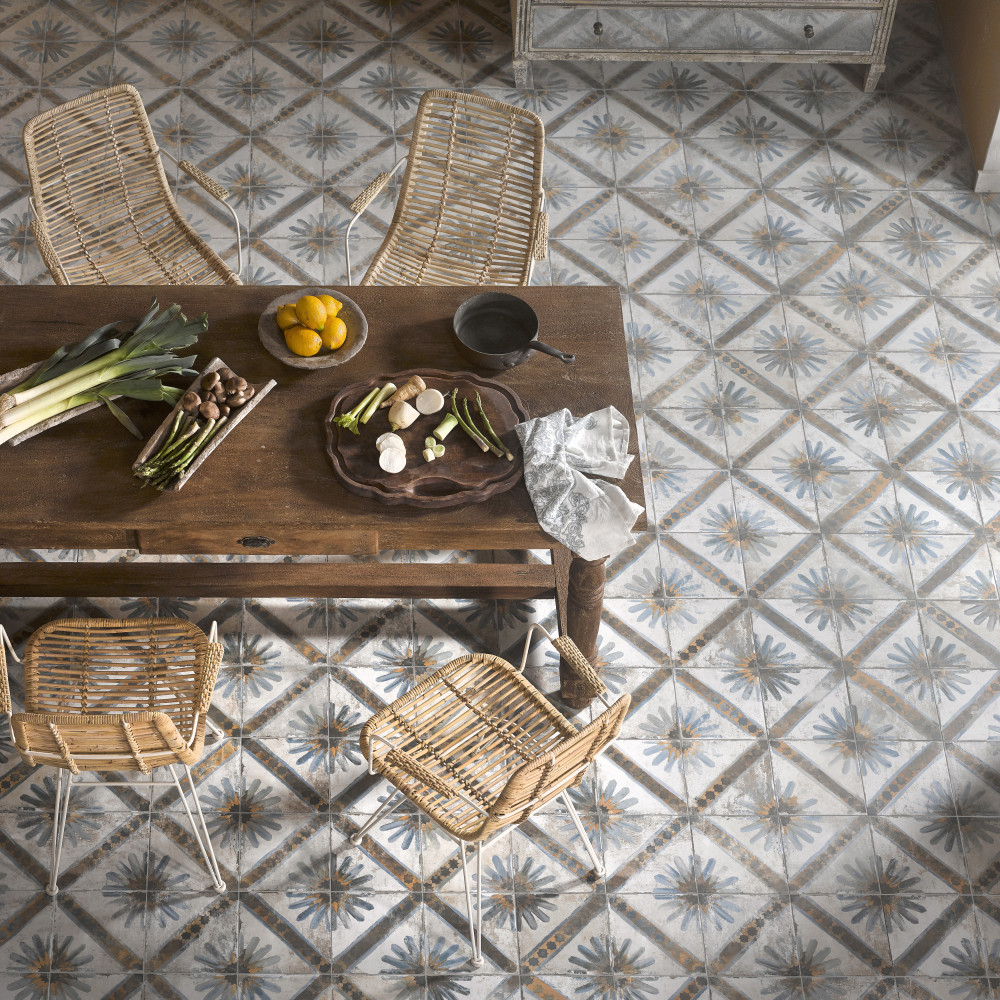
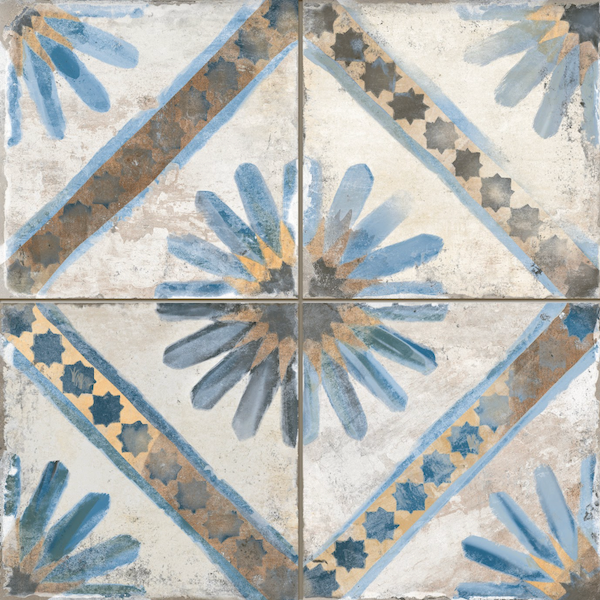
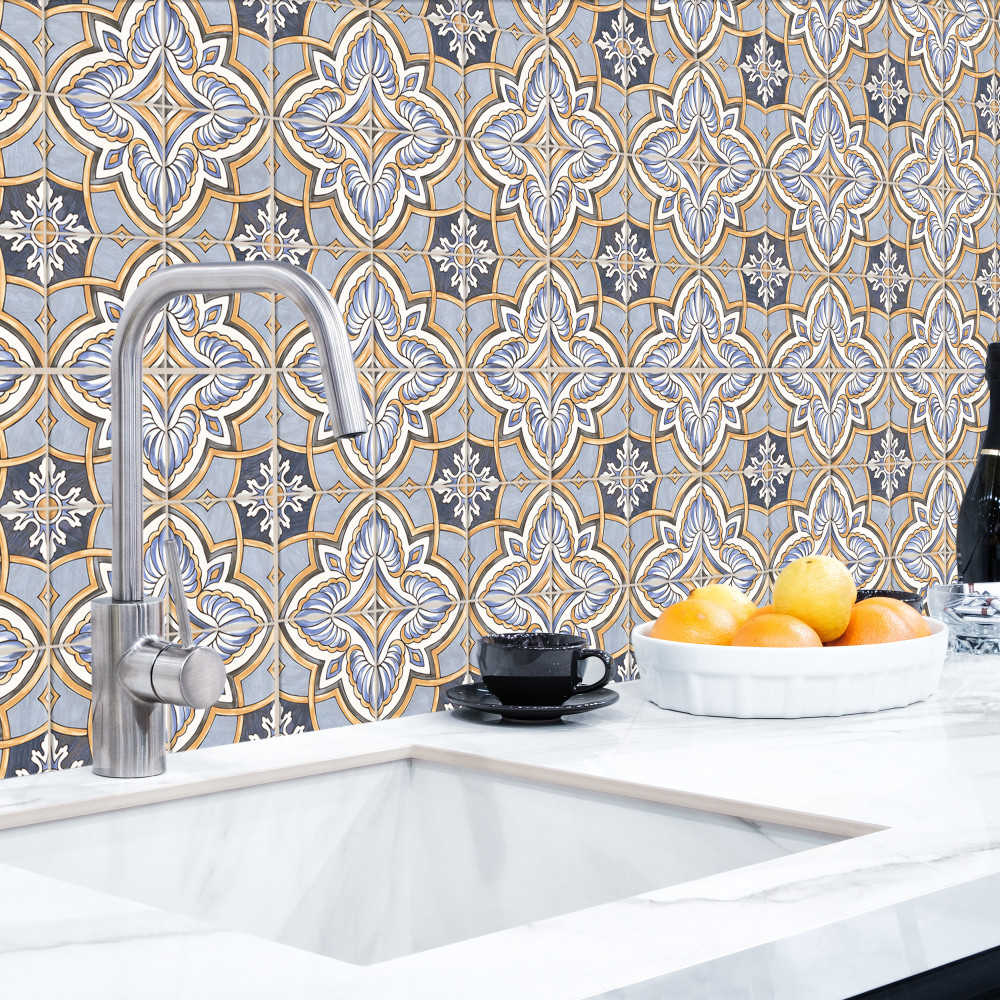
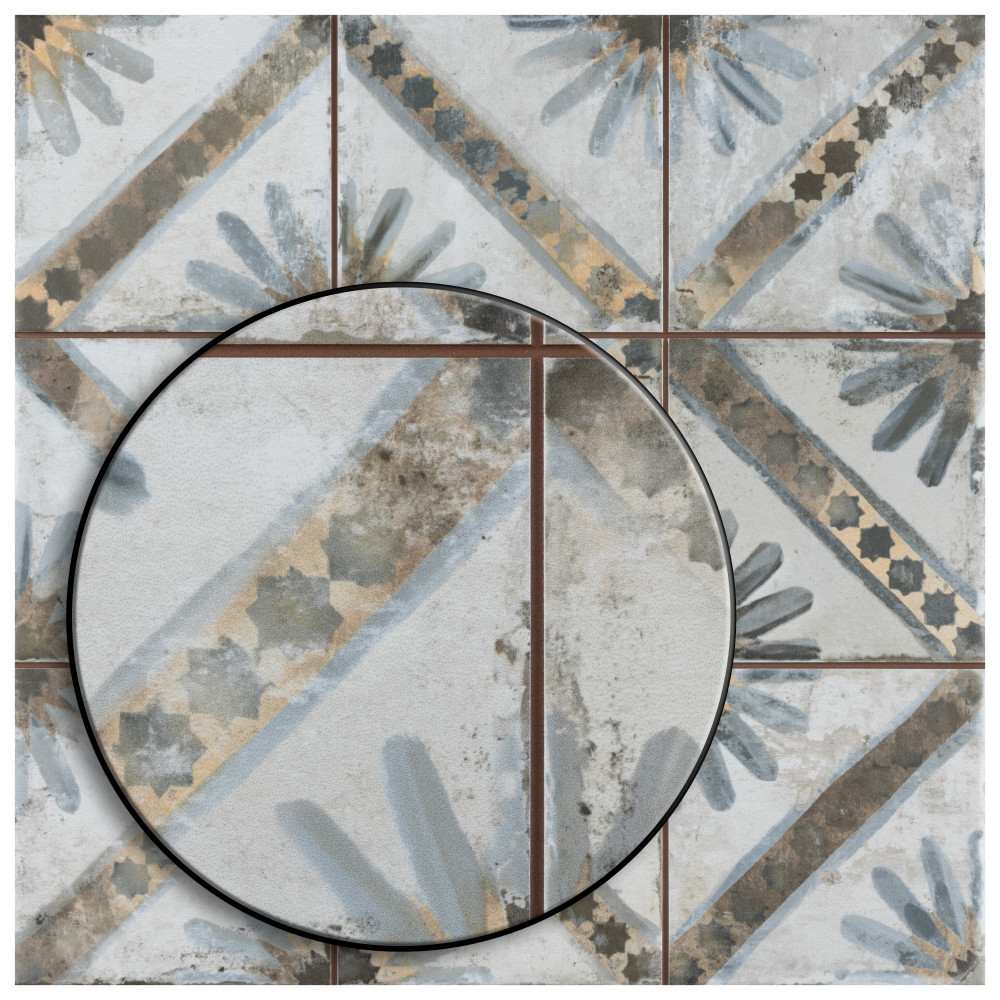
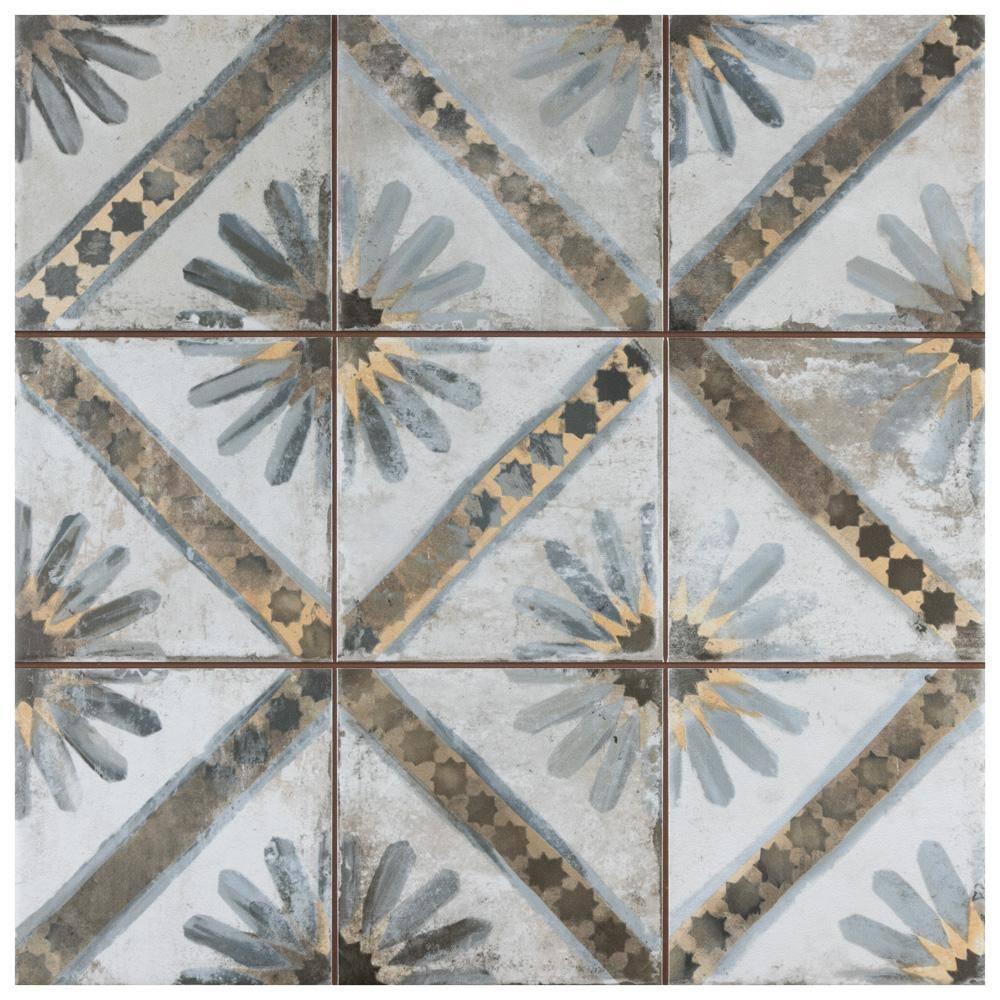
Step into the vibrant labyrinth of Marrakech, and sooner or later, your gaze will inevitably fall upon the mesmerizing patterns of its blue and white tiles. These aren't just decorative items; they're storytellers, echoing centuries of craftsmanship, cultural exchange, and an unwavering dedication to beauty. From the grandest palaces to the humblest riads, these tiles, known as zellij, are a foundational element of Moroccan architecture and design, a true testament to the intricate dance between earth and artistry.
For anyone who's ever wandered through the souks or admired the intricate courtyards of Marrakech, the distinctive blue and white tiles are instantly recognizable. But what makes these particular tiles so special? It's not just their stunning visual appeal; it's the rich tapestry of history, the painstaking traditional methods, and the deep symbolic meanings woven into every piece. As someone who has spent countless hours studying and even trying my hand at this ancient craft, I can tell you there's a profound connection to be made with these seemingly simple squares of pigment and clay. They are, in a very real sense, the pulse of Moroccan design, a living legacy that continues to captivate and inspire.
A Glimpse into History: The Roots of Moroccan Zellij
The art of zellij, or mosaic tilework, has roots stretching back to the 10th century in Morocco and the broader Islamic world. While the earliest examples weren't exclusively blue and white, these colors gained prominence over time, particularly in Marrakech, becoming synonymous with sophistication and spiritual depth. Think about the Almoravid and Almohad dynasties; they were pivotal in developing this art form. They brought in skilled artisans who perfected the techniques, turning what was once a pragmatic way to cover walls and floors into an extraordinary art. The geometric precision and complex interweaving patterns weren't just for show; they often reflected mathematical and astronomical principles, a true fusion of art and science. It's truly fascinating how these historical periods shaped the aesthetic we see today.
The Clay's Whisper: Sourcing and Preparing the Foundation
The journey of a Marrakech blue and white tile begins long before any pigment touches it, starting with the clay itself. Local, high-quality clay is essential, usually sourced from specific regions around Fez or Meknes, though Marrakech has its own traditions. This isn't just any dirt; it's a special type of malleable clay that, when fired, achieves the perfect balance of durability and porosity for glaze adhesion. The preparation is a meticulous process: the clay is cleaned, soaked, and kneaded extensively to remove impurities and air bubbles. Imagine the hands-on work involved, the rhythmic kneading, almost like a dance with the earth. This step is critical because any imperfection here will manifest in the final product, affecting its strength and appearance. It's a testament to the artisan's dedication, recognizing that the foundation is just as important as the intricate design that will follow.
The Blue's Embrace: Pigmentation and Glazing Secrets
Now, for the magic of the blue. Traditionally, the striking blue color is derived from cobalt oxide, a powerful and stable pigment. This isn't applied haphazardly; it's a carefully prepared mixture that is then painted onto the bisque-fired clay. The white, on the other hand, often comes from a tin-based glaze, which provides that opaque, crisp contrast. What makes this so special is understanding that the color you see before firing isn't the final color. There's a certain anticipation, a leap of faith, as the artisans know the true hue will only reveal itself after the intense heat of the kiln. The glazing process itself is an acquired skill, requiring an even hand and a deep understanding of how the glaze will melt and flow. Too thick, and it might run; too thin, and the color won't be vibrant. This stage is where the tile truly begins to transform, taking on its characteristic sheen and depth.
The Fire's Caress: Kiln Firing and Its Transformative Role
The firing process is arguably the most dramatic part of the tile-making journey. Tiles are carefully loaded into traditional wood-fired kilns, often beehive-shaped, where temperatures can soar to over 1000 degrees Celsius. This is where the clay hardens into ceramic, and the glazes vitrify, transforming from a powdery coating into a durable, lustrous surface. The control of the kiln, the timing, and the consistent temperature are crucial. Too hot, and the colors can burn or fade; too cool, and the glaze won't mature properly. It's an art in itself, often passed down through generations, with master potters knowing instinctively how to read the flames and the smoke. The unique variations you sometimes see in handmade tiles – slight differences in shade or texture – are often a beautiful result of this organic firing process, making each tile a unique piece of art.
From Squares to Stars: The Art of Cutting and Assembling Zellij
This is where the zellij truly comes alive. Once fired, the large, glazed tiles are not used as they are. Instead, they are painstakingly cut into precise geometric shapes – squares, triangles, stars, crosses – by highly skilled artisans called maâlems. They don't use modern machinery; it's all done by hand, using a small, sharp hammer and a chisel. The accuracy required is astonishing; even a millimeter off can disrupt an entire pattern. These individual pieces, called furmah, are then laid face down on the floor, like a giant puzzle, forming the intricate patterns. A cement mortar is applied to the back, and the entire panel is then lifted and installed. It’s a reverse engineering process, where the final design is envisioned before any cuts are made. This method ensures the tightest possible fit and the most seamless appearance, creating those breathtaking mosaic panels that are the hallmark of Moroccan design.
Symbolism and Significance: The Enduring Legacy
Beyond their aesthetic appeal, Marrakech blue and white tiles are steeped in symbolism. Blue often represents the sky, water, and divinity, while white signifies purity and peace. The geometric patterns themselves aren't random; they often embody abstract concepts of infinity, unity, and the mathematical order of the universe, reflecting Islamic philosophical ideals. These tiles are not just decorative; they create an atmosphere, a sense of tranquility and order within a space. They are a visual language, speaking of tradition, craftsmanship, and a deep respect for beauty. Every time you see a zellij panel, you're not just looking at a pattern; you're witnessing centuries of cultural heritage and artistic expression, a silent testament to the enduring spirit of Marrakech.
The intricate dance of pigment and clay in Marrakech blue and white tiles is more than just a craft; it's a living art form that connects us to a rich and vibrant past. From the humble origins of the earth to the sophisticated geometry of the finished product, each step in the creation of zellij is a testament to human ingenuity, patience, and artistic vision. In a world increasingly dominated by mass production, these tiles stand as a powerful reminder of the value of handmade objects, of the stories they tell, and the soul they imbue into the spaces they adorn. As we continue to appreciate and preserve this incredible heritage, we ensure that the rhythmic dance of pigment and clay will continue to captivate and inspire for generations to come. It's a legacy worth cherishing, and one that truly tells the story of Marrakech's heart.