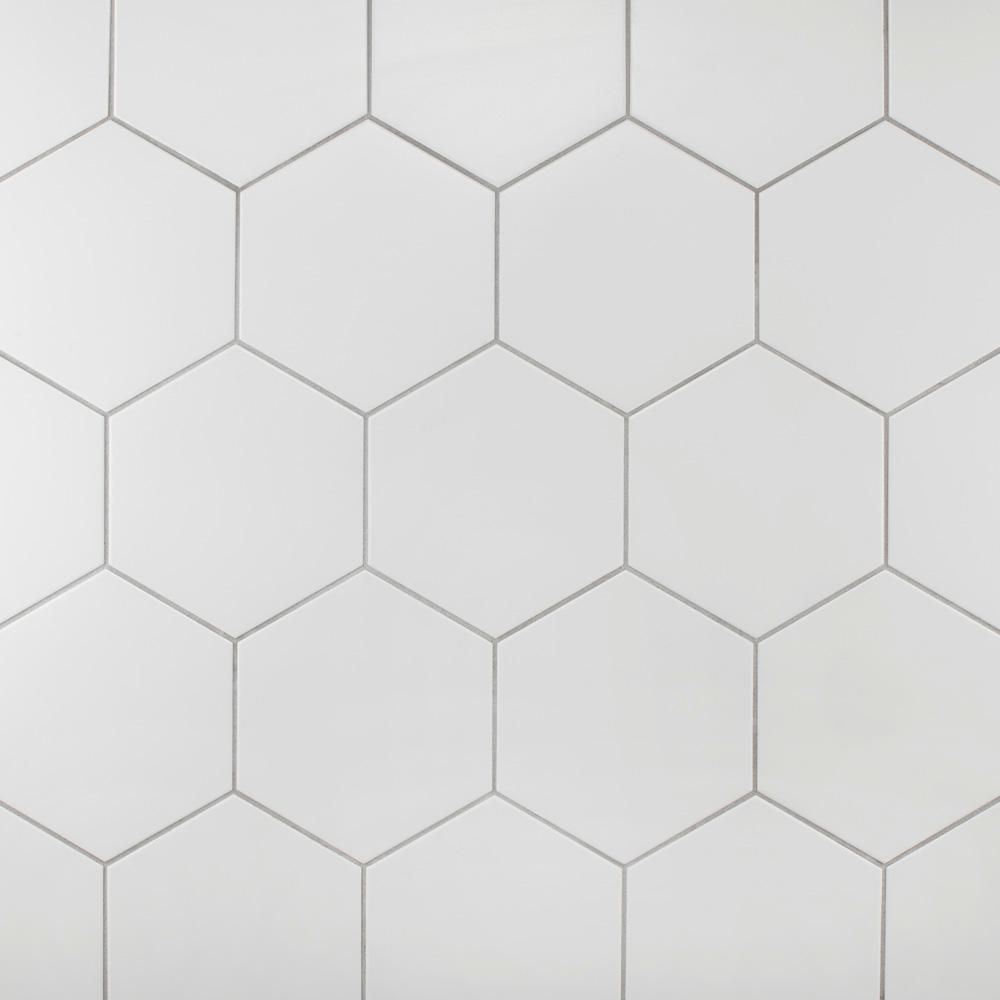
For ages, we've admired hexagon shapes for their pure visual appeal. From honeycomb patterns to intricate tessellations, the six-sided figure has always been a designer's delight. But what if I told ya, there's a whole lot more to hexagon porcelain surfaces than just lookin' pretty? As someone who's spent decades elbow-deep in the world of advanced surface materials, I've seen firsthand how this geometric wonder translates into some seriously impressive performance benefits, especially when we're talking about porcelain.
When you're designing or selecting materials for a space, whether it's a bustling commercial kitchen or a serene residential bathroom, performance is paramount. It's not just about how something looks on day one, but how it holds up over years of use, traffic, and general wear and tear. And this is where the humble hexagon, particularly in a porcelain format, truly shines. It's a fascinating intersection of mathematics, material science, and practical application. We're gonna dive deep into why this shape isn't just a trend, but a fundamental improvement in surface technology.
Enhanced Mechanical Stability and Load Distribution
Think about a honeycomb. It's one of nature's most efficient and robust structures, and it's built entirely from hexagons. This isn't a coincidence. The hexagonal shape allows for incredibly efficient distribution of forces. When you have a surface made of hexagon porcelain tiles, each tile interlocks with its neighbors in a way that spreads any applied load across a wider area. This means less stress on individual points and, consequently, a much greater resistance to cracking, chipping, and general structural fatigue. It's like having a tiny, invisible army of supports under every step you take or every item you place on the surface. This is a game-changer for high-traffic areas or spaces where heavy equipment might be present, like a busy restaurant kitchen or a laboratory. The load is just distributed so much better, reducing the chance of something breaking.
Superior Grout Line Integrity and Reduced Water Penetration
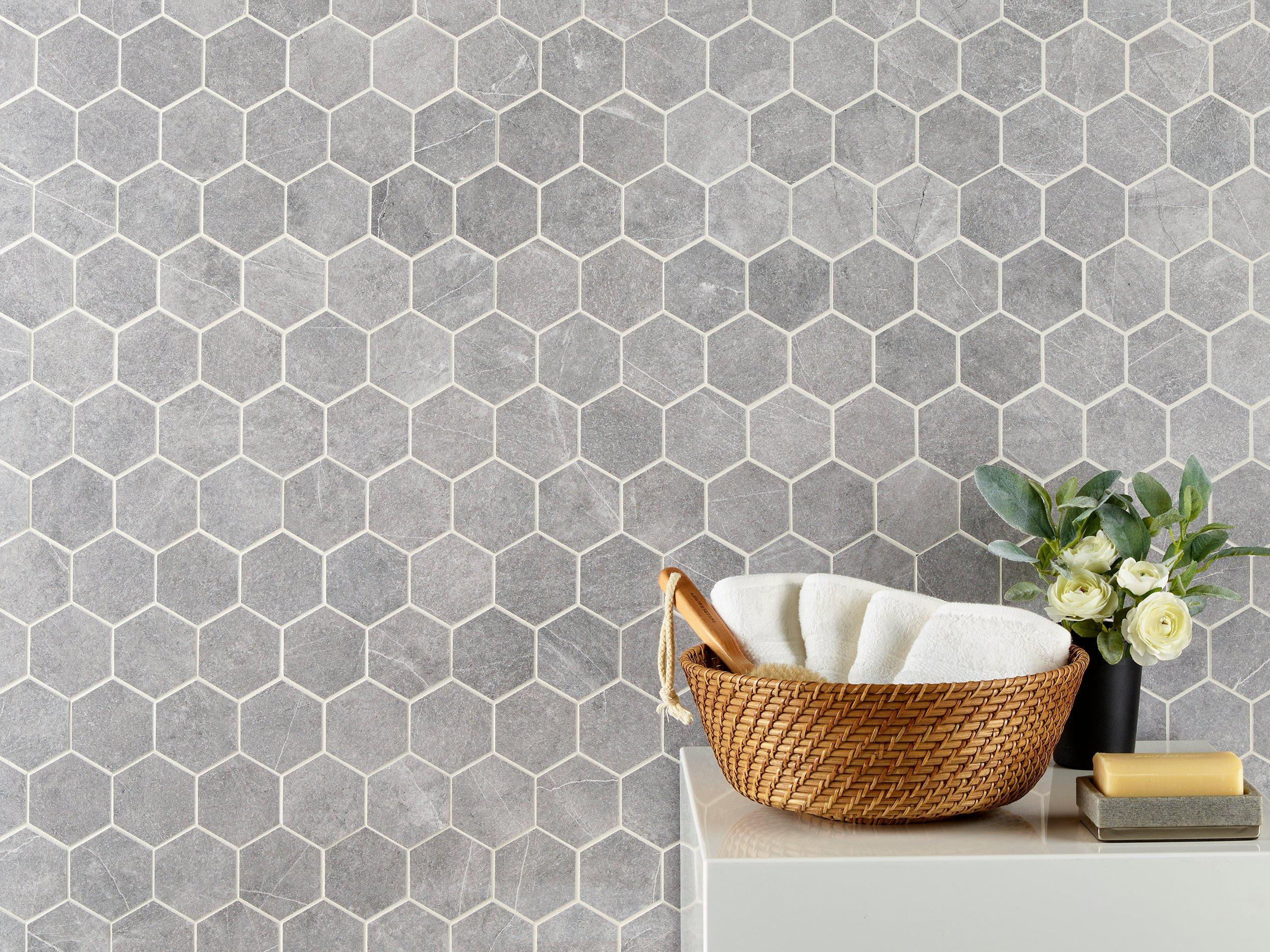
One of the perennial headaches with any tiled surface is the grout lines. They're often the weakest link, susceptible to cracking, staining, and moisture ingress. However, with hexagon tiles, the perimeter of each tile is significantly shorter compared to, say, a traditional square tile of similar surface area. This means you have fewer linear feet of grout per tile, which directly translates to less grout overall. Less grout equals fewer potential points of failure. Furthermore, the angles of hexagonal connections create a more complex and tortuous path for water to penetrate, making the entire surface inherently more resistant to moisture damage. This is a massive boon for wet environments like showers, pool surrounds, or even outdoor patios where water drainage and moisture resistance are critical. It's a subtle but powerful advantage that really extends the lifespan of your installation.
Improved Slip Resistance and Foot Traffic Management
While not immediately obvious, the geometry of hexagon tiles can also contribute to improved slip resistance. The multiple angles and intersecting grout lines create a more varied surface texture which can enhance grip, especially in wet conditions. Unlike large, monolithic square tiles where water might sheet across a broad, flat surface, the segmented nature of hexagons, even with minimal texture, helps break up the water film. This creates more points of contact for footwear, reducing the likelihood of slips and falls. For commercial spaces, this is a significant safety benefit and can even impact insurance premiums. It's a small detail, but in terms of user safety and comfort, it makes a big difference. And when you think about it, the way our feet interact with the ground, those little angles really do help with traction.
Enhanced Thermal Expansion and Contraction Management
All materials expand and contract with changes in temperature. This is a fundamental principle of physics and a major consideration in large-scale tile installations, particularly outdoors or in areas with significant temperature fluctuations. Square or rectangular tiles, with their long, uninterrupted grout lines, can sometimes buckle or crack under extreme thermal stress because the expansion has nowhere to go. Hexagon tiles, however, with their multi-directional interconnections, offer a much more forgiving structure. The slight movements caused by expansion and contraction are absorbed and distributed more evenly across the entire surface, minimizing stress concentrations. This means a more stable and durable installation over the long term, reducing the need for costly repairs or replacements down the road. It's a clever way to 'engineer in' flexibility without sacrificing strength. This is especially important in places with really hot summers and cold winters, where the material is constantly trying to stretch and shrink.
Design Flexibility and Aesthetic Versatility
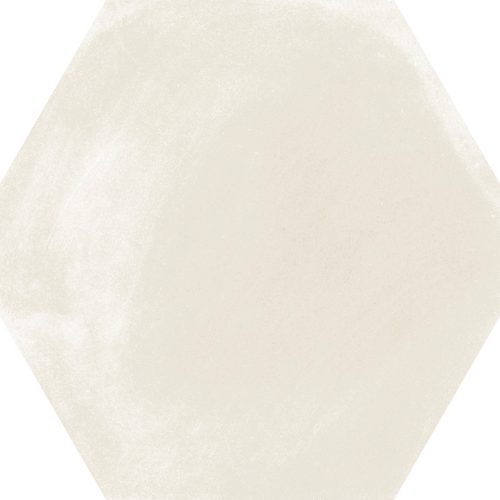
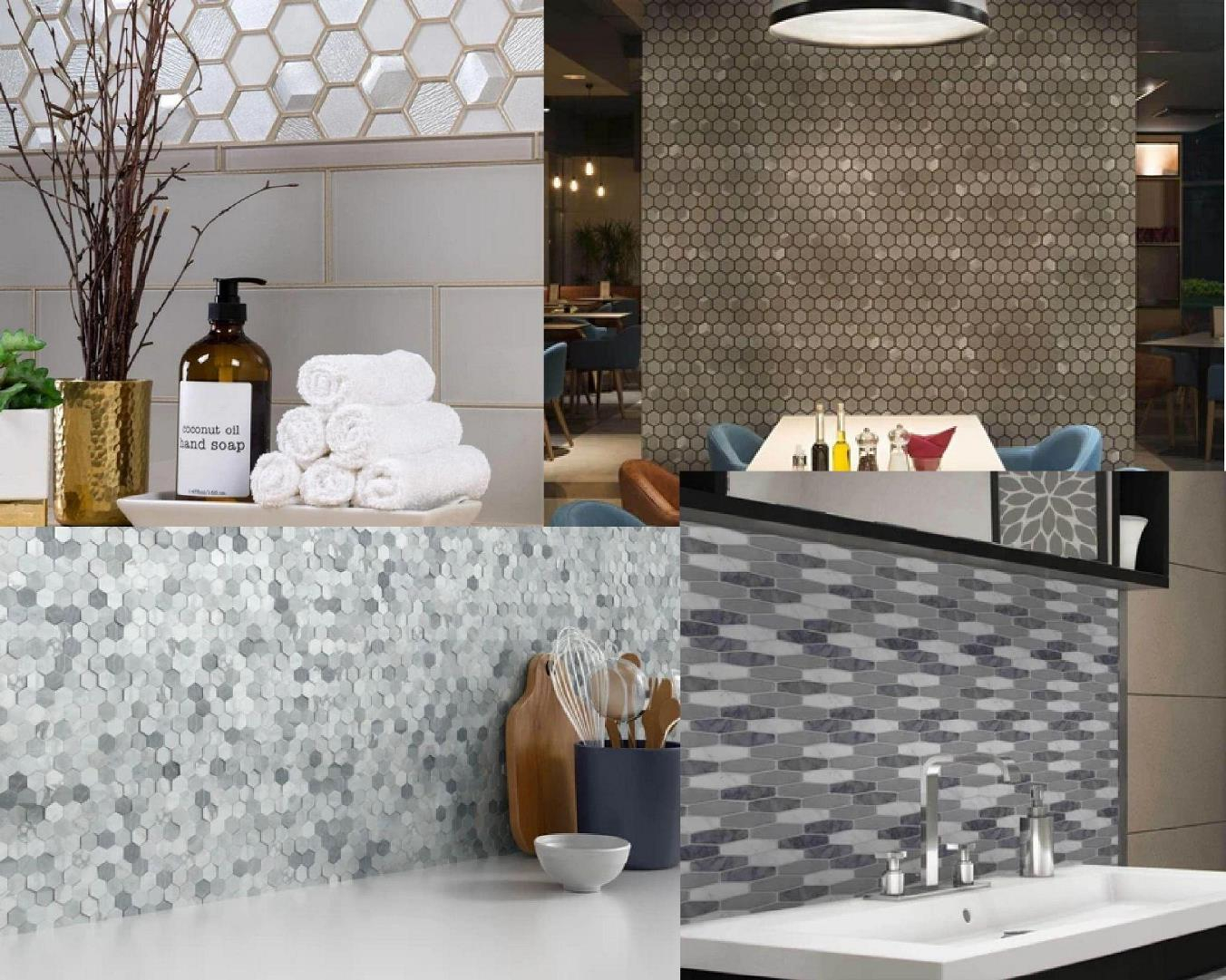
Okay, I know I said we're focusing on performance, but it's worth a brief mention that the performance benefits don't come at the expense of design. In fact, hexagon porcelain tiles offer incredible design flexibility. Their unique shape allows for mesmerizing patterns, intricate tessellations, and organic flows that are difficult to achieve with traditional square or rectangular tiles. This aesthetic versatility, combined with the inherent durability and low maintenance of porcelain, makes them a truly compelling choice for a vast array of applications. You can create striking feature walls, dynamic floor patterns, or subtle, textured backsplashes. The design possibilities are almost endless, proving that you don't have to sacrifice beauty for brawn. It's a win-win, really, gettin' the best of both worlds.
Durability and Longevity: A Lifetime Investment
When you put all these points together – enhanced load distribution, superior grout integrity, improved slip resistance, and better thermal management – what you get is a surface material with exceptional durability and longevity. Porcelain itself is renowned for its hardiness, resistance to scratches, stains, and fading. When you combine these inherent qualities with the structural advantages of the hexagon shape, you're investing in a surface that will withstand the test of time, look great for years, and require minimal maintenance. It's not just a tile; it's a long-term asset that delivers consistent performance, year after year. This is why I often recommend hexagon porcelain for high-wear areas; it just holds up so much better than other options. It's a smart choice for anyone looking for a reliable and long-lasting surface solution.
So, there you have it. The hexagon, when rendered in the robust and versatile medium of porcelain, is far more than just a pretty face. It's a testament to how intelligent geometric design can profoundly impact the functional performance of a material. From distributing heavy loads more effectively and shoring up those pesky grout lines to providing better grip and handling temperature swings with grace, hexagon porcelain surfaces offer a compelling suite of benefits that go well beyond mere aesthetics. As an expert in this field, I've seen countless installations prove the enduring value of this shape. Choosing hexagon porcelain isn't just a design decision; it's a smart, pragmatic choice for anyone seeking a durable, safe, and long-lasting surface solution. It's truly a foundational element for a resilient and beautiful space. And trust me, once you start looking, you'll see these hexagons everywhere, and you'll know why they're there.