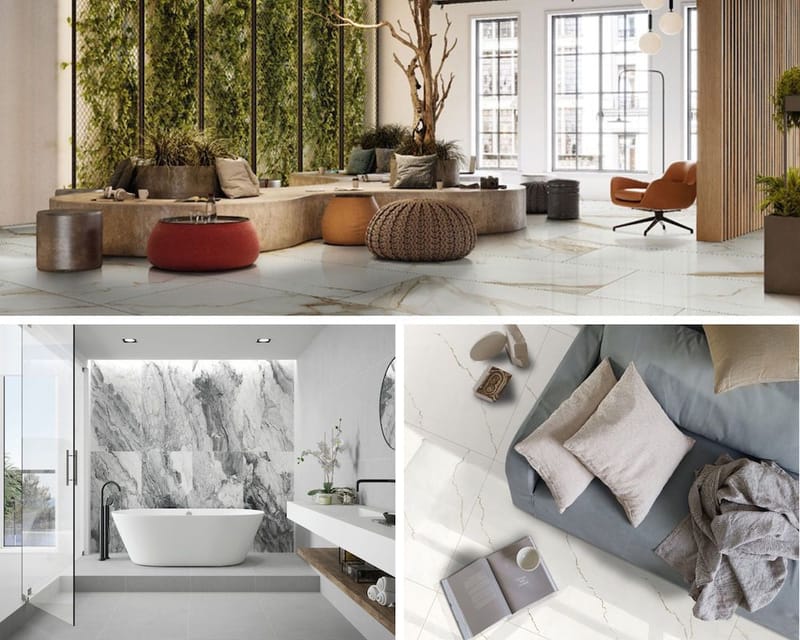
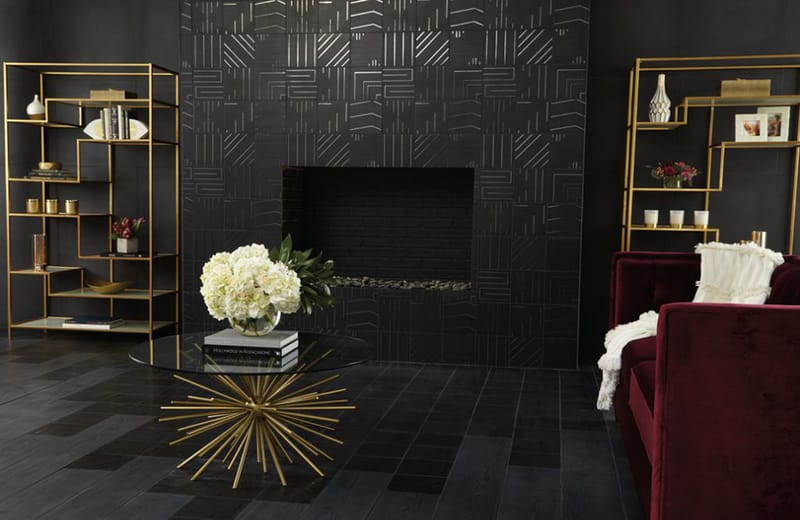
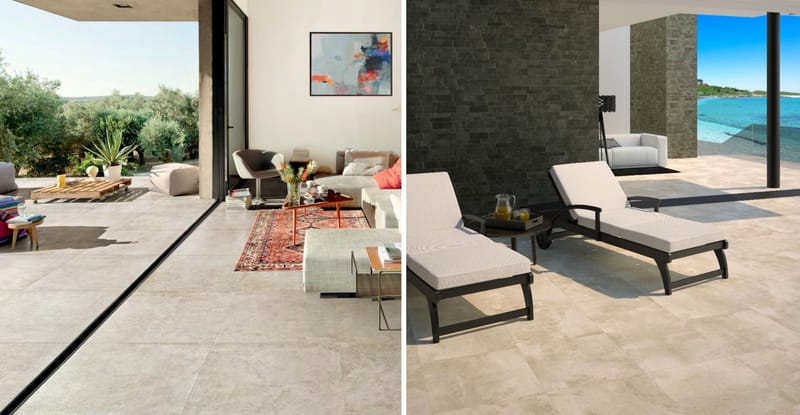
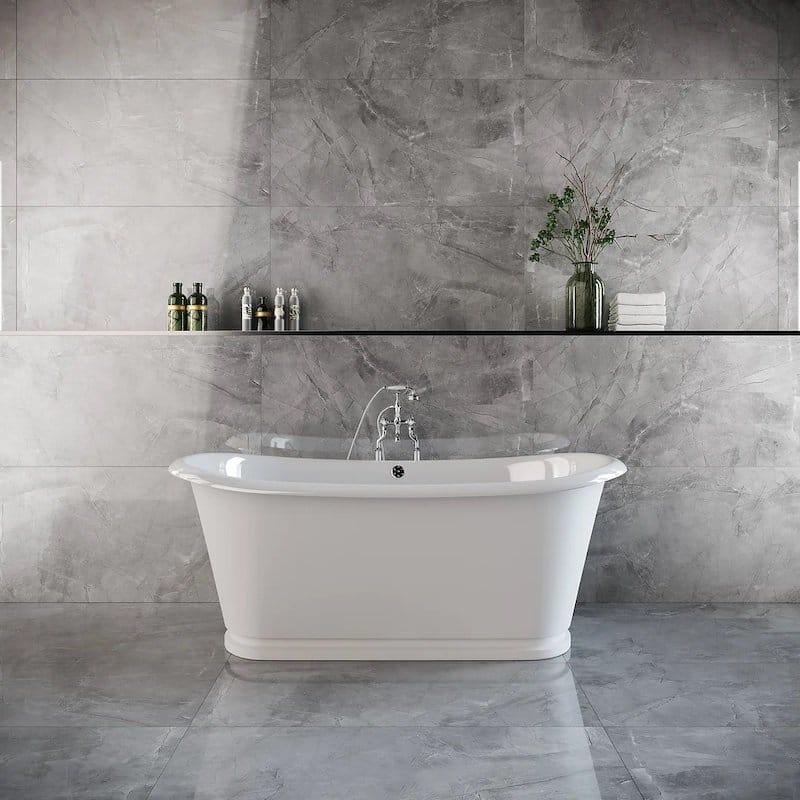
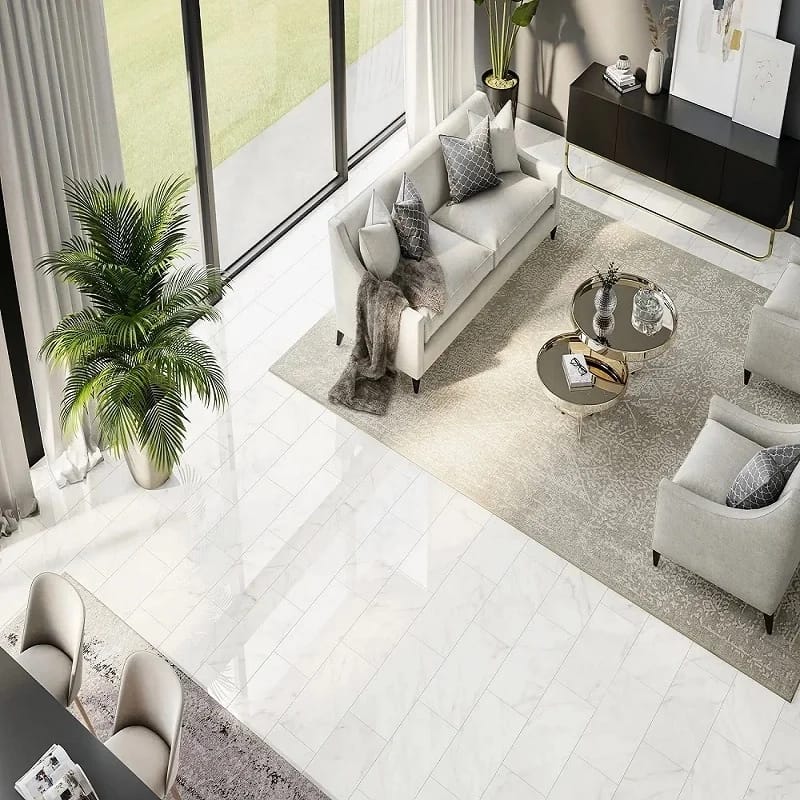
As someone who's spent decades with my hands in the literal and figurative mud of architectural design and materials, I’ve seen countless trends come and go. But every now and then, a material emerges that truly redefines what's possible, and that's precisely what Rambla Graphite porcelain tile does. It's not just a tile; it's a foundational element that can elevate any space from merely functional to truly extraordinary. Let's delve into how this remarkable material helps us materialize our grandest design visions.
Imagine a material that effortlessly blends the rugged beauty of natural stone with the unparalleled resilience of engineered porcelain. That, in a nutshell, is Rambla Graphite. It's a product that doesn’t just mimic nature; it refines it, offering a sophisticated, deep charcoal hue that provides a perfect canvas for a myriad of design aesthetics. From minimalist modern to industrial chic, or even a more rustic yet refined look, this tile serves as an anchor, grounding the design and adding a layer of understated luxury. It's about bringing that initial spark of an idea, that visual in your mind, into a tangible, breathtaking space.
Understanding the Essence: What Makes Rambla Graphite Unique?
What truly sets Rambla Graphite apart isn't just its striking appearance, but its inherent composition and manufacturing process. We're talking about porcelain, which means incredible density and extremely low water absorption. This translates directly to superior durability and resistance to stains, scratches, and even frost. Unlike natural stone, which often requires sealing and meticulous maintenance, Rambla Graphite is a 'set it and forget it' kind of material – well, almost. Its deep, variegated grey tones, often with subtle lighter flecks, give it a dynamic quality that prevents a space from feeling flat. It captures light in a way that makes the surface almost alive, shifting and changing throughout the day. It's this combination of robust practicality and aesthetic depth that makes it such a sought-after material in both residential and commercial projects.
From Concept to Blueprint: Initial Design Considerations
When I first approach a project where Rambla Graphite is a possibility, my mind immediately jumps to scale and light. How big is the space. What's the natural light like? This tile, especially in larger formats, can make a smaller room feel more expansive by reducing the number of grout lines, creating a more seamless flow. Conversely, in a vast open-plan area, it provides a strong, unifying base that ties disparate zones together. Think about the overall mood you want to create. Do you want a dramatic, moody feel, or a bright, airy one with the tile providing a grounding contrast? For instance, pairing Rambla Graphite with crisp white walls and light wood accents creates a contemporary, Scandinavian-inspired vibe. On the other hand, combining it with dark wood, rich textiles, and brass fixtures can evoke a more opulent, classic feel. It’s all about understanding the interplay of elements and how this tile can be the silent hero of your design story.
The Practicalities: Installation and Maintenance Pointers
Now, let’s talk brass tacks: installation. While Rambla Graphite porcelain is incredibly durable, proper installation is paramount to its longevity and appearance. I always stress the importance of a meticulously prepared subfloor – level and clean are non-negotiable. Using the correct thin-set mortar and ensuring proper coverage prevents future issues like lippage or cracking. Large format tiles, which are often chosen for Rambla Graphite, require a skilled hand and sometimes specialized tools to prevent breakage and ensure a perfect lay. And don't forget the grout! A dark grey or black grout can make the tile appear monolithic and seamless, while a lighter grey can subtly define each tile, adding a different texture to the floor or wall. As for maintenance, it's wonderfully simple. Regular sweeping and mopping with a pH-neutral cleaner is usually all that’s needed. No special sealers or harsh chemicals. This ease of care is a huge selling point, especially for busy families or high-traffic commercial spaces.
Creative Applications: Beyond the Floor
It’s a common mistake to think of tile as just a floor covering. With Rambla Graphite, your imagination is the only limit. I've used it on accent walls, creating a dramatic backdrop for a fireplace or a striking feature in a bathroom. Imagine a shower enclosure entirely clad in this tile, transforming a simple washroom into a spa-like sanctuary. It's also fantastic for kitchen backsplashes, offering a robust and easy-to-clean surface that also adds significant visual interest. Outdoor applications are another realm where Rambla Graphite shines, thanks to its frost resistance. I've seen stunning patios, pool surrounds, and even exterior cladding that leverage its durability and sophisticated aesthetic. The uniform color and texture across various applications help create a cohesive and harmonious design, blurring the lines between indoor and outdoor spaces, which is a big trend right now.
Harmonizing with Other Materials: A Designer's Palette
One of the true joys of working with Rambla Graphite is how beautifully it pairs with an array of other materials. Its neutral, yet profound, character makes it an excellent foil for almost anything. Consider the warmth of natural wood – light oaks, rich walnuts, or even reclaimed timber – against the cool, grounding presence of the tile. The contrast is simply stunning. Metals, too, find a perfect partner here. Brushed brass, matte black, or polished chrome fixtures all pop against the dark backdrop, adding layers of sophistication. Glass, whether clear or reeded, also creates interesting reflections and depth. And let’s not forget textiles! Soft, plush rugs in contrasting colors or patterns, velvet upholstery, or crisp linens all create a tactile experience that complements the tile's sleekness. It's about building a sensory experience, where each element contributes to the overall narrative of the space.
Overcoming Challenges and Embracing Innovation
No material is without its quirks, and Rambla Graphite, while exceptional, still requires thoughtful application. One common challenge can be managing the perception of a 'dark' space. This is where strategic lighting comes in. Layered lighting – ambient, task, and accent – can transform a potentially somber room into a dynamic and inviting one. Uplighting can highlight the tile's texture, while spotlights can draw attention to art or architectural features. Another consideration is the sheer weight of large format porcelain, which impacts transportation and handling. But these are minor hurdles compared to the immense benefits. The industry is constantly innovating, and we're seeing new finishes and sizes emerge for tiles like Rambla Graphite, offering even more design flexibility. Staying up-to-date with these advancements is key to pushing the boundaries of what's possible.
Ultimately, designing with Rambla Graphite porcelain tile is about more than just selecting a material; it's about making a statement. It's about crafting spaces that are not only beautiful but also resilient, functional, and timeless. From the initial spark of an idea to the final polished surface, this tile acts as a reliable partner, allowing designers and homeowners alike to transform abstract concepts into tangible, breathtaking realities. Its versatility, durability, and undeniable aesthetic appeal ensure that the spaces it graces will continue to inspire and delight for many years to come. It truly is a cornerstone for modern, sophisticated design, and I look forward to seeing how it continues to shape our built environments.