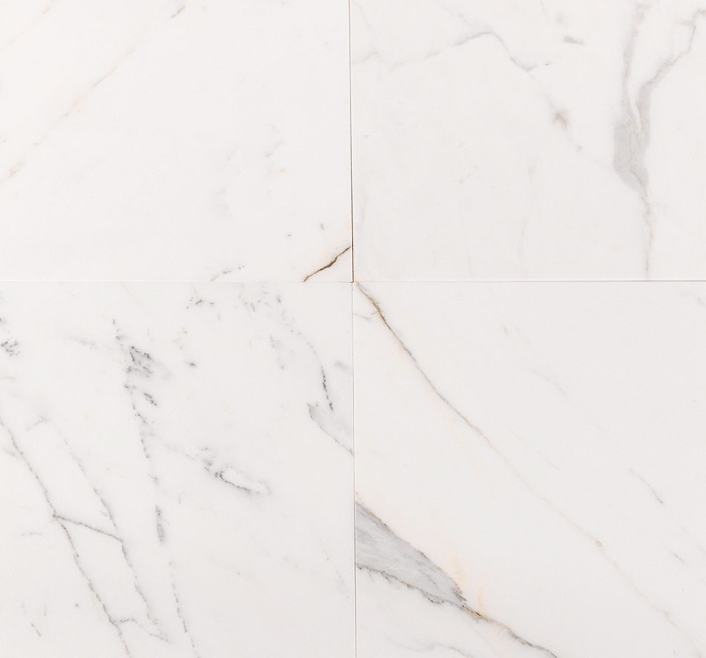
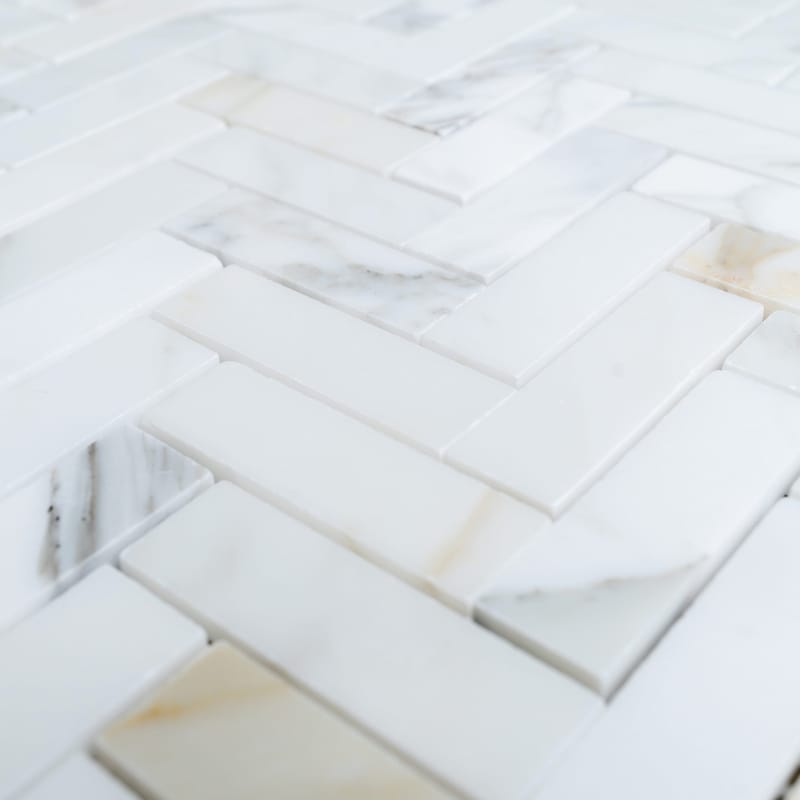
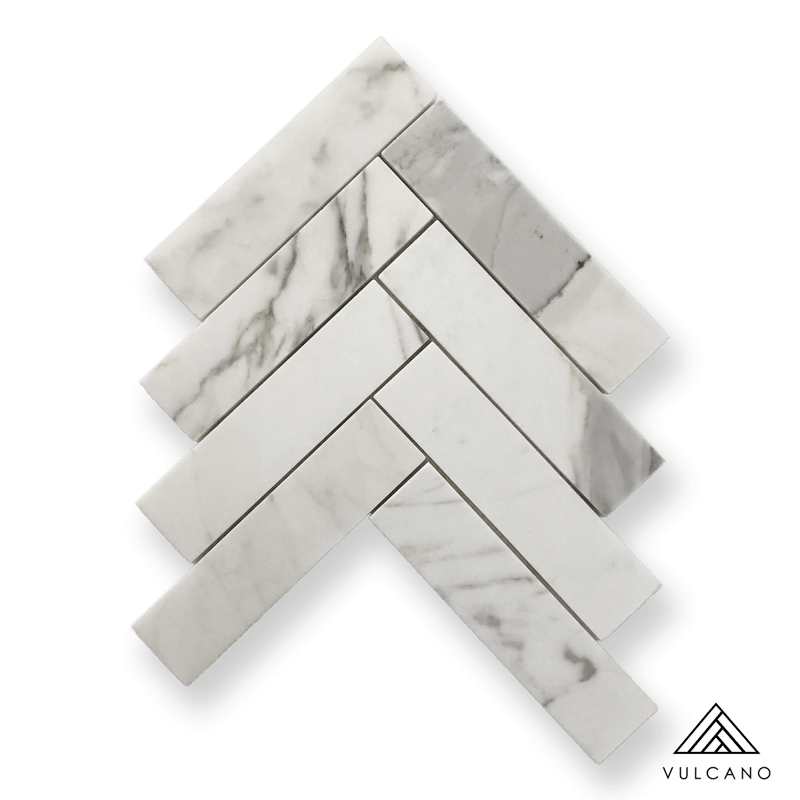
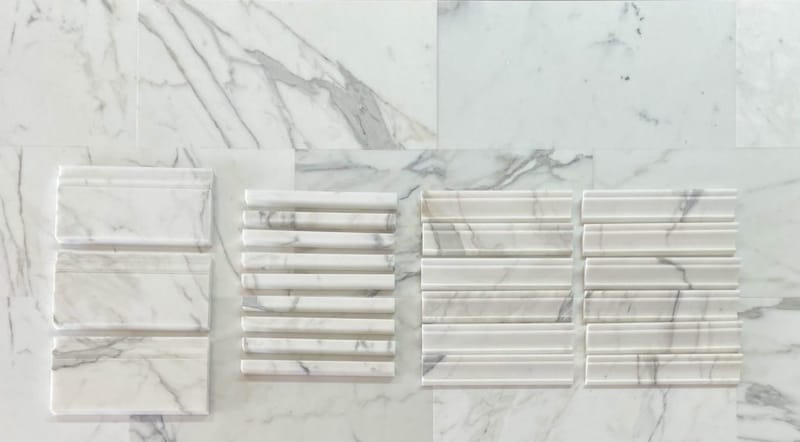
As someone who's spent decades elbow-deep in natural stone, I can tell you there's something truly special about honed Calacatta Gold. It's not just a material; it's an experience. The soft, matte finish, those luxurious gold veins snaking through creamy white – and then, when it's laid in that classic herringbone pattern? Pure artistry. But let's be real, beauty needs care. And when it comes to preserving the pristine charm of these surfaces, it's not just about cleaning; it's about understanding the stone, its vulnerabilities, and how to champion its long-term allure. I've seen countless homeowners make simple mistakes that dull their dreams, and I'm here to make sure you don't become one of them.
Honed Calacatta Gold herringbone surfaces are a design statement, a testament to refined taste and an appreciation for natural beauty. Unlike its polished counterpart, honed marble boasts a subdued, non-reflective finish that exudes an understated elegance. This matte appearance, however, also means it presents a unique set of care requirements. It's more susceptible to staining and etching because its pores are more open. Think of it like the difference between a sealed, glossy painting and a raw, absorbent canvas. Both are beautiful, but one demands a bit more thoughtful attention. My goal here is to equip you with the knowledge and practical steps to ensure your investment remains as captivating as the day it was installed, without turning maintenance into a chore.
Understanding Your Stone: The Nature of Honed Calacatta Gold Marble
Before we dive into the 'how-to,' let's get a little scientific, but in a way that's easy to grasp. Calacatta Gold is a type of marble, a metamorphic rock composed primarily of calcium carbonate. That's a fancy way of saying it's a relatively soft stone that reacts to acids. The 'honed' finish means the stone hasn't been polished to a high sheen; instead, it's been ground down to a smooth, flat, and often velvety surface. This process leaves the stone's pores more exposed compared to a polished finish, which is where the increased susceptibility to staining and etching comes in. The beautiful gold veining, by the way, comes from mineral impurities like iron oxides during its formation. Knowing this fundamental nature helps us understand why certain cleaning products or spills can be so damaging. It's not just 'marble'; it's a living, breathing part of the earth, and it needs respect.
The First Line of Defense: Sealing is Non-Negotiable
If there's one piece of advice I can shout from the rooftops about honed marble, it's this: seal it, and seal it often. This isn't an option; it's a fundamental requirement. An impregnating sealer penetrates the stone, filling those tiny pores and creating a barrier that repels liquids and prevents them from soaking in and causing stains. It's like putting on a raincoat before going out in the rain. Without it, you're just asking for trouble.
- Initial Sealing: When your Calacatta Gold herringbone is first installed, it absolutely must be sealed. A professional installer will typically handle this, but always double-check. Don't assume.
- Regular Re-sealing: This is where many people fall short. The lifespan of a sealer varies based on traffic, usage, and the type of sealer. For honed marble in high-use areas like kitchens, I recommend re-sealing every 6-12 months. For bathrooms or less trafficked spots, perhaps every 1-2 years. A simple water test can tell you if it's time: put a few drops of water on the surface. If it beads up, your sealer is still working. If it starts to soak in, it's time to re-seal. There are many excellent stone sealers on the market; look for ones specifically designed for natural stone and marble.
Daily Rituals: Gentle Cleaning for Lasting Beauty
Your daily cleaning routine is paramount. It's about prevention, not cure. Think of it as a gentle caress, not an aggressive scrub.
- Immediate Spill Cleanup: This is perhaps the most critical rule. Acidic substances like lemon juice, vinegar, wine, coffee, or even certain sodas can etch honed marble almost instantly, leaving a dull, light spot. Oily spills can also penetrate quickly. Wipe up spills immediately with a soft, clean cloth. Don't let them sit, not even for a minute.
- Dusting and Wiping: For general cleaning, simply dust the surface with a soft, dry microfiber cloth. For light spills or daily wiping, use a damp cloth with warm water.
- Approved Cleaners Only: This is a big one. Never, ever use harsh, acidic, or abrasive cleaners. That means no Windex, no bleach, no vinegar, no generic bathroom cleaners. They will strip your sealer and etch the stone. Instead, use pH-neutral stone cleaners specifically formulated for marble. These are readily available at hardware stores or stone suppliers. A little goes a long way.
- Soft Tools: Always use soft cloths, sponges, or mops. Abrasive scrubbers or scouring pads will scratch the honed finish and cause irreversible damage. It's like trying to polish a baby's skin with sandpaper; it just doesn't work.
Tackling Stains and Etches: When Accidents Happen
Even with the best intentions, accidents happen. The key is to know how to react.
- Etching: Etches appear as dull, lighter spots where an acidic substance has literally eaten away at the surface of the marble. For minor etches on honed surfaces, sometimes a specialized marble polishing powder designed for honed stone can help blend them in. This is a delicate process and often best left to a professional. Deep etches often require professional re-honing.
- Oil-Based Stains (e.g., Cooking Oil, Makeup): These often darken the stone. Create a poultice by mixing an absorbent material (like baking soda or diatomaceous earth) with a few drops of hydrogen peroxide or acetone to form a thick paste. Apply the paste generously to the stain, cover it with plastic wrap, and tape down the edges. Let it sit for 24-48 hours, then remove the plastic and let the paste dry completely. As it dries, it should draw the stain out of the stone.
- Organic Stains (e.g., Coffee, Tea, Wine): These usually appear brownish or reddish. A similar poultice method can work, using hydrogen peroxide (for lighter stones) or a mild bleach solution (diluted heavily and used with extreme caution on very light areas, never on gold veins). Always test in an inconspicuous area first.
- Rust Stains: These are tricky. Use a rust remover specifically designed for natural stone. Do not use generic rust removers as they contain acids that will etch the marble.
Remember, if you're unsure or the stain is stubborn, call a professional stone restoration specialist. They have the tools and expertise to address these issues without damaging your beautiful stone.
Protecting from Damage: Beyond Cleaning
Prevention extends beyond just cleaning. It's about conscious living with your beautiful surfaces.
- Coasters and Trivets: This seems obvious, but it's often overlooked. Always use coasters under glasses, especially those with citrus drinks or alcohol. Use trivets under hot pans or dishes. Heat can cause thermal shock and damage the stone or its sealer.
- Cutting Boards: Never cut directly on your marble. Not only will you scratch the stone, but you'll also dull your knives. Always use a cutting board.
- Avoid Heavy Objects and Dropping: Marble can chip or crack if heavy objects are dropped on it. Be mindful, especially around edges and corners.
- Entryway Mats: If your herringbone is on the floor, use mats at entryways to trap dirt and grit. This prevents abrasive particles from being tracked across your beautiful surface, which can cause micro-scratches over time.
- Furniture Pads: For furniture placed on marble floors, apply felt pads to the legs to prevent scratching when items are moved.
Long-Term Care and Professional Intervention
While daily care is crucial, there are times when professional help is not just advised, but essential.
- Deep Cleaning and Re-honing: Over years of use, even with the best care, honed marble can accumulate embedded dirt or develop a general dullness, or even some minor etching. A professional stone restoration company can perform a deep cleaning, and if necessary, re-hone the surface to restore its original matte finish. This involves using specialized abrasives to gently abrade the surface and bring back that fresh, velvety look.
- Chip and Crack Repair: For chips or cracks, a professional can often repair these using epoxy and color-matching techniques, making the damage almost invisible. Don't try to DIY this unless you're experienced; you could make it worse.
- Expert Advice: If you're ever in doubt about a stain, a product, or a repair, consult with a reputable stone care specialist. They are a wealth of knowledge and can save you from costly mistakes down the line. Investing in professional maintenance every few years can significantly extend the life and beauty of your Calacatta Gold herringbone.
Preserving the pristine charm of your honed Calacatta Gold herringbone surfaces isn't about rigid rules or constant worry; it's about developing a mindful relationship with this exquisite natural material. It's a partnership. By understanding its unique characteristics, implementing consistent preventative measures, and knowing when to seek professional help, you can ensure that your stunning herringbone remains a source of pride and beauty for decades to come. It's an investment, yes, but with the right care, it's an investment that pays dividends in enduring elegance and timeless appeal. So, go ahead, enjoy your beautiful space, knowing you're doing everything right to keep it looking its absolute best.