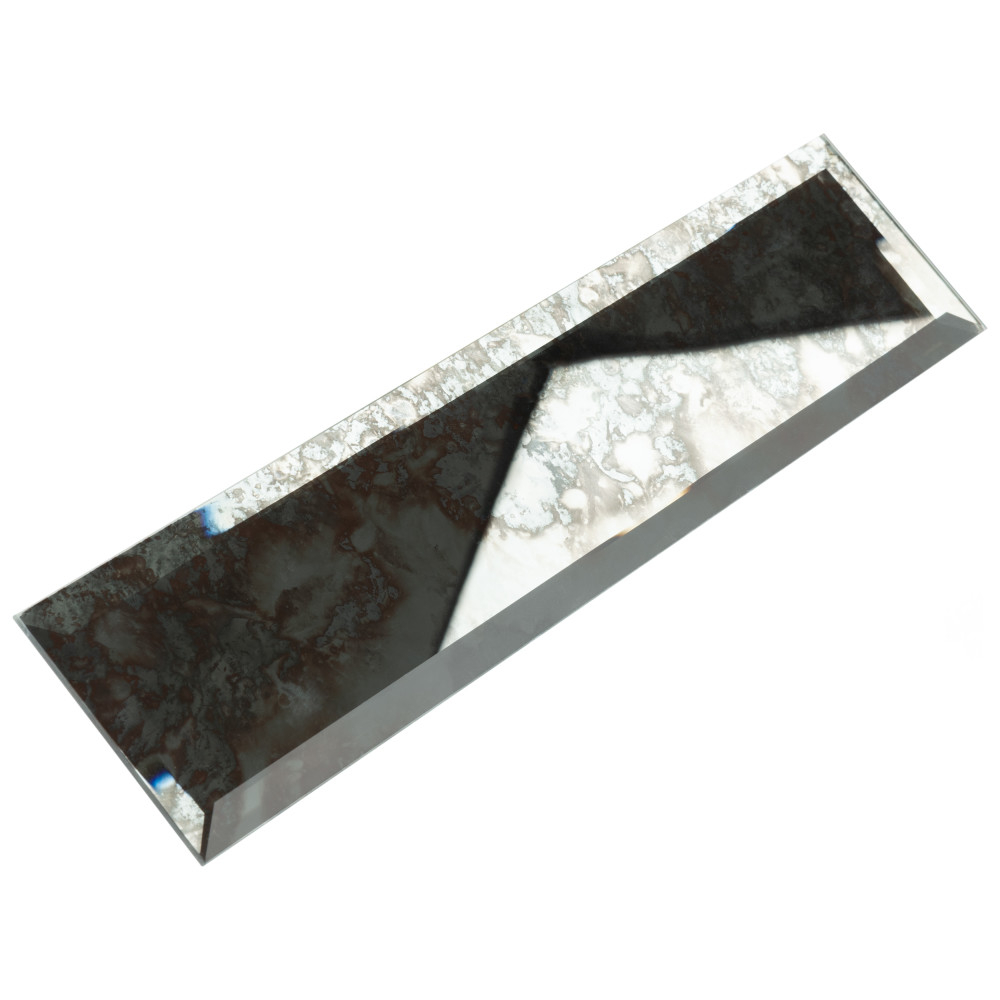
Antique mirrors are much more than just reflective surfaces; they are windows into the past, holding stories and adding a touch of elegance to any space. Preserving these treasures, though, needs a gentle touch and a smart approach. In this article, I’ll share my trusted methods for keeping your antique mirror glass looking its best for generations to come. We will explore the dos and don'ts, the best cleaning methods, and how to protect your precious antique mirrors from damage, ensuring their timeless appeal endures.
Antique mirrors carry a unique charm. They're not just functional objects; they are pieces of history, reflecting not only our image but also the craftsmanship and artistry of bygone eras. The glass in these mirrors, often aged and flawed in the most beautifull ways, tells a story, making each piece unique. Proper care is essential to maintaining their beauty and, importantly, their value. This isn't just about cleaning; it's about preservation. It's about safeguarding a little piece of the past and ensuring it continues to shine for all to admire. Are you ready to learn how to do just that?
Understanding Antique Mirror Glass: What Makes It Special?
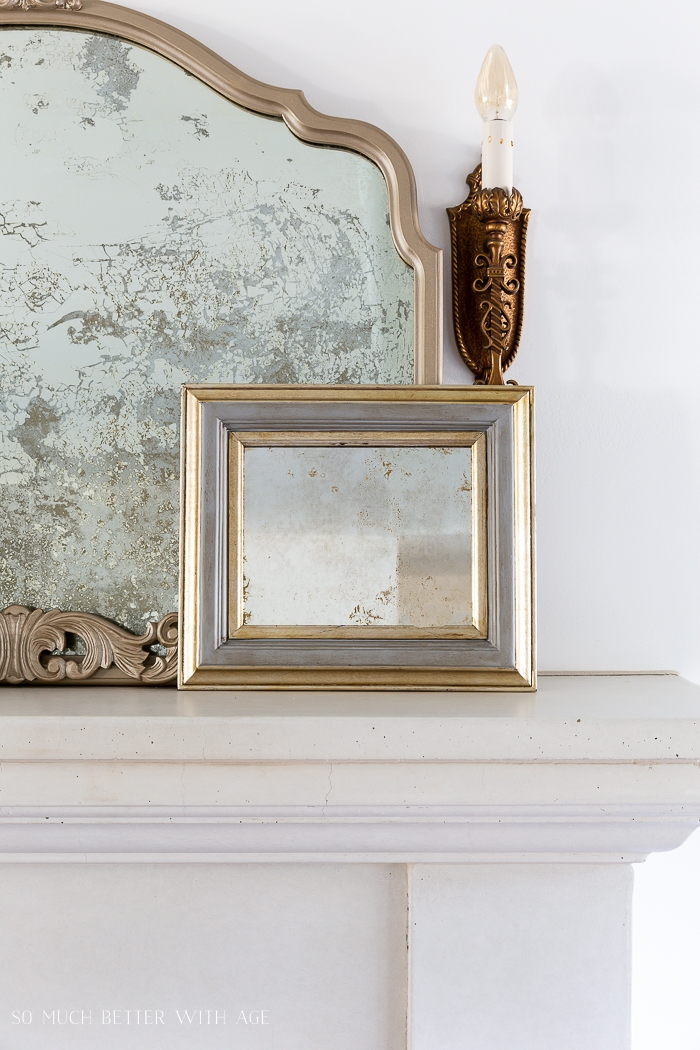
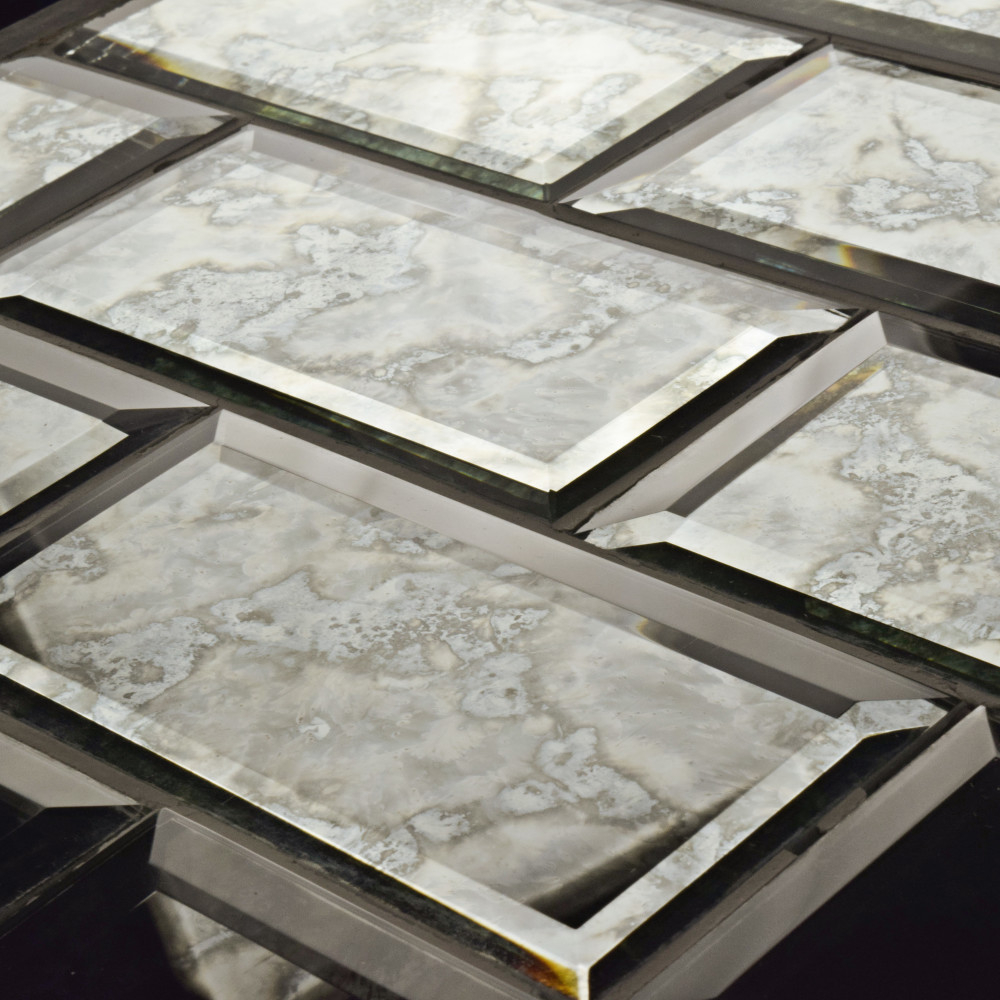
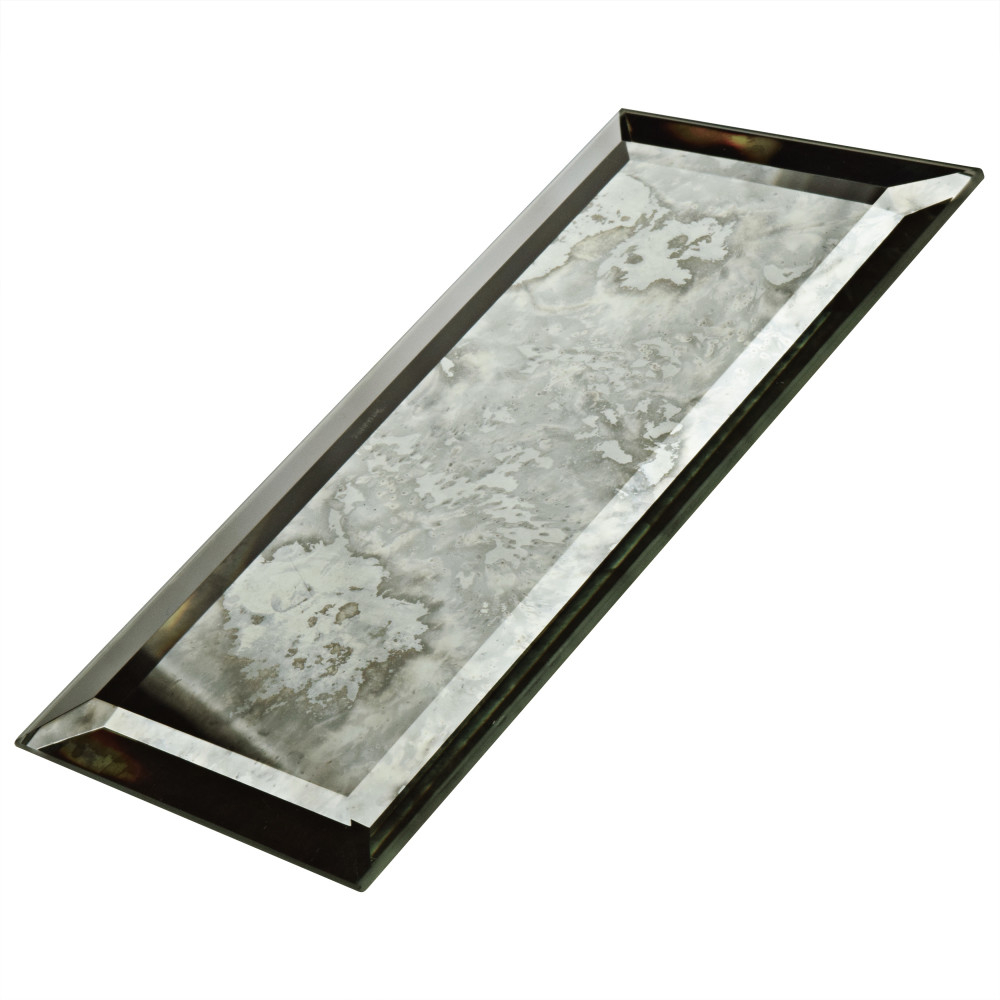
Before we get into cleaning, let's talk about what makes antique mirror glass so special. Unlike modern mirrors, antique mirrors often have imperfections, such as slight waves or bubbles in the glass, and a backing made of various materials, including silver, mercury, or a silver-mercury amalgam. These backings are delicate and susceptible to damage from moisture, harsh chemicals, or abrasive cleaning. Also, the glass itself can be more fragile due to its age and the manufacturing techniques used. Knowing the composition of your antique mirror is crucial for choosing the right cleaning and care methods.
The Golden Rule: Avoid Harsh Chemicals and Abrasives
One of the most importnt rules for caring for antique mirror glass is to avoid harsh chemicals and abrasive cleaners. These can strip away the delicate backing, causing black spots, clouding, or even total loss of the reflective surface. Never, and I mean never, use ammonia, vinegar (yes, even diluted), or commercial glass cleaners. Abrasive materials like scrub brushes, steel wool, or even paper towels can scratch the glass and damage the backing. Instead, opt for gentle, pH-neutral cleaners specifically designed for delicate surfaces, or stick to the tried-and-true method of mild soap and water.
The Gentle Cleaning Method: Step-by-Step Guide
Here's how to safely clean your antique mirror glass:
- Gather Your Supplies: You'll need distilled water, a very mild soap (like a gentle dish soap), soft cotton cloths or microfiber cloths, and optionally, a small spray bottle.
- Mix Your Cleaning Solution: In your spray bottle or a small bowl, mix a few drops of the mild soap with distilled water. Avoid using tap water, as the minerals can leave streaks.
- Test in an Inconspicuous Area: Before cleaning the entire mirror, test your cleaning solution in a small, hidden area to ensure it doesn't react negatively with the backing.
- Gently Wipe the Surface: Dip your soft cloth in the cleaning solution, wring it out thoroughly so it's damp, not wet, and gently wipe the surface of the mirror. Avoid saturating the edges, where moisture can seep in.
- Rinse and Dry: Use a clean cloth dampened only with distilled water to rinse away any soap residue. Immediately dry the mirror with a clean, dry, and soft cloth, buffing gently to remove any streaks. If you notice streaking, try using a different, clean cloth.
Addressing Specific Issues: Spots, Stains, and Damage
Sometimes, you might encounter specific issues. For example, black spots can appear on the backing due to moisture or age. While these can be challenging to remove without causing further damage, you can try gently dabbing the area with a cotton swab dipped in distilled water, but be careful not to rub, and always dry the area thoroughly. For more persistent stains or damage, it's best to consult with a professional mirror restorer. They have the expertise and tools to address these issues without compromising the mirror's integrity. Remember, patience and a gentle touch are key.
Protecting Your Antique Mirror: Environmental Considerations
Besides cleaning, the environment plays a big part in the preservation of your antique mirror. Avoid placing the mirror in areas with high humidity, such as bathrooms, as this can accelerate the degradation of the backing. Keep the mirror away from direct sunlight, which can fade the frame and potentially damage the glass over time. When moving the mirror, handle it with extreme care, supporting the frame and the glass to prevent any stress fractures. Consider also, where appropriate, investing in a custom-made protective cover, especially if the mirror will be stored for long periods. This will help shield it from dust, light, and accidental bumps.
When to Seek Professional Help: Knowing Your Limits
While many cleaning and maintenance tasks can be done at home, there are situations when it's best to call in the professionals. If your mirror has significant damage, such as severe black spotting, flaking backing, or cracks in the glass, a professional restorer can assess the damage and recommend the best course of action. Attempting to repair these issues yourself could make the situation worse. Similarly, if you're unsure about any aspect of the cleaning process, or if you're dealing with a particularly valuable or historically significant mirror, it's always wise to consult an expert. They have the experience and knowledge to ensure your precious antique mirror is treated with the care it deserves.
Caring for your antique mirror is an act of preservation, a way to honor the past and ensure its legacy continues. By following these guidelines, you can enjoy the beauty of your antique mirror for years to come, and you can also pass it down to future generations. Remember, gentle cleaning, careful handling, and a mindful approach are the keys to keeping your antique mirror glass in pristine condition. The reflections it holds are not just of our image, but of history, craftsmanship, and enduring beauty. So, treat your antique mirror with the respect it deserves, and it will continue to reflect the best of times, and the best of you.