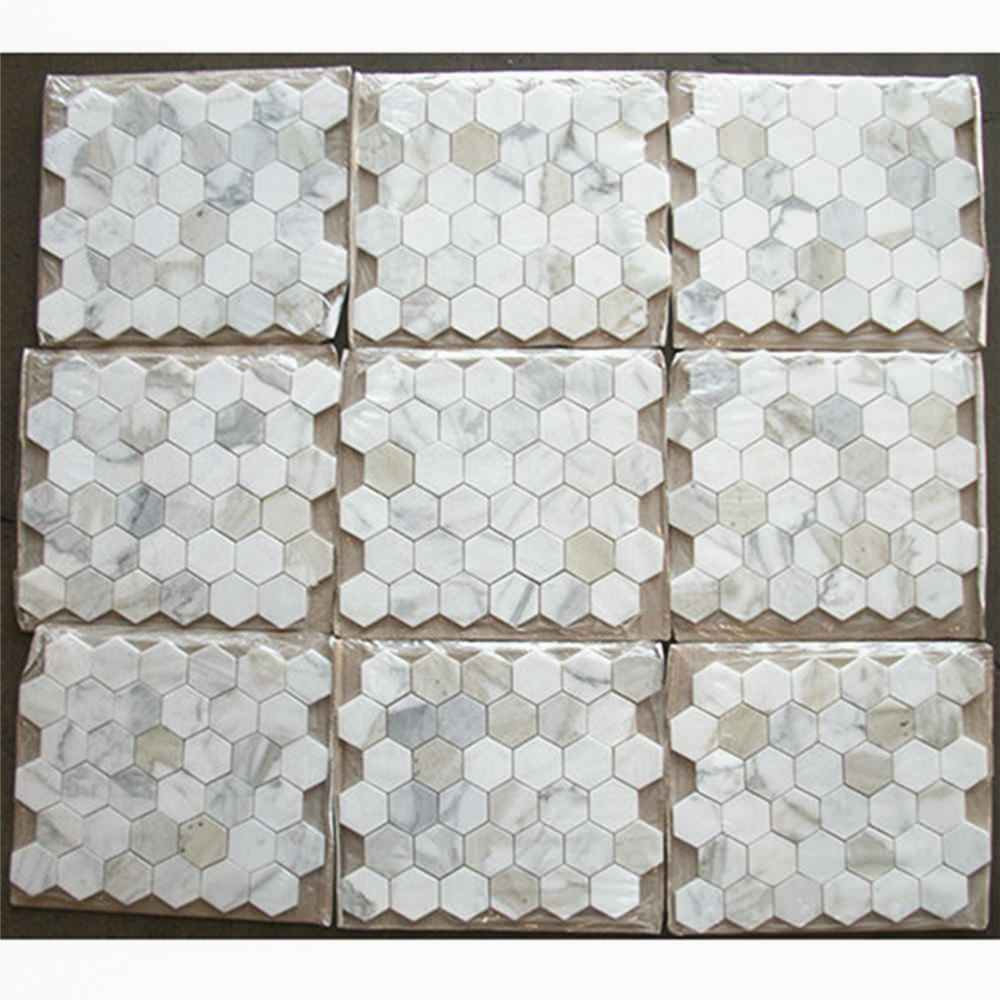
Hello everyone, it's your favorite design enthusiast here! Today, we're diving deep into the world of one of the most luxurious and sought-after materials in the design world: Calacatta Gold marble. It's more than just a pretty stone; it's a testament to nature's artistry and human craftsmanship. We'll be tracing its path, from its humble beginnings deep within the earth, all the way to gracing the surfaces of our kitchens and bathrooms. Get ready for a fascinating journey that will deepen your appreciation for this timeless material.
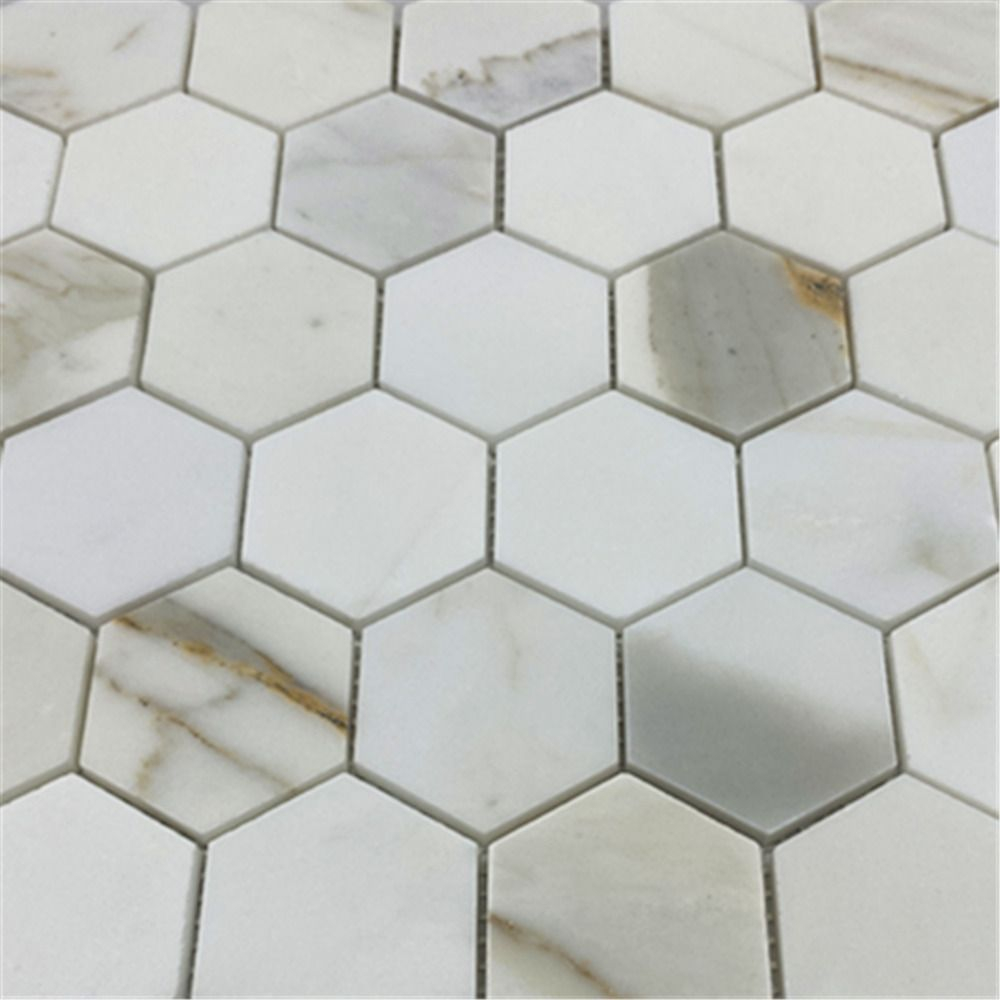
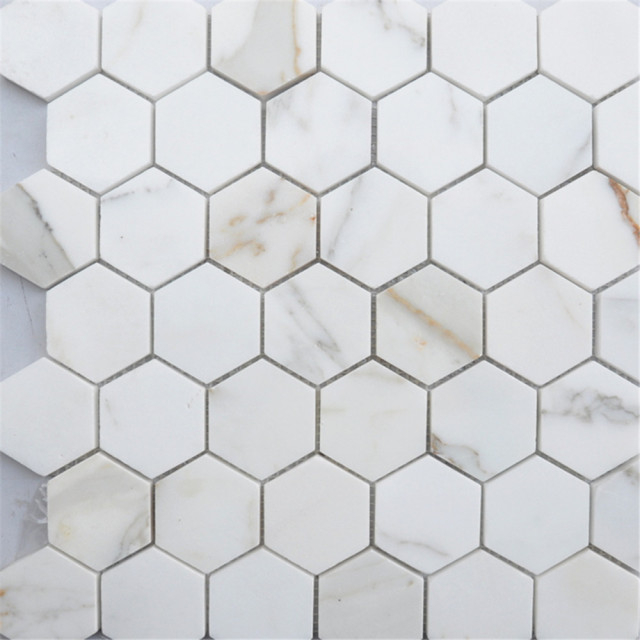
Calacatta Gold marble is a name that whispers of opulence and beauty. Its creamy white background, boldly intersected by dramatic gold and gray veining, has captured the hearts of designers and homeowners for centuries. But have you ever wondered about the story behind this exquisite stone? How is it extracted, and what makes it so unique? This article will take you from the Italian quarries, where this treasure is born, through the various stages of production, and finally, to its place of honor in your home. We'll explore the science, the art, and the labor that goes into bringing this natural wonder to life. Get ready to see your kitchen countertops in a whole new light... and to appreciate the journey this material has taken.
The Genesis: Unearthing Calacatta Gold in Italy
The story of Calacatta Gold starts in the Apuan Alps, near Carrara, Italy. This region, renowned for its marble deposits, is where the magic begins. The marble forms deep underground, the result of intense pressure and heat acting on limestone over millions of years. It's a slow, patient process, creating the beautiful, unique patterns we admire.
The Quarrying Process:
- Selection: Only the finest blocks, free of imperfections and with the most striking veining, are selected for Calacatta Gold.
- Extraction: Massive diamond-tipped saws are used to carefully cut the marble from the mountainside. This is a delicate operation, requiring precision to avoid damaging the stone.
- Block Formation: The extracted marble is then cut into large blocks, ready for the next stage of production. Each block is like a unique work of art, waiting to be revealed.
From Block to Slab: Shaping the Marble
Once the marble blocks are extracted, they're transported to processing facilities. Here, the raw blocks undergo a transformation, becoming the polished slabs we see in showrooms and homes. This process involves several steps, each crucial to preserving and enhancing the marble's natural beauty.
The Fabrication Steps:
- Slicing: The blocks are cut into slabs of varying thicknesses using large gang saws or diamond-wire saws.
- Resining: Imperfections, such as small cracks and fissures, are filled with resin to strengthen the slab and enhance its appearance. This is a critical step for durability and aesthetic appeal.
- Polishing: The slabs are polished using a series of abrasive pads, gradually smoothing the surface and bringing out the marble's natural luster. The level of shine can be adjusted, from a matte honed finish to a high-gloss polished finish.
The Art of the Finish: Surface Treatments & Applications
Once the slabs are polished, they're ready for a variety of applications. The finish and treatment of the marble play a huge role in its final look and performance. Different finishes offer different aesthetic and practical advantages.
Finishing Options:
- Polished: A high-shine finish, reflecting light and enhancing the veining. Ideal for countertops and wall cladding.
- Honed: A matte finish, offering a more understated look. More resistant to scratches and easier to maintain.
- Leathered: A textured surface, creating a tactile experience and hiding scratches. Adds a rustic and unique look.
- Brushed: Similar to leathered, but with a more subtle texture.
Applications: Calacatta Gold is a versatile material, used in various spaces: kitchen countertops, bathroom vanities, flooring, wall cladding, and even furniture.
The Importance of Sourcing and Quality Control
Not all Calacatta Gold marble is created equal. The quality of the stone, the accuracy of the cutting, and the skill of the finishing are all very important. When selecting Calacatta Gold, it's important to consider the following:
- Origin: Authentic Calacatta Gold hails from the Carrara region in Italy.
- Veining: The pattern and intensity of the veining is a key factor. Look for bold, consistent veining with a beautiful color contrast.
- Color: The background color should be a creamy white, free from yellowing or discoloration.
- Quality Control: Work with a reputable supplier who can guarantee the quality and origin of the marble. Proper inspection is important.
Choosing high-quality marble ensures both the beauty and longevity of your investment. Don't skimp on this part; it's worth it.
Caring for Your Calacatta Gold: Tips for Longevity
Calacatta Gold is a durable material, but it requires regular care to maintain its beauty. Proper maintenance will ensure your marble surfaces last for years.
Care Tips:
- Sealing: Seal your marble regularly to protect it from stains and spills. Sealing creates a barrier, preventing liquids from penetrating the stone.
- Cleaning: Clean with a pH-neutral cleaner specifically designed for marble. Avoid harsh chemicals or abrasive cleaners.
- Spills: Wipe up spills immediately, especially acidic substances like lemon juice or vinegar, which can etch the marble.
- Avoid Heat: Use trivets or hot pads to protect your countertops from heat damage.
By following these simple tips, you can enjoy the elegance of Calacatta Gold for many years to come.
Sustainability: The Future of Marble Production
The marble industry is increasingly focused on sustainability. It's important to consider the environmental impact of any material, and marble is no exception. Several initiatives are helping to make marble production more eco-friendly.
Sustainable Practices:
- Responsible Quarrying: Quarries are striving to minimize their environmental footprint by reducing waste, restoring landscapes, and using water efficiently.
- Recycling: Marble scraps and offcuts are being repurposed into other products, like tiles, mosaics, and even landscaping materials.
- Sustainable Certification: Look for suppliers who adhere to sustainable practices and offer certified marble.
By making informed choices, you can enjoy the beauty of Calacatta Gold while supporting sustainable practices. This is a big step!
So there you have it – a journey from the heart of the Apuan Alps to your beautiful kitchen. We've explored the fascinating process of Calacatta Gold marble production, from the initial extraction to the final installation. It's a story of nature's artistry, human skill, and a timeless material that continues to captivate.
I hope this article has given you a deeper appreciation for this stunning stone and the effort that goes into bringing it to your home. Next time you see a Calacatta Gold countertop, remember its incredible story and the journey it took to get there. It's a true testament to beauty, durability, and the enduring power of natural materials. Thanks for being here, and until next time, keep exploring the world of design – it’s full of wonder and beauty. And, don't forget to seal your marble.