Marble, with its timeless elegance and inherent beauty, has been a symbol of luxury for centuries. From ancient sculptures to modern countertops, its unique veining and polished surface add a touch of sophistication to any space. But owning marble isn't just about aesthetics; it's also about understanding its delicate nature and learning how to care for it properly. This comprehensive guide will walk you through everything you need to know about maintaining your marble, ensuring its longevity and preserving its stunning appearance for years to come. We'll cover cleaning, protection, and how to tackle common problems, turning you into a marble maintenance master.
Marble, a metamorphic rock formed from limestone, is a gorgeous and durable material, but it's also porous and susceptible to damage if not cared for correctly. Think of it like a fine wine; it needs the right conditions to age gracefully. This article is your guide to understanding those conditions, helping you to avoid common pitfalls and ensure your marble surfaces remain a source of pride. We'll go over the do's and don'ts, providing practical advice you can put into practice right away. Let's get started and make sure your marble stays as beautiful as the day you got it.
Understanding Marble's Personality: The Basics of Care
Before you start cleaning, it's vital to understand marble's unique traits. Its porous nature means it can easily absorb liquids, leading to stains. It's also sensitive to acidic substances like lemon juice, vinegar, and certain cleaning products, which can etch the surface and dull its shine.
- Sealing is Key: Most marble surfaces benefit from sealing. This creates a protective layer that prevents liquids from penetrating the stone, making cleaning much easier. Sealers need to be reapplied periodically, depending on usage and the type of sealer.
- Gentle Cleaning is Essential: Harsh chemicals are marble's enemy. Always use pH-neutral cleaners specifically designed for marble. Avoid abrasive cleaners, scouring pads, and anything that could scratch the surface.
- Immediate Action is Best: Spills should be cleaned up immediately. The longer a liquid sits on marble, the greater the chance of staining. Blot, don't wipe, to avoid spreading the spill.
The Cleaning Arsenal: What You Need and How to Use It
Building your marble cleaning kit doesn't require a lot of special stuff. In fact, many of the things you need you probably already have. Here's what to keep on hand:
- pH-Neutral Marble Cleaner: This is the workhorse of your cleaning routine. Look for products specifically formulated for marble and natural stone.
- Soft Cloths or Microfiber Towels: Avoid abrasive materials. Microfiber is excellent for its ability to trap dirt and dust.
- Warm Water: Often, a simple solution of warm water and a mild cleaner is all you need for everyday cleaning.
- Squeegee (for showers and wet areas): This helps prevent water spots and soap scum buildup.
Cleaning Routine:
- Dusting: Start by dusting the surface with a soft cloth to remove loose dirt and debris.
- Cleaning Solution: Mix your marble cleaner according to the product instructions.
- Application: Apply the cleaner to the surface with a soft cloth.
- Wiping: Wipe the surface gently, using a clean part of the cloth as you go.
- Rinsing (if necessary): Some cleaners require rinsing with clean water. Follow the product's instructions.
- Drying: Dry the surface thoroughly with a clean, dry cloth to prevent water spots. And remember, always test any cleaner in an inconspicuous area first, just to be sure it doesn't affect the finish.
Protection is Prevention: Shielding Your Marble from Damage
Protecting your marble is just as important as cleaning it. Preventing damage in the first place will save you a lot of trouble down the road. Here's how:
- Sealing: As mentioned before, sealing is a must. Reapply the sealer every 6-12 months, or as recommended by the manufacturer. The frequency of application depends on the type of sealer and the amount of use the surface gets.
- Use Coasters & Trivets: Always use coasters under glasses, especially those containing acidic beverages like juice, wine or soda. And use trivets under hot pots and pans to prevent heat damage.
- Mats and Runners: In high-traffic areas, consider using mats or runners to protect the marble from scratches and wear.
- Avoid Abrasives: Never use abrasive cleaners, scouring pads, or steel wool on your marble.
- Promptly Address Spills: Wipe up spills immediately, before they have a chance to penetrate the surface. Even a small amount of liquid can cause a stain if left for too long.
Dealing with Stains and Etching: Troubleshooting Common Issues
Even with the best care, accidents can happen. Here's how to address common marble problems:
Stains: Identify the type of stain (oil-based, organic, etc.) and choose the appropriate poultice. Poultices are mixtures of absorbent materials (like baking soda or diatomaceous earth) and a solvent (like water or acetone) that draw the stain out of the marble. Apply the poultice to the stain, cover it with plastic wrap, and let it sit for 24-48 hours. Rinse and repeat as needed.
Etching: Etching is caused by acidic substances. If the etching is minor, you might be able to polish it out with a marble polishing compound. For more severe etching, you may need to call in a professional.
Scratches: Minor scratches can often be buffed out with a marble polishing compound. For deep scratches, professional help is usually needed.
Water Spots: These are often caused by hard water. Wipe them away with a soft cloth. If they persist, consider using a marble cleaner designed to remove water spots.
DIY vs. Professional Help: When to Call in the Experts
While many marble maintenance tasks are easily handled at home, there are times when professional help is necessary. Here's when you should consider calling in the experts:
- Severe Stains: If you've tried poultices and the stain persists, it's time to call a professional.
- Deep Etching or Scratches: Attempting to fix these yourself could make the problem worse. Professionals have the right tools and expertise to restore the marble's surface.
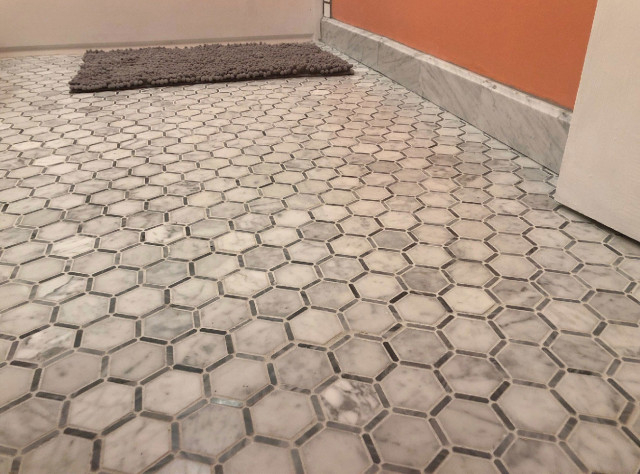
- Large Areas: If you have a large marble surface, such as a floor, it's often more efficient to hire a professional for cleaning, sealing, and polishing.
- Restoration Projects: If you're undertaking a major restoration project, such as repairing a damaged marble sculpture or fireplace, always consult a professional.
Finding a Qualified Professional:
- Ask for recommendations: Get referrals from friends, family, or your contractor.
- Check credentials: Make sure the professional is licensed and insured.
- Review their portfolio: Look at their past work to ensure they have experience with marble.
- Get a quote: Obtain quotes from multiple professionals before making a decision.
Marble Care Through the Seasons: Adapting Your Routine
The care your marble needs can vary depending on the season and the environment it's in. Here's how to adapt your routine:
Winter: During winter, indoor humidity levels often drop, which can affect the marble. Consider using a humidifier to maintain a consistent level of moisture. Protect the marble from salt and other de-icing agents that could be tracked indoors.
Summer: In summer, increased humidity can sometimes lead to water spots or condensation. Ensure good ventilation and wipe down surfaces regularly. Be cautious of direct sunlight, which can fade or damage some types of marble.
Outdoor Marble: Outdoor marble requires extra care. Seal it properly and regularly. Protect it from the elements, including rain, snow, and sun. Clean it more frequently to remove dirt, algae, and other debris.
Overall: Always keep your marble clean and dry, regardless of the season. Regular cleaning and maintenance will help preserve its beauty and lifespan.
Caring for your marble is an ongoing process, but the rewards are well worth the effort. By understanding its unique characteristics, following the right cleaning and protection methods, and addressing any issues promptly, you can ensure your marble surfaces remain a stunning feature of your home for many years to come. Remember, consistency is key. Regular maintenance and a little bit of care will keep your marble looking its best, allowing you to enjoy its timeless beauty and elegance. So, embrace the journey of marble ownership, and revel in the splendor it brings to your living space. Your marble is a worthwhile investment, and with the correct care, it will continue to be a source of pride and enjoyment.