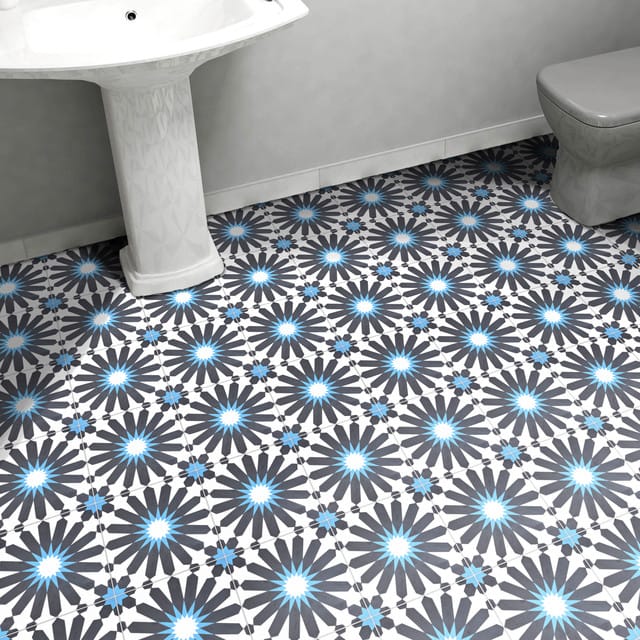
For years, I've been infatuated with the artistry and robustness of handmade cement tiles. There's just something about them – the way light dances across their surfaces, the rich colors that seem to deepen with time, and the undeniable feeling of quality. They're not just floor or wall coverings; they're little works of art, each one telling a story of skilled craftsmanship and enduring beauty. But beyond their aesthetic appeal, there's a practical side to these tiles that often gets overlooked. Today, we're going to dive deep into the world of handmade cement tiles, exploring not only their stunning looks but also, vitally, their remarkable durability. We'll unpack what makes them stand apart, how they're made, and how, with the right care, they can last for generations.
Handmade cement tiles have experienced a massive resurgence in popularity, and with good reason. They offer a captivating blend of visual appeal, unique character, and long-lasting performance. But what exactly makes them so durable? What are the secrets to their longevity? And how do you ensure they stay beautiful for years to come? This article is your deep dive into the world of these beautiful tiles, answering these questions and more. Prepare to be informed, inspired, and maybe even a little bit tempted to start your own cement tile project!
The Craftsmanship: How Handmade Cement Tiles Are Made
The creation of a handmade cement tile is a true testament to the power of human skill. It's not a process that can be easily replicated by machines, which is a huge part of the allure, and the durability. Here's a quick rundown of the steps involved:
- The Mold: First, a mold is created, usually made of brass, to define the tile's design and shape. These molds are often incredibly intricate, allowing for a wide range of patterns, from simple geometric shapes to complex floral designs.
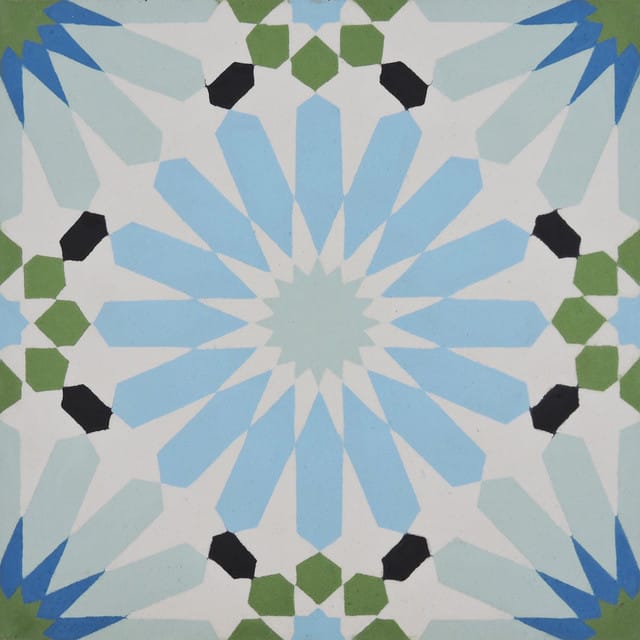
- The Pigment Layer: Color is added first. Artisans carefully pour a mix of colored cement, pigments, and marble powder into the mold. This layer is what will give the tile its beautiful surface design.
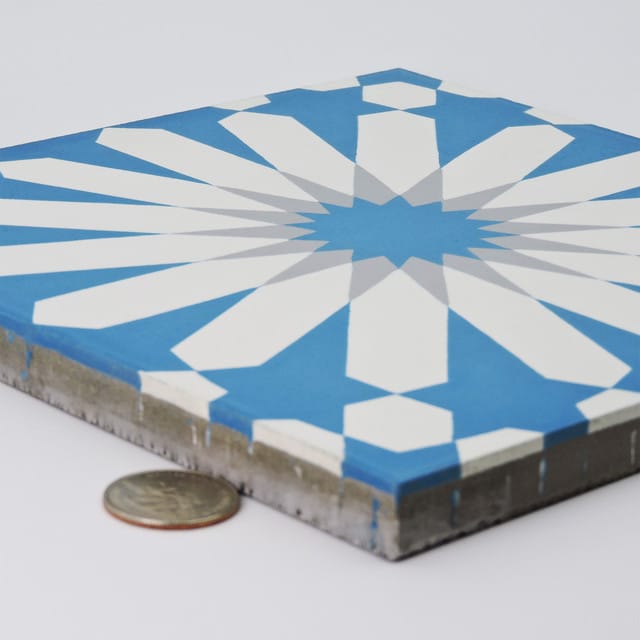
- The Body: Next, a base layer of cement, sand, and water is added to the mold. This provides the structural foundation for the tile.
- The Press: The mold is then placed in a hydraulic press, where immense pressure is applied. This compacts the cement layers, creating a dense and durable tile.
- The Curing Process: Finally, the tiles are removed from the mold and left to cure. This process, which can take several weeks, allows the cement to fully harden, and this is a crucial step for durability. The longer the cure, the stronger the tile. This is where the true magic, and the strength, happens.
The Secrets to Longevity: What Makes Cement Tiles Durable?
Several factors contribute to the remarkable durability of handmade cement tiles:
- High Density: The hydraulic pressing process creates a tile with high density. This density makes it resistant to impact, abrasion, and water penetration. This is super important.
- Natural Materials: The use of natural materials, such as cement, sand, and pigments, means these tiles aren't prone to the same issues as some other materials, like warping or fading. The materials are naturally quite robust.
- Surface Hardness: While the surface design is beautiful, the top layer also acts as a protective barrier. With proper sealing and care, this surface can withstand heavy foot traffic and everyday wear-and-tear.
- Repairability: Unlike some other flooring options, cement tiles can often be repaired if damaged. A chipped tile can often be replaced, keeping the overall look consistent.
Beyond Beauty: Where Can You Use Cement Tiles?
One of the best things about cement tiles is their versatility. They can be used in a huge variety of spaces, both inside and out. Here are some ideas:
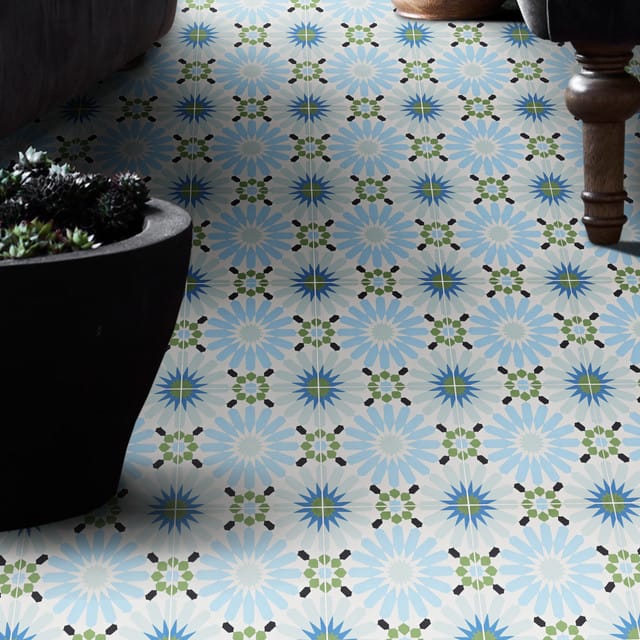
- Floors: This is probably the most common use. Cement tiles are perfect for entryways, kitchens, bathrooms, and living areas. They can handle a lot of foot traffic.
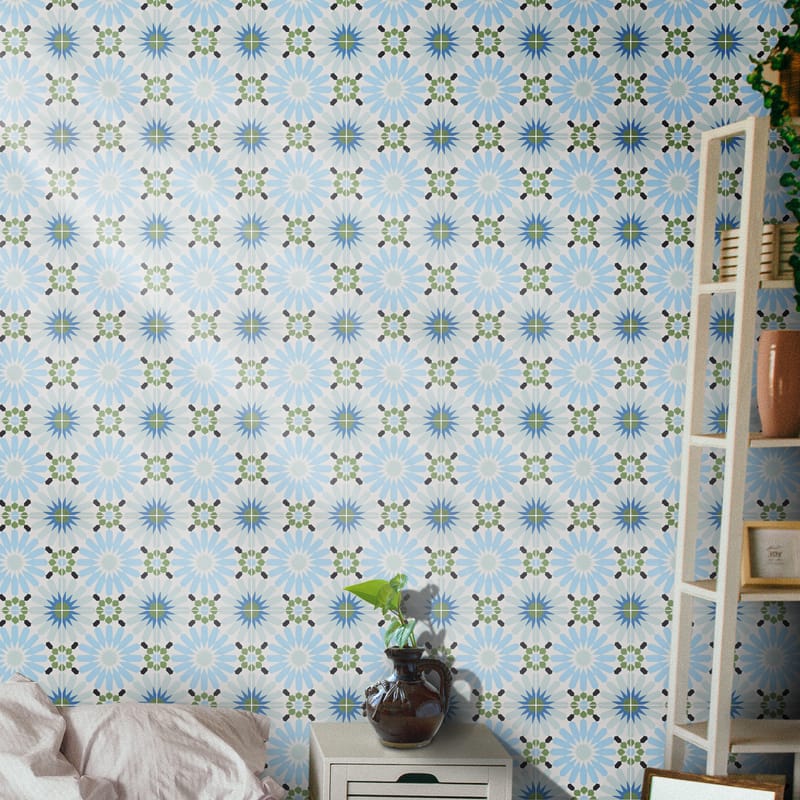
- Walls: Use them as a stunning accent wall, backsplash, or even in a shower. They add a pop of color and pattern.
- Patios and Outdoor Spaces: Many cement tiles are suitable for outdoor use, creating a stylish and durable patio or walkway. Just be sure to choose tiles specifically rated for outdoor conditions.
- Commercial Spaces: Restaurants, shops, and hotels often use cement tiles to create a unique and inviting atmosphere. They are made to last, after all.
Caring for Your Cement Tiles: Maintenance Tips
Proper maintenance is crucial to ensure the longevity of your cement tiles. Here are a few essential tips:
- Sealing is Key: Before installation, and then periodically thereafter, seal your tiles. Sealing protects them from stains and water damage. This is a MUST.
- Regular Cleaning: Clean your tiles regularly with a pH-neutral cleaner. Avoid harsh chemicals or abrasive cleaners, which can damage the surface.
- Prompt Spill Cleanup: Wipe up spills immediately to prevent staining. The sooner you clean up a spill, the less chance it has of penetrating the surface.
- Protective Measures: Use doormats at entrances to catch dirt and debris. Consider using furniture pads under heavy furniture to prevent scratches. Small things make a big difference and will keep your tiles looking good for longer.
- Re-Sealing: Re-seal your tiles every few years, depending on the amount of foot traffic and use. This will keep them protected and looking their best.
Common Misconceptions About Cement Tiles and Durability
There are a few common myths about cement tiles that I'd like to debunk:
- Myth: Cement tiles are difficult to maintain.Reality: With proper sealing and a little care, they are actually quite easy to maintain.
- Myth: Cement tiles are only suitable for certain design styles.Reality: They are incredibly versatile and can work in a wide range of styles, from modern to traditional.
- Myth: Cement tiles are prone to cracking.Reality: While they can crack under extreme stress or improper installation, they are generally very durable, especially if installed by a professional.
- Myth: Cement tiles are too expensive.Reality: While they can be more expensive than some other options, the long-term durability and beauty often make them a good investment.
The Future is Timeless: Why Choose Cement Tiles?
Handmade cement tiles offer a rare combination of beauty, durability, and a connection to traditional craftsmanship. They are a sustainable choice, as they are made from natural materials and can last for generations. They add character to any space and offer a unique way to express your personal style. Choosing cement tiles means investing in a piece of art that will enhance your home for years to come. With the right care, these tiles are a lasting symbol of style, strength, and a commitment to quality. You will not regret your decision.
In the world of flooring and design, handmade cement tiles truly stand apart. They are a testament to the enduring beauty of craftsmanship, the strength of natural materials, and the power of timeless design. From their meticulous creation to their remarkable longevity, these tiles offer a compelling combination of aesthetics and practicality. By understanding their construction, embracing proper care, and dispelling common misconceptions, you can confidently incorporate these stunning tiles into your space and enjoy their beauty for years to come. So, go forth, explore the world of cement tiles, and let their enduring allure inspire your next design project and bring you joy. And don't forget to share your experiences with me; I'd love to see what you do.