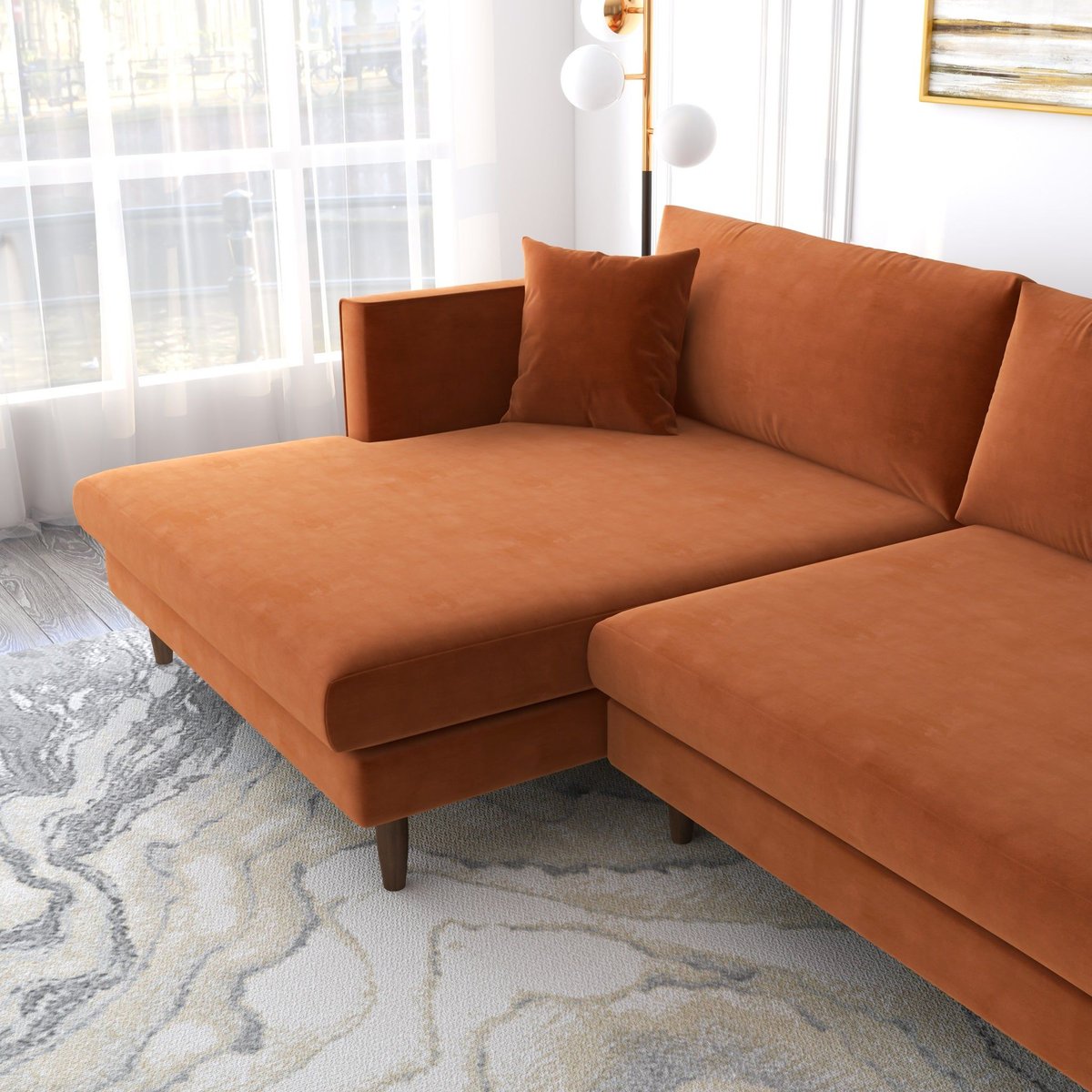
We all have those pieces of furniture that just feel right. Maybe it's the worn-in comfort of your favorite armchair or the sturdy reliability of your dining table. But what happens when a piece of furniture isn't just functional, but a statement? What if it’s a little quirky, a bit unexpected, and tells a story about a whole design movement? This is where our journey into post-modern design begins, with a rather special loveseat.
Post-modern design, at its core, is a reaction against the strict, often rigid rules of modernism. Think clean lines and minimalism versus bold colors, playful shapes, and a healthy dose of irony. It’s a movement that embraces complexity, contradiction, and a bit of fun. And what better way to understand this fascinating era than by looking at a single, iconic object that embodies its spirit? Let’s take a closer look at a hypothetical, yet representative, post-modern loveseat.
The Loveseat's Unexpected Form
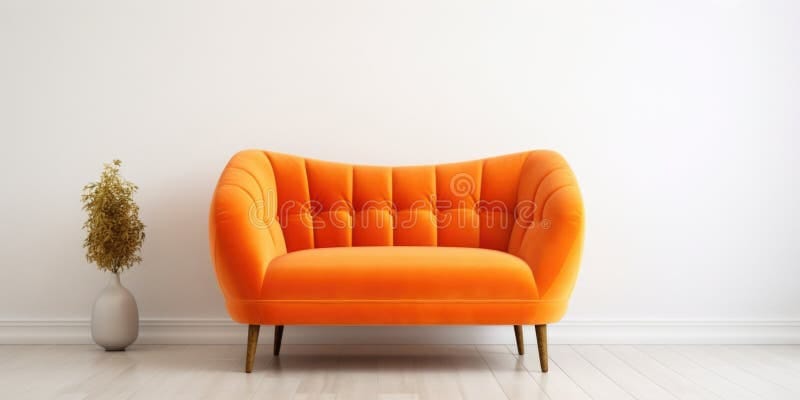
Imagine a loveseat that doesn't quite look like any loveseat you've seen before. Instead of a simple rectangular frame, perhaps it has asymmetrical arms, one higher than the other. Maybe its legs are spindly and brightly colored, or even shaped like animal legs. This is classic post-modernism at play. It rejects the idea that furniture has to be predictable. It’s about challenging conventions and surprising the viewer. This deviation from the norm isn't just for show; it’s a deliberate choice to inject personality and wit into everyday objects. It’s like the designer is winking at you, saying, 'I know this is a chair, but isn't it more interesting this way?
A Symphony of Colors and Materials
Modernism favored muted tones and natural materials. Post-modernism, on the other hand, throws the rulebook out the window. Our loveseat might feature a vibrant mix of colors – a shocking pink cushion against a teal frame, perhaps, or stripes and polka dots sharing the same upholstery. And the materials? They’re not afraid to mix and match. You might find polished chrome alongside raw wood, or glossy laminate next to plush velvet. This playful juxtaposition of textures and hues creates a visual feast. It’s a deliberate embrace of the artificial and the eclectic, celebrating the joy of combining seemingly disparate elements into a cohesive, albeit unconventional, whole.
Quotation and Reference: The Deeper Meaning
Post-modern design often borrows from the past, but not in a straightforward way. It’s more like a clever collage. Our loveseat might subtly reference a historical furniture style, but with a twist that makes it feel new and ironic. Think of a classic Queen Anne leg, but rendered in neon plastic. This is known as 'pastiche' or 'quoting' historical styles. It’s a way of acknowledging design history while simultaneously subverting it. It invites the viewer to recognize the reference, and then appreciate the playful reinterpretation. It’s a conversation about design, history, and culture, all wrapped up in a piece of furniture.
The Playful and the Ironic
One of the most defining characteristics of post-modernism is its sense of humor and irony. Our loveseat isn't taking itself too seriously. It might have exaggerated proportions, or perhaps a hidden compartment with a funny inscription. It’s about injecting a sense of lightheartedness and even subversion into the design. It challenges the notion that design must always be serious and functional. Instead, it suggests that design can also be a source of amusement, a way to question norms, and a reflection of a more complex, often paradoxical, world. It’s a delightful departure from the austere. This is what makes it so charming; it’s relatable and unexpected.
Context is Key: The Loveseat in its Environment
A post-modern loveseat rarely exists in isolation. It thrives in an environment that complements its eclectic nature. Imagine it placed in a room with other mismatched pieces – perhaps a sleek, modern lamp and an antique rug. This deliberate mixing of styles and periods is a hallmark of post-modern interiors. It’s about creating a layered, rich, and personal space that reflects a multitude of influences and tastes. The loveseat becomes a focal point, a conversation starter, and a testament to the beauty of the unconventional. It shows that harmony doesn't always mean uniformity.
The Enduring Appeal of the Unexpected
So why does this style, and our beloved loveseat, continue to captivate us? It’s because post-modernism offers an escape from the mundane. It celebrates individuality, creativity, and the joy of surprise. In a world that can often feel predictable, these designs remind us to embrace the quirky, the unexpected, and the delightfully imperfect. The loveseat, in its unique form, color, and spirit, becomes more than just a place to sit; it’s a symbol of a design philosophy that values personality, wit, and a good dose of fun. It’s a testament to the fact that our living spaces can, and should, reflect the richness and complexity of our lives.
Looking at a post-modern loveseat reveals so much about the movement it represents. It’s a blend of history and rebellion, seriousness and playfulness, order and delightful chaos. It teaches us that design doesn't have to be confined by rigid rules, and that true charm often lies in the unexpected. So, the next time you encounter a piece of furniture that makes you pause, question, or even chuckle, take a moment to appreciate the post-modern spirit it embodies. It's a reminder that our spaces can be as vibrant and unique as we are.
Related Posts
 Uncategorized
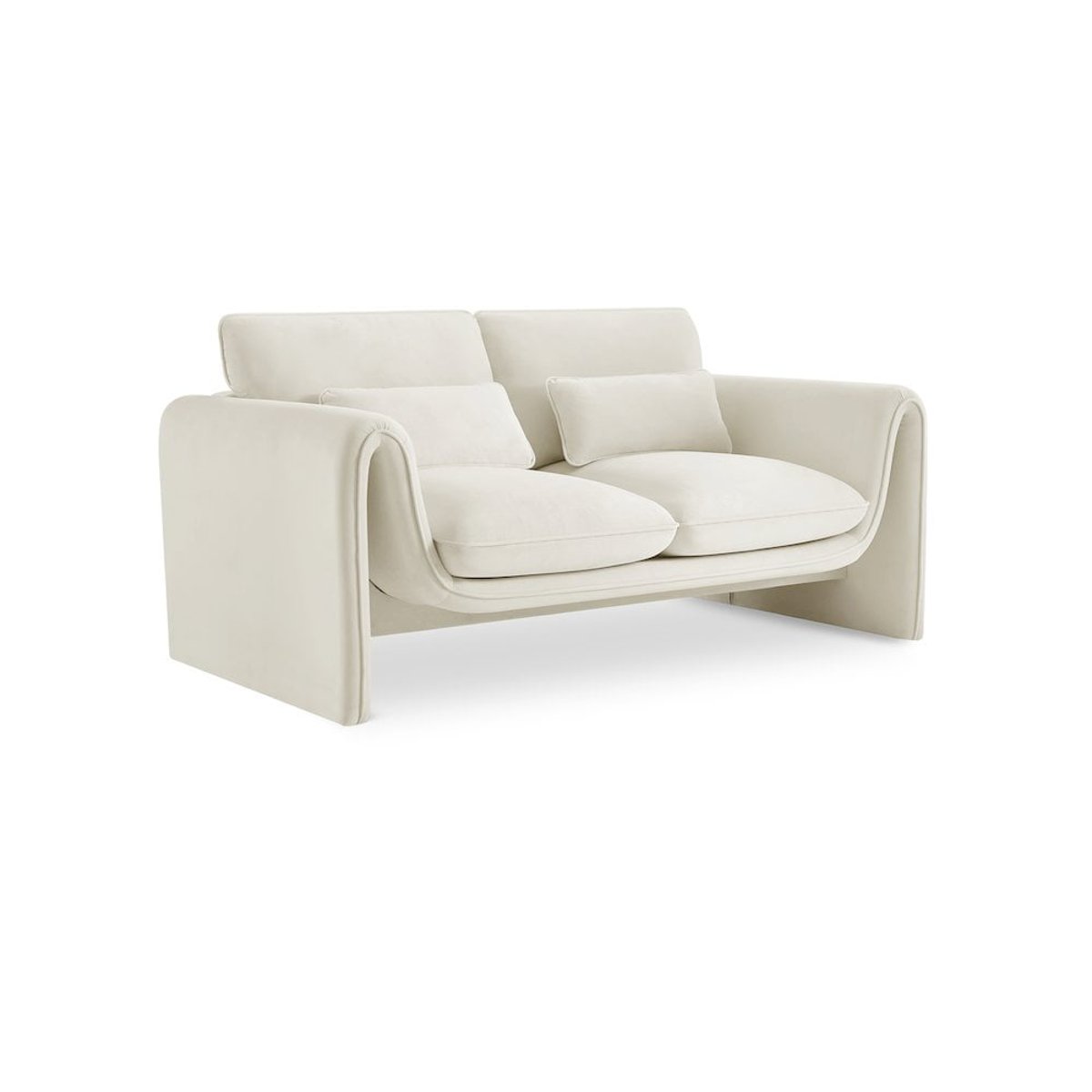
 The Art of Choosing the Perfect Sloan Cream Velvet Fabric Loveseat for Your Room
 Uncategorized
 Choosing the right sofa material for your home's aesthetic needs
 Uncategorized
 Designing comfortable seating solutions in luxury hospitality spaces
 Uncategorized
 The Naomi Black Velvet Loveseat Your Living Room Needs
 Uncategorized
 Why the Altari Loveseat in Slate is a Top Choice for Cozy Living Spaces
 Uncategorized