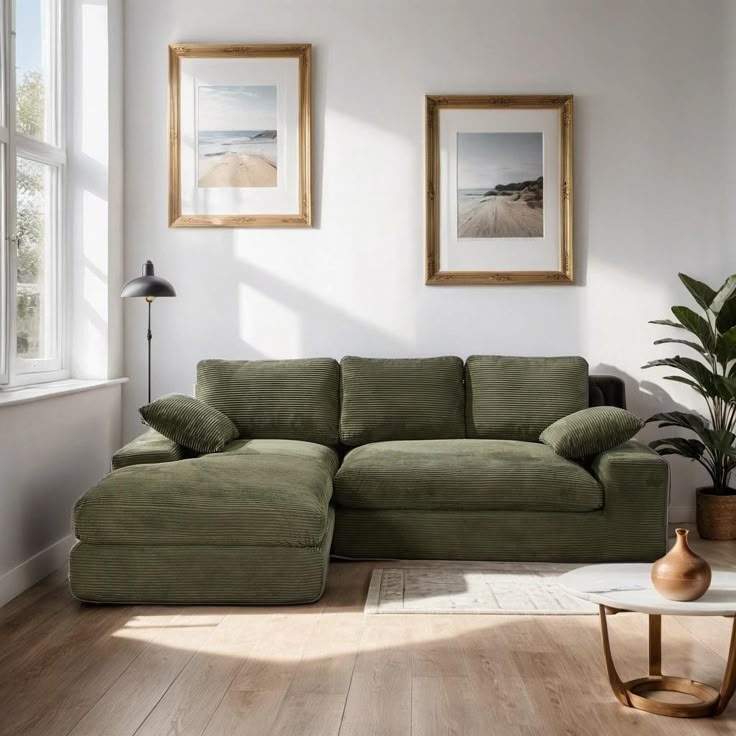
As someone who's spent decades immersed in the world of furniture design and the very essense of how we inhabit our spaces, I've seen countless trends come and go. But one piece, one truly versatile and often understated hero, consistently holds its ground: the settee. It’s not just a place to perch; it's a foundational element, a silent storyteller in the grand narrative of our homes. Let's delve deep into what makes this particular piece of furniture so utterly captivating and, frankly, indispensable.
When we talk about settees, we're not just discussing a piece of furniture; we're exploring a legacy. From its humble beginnings as a more refined bench for multiple sitters to its current status as a sophisticated design anchor, the settee has morphed and adapted, always retaining its core purpose: providing comfortable, communal seating. But how did it achieve such an elevated position in our homes, moving from a merely functional item to something truly foundational? That's the journey we're embarking on today.
What Exactly is a Settee, Anyway?
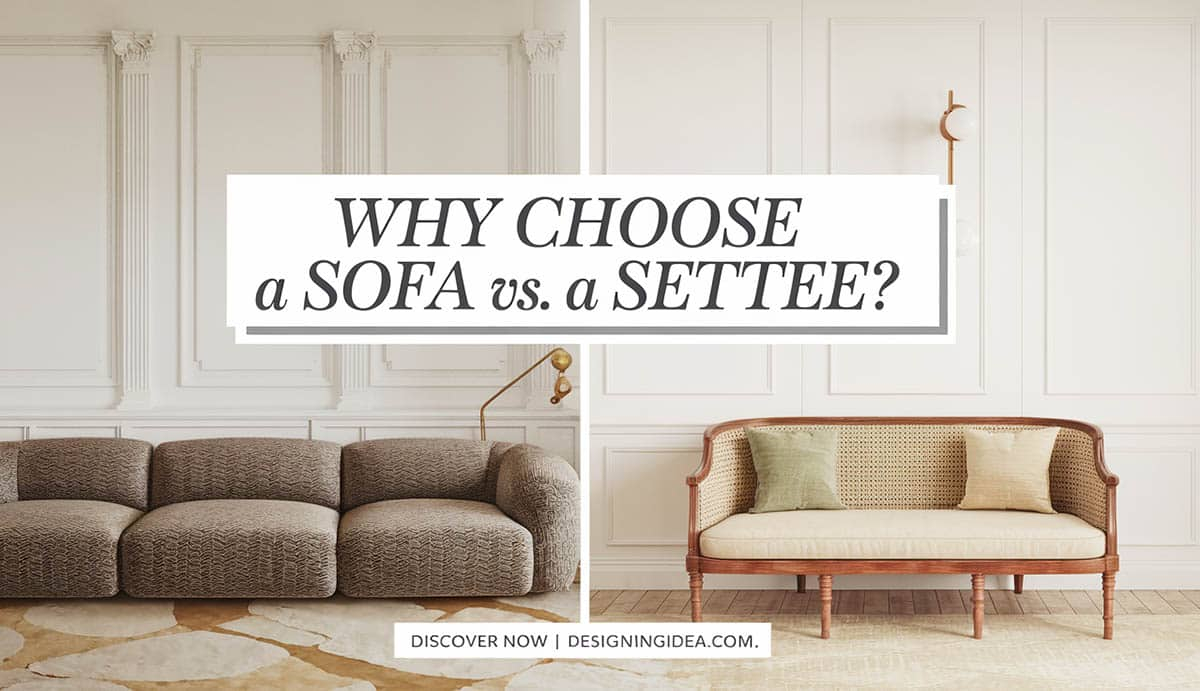
Let's clear up any confusion right off the bat, shall we? A settee, at its most basic, is an upholstered bench-like seat designed for two or more people. Think of it as a smaller, more formal sofa, or a grander, more comfortable bench. Historically, it was often lighter and more portable than its bulkier cousin, the sofa, making it ideal for drawing rooms or even hallways. The key differentiator often lies in its more upright, sometimes more delicate, frame compared to the sprawling comfort of a modern couch. It’s about elegant utility, a blend that's quite difficult to get just right without a keen eye for design and proportion. Sometimes, folks get it mixed up with a loveseat, but a settee typically boasts a more formal, often antique or vintage aesthetic, and sometimes a longer profile.
A Glimpse Through Time: The Settee's Rich History
The settee's lineage is fascinating. It emerged in the 17th century, a time when homes were becoming increasingly comfortable and social gatherings more common. Imagine grand estates with multiple guests; a settee offered a more intimate seating arrangement than a long, stiff bench. Early settees were often made of wood, sometimes carved, with simple cushions. As centuries passed, so too did the styles. By the 18th century, we saw the rise of more elaborate designs – think Queen Anne or Chippendale settees, with their distinctive legs and ornate detailing. The Victorian era brought even more plushness and ornamentation, with deep button tufting and velvet upholstery becoming popular. Each period left its indelible mark, transforming the settee from a mere functional item into a true work of art, reflecting the prevailing tastes and social customs of its time. It’s a real testament to evolving craftsmanship and societal needs.
Typology of Comfort: Diverse Settee Styles
The beauty of the settee lies in its remarkable diversity. You'd be amazed at the sheer variety of forms this single piece of furniture can take! Here are just a few of the more prominent styles you might encounter, each with its own character and charm:
- Camelback Settee: Instantly recognizable by its distinctive curved back, resembling a camel's hump. These often exude a classic, traditional elegance, perfect for a formal living room.
- Knole Settee: A truly iconic piece, defined by its adjustable sides that can be lowered or raised, often secured with decorative tassels. It's a statement of historical grandeur and versatility.
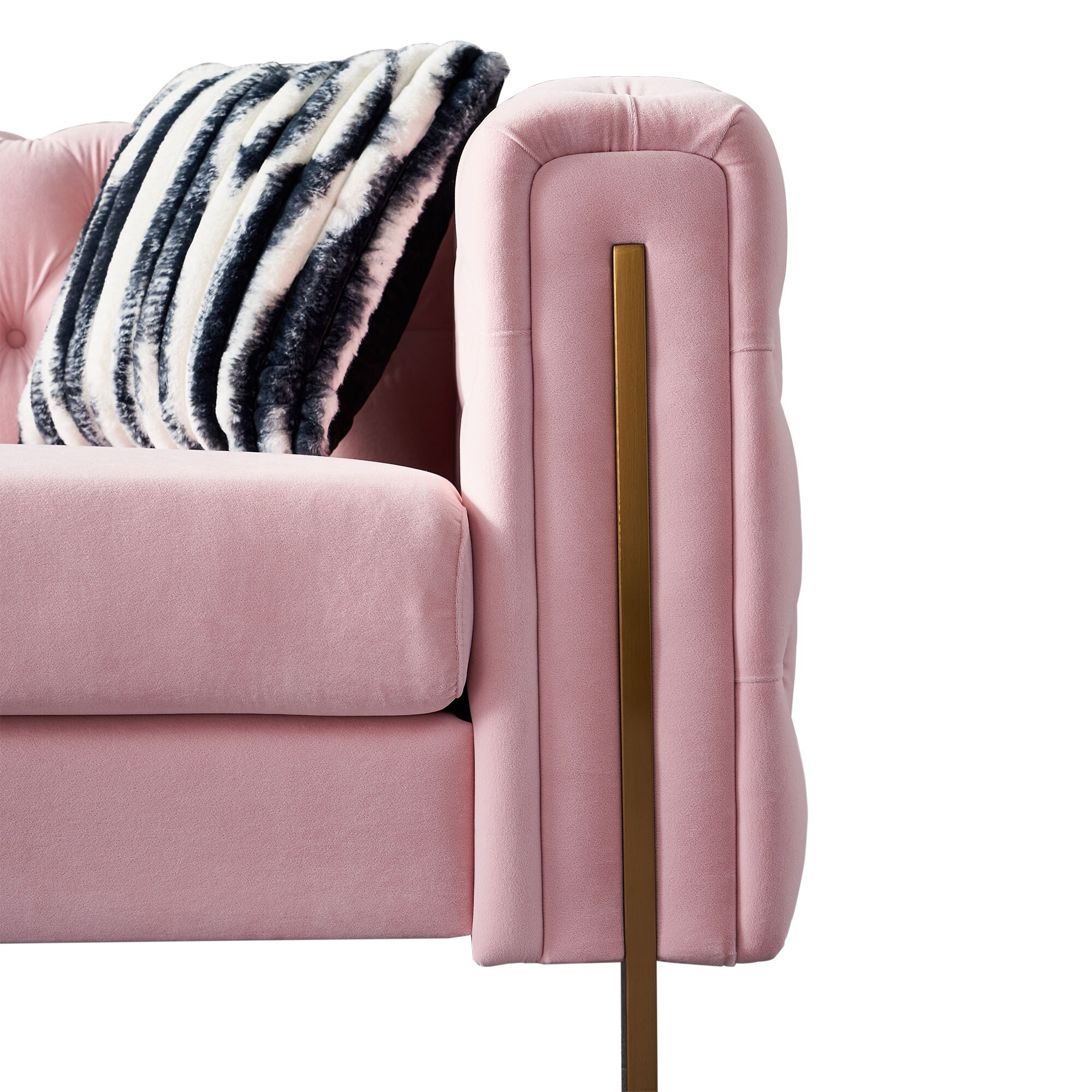
- Chesterfield Settee: While often associated with full-sized sofas, smaller Chesterfield settees exist, boasting the signature rolled arms, deep button tufting, and often leather upholstery. They speak of timeless sophistication and a touch of masculine elegance.
- Banquette Settee: More commonly built-in or custom-made, these are often found in dining nooks or kitchens, providing space-saving and comfortable seating, often along a wall. They're incredibly practical and can add a chic, diner-esque vibe.
- French Provincial Settee: Characterized by its rustic yet refined aesthetic, often featuring exposed wood frames with delicate carvings and lighter, often linen or toile, upholstery. They bring a touch of countryside charm.
Each style tells a different story and offers a unique aesthetic, allowing you to find the perfect match for almost any interior design vision.
Beyond the Living Room: Where Does a Settee Shine?
While the living room is a natural home for a settee, its adaptability means it can elevate numerous other spaces in your home. This is where its 'foundational' aspect really comes into play. It's not just a secondary piece; it can often be the anchor of a room. Consider these unexpected, yet utterly brilliant, placements:
- Entryway or Foyer: A settee here provides a welcoming spot for guests to remove their shoes or wait, immediately setting a tone of elegance and hospitality. It’s a much more inviting spectacle than a simple bench and offers a soft spot to land after a long day.
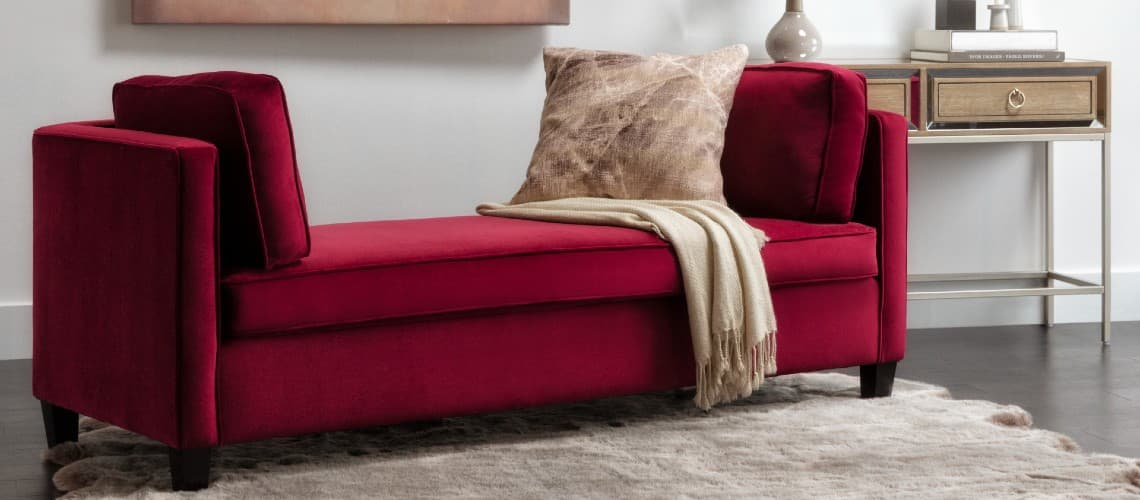
- Bedroom: At the foot of a bed, a settee offers a luxurious spot to sit, read, or simply put on socks. It adds a layer of comfort and sophistication, turning a purely sleeping space into a multi-functional retreat.
- Dining Nook: As mentioned with banquettes, a well-chosen settee can transform a dining area into a cozy, inviting space, perfect for lingering conversations over meals. It offers a softer alternative to traditional dining chairs and can really make a small space feel much bigger and more integrated.
- Home Office or Library: A small settee can offer a comfortable respite from your desk, a place to read or simply ponder, adding a touch of classic study charm. It's a lovely way to break up the formality of a workspace.
- Hallways or Landings: If you have a spacious hallway or a generous landing on a staircase, a settee can turn an otherwise transitional space into a charming little seating area, perfect for a quiet moment or just adding visual interest. It can turn dead space into living space.
Choosing Your Foundational Settee: A Practical Guide
So, you're convinced the settee is the missing piece in your home – excellent choice! But how do you pick the right one? It's not just about aesthetics; it's about finding a piece that truly fits your lifestyle and space. Here are my top tips:
- Measure, Measure, Measure: I cannot stress this enough. Measure your space, considering not just the length and width, but also the height and how it will interact with other furniture. Don't forget doorways and hallways for delivery! A tiny error here can lead to a lot of headaches.
- Consider the Scale: A settee should complement the existing furniture, not overwhelm or get lost in the room. A large, ornate settee in a tiny room will feel cramped; a delicate one in a grand hall might seem insignificant. Proportion is key.
- Think About Function: Will it be primarily for decorative purposes, or will it see daily use? This will influence your choice of upholstery fabric (durability is crucial for high-traffic areas) and frame construction. Are kids and pets involved? Then perhaps a more hard-wearing fabric is in order.
- Upholstery Matters: From luxurious velvets to practical linens, the fabric choice dramatically impacts the settee's look and feel. Consider your home's climate, your lifestyle, and the overall aesthetic you're aiming for. A busy pattern can add personality, while a solid color provides versatility.
- Comfort is Key (Even for Formal Pieces): While settees often lean towards formality, they shouldn't be uncomfortable. Sit on it, test the cushions, and assess the back support. Even a brief sit can tell you a lot about its long-term comfort. You shouldn't have to sacrifice comfort for style, not with a foundational piece like this.
- Style Harmony: Does the settee's style align with your home's existing decor? While a mix of styles can be interesting, a blatant mismatch can create visual discord. Aim for a piece that enhances, rather than clashes with, your current aesthetic.
- Budget Wisely: Settees vary widely in price. Determine your budget beforehand and stick to it. Sometimes, a well-chosen vintage piece can offer incredible value and unique character that new furniture simply can't replicate.
The Settee: An Investment in Style and Comfort
In a world increasingly dominated by fleeting trends and disposable items, the settee stands as a testament to enduring design and thoughtful living. It's more than just a piece of furniture; it's an investment – an investment in comfort, in style, and in the very essence of what makes a house a home. It's a foundational element that brings people together, offers solace, and adds a layer of timeless elegance to any space it inhabits. Whether you're drawn to the ornate charm of a past era or the clean lines of a contemporary design, there's a settee out there waiting to become a cherished part of your personal story.
From its historical roots as a practical seating solution to its modern-day status as a sophisticated design statement, the settee has proven its unwavering adaptability and enduring appeal. It's a piece that transcends mere functionality, becoming a foundational element that shapes the character and comfort of a space. By understanding its rich history, diverse styles, and practical considerations for selection, you're not just choosing a piece of furniture; you're curating a part of your home's narrative. Embrace the settee, and you'll find yourself investing in a piece that offers both profound comfort and timeless elegance, a true testament to the art of living well.