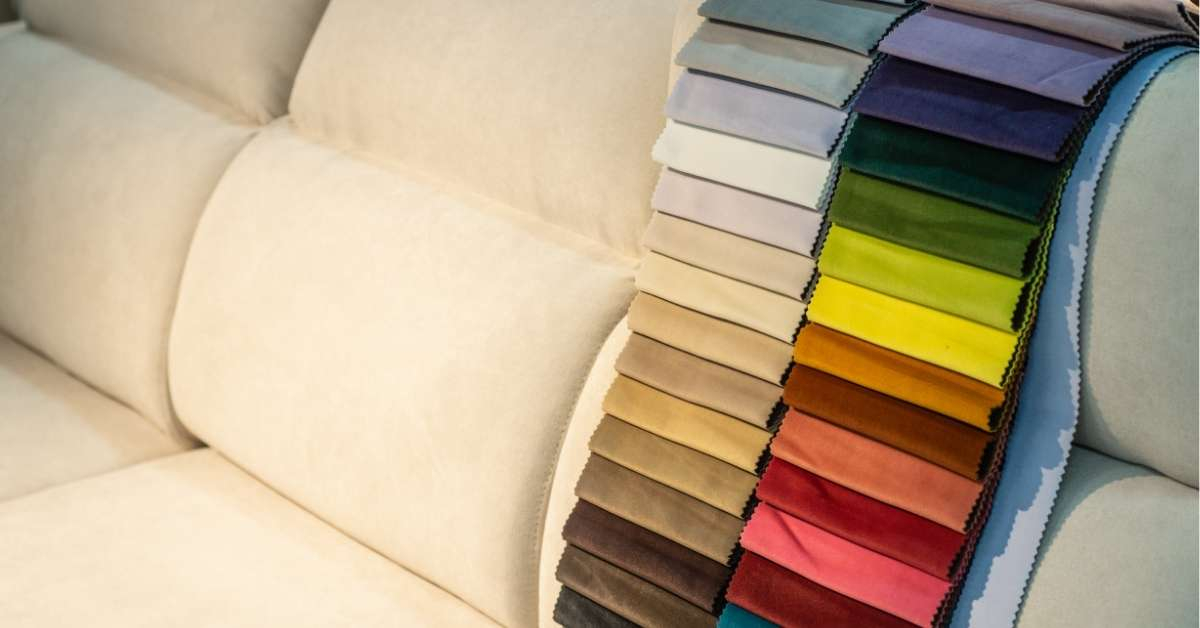
As someone who's spent decades delving into the very molecules that make up our living spaces, I can tell you something fundamental: the resilience of a space isn't just about the walls or the foundation. It's often in the nitty-gritty details, the things we touch and interact with daily. And when it comes to upholstered furniture, that 'nitty-gritty' is overwhelmingly about the fabric. It's the first line of defense, the visual statement, and the tactile experience. Choosing the right fabric isn't just an aesthetic decision; it's a profound act of engineering for durability and sustained beauty. Get it wrong, and you're looking at a frayed, faded mess sooner than you think. Get it right, and your pieces become heirlooms, silently defying the relentless march of time and everyday wear and tear.
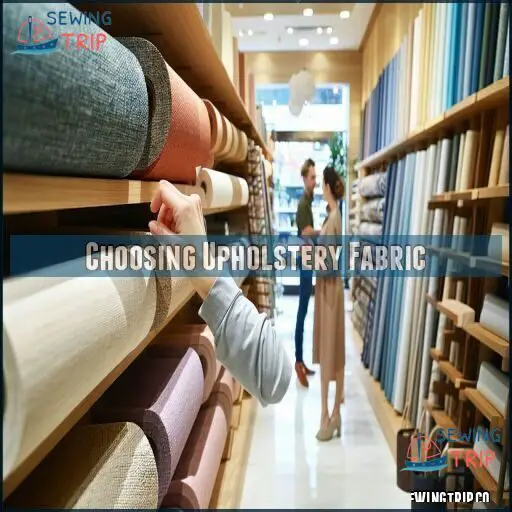
We've all been there, mesmerized by a stunning sofa in a showroom, its fabric gleaming under the lights, promising years of comfort and style. But how many of us pause to consider what truly makes that fabric resilient? How many of us understand that the lifespan of that beautiful piece of furniture is, in large part, predetermined by the fibers woven into its very being? As a specialist in crafting resilient spaces, I've seen countless examples of both triumph and tragedy in upholstery longevity. The secret, my friends, lies not just in the frame or the cushioning, but profoundly in the fabric. It's the unsung hero, or sometimes, the silent saboteur, of your furniture's future. Let's peel back the layers and explore how this seemingly simple choice holds the key to enduring design.
The Science of Wear: Understanding Fabric Durability Ratings
Before we dive into specific fabric types, we need to speak the same language when it comes to durability. This isn't just about how tough a fabric 'feels.' There's actual science involved, primarily measured by something called the 'double rub' test. Imagine a machine rubbing a piece of duck canvas back and forth over the fabric until it shows significant wear. Each back-and-forth motion is one 'double rub.'
- Light Duty (3,000-9,000 double rubs): Think decorative pillows, accent chairs that see very little use. These fabrics are often delicate, like some silks or very fine chenilles. They're not for daily lounging.
- Medium Duty (9,000-15,000 double rubs): Suitable for occasional-use furniture in living rooms, like guest chairs or formal dining chairs. Cotton blends and some linens fall into this category.
- Heavy Duty (15,000-30,000 double rubs): This is your sweet spot for everyday family room furniture. Sofas, recliners, and dining chairs that get regular use. Many synthetics and durable natural blends are here.
- Commercial/Heavy Commercial (30,000+ double rubs): Anything above 30,000 is built to withstand serious abuse. Think hotel lobbies, airport seating, or very high-traffic residential areas with kids and pets. Often, these are tightly woven synthetics, microfibers, or specialized performance fabrics.
Understanding these numbers is your first, best defense against a quickly deteriorating sofa. Don't let a salesperson just say 'it's durable.' Ask for the double rub count. It's a critical piece of data.
Natural Fibers: The Beauty and the Beast of Longevity
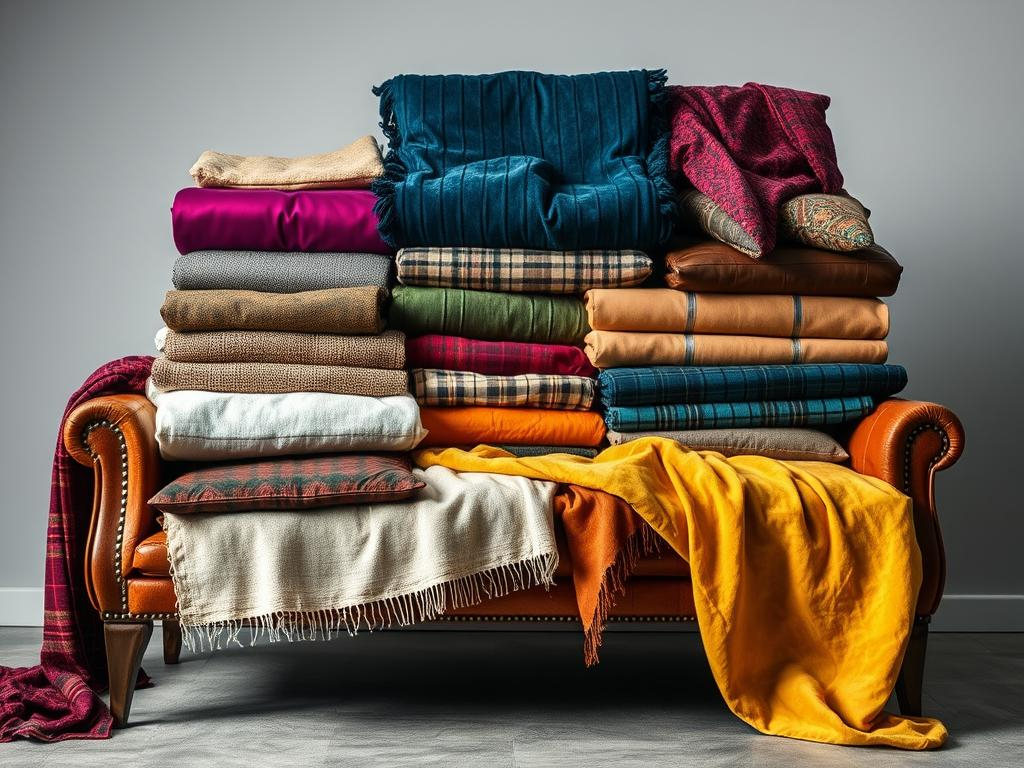
Ah, natural fibers. They possess such an undeniable charm, don't they. The way they feel, the way they breathe, their inherent connection to the earth. But when it comes to longevity, they're a mixed bag, each with its own quirks and demands.
- Cotton: A perennial favorite, cotton is soft, breathable, and takes dye beautifully. For upholstery, look for heavier weaves like duck or canvas. Its durability varies greatly with weave and finish. It can wrinkle easily and is susceptible to staining and fading in direct sunlight. A tightly woven, pre-shrunk cotton can be moderately durable, but it's not a powerhouse.
- Linen: Known for its crisp, natural elegance, linen is incredibly strong when dry. But it wrinkles like crazy, and its fibers can break down with repeated bending, leading to a 'fuzzy' appearance over time. It's also prone to staining. Best for more formal or occasional-use pieces where its natural beauty can be appreciated without constant wear.
- Wool: A champion of resilience! Wool is naturally flame-resistant, resists crushing, and has excellent elasticity, meaning it bounces back from pressure. It's also relatively stain-resistant due to its natural lanolin. However, it can be expensive and sometimes itchy if not a fine blend. It's a fantastic, albeit pricier, option for high-traffic areas.
- Silk: Luxurious, soft, and beautiful, silk is unfortunately not a workhorse for upholstery. It's delicate, prone to fading, and very easily damaged by spills or sunlight. Reserve silk for decorative accents or pieces that are rarely used and kept out of direct light.
- Leather: While not a 'fabric' in the woven sense, it's a natural material for upholstery. High-quality, full-grain leather is incredibly durable, develops a beautiful patina over time, and is relatively easy to clean. However, it can be expensive, scratch easily, and requires conditioning to prevent drying and cracking. Its longevity is legendary if properly cared for.
Synthetic Superheroes: Engineered for Endurance
Where natural fibers often prioritize comfort and aesthetics, synthetic fibers are usually engineered with one thing in mind: performance. They are the workhorses of the upholstery world, designed to stand up to the rigors of modern life, kids, pets, and all.
- Polyester: One of the most common synthetics, polyester is incredibly versatile. It's strong, resistant to stretching and shrinking, and can be made to mimic the look and feel of many natural fibers. It's also generally resistant to fading and mildew. Its main drawback can be a tendency to pill (those tiny balls of fiber) in high-friction areas, though modern polyesters are much improved.
- Nylon: Often blended with other fibers, nylon adds incredible strength and abrasion resistance. It's very elastic, meaning it recovers well from compression. It's a true durability booster, making fabrics last much longer. However, it can be prone to fading if not treated.
- Olefin (Polypropylene): This fiber is a champion of stain, moisture, and mildew resistance. It's often used for outdoor furniture, but its benefits are increasingly recognized indoors, especially for families with young children or pets. It's very durable and colorfast, but can feel a bit less soft than other options.
- Acrylic: Often used as a wool substitute, acrylic is soft, warm, and highly resistant to fading from sunlight. It's also mildew and moth resistant. It can pill, similar to polyester, but is generally a good performer for areas with high sun exposure.
- Rayon/Viscose: These are 'regenerated' fibers, made from wood pulp, so they're technically natural in origin but processed like synthetics. They can mimic silk or cotton, offering a soft hand. However, they are generally not very durable for upholstery, prone to wrinkling, and can be easily damaged by moisture. Use with caution for high-traffic pieces.
- Microfiber: This isn't a fiber type itself, but a super-fine denier (thickness) of polyester or nylon. Its tight weave and fine fibers make it incredibly soft, highly resistant to staining, and very durable. It's a top choice for busy households because of its ease of cleaning and robust nature. It can sometimes feel a bit 'sticky' in humid environments, but overall, it's a fantastic performer.
Weave, Pattern, and Pile: Hidden Influencers on Longevity
It's not just the fiber type; how those fibers are put together, the very architecture of the fabric, plays a colossal role in its staying power. Don't overlook these often-missed details!
- Weave:
- Plain Weave (e.g., Canvas, Linen): Simple, strong, and generally durable, but can show wear in concentrated areas. Think of a basket weave.
- Twill Weave (e.g., Denim, Gabardine): Characterized by diagonal ribs, twills are very strong, dense, and resistant to showing dirt. Excellent for durability.
- Satin Weave: Produces a very smooth, lustrous surface. Beautiful, but the long floating threads are prone to snagging and showing wear quickly. Not for high-traffic.
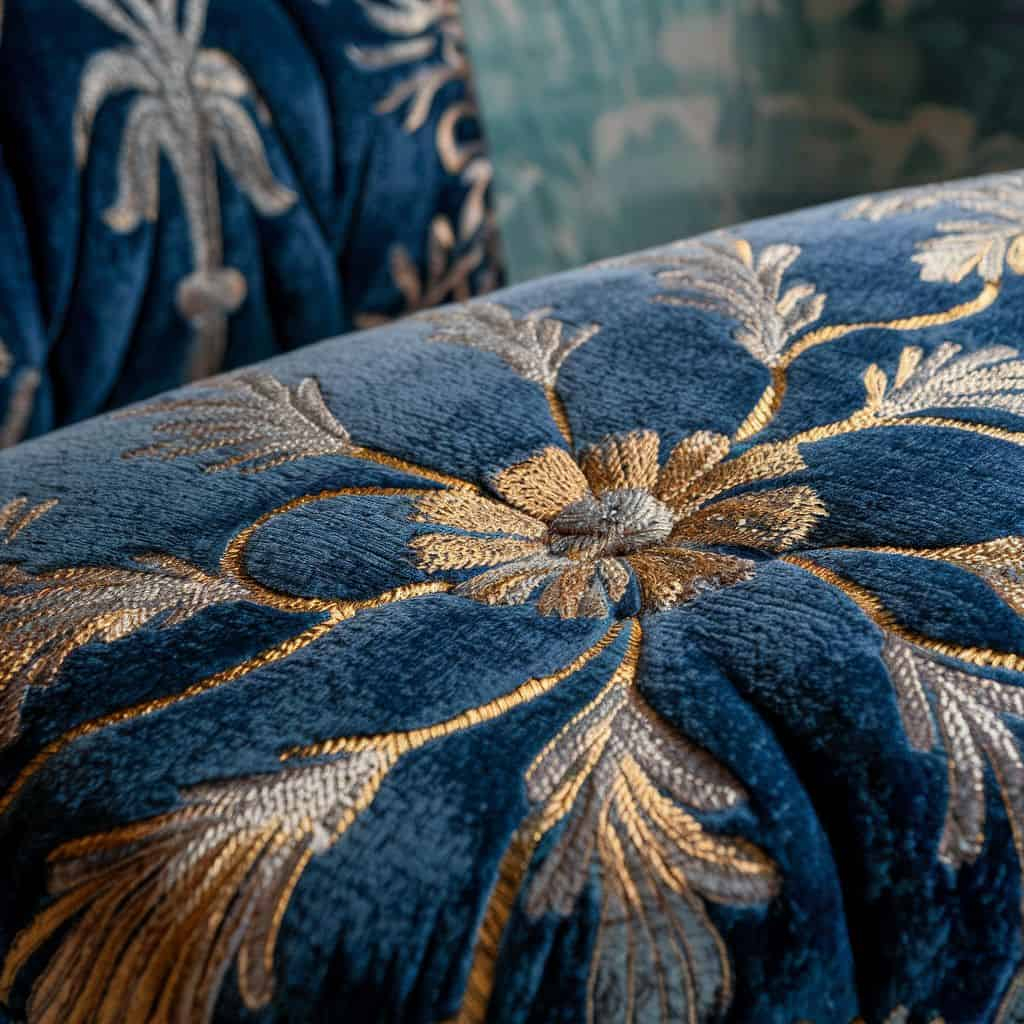
- Jacquard Weave (e.g., Damask, Brocade): Complex, intricate patterns woven directly into the fabric. While stunning, the varying thread tensions and sometimes looser floats can make them less durable than plain or twill weaves, depending on the specific pattern complexity and fiber content.
- Pattern: Large, printed patterns can 'crack' or fade over time, especially if the base fabric isn't durable. Woven-in patterns, however, tend to hold up much better as the color is integral to the fiber itself.
- Pile Fabrics (e.g., Velvet, Chenille, Corduroy): These fabrics have raised fibers that create a soft, luxurious surface. While incredibly comfortable, they have a reputation for showing wear, crushing, and 'shading' (where the pile lies in different directions, making the color appear different). Modern manufacturing has improved their durability significantly, but they still require more care and are generally less robust than flat weaves for heavy use. A tightly woven, dense pile will always last longer than a loose, sparse one.
Considering Your Lifestyle: The Ultimate Durability Test
Here's where the rubber meets the road, or rather, where the fabric meets your family. No amount of scientific data matters if it doesn't align with how you actually live. This is the 'human' element of crafting resilient spaces.
- Kids and Pets: If you have energetic children, rambunctious pets, or both, you need fabrics that can withstand spills, scratches, and constant activity. Think performance fabrics like microfiber, solution-dyed acrylics (like Sunbrella, even indoors!), or heavy-duty synthetics with high double rub counts (30,000+). Patterns and darker colors can also help camouflage minor imperfections or stains.
- Formal vs. Casual Use: A formal living room that sees use only during holidays can get away with more delicate fabrics like linen blends or even some velvets. Your everyday family room, however, demands something much tougher. Be honest about how often and how vigorously a piece will be used.
- Sun Exposure: If your furniture is near a window, fading is a major concern. Look for fabrics that are inherently fade-resistant, such as acrylics, solution-dyed synthetics, or those specifically treated for UV resistance. Natural fibers like cotton and linen are particularly susceptible to sun damage.
- Allergies: For those with sensitivities, tightly woven fabrics like microfiber or leather can be better choices as they trap fewer allergens than loose weaves or highly textured fabrics.
- Maintenance Willingness: Some fabrics are high-maintenance (e.g., silk, some linens that require professional cleaning), while others are incredibly easy to care for (e.g., microfiber, outdoor-grade fabrics that can be spot cleaned with just water). Be realistic about how much effort you're willing to put into cleaning and upkeep.
Practical Tips for Maximizing Upholstery Longevity
Even with the perfect fabric choice, a little proactive effort goes a long way in ensuring your upholstery truly stands the test of time. These are the actionable steps I always recommend to clients.
- Rotate Cushions Regularly: This is a simple but powerful habit. By flipping and rotating seat and back cushions, you distribute wear evenly, preventing one spot from becoming prematurely flattened or faded. Do this weekly or bi-weekly.
- Vacuum Frequently: Dust, dirt, and pet dander are abrasive. They act like tiny sandpaper particles, slowly grinding away at your fabric fibers. Regular vacuuming (with the upholstery attachment!) removes these culprits and keeps your fabric looking fresh.
- Address Spills Immediately: The faster you act, the better your chances of preventing a permanent stain. Blot, don't rub! Use a clean, white cloth and work from the outside of the spill inward. Consult your fabric's cleaning code (usually on a tag) for specific instructions.
- Protect from Direct Sunlight: If possible, arrange furniture away from direct, unfiltered sunlight. If not, consider using UV-blocking window films, sheer curtains, or blinds during peak sun hours to minimize fading.
- Professional Cleaning When Needed: Depending on use and fabric type, professional deep cleaning every 1-3 years can revive your upholstery, removing embedded dirt and allergens that regular vacuuming misses. Always use a reputable cleaner familiar with upholstery.
- Consider Slipcovers: For very high-traffic pieces, or if you have young children and pets, a washable slipcover can be a lifesaver. It protects the original upholstery and can be easily removed for cleaning, extending the life of your furniture significantly.
Crafting resilient spaces isn't just about making things strong; it's about making them enduringly comfortable and beautiful. And when it comes to upholstered furniture, the fabric choice is undeniably the single most critical decision in achieving that longevity. We've journeyed through the science of double rubs, explored the nuances of natural and synthetic fibers, and dissected the subtle yet significant impacts of weave and pattern. We've also grounded these technical details in the reality of your daily life, emphasizing that your lifestyle is the ultimate determinant of what 'durable' truly means for you.
Remember, there's no single 'best' fabric. The ideal choice is a harmonious blend of aesthetic appeal, practical performance, and your personal needs. By understanding these principles, asking the right questions, and investing a little proactive care, you're not just buying a piece of furniture; you're investing in years of comfort, beauty, and the quiet satisfaction of a space that truly stands the test of time. It's an art, a science, and a very human decision, all woven into the very fabric of your home.