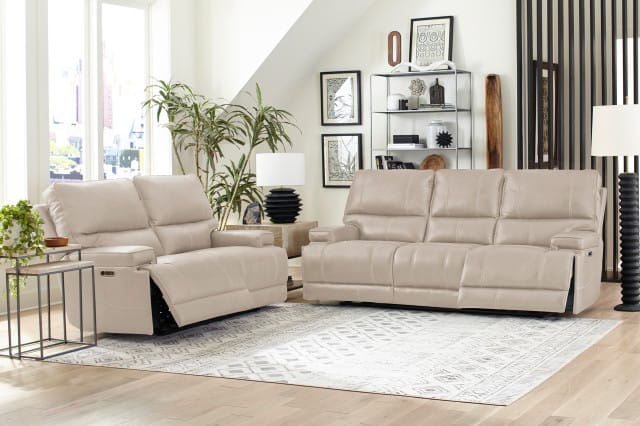
For years, our idea of comfort in a loveseat was pretty static, right. You sat down, maybe reclined a bit, and that was it. But things are changing, and quite dramatically. We're on the cusp of a total revolution in how we experience relaxation, and it's all thanks to something called Freemotion technology. It's not just about leaning back anymore; it's about a dynamic, personalized comfort that adapts to you, not the other way around. This isn't just a slight upgrade; it's a complete rethinking of what a piece of furniture can do for your well-being.
Think about your current loveseat. It's probably comfy enough, but does it truly adapt to you? Does it offer infinite positions, allowing you to find that perfect sweet spot for reading, napping, or just unwinding after a long day? Probably not. Traditional recliners, while a step up from a basic sofa, still have their limits. They often move in fixed, pre-set ways, which might not always align with your body's unique needs or your mood at that exact moment. This is where Freemotion technology strides in, fundamentally altering the landscape of modern relaxation. It's about moving beyond those rigid boundaries and embracing a fluidity of movement that truly caters to the individual.
What Exactly Is Freemotion Technology?
At its heart, Freemotion technology is a sophisticated mechanical system that allows for independent, fluid movement of various sections within a loveseat or sofa. Unlike a traditional recliner, which typically operates on a single, unified mechanism, Freemotion separates the movement of the backrest from the footrest, and sometimes even includes independent headrest or lumbar support adjustments. Think of it like this: instead of two or three pre-programmed positions, you have an almost infinite range of motion. You can have your feet up while your back is only slightly reclined, or your back fully reclined with your feet still on the floor. It's about giving you granular control over your comfort, letting you sculpt the perfect position for your body. This level of customization is what sets it apart and makes it so revolutionary in the world of home furnishings.
The Mechanics Behind the Magic: How Freemotion Works
So, how does this magic happen? It's all in the engineering. Freemotion systems typically involve multiple, independently controlled motors and an intricate network of linkages and gears. Each motor is responsible for a specific section—one for the back, another for the footrest, and often smaller motors for the headrest and lumbar support. These motors are usually controlled by a user-friendly interface, often a discreet button panel or even a remote control, allowing for smooth, precise adjustments. The beauty of this multi-motor approach is that it eliminates the rigid, interconnected movement of older systems. Instead of a 'one size fits all' recline, you get a 'build your own comfort' experience. It's a testament to how far furniture design has come, merging advanced mechanics with intuitive user experience, making it super simple to find your ideal position.
Beyond Reclining: The Diverse Benefits of Freemotion Loveseats
The advantages of Freemotion technology extend far beyond just being able to recline. First and foremost, there's the unparalleled customization. No two bodies are alike, and Freemotion recognizes this, allowing you to tailor the seat to your specific ergonomic needs. This leads to significantly improved postural support, reducing strain on your back, neck, and shoulders. Imagine being able to fine-tune the lumbar support to perfectly cradle your lower back, or adjust the headrest to prevent neck craning while watching a movie. This level of precise adjustment can alleviate discomfort and promote better spinal alignment. Furthermore, it offers incredible versatility. Need to work on your laptop? Adjust the backrest to an upright position while keeping your feet elevated. Want to take a quick power nap? Fully recline for maximum relaxation. This adaptability means your loveseat isn't just a place to sit; it's a dynamic comfort hub that supports a wide range of activities and moods. It's truly a game-changer for anyone seeking a more supportive and flexible seating solution.
Integrating Freemotion into Modern Living Spaces: Design and Aesthetics
One of the common misconceptions about advanced reclining furniture is that it has to be bulky and unsightly. But modern Freemotion loveseats defy this stereotype. Manufacturers are increasingly focusing on sleek, contemporary designs that seamlessly integrate this technology without sacrificing aesthetic appeal. You'll find models with slim profiles, hidden controls, and a wide array of upholstery options—from luxurious leathers to durable performance fabrics. The goal is to make the technology invisible, allowing the beauty of the design and the comfort it provides to take center stage. This means you don't have to choose between cutting-edge functionality and a stylish living room. In fact, many designers are embracing Freemotion as a way to enhance both the comfort and the sophistication of modern interiors, proving that innovation and elegance can go hand in hand without a problem. It's a real step forward in how we think about furniture in our homes.
The Future is Now: Emerging Trends and Innovations
The evolution of Freemotion technology is far from over. We're already seeing fascinating new developments, such as the integration of smart home features. Imagine controlling your loveseat's recline with a voice command, or having pre-set 'favorite' positions that you can recall with a single tap on your smartphone. We're also seeing advancements in materials, with memory foam and gel-infused cushioning becoming standard, further enhancing the comfort experience. Some high-end models even incorporate therapeutic features like gentle massage functions or heated elements for ultimate relaxation. The industry is constantly pushing the boundaries, exploring how to make these pieces even more intuitive, responsive, and beneficial for our well-being. It's not just about sitting; it's about creating an immersive relaxation experience that anticipates your needs. This continuous innovation means the future of relaxation is looking even more comfortable and personalized than ever before.
Choosing Your Freemotion Loveseat: Key Considerations
When considering a Freemotion loveseat, there are a few important things to keep in mind. First, think about your space. While many designs are sleek, you still need to account for the clearance required for full recline. Next, consider the controls. Do you prefer a simple button panel, or would a remote control be more convenient? Some even offer app control. Upholstery is also crucial; think about durability, ease of cleaning, and how it fits with your existing decor. Test different comfort levels—the firmness of the cushions, the feel of the headrest, and the smoothness of the recline mechanism. Don't be afraid to spend some time sitting in it, adjusting all the settings to see what feels best. And finally, consider the warranty and after-sales support. This is an investment in your comfort, so ensuring reliable service is key. By taking these factors into account, you can select a Freemotion loveseat that will provide years of unparalleled relaxation and enjoyment, making it truly worth it.
Freemotion technology isn't just a fleeting trend; it represents a significant leap forward in the science of relaxation. It's about empowering individuals to take control of their comfort, moving beyond the limitations of traditional furniture and embracing a dynamic, personalized experience. As we continue to seek ways to enhance our well-being and create more supportive living environments, Freemotion loveseats stand out as a testament to innovation and thoughtful design. They're not just pieces of furniture; they're gateways to a more relaxed, comfortable, and ultimately, healthier way of living. The future of relaxation is here, and it's incredibly inviting.