Choosing the right loveseat can feel like a big decision. But did you know that understanding the fabric is just as important as the style and size? This guide is designed to help you decode the mysterious language of loveseat materials, so you can pick a loveseat that's both stunning and practical and will last you a long time. We'll explore the most popular fabrics, their pros and cons, and what to watch out for when you're shopping. Get ready to become a loveseat fabric expert. It's going to be fun, I promise. And I'm here to guide you. Let's dive in.
Ever felt lost in a sea of fabric names – chenille, microfiber, linen, the list goes on? You're not alone. The world of loveseat materials can be overwhelming. But fear not. This article is your friendly guide to understanding the lingo, breaking down the different types of fabrics, and helping you make informed choices for your living space. We'll cover everything from durability and stain resistance to feel and appearance, so you can choose a loveseat that perfectly suits your lifestyle and aesthetic tastes. Think of this as your cheat sheet to loveseat success.
The Natural Wonders: Cotton, Linen, and Wool
Let's begin with the classics: natural fibers. These fabrics often get a thumbs-up for their breathability and feel, but they come with their own set of considerations.
- Cotton: A favorite for its comfort and affordability, cotton is generally easy to maintain. However, it's prone to wrinkles and can stain fairly easily. Consider a cotton blend for improved durability and stain resistance. Examples: A casual, lived-in look for a family room.
- Linen: Known for its luxurious appearance and cool touch, linen is a great choice for warmer climates. It's strong and resistant to pilling, but it wrinkles easily and needs careful cleaning. Consider it for a more formal living space. Example: A sophisticated, airy loveseat in a sunroom.
- Wool: Wool is a workhorse. It's naturally stain-resistant, durable, and surprisingly soft. It can be more expensive than other materials, but it's a smart investment. It also has a fantastic ability to regulate temperature. Example: A cozy, long-lasting loveseat for a den or reading nook. And by the way, wool is great for people who suffer from allergies.
Synthetic Superstars: Polyester, Microfiber, and Nylon
Synthetic fabrics often shine when it comes to durability, stain resistance, and affordability. They're engineered to withstand the rigors of daily life.
- Polyester: A versatile and budget-friendly option, polyester is stain-resistant, resists fading, and holds its shape well. It can feel a bit less luxurious than natural fibers, but it's a practical choice for high-traffic areas. Example: A loveseat in a family room where spills are inevitable.
- Microfiber: Often made from polyester, microfiber has a super-soft feel and is exceptionally stain-resistant. It's a good choice for homes with pets or kids. It's also relatively easy to clean. Example: A loveseat in a playroom or a home with pets. It's great to snuggle up on, too.
- Nylon: Known for its strength and abrasion resistance, nylon is a great choice for heavy-use loveseats. It's also resistant to mildew and mold. It's often blended with other fibers to improve its feel and appearance. Example: A loveseat in a heavily used living room or a commercial setting.
The Blends: Combining the Best of Both Worlds
Fabric blends combine the strengths of different fibers, offering the best of both natural and synthetic worlds. This is where things get really interesting.
- Cotton/Polyester blends: These blends offer the comfort of cotton with the durability and stain resistance of polyester. They're a popular choice for their balance of qualities. Example: A loveseat that's comfortable, easy to maintain, and suitable for everyday use.
- Linen/Polyester blends: These blends give you the look of linen with improved wrinkle resistance and durability. It's a great way to get the linen aesthetic without the high maintenance. Example: A loveseat in a more formal setting, where you appreciate both style and practicality.
- Wool/Synthetic blends: These blends add the durability and affordability of synthetic fibers to the natural warmth of wool. Example: A durable and cozy loveseat for a high-traffic area.
Decoding Fabric Properties: What to Look For
Beyond the fabric type, consider these crucial properties:
- Durability: Look for fabrics with a high double rub count. The double rub test measures how well a fabric can withstand wear and tear. The higher the number, the more durable the fabric.
- Stain Resistance: Check for stain-resistant treatments or fabrics that are naturally stain-resistant. Microfiber and certain synthetic blends are great in this regard. Consider the lifestyle of your home.
- Colorfastness: Make sure the fabric's color won't fade easily when exposed to sunlight. Look for fabrics that are specifically treated for UV resistance, especially if your loveseat will be near a window.
- Texture: The texture of the fabric affects both its appearance and feel. Consider your comfort preferences and the overall aesthetic of your space. Do you want something smooth, rough, or something in between?
- Care Instructions: Always check the care instructions before you buy. Some fabrics require professional cleaning, while others are easier to maintain. Make sure the care requirements fit your lifestyle.
The Fabric Finish: Adding the Final Touch
The finish of a fabric can greatly impact its appearance and performance.
- Treated Fabrics: Many fabrics are treated with stain-resistant or water-repellent finishes. These treatments create a protective barrier, making it easier to clean up spills.
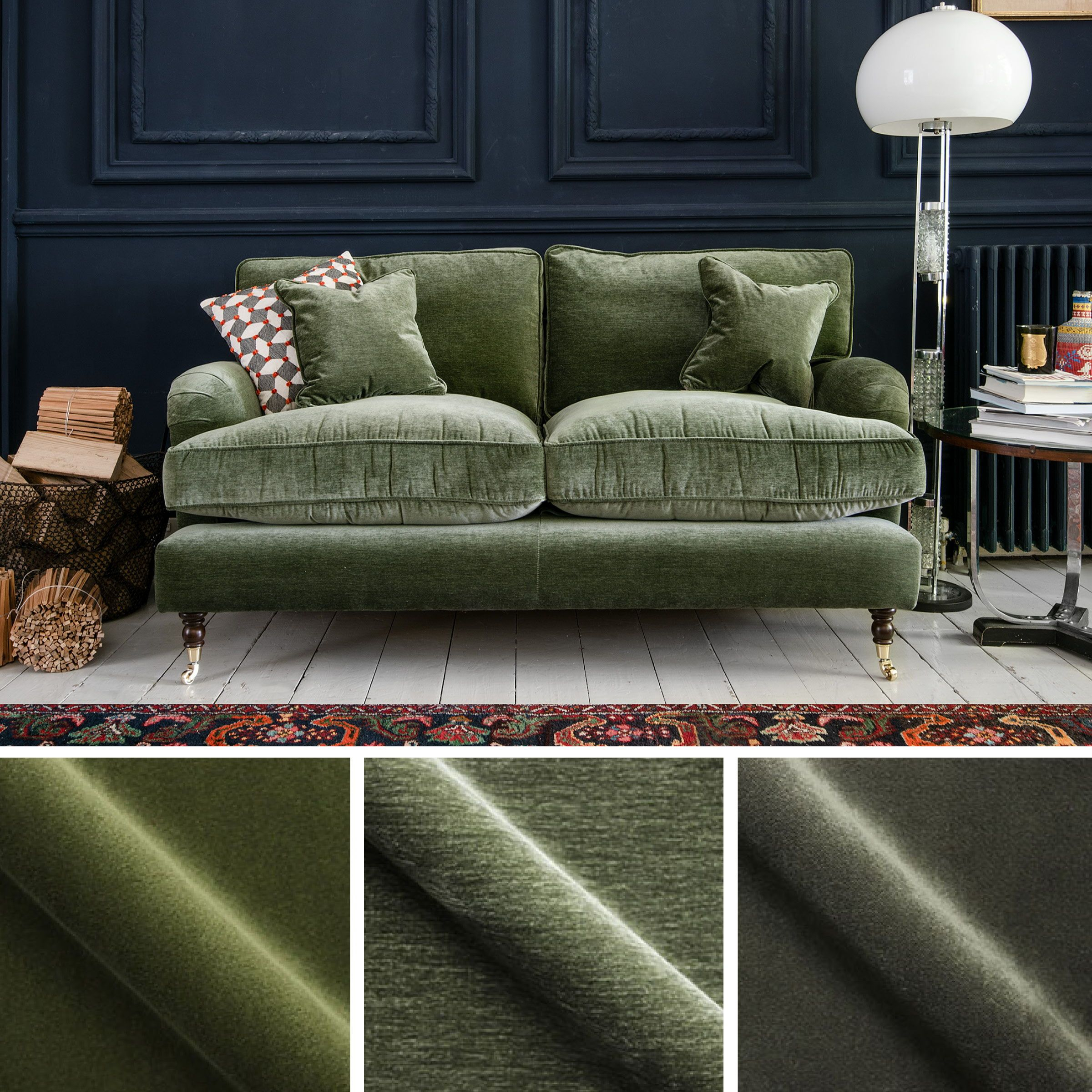
- Textured Fabrics: Fabrics like chenille and velvet have a unique texture that adds visual interest and a luxurious feel. However, they may require more careful cleaning.
- Woven Fabrics: The way a fabric is woven affects its durability and appearance. Tightly woven fabrics are generally more durable than loosely woven ones. Consider the weave pattern when making your decision.
Making the Right Choice: Putting it All Together
Now that you know the ins and outs of loveseat fabrics, how do you choose the right one? Here's a quick guide:
- Consider your lifestyle: Do you have kids or pets? Do you entertain often? These factors will influence your decision.
- Think about your aesthetic: What style are you going for? Modern, traditional, bohemian? The fabric should complement your overall design.
- Set a budget: Fabric prices can vary widely. Determine how much you're willing to spend.
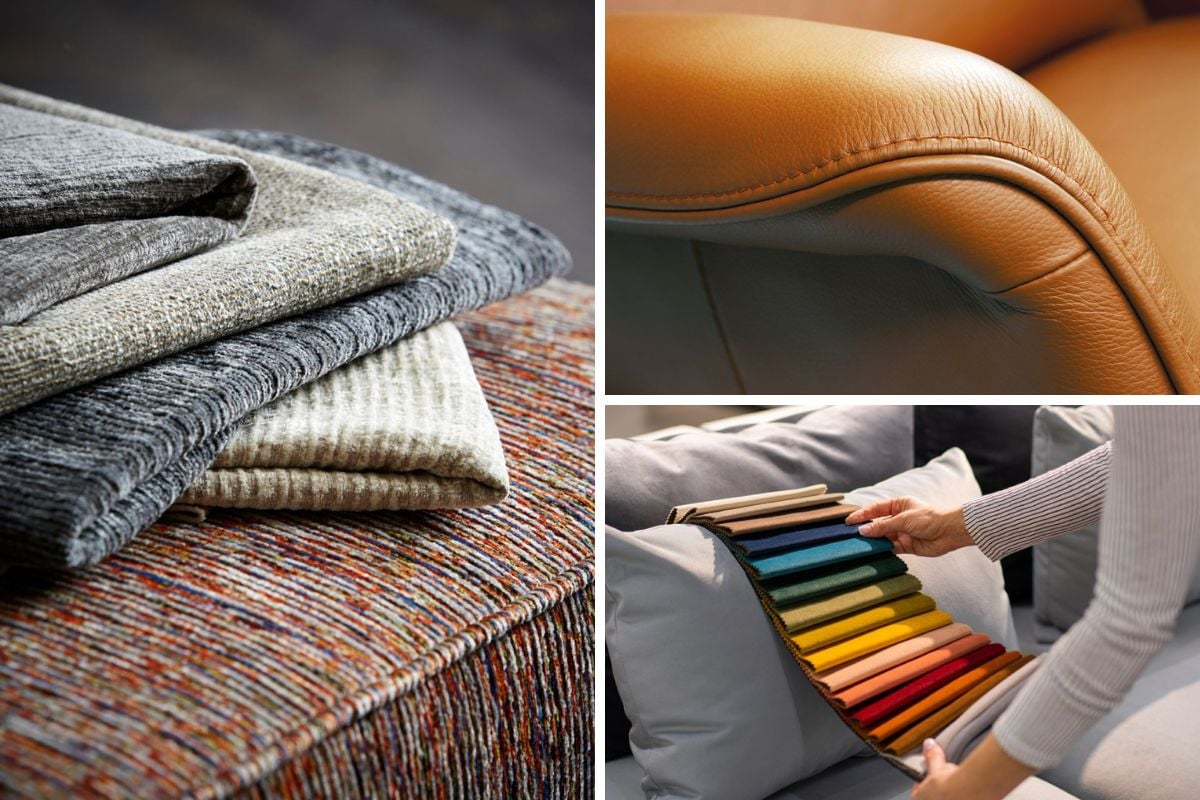
- Get samples: Request fabric swatches to see how they look and feel in your space.
- Read reviews: See what other people say about the fabric's durability and performance.
By considering these factors, you can confidently choose a loveseat fabric that's both beautiful and functional. Happy shopping. And remember, it's all about finding the perfect fit for your life and your home. It's okay to take your time and to experiment a little and to have a ton of fun. That's the best part.
Congratulations. You're now equipped with the knowledge to navigate the complex world of loveseat fabrics. By understanding the different types of materials, their properties, and the factors that affect their performance, you can make an informed decision that will enhance your living space and bring you joy for years to come. Remember to consider your lifestyle, aesthetic preferences, and budget. And most importantly, don't be afraid to ask for samples, read reviews, and trust your instincts. Your perfect loveseat fabric is out there, waiting to be discovered. So go forth, and make your home a haven of comfort and style; you deserve it. And thanks for reading this. I hope you found it helpful.