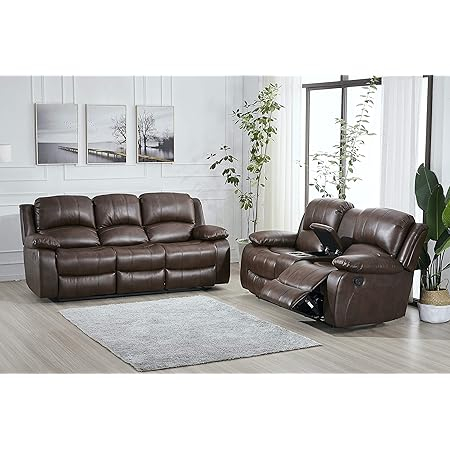
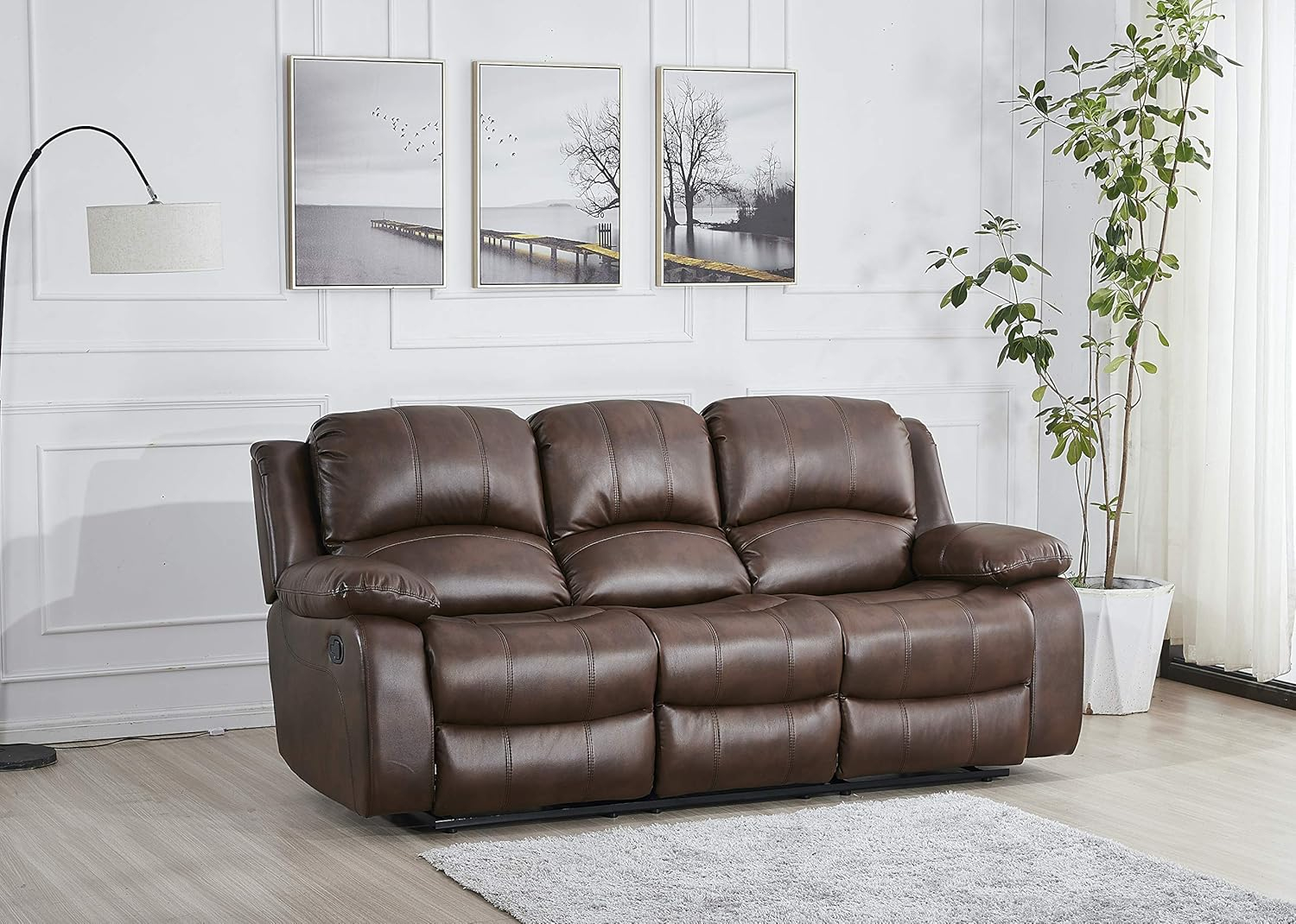
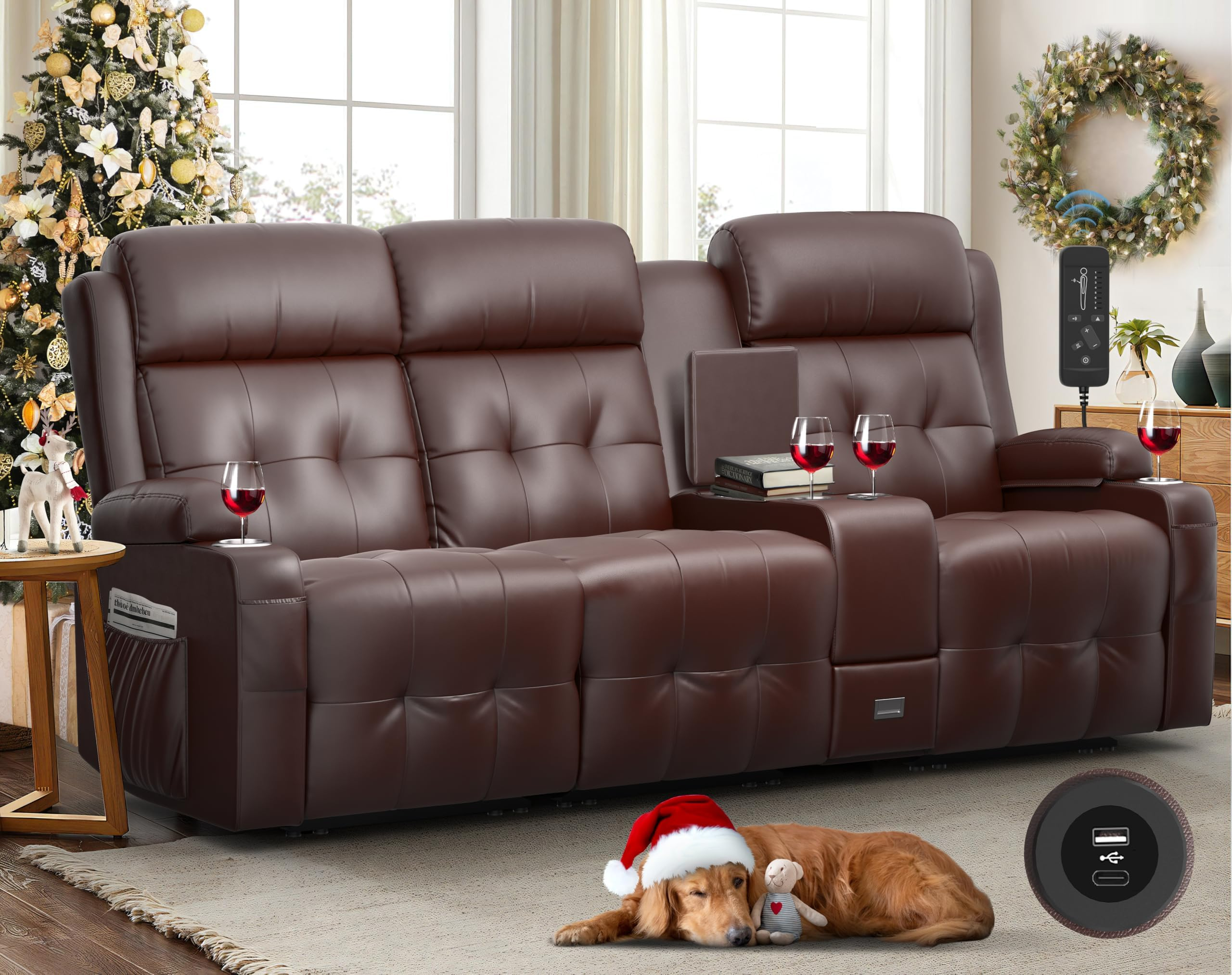
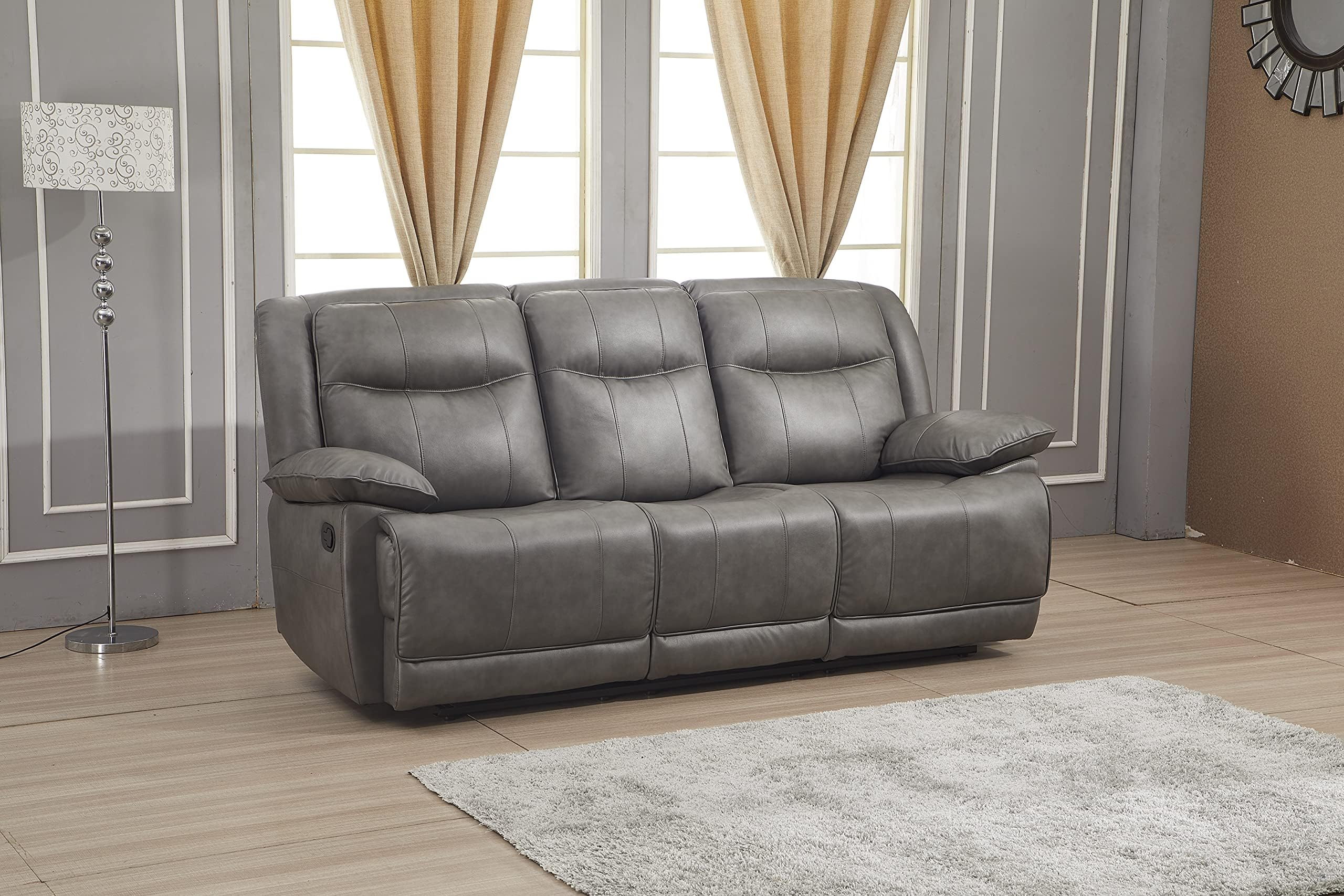
Hey everyone, it's your friend, the furniture fanatic! I'm here today to talk about something near and dear to my heart – and probably yours too, if you own one: the bonded leather loveseat. These sofas can be a fantastic way to add a touch of elegance and comfort to your living space without breaking the bank. The thing is, they sometimes get a bad rap when it comes to durability. But, with the right care, your bonded leather loveseat can actually last for many years, giving you a comfortable place to relax and entertain. This isn't about selling anything; it's about sharing what I've learned over the years and helping you get the most out of your furniture investment. Let's get started!
Bonded leather is a cost-effective alternative to full-grain leather, offering a similar look and feel at a lower price point. It's made by combining leather scraps with a backing material and a bonding agent, then applying a surface finish. It can be a great choice for many people. However, because of its construction, bonded leather is more susceptible to wear and tear than full-grain leather. This is where proper care comes in. The good news? With some simple, consistent maintenance, you can significantly extend the lifespan of your bonded leather loveseat, avoiding the heartbreak of premature cracking, peeling, or fading. This article will break down the key steps, backed by my own experience and a bit of research, to help you keep your loveseat looking its best for years and years to come. Ready to dive in?
Understanding Bonded Leather's Weaknesses
Before we get into the “how-to's,” it's helpful to understand the nature of bonded leather. The biggest issue is the surface finish. It's a thin layer that can be damaged by abrasion, sunlight, and harsh chemicals. Think of it like a delicate coating on top of the underlying material. Scratches, spills, and direct sunlight are the most common culprits. Also, the bonding agent can sometimes break down over time, especially with exposure to heat and humidity. Knowing these weaknesses will help you tailor your care routine effectively. This knowledge will also help you to understand why we're doing things, and not just blindly following instructions.
Gentle Cleaning is Key
Regular cleaning is the cornerstone of bonded leather care. Avoid harsh chemicals! They can strip away the protective finish and cause damage. Instead, go for a soft, damp cloth and some mild soap. Here’s how to do it right:
- Dust Regularly: Use a soft, dry cloth to dust your loveseat at least once a week. This removes surface dirt and prevents it from grinding into the finish.
- Spot Clean Spills Immediately: When a spill happens (and it will!), act fast. Blot the spill with a clean, damp cloth. Don't rub, as this can spread the stain. If you need to use soap, make sure it's a gentle, pH-neutral soap diluted in water.
- Deep Cleaning (Occasionally): Every few months, or as needed, do a more thorough cleaning. Use a dedicated bonded leather cleaner, following the product's instructions carefully. Always test the cleaner in an inconspicuous area first.
- Avoid Abrasives: Never use abrasive cleaners, scrub brushes, or anything that could scratch the surface.
Protecting from the Elements
Your loveseat is vulnerable to various environmental factors. Protecting it is essential for longevity. Here's how:
- Sunlight is the Enemy: Direct sunlight can cause fading and cracking. Position your loveseat away from direct sunlight or use curtains or blinds to filter the light. Consider using a furniture cover when sunlight exposure is unavoidable.
- Shield from Heat: Keep your loveseat away from heat sources like radiators, fireplaces, and direct vents. The heat can dry out the leather and cause it to crack.
- Control Humidity: Excessive humidity can also damage bonded leather. If you live in a humid environment, consider using a dehumidifier in your living space.
- Furniture covers: This will help with the sunlight problem, and also keep the dust and other types of debris off of your loveseat.
Conditioning for Suppleness
While bonded leather isn't genuine leather, it can still benefit from conditioning. Conditioning helps keep the surface supple and prevents it from drying out, which can lead to cracking. Look for a leather conditioner specifically designed for bonded leather. It's important to not overdo it. Apply the conditioner sparingly, following the product's instructions, every few months – or as needed. Again, test in an unseen area first.
- How to Apply: Apply a small amount to a clean, soft cloth. Gently rub the conditioner onto the surface of the loveseat in a circular motion. Let it absorb for the recommended time, then buff off any excess with a clean cloth.
Dealing with Scratches and Damage
Scratches and other signs of wear are inevitable, but you can often minimize their impact. Here's what you can do:
- Minor Scratches: Light scratches can often be buffed out with a clean, soft cloth. You might also try a leather repair kit designed for bonded leather; test it in an inconspicuous area first.
- Deeper Scratches or Cracks: For more serious damage, consider contacting a professional leather repair specialist. They have the expertise and tools to repair the damage and restore the appearance of your loveseat. Do this before the damage gets worse, and save yourself money in the long run.
- Prevention is Key: Trim pet nails regularly, and consider using throw blankets or protective covers on areas prone to heavy use.
Long-Term Care and Maintenance Reminders
Consistency is crucial. Make these practices a part of your routine, and your loveseat will thank you. Here are some more tips to keep in mind:
- Read the Manufacturer's Instructions: Always refer to the care instructions provided by the loveseat manufacturer. They may have specific recommendations that are tailored to your particular model.
- Rotate Cushions: If your loveseat has removable cushions, rotate them regularly to ensure even wear and tear.
- Avoid Sharp Objects: Keep sharp objects, such as keys, pens, and pet claws, away from the loveseat's surface.
- Inspect Regularly: Give your loveseat a quick inspection every month or so to catch any potential problems early on. Addressing issues early can prevent them from becoming major problems.
- Consider Professional Help: Don't be afraid to seek help from a professional cleaner or repair specialist if you're unsure about handling a particular issue. Sometimes, it's worth the investment to protect your furniture.
Taking care of your bonded leather loveseat doesn't have to be a chore. By following these simple steps, you can significantly extend its lifespan and enjoy its comfort and style for many years. Remember, gentle cleaning, protection from the elements, and occasional conditioning are your best allies. With a little bit of effort and consistency, you can keep your loveseat looking its best, creating a cozy and inviting space in your home. It's about enjoying the things you own and making them last. Happy lounging, everyone! And, feel free to share your own bonded leather care tips in the comments below – we can all learn from each other. And, maybe make a few spelling mistakes. After all, we're only human.