Hey everyone, it's your favorite comfort guru back at it again. Today, we're diving deep into the world of sleep – specifically, your mattress. We spend a third of our lives in bed, so it’s super important to understand what we’re sleeping on. This isn't just about a comfy surface; it's about the foundation of your health, energy levels, and overall happiness. Let's unpack the secrets of a good mattress, shall we?
Think about it: Your mattress is your nightly sanctuary. It's where you recharge, dream, and prepare for the day ahead. But how much do you really know about it? Most people just see a rectangular shape, but the truth is, a mattress is a complex system of materials and design, all working together to support your body and promote restful sleep. Understanding these intricacies can help you make informed choices, improve your sleep quality, and ultimately, enhance your life. We're going to break down the key components, explore different types, and talk about what to look for when it's time for a new one. Ready to become a mattress maven?
The Core: Understanding Mattress Types
The core of your mattress is where the magic truly happens. This is where the primary support comes from, and there are a few main types you should know about. First up, we have innerspring mattresses. These use a network of metal coils, providing that classic bounce. They’re often more affordable, but the support and comfort can vary widely depending on the coil type and arrangement. Then there are memory foam mattresses, which contour to your body, offering excellent pressure relief. They're great for folks with back pain, but they can sometimes trap heat. Next, we have hybrid mattresses, which combine innerspring coils with layers of foam (usually memory foam or latex) for a balance of support, comfort, and breathability. They offer a good middle ground. Finally, there are latex mattresses, made from natural or synthetic latex. They're known for their responsiveness, durability, and breathability, and they're a fantastic choice for folks who like a firmer feel. Choosing the right type depends on your sleep position, body type, and personal preferences. It is worth the effort to do your homework.
Layers of Luxury: The Comfort Layers
Above the core, you'll find the comfort layers. These are the parts that you actually feel when you lie down. They're all about pressure relief, temperature regulation, and overall comfort. Common materials include memory foam (again!), which molds to your shape; polyfoam, which offers a less expensive alternative to memory foam; and latex, which provides a springier feel. Some mattresses also include layers of wool, cotton, or other natural fibers for added breathability and temperature control. The thickness and composition of these layers greatly impact the feel of your mattress. Some people like a plush, sinking-in feel, while others prefer something firmer, with more support. Experimenting with different mattress toppers can also help you fine-tune the comfort level to your liking.
The Cover: Protection and Presentation
The mattress cover is more than just a pretty face; it protects the inner workings of your mattress and influences how it feels. Covers can be made from a variety of materials, including cotton, polyester, bamboo, and blends. They might also include features like moisture-wicking properties, antimicrobial treatments, and even temperature-regulating technologies. Look for a cover that is breathable, durable, and easy to clean. A removable, washable cover is a major plus for easy maintenance. The cover's construction and materials can also contribute to the overall feel of the mattress. A soft, quilted cover will feel much different than a tightly woven, firm one. It's all about finding the right balance.
Coil Types and Counts: Demystifying the Core Support
If you're looking at an innerspring or hybrid mattress, understanding the coils is important. There are various types, including Bonnell coils (the oldest and most basic, often found in budget-friendly mattresses), offset coils (designed to conform to the body), and pocketed coils (individually wrapped, offering superior motion isolation). The coil count, or the number of coils in the mattress, is often touted as a measure of quality, but it's not the whole story. Higher coil counts can mean better support, but the type of coil, the gauge (thickness) of the wire, and the coil arrangement all play a significant role. A mattress with fewer, but well-engineered pocketed coils, can offer better support than one with a high count of low-quality coils. Don't get too hung up on the numbers; focus on the overall feel and support.
Considering Your Sleep Position and Body Type
Your sleep position and body type should absolutely influence your mattress choice. Side sleepers usually need a softer mattress to allow their shoulders and hips to sink in, keeping their spine aligned. Back sleepers often do best with a medium-firm mattress that provides balanced support. Stomach sleepers generally need a firmer mattress to prevent their hips from sinking too far, which can strain their backs. Heavier individuals might require a firmer mattress with more robust support. And it's not just about the firmness; the type of materials can also matter. For example, memory foam might be great for side sleepers, while latex could be ideal for back sleepers who also want a bit of responsiveness. Think about your own unique needs and preferences when making your selection; there's no one-size-fits-all solution.
Durability and Maintenance: Keeping Your Mattress Happy
A good mattress is an investment, and you want it to last. The lifespan of a mattress depends on its type, the materials used, and how well you care for it. Rotate your mattress regularly (usually every three to six months) to promote even wear and tear. Use a mattress protector to guard against spills, stains, and allergens. Vacuum your mattress periodically to remove dust and debris. Some mattresses can be flipped, while others are one-sided. Always follow the manufacturer's instructions for care and maintenance. When it comes time to replace your mattress (usually after 7-10 years, or sooner if you notice significant sagging or discomfort), be sure to dispose of it responsibly, or consider donating it if it’s still in good shape.
So there you have it – a deep dive into the anatomy of your mattress. From the core to the cover, each component plays a vital role in your sleep quality and overall well-being. By understanding these elements, you're now equipped to make informed decisions and find the perfect mattress for your needs. Remember, investing in a good mattress is investing in yourself, your health, and your happiness. Sweet dreams, everyone. And don't hesitate to reach out with any questions. Your comments and feedback are always welcome. Good night, and sleep tight.


Related Posts
 Uncategorized
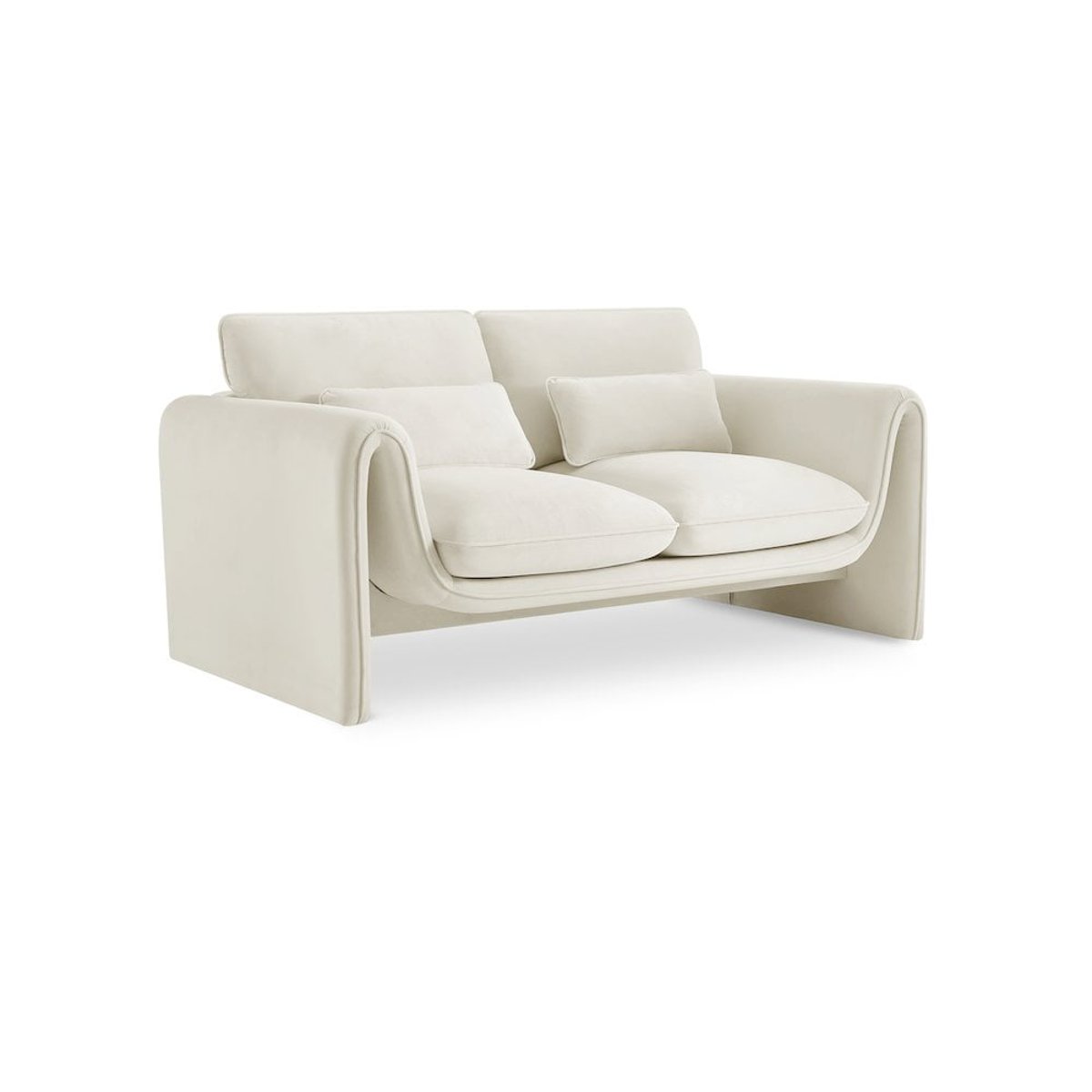
 The Art of Choosing the Perfect Sloan Cream Velvet Fabric Loveseat for Your Room
 Uncategorized
 Choosing the right sofa material for your home's aesthetic needs
 Uncategorized
 Designing comfortable seating solutions in luxury hospitality spaces
 Uncategorized
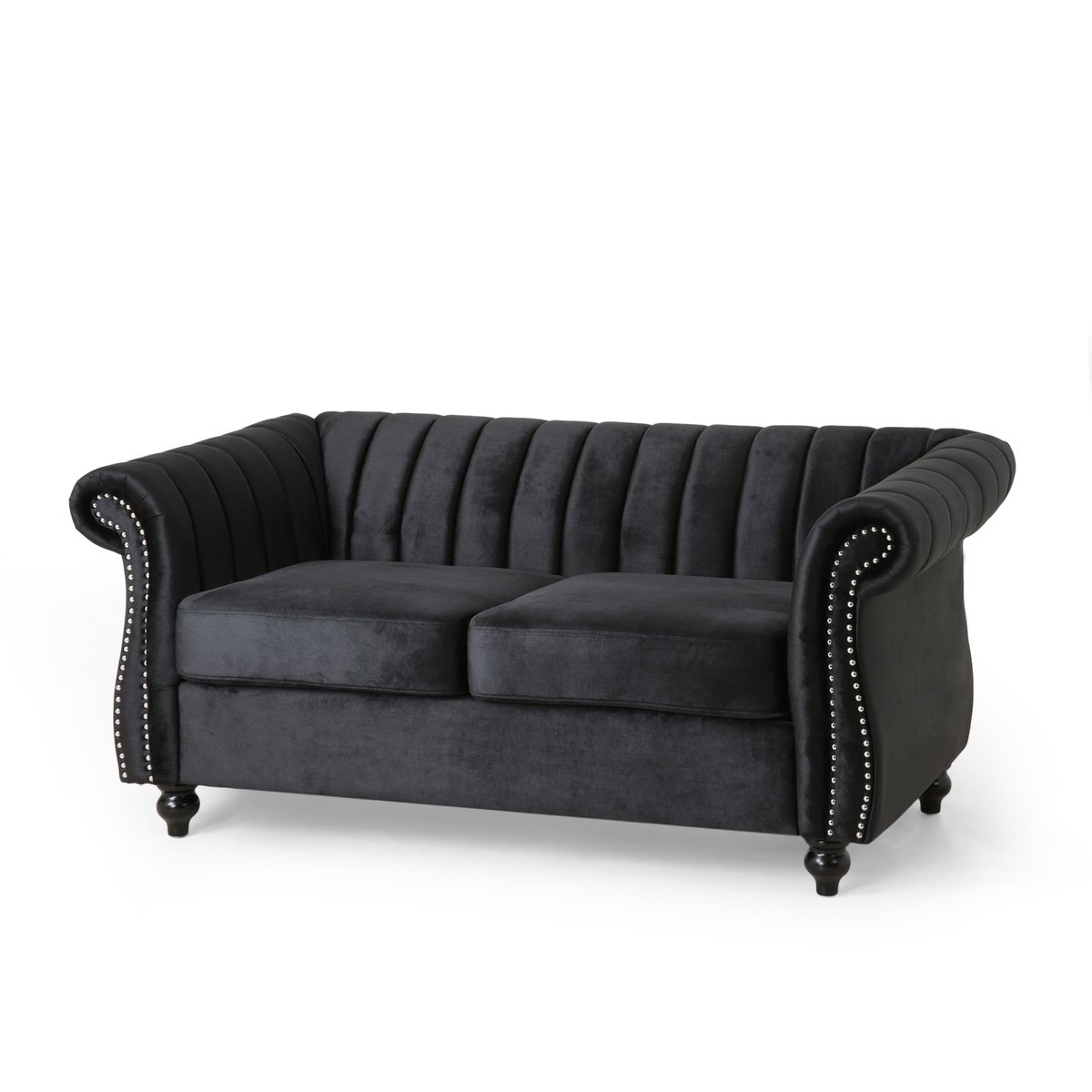
 The Naomi Black Velvet Loveseat Your Living Room Needs
 Uncategorized
 Why the Altari Loveseat in Slate is a Top Choice for Cozy Living Spaces
 Uncategorized