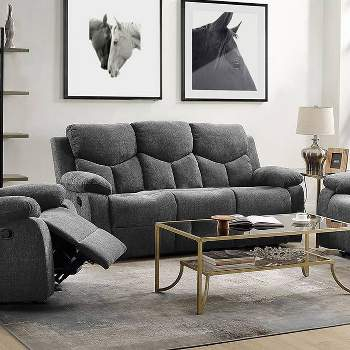
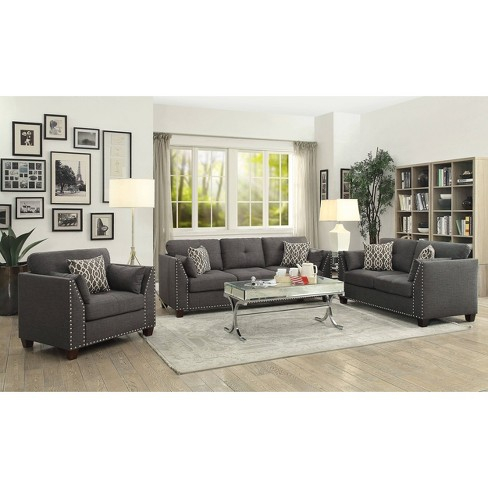
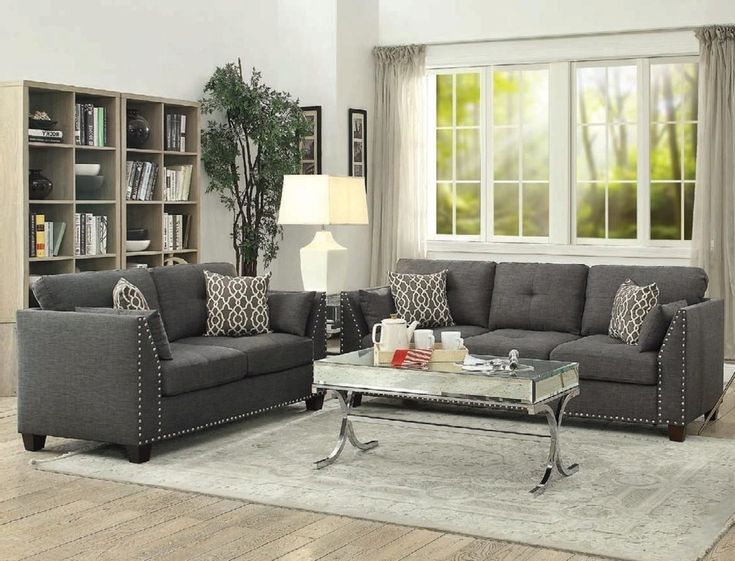
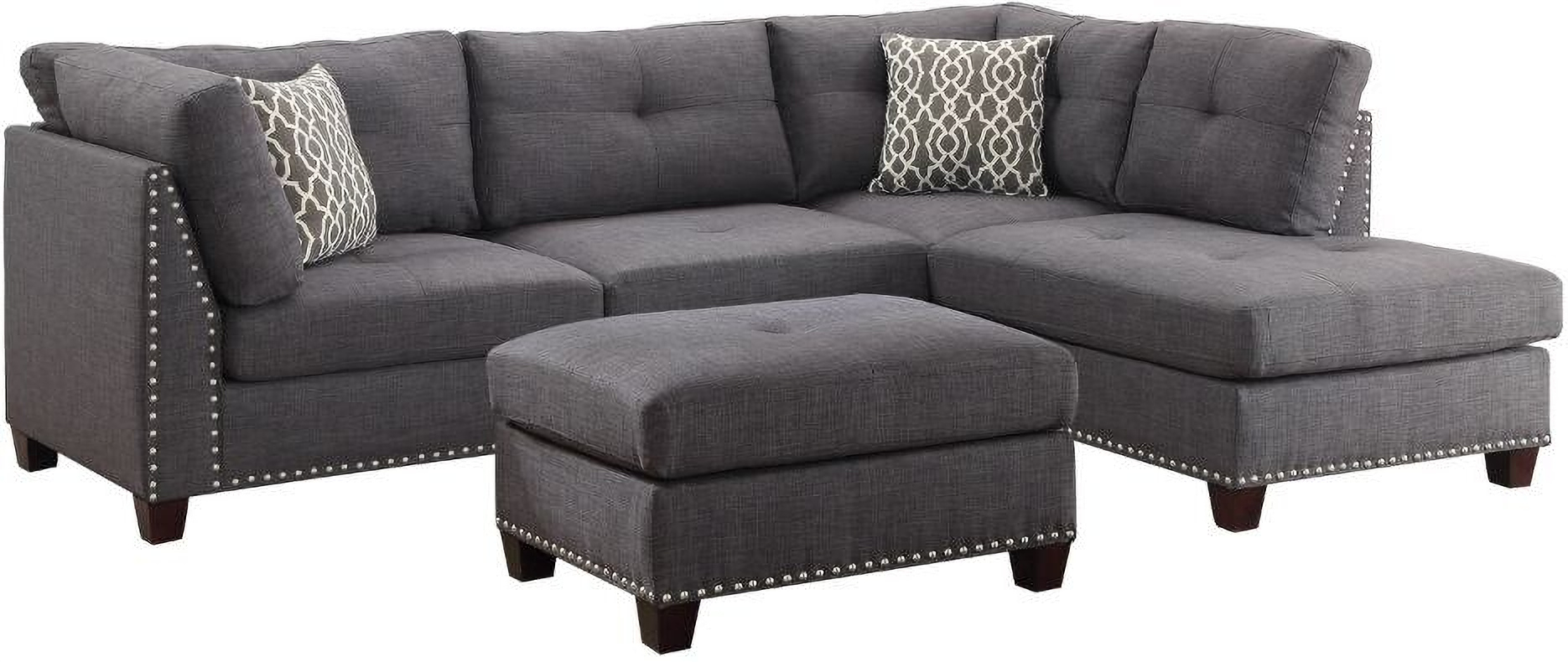
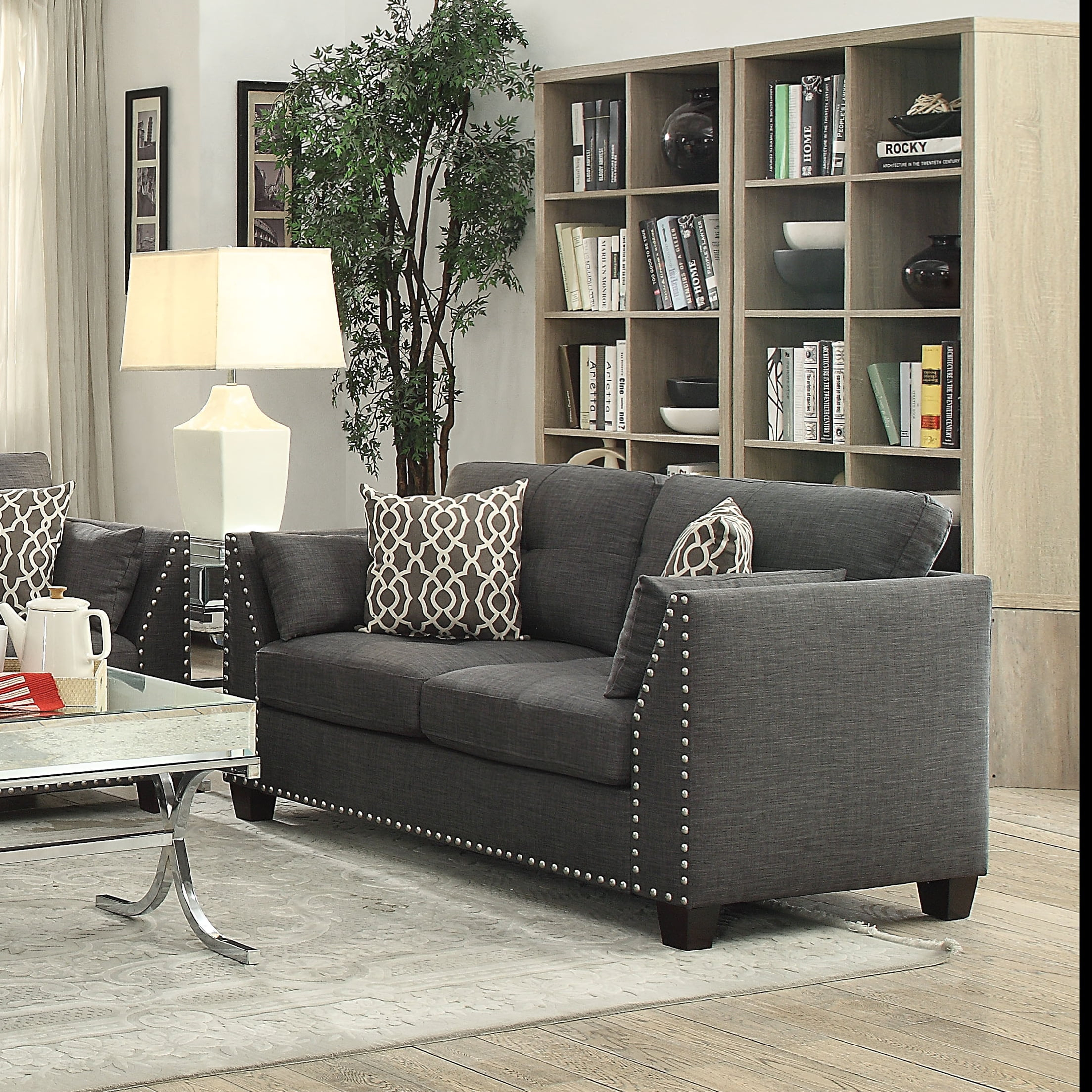
Hey everyone, it’s me, your go-to guru for all things home decor. Today, we're diving deep into the world of loveseats – those charming, compact pieces that can totally transform a space. Whether you're furnishing a small apartment, creating a cozy nook, or just looking for a stylish seating option, a loveseat is a fantastic choice. But how do you pick the right one? Don't worry, I'm here to help. This isn't just about picking a pretty couch; it's about finding a loveseat that truly fits your lifestyle. We'll explore everything from size and style to materials and functionality. Get ready to become a loveseat expert – let's get started.
Loveseats aren't just mini-sofas; they're a statement. They offer a blend of comfort, style, and practicality that's hard to beat. They're perfect for smaller spaces, providing seating without overwhelming the room. They can create intimate conversation areas, and they're often more affordable than full-sized sofas. Plus, loveseats are incredibly versatile. You can use them in living rooms, bedrooms, home offices, or even entryways. But with so many options out there, choosing the perfect one can feel a little overwhelming. That's where this guide comes in. We'll break down everything you need to consider, so you can confidently select a loveseat that you'll adore for years to come.
Sizing Up Your Space: Finding the Right Dimensions
Before you fall in love with a particular loveseat, you have to measure your space. This is the golden rule of furniture shopping. Consider these things:
- Measure, measure, measure: Get accurate measurements of the area where you want to place the loveseat. Account for doorways, windows, and other furniture.
- Allow for traffic flow: Make sure there's enough space to move around the loveseat comfortably. Aim for at least 30-36 inches of space between the loveseat and other furniture or walls.
- Consider the room's shape: A long, narrow room might benefit from a loveseat with a streamlined design. A square room could handle a loveseat with a more substantial presence.
- Think about the overall balance: You don't want a loveseat that dwarfs the room or gets lost in it. The size should be proportional to the area.
Pro Tip: Use painter's tape to mark out the loveseat's dimensions on the floor. This will give you a visual idea of how it will fit in your space.
Material Matters: Choosing the Right Fabric for Your Needs
The fabric you choose will impact the loveseat's comfort, durability, and how it looks. Here's a breakdown of popular materials:
- Performance Fabrics: These are your best friend if you have kids, pets, or a generally active household. They're stain-resistant, easy to clean, and hold up well to wear and tear. Examples include microfiber, polyester blends, and Crypton fabrics.
- Cotton: Cotton is a classic choice, known for its breathability and softness. It's relatively affordable, but it can stain easily. Look for cotton blends for increased durability.
- Linen: Linen offers a relaxed, elegant look. It's breathable, but it wrinkles easily and can be more prone to stains.
- Leather: Leather is durable, luxurious, and develops a beautiful patina over time. It's a great choice for a sophisticated look, but it can be more expensive and require more maintenance.
- Velvet: Velvet adds a touch of glamour and softness. It can be more prone to wear and tear and stains, but it's a real showstopper.
Example: If you have a playful puppy and a toddler, a performance fabric is the way to go. If you're aiming for a chic, low-key vibe, linen is a great option.
Style Savvy: Finding a Loveseat That Reflects Your Taste
The style of your loveseat should complement your existing decor and reflect your personal taste. Here are some popular styles:
- Traditional: Characterized by classic lines, rolled arms, and often, decorative details. Think tufted backs, ornate wood legs, and patterned fabrics.
- Modern: Clean lines, simple silhouettes, and a focus on functionality. Often features metal or wood legs and solid-colored fabrics.
- Mid-Century Modern: A blend of sleek design and retro charm. Look for tapered legs, low profiles, and often, wooden frames.
- Contemporary: A more fluid and adaptable style. Can incorporate a variety of features, often with a focus on comfort and innovative design.
- Coastal: Light, airy, and often features natural materials like linen or cotton. Think light colors, slipcovers, and a relaxed vibe.
Tip: Browse interior design magazines, websites, and social media to find inspiration and identify your favorite styles. Don't be afraid to mix and match styles to create a unique look.
Functionality First: Considering Your Loveseat's Purpose
How you'll use your loveseat should inform your buying decisions. Think about these things:
- Seating Capacity: While they're called loveseats, they're not always ideal for two people. Consider the size of the people who will use the loveseat.
- Storage: Some loveseats come with built-in storage compartments, which are great for small spaces.
- Sleeping: If you need a loveseat for guests, consider a sleeper loveseat.
- Reclining: Reclining loveseats offer extra comfort, but they require more space.
- Built-in features: Some loveseats come with USB ports, cup holders, and other features that add convenience.
Real-life example: If you live in a studio apartment and need a guest bed, a sleeper loveseat would be a smart choice.
The Comfort Factor: Ensuring a Cozy Experience
Comfort is key. Here's how to ensure your loveseat is comfy:
- Cushion Fill: Consider the type of fill used in the cushions. Foam is a common choice, offering good support. Down and feather-filled cushions are luxurious but require more maintenance. A combination of foam and down provides a good balance of comfort and support.
- Seat Depth: Make sure the seat depth is appropriate for your height and preferred seating style. You should be able to sit comfortably with your back supported and your feet flat on the floor, or if you prefer, be able to curl up.
- Armrests: Consider the height and shape of the armrests. Some people prefer high, padded armrests, while others prefer lower, sleeker ones.
- Test it out: If possible, try out the loveseat in person before you buy it. Sit on it, lean back, and make sure it feels comfortable and supportive.
Budgeting and Beyond: Where to Buy and What to Expect
Loveseats range in price, so set a budget before you start shopping. Consider these things:
- Set a Budget: Determine how much you're willing to spend. This will help you narrow down your options.
- Where to Shop: Explore furniture stores, online retailers, and consignment shops. Each option has its pros and cons.
- Read Reviews: Before you buy, read reviews from other customers to get an idea of the loveseat's quality and durability.
- Consider Shipping and Delivery: Factor in shipping costs and delivery times, especially if you're buying online.
- Look for Sales and Discounts: Keep an eye out for sales, discounts, and promotions to save money.
A heads up: Don't be afraid to shop around and compare prices. You might find the perfect loveseat at a surprisingly good price. And remember, investing in a quality loveseat that fits your needs is an investment in your comfort and your home's style.
Choosing the right loveseat is a journey, not a race. Take your time, do your research, and consider your lifestyle and needs. By following these tips, you'll be well on your way to finding a loveseat that you'll absolutely adore. Remember to measure your space, choose the right materials, consider your style preferences, and prioritize comfort. And most importantly, have fun with it. Your loveseat should be a reflection of you and your home. Happy shopping. I hope this guide helps you create a cozy, stylish, and comfortable space. Until next time, happy decorating.