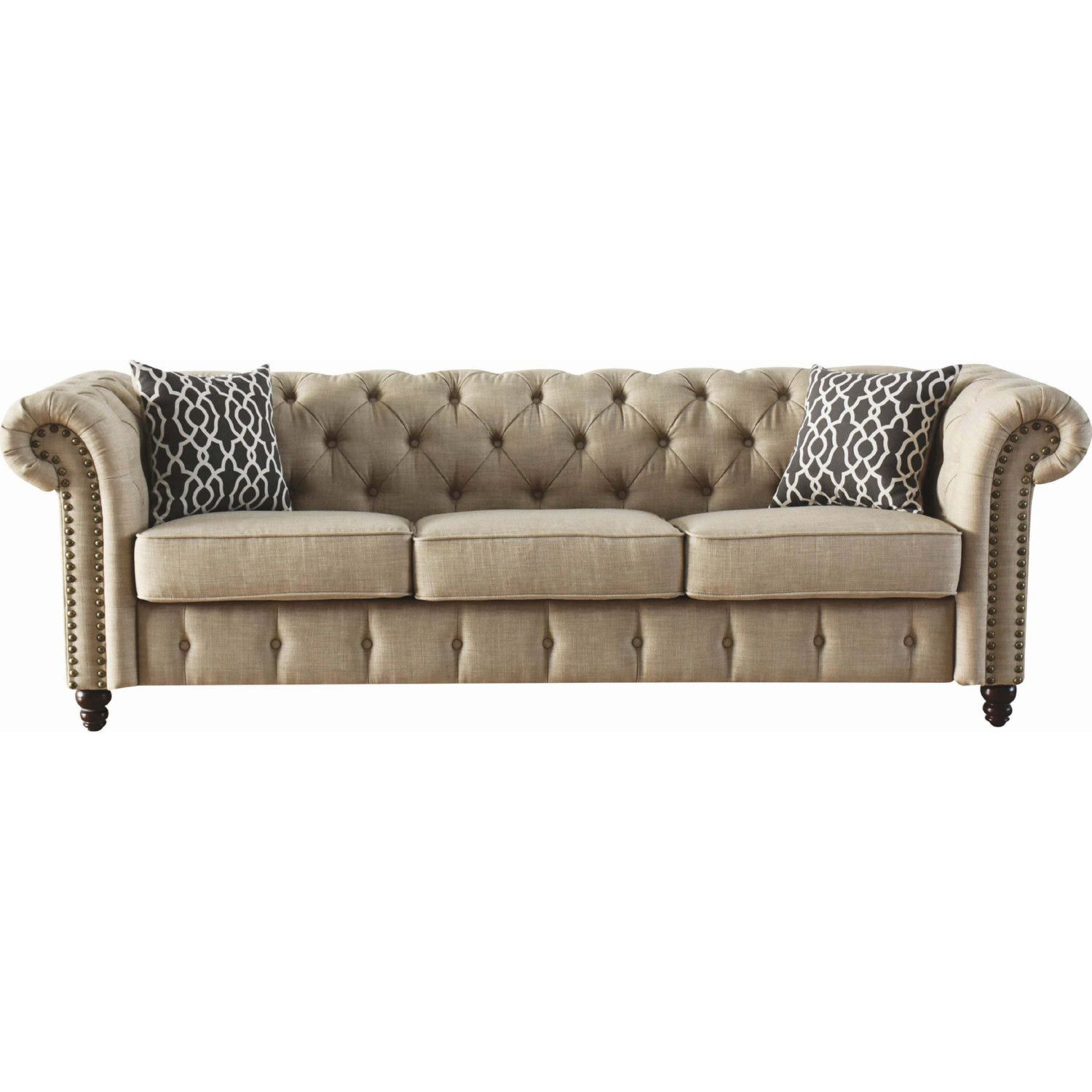
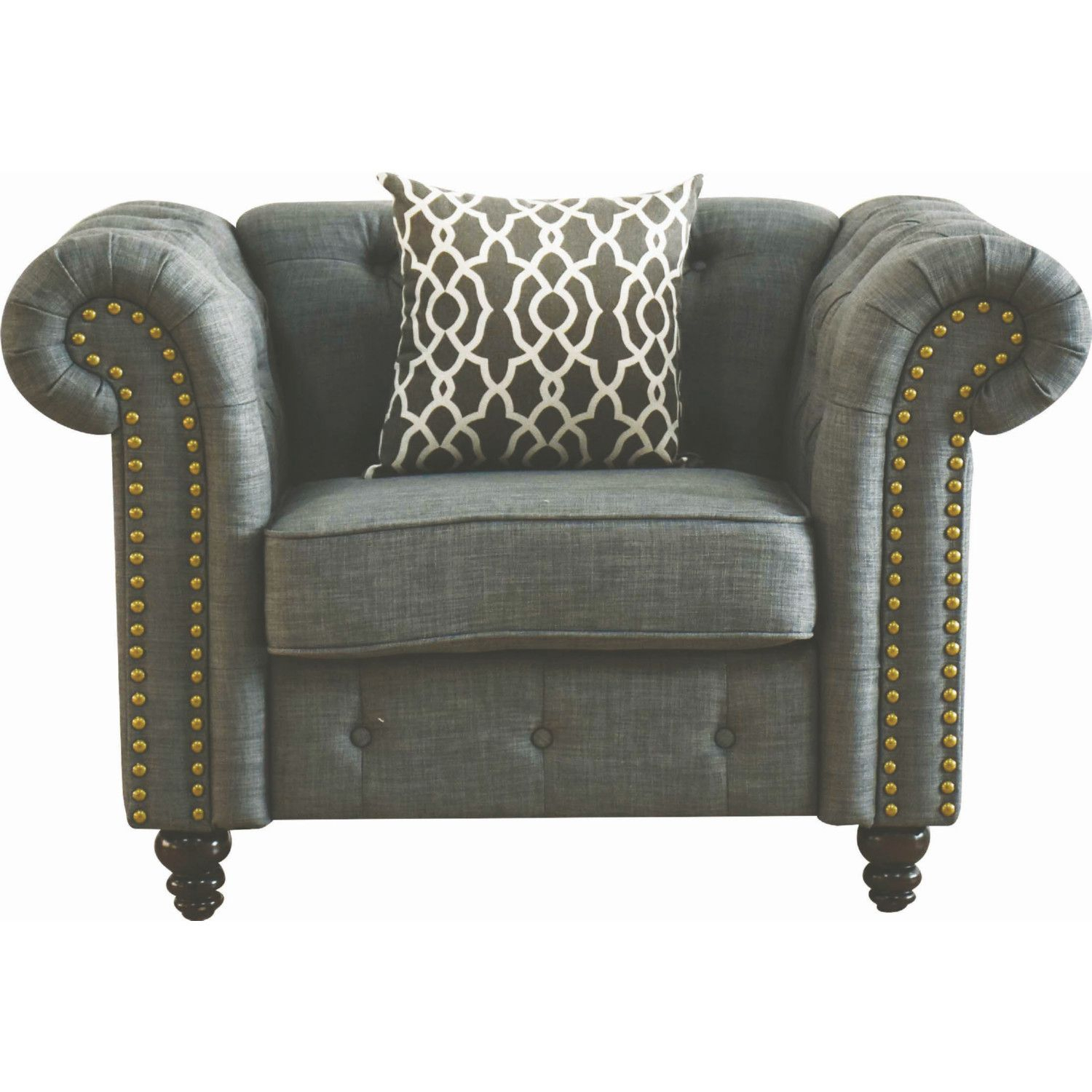
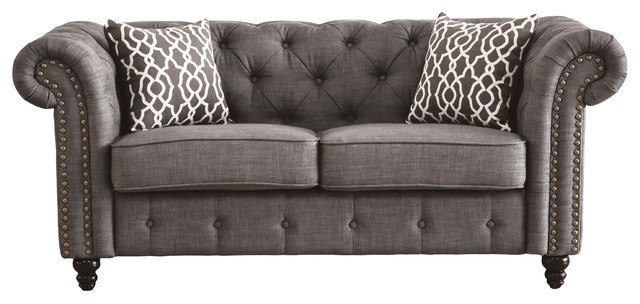
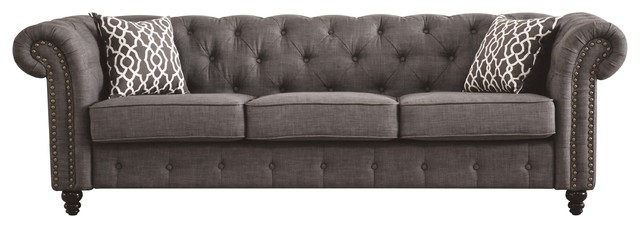
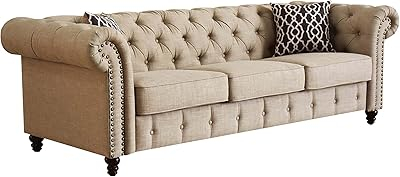
Hello, comfort seekers. Welcome to my humble abode, where we unravel the mysteries of all things comfy, starting with the unsung hero of your living room: the loveseat. We're going to get up close and personal with the cushions themselves. They are the key to a cozy experience. Think about it; how often do you sink into your loveseat after a long day? The cushions make all the difference, right? This deep dive is all about helping you understand what makes a great loveseat cushion, from the inside out, so you can make informed choices and create your own personal comfort haven. That's my goal, and I hope you will enjoy it.
Alright, let's be real. A loveseat without great cushions is like a pizza without cheese – sad and incomplete. Cushioning isn't just about appearances; it's about the core of your comfort. It impacts how you sit, how long you can relax, and even the overall feel of your space. We're talking about the stuff that supports you, molds to your body, and invites you to unwind. Whether you're a bookworm, a binge-watcher, or a napper extraordinaire, understanding the anatomy of your loveseat's cushions is essential for creating a sanctuary of relaxation in your home. Consider this article your guide to all things cushion-related, a resource to help you choose wisely, and a key to unlocking ultimate comfort.
The Core Components: What's Inside?
Let's begin with the basics, shall we? Loveseat cushions typically consist of a few key parts: the core, the fill, and the fabric.
The Core: This is the foundation, the backbone, if you will. It's the inner part that provides the primary support. Common core materials include:
- Foam: A popular choice, foam comes in various densities. Higher-density foam is usually more durable and offers better support but can be firmer. Lower-density foam is softer, but it might flatten out quicker. Memory foam conforms to your body, offering excellent pressure relief.
- Innerspring: Similar to a mattress, these cores use springs for support and are often encased in foam or fiber. They provide good support and breathability.
- Fiberfill: This option is usually less expensive, but it tends to flatten faster and needs more frequent fluffing. It is often used in the backs of cushions and as a top layer for softness.
The Fill: This is the material surrounding the core, contributing to the cushion's softness and feel. Popular fill materials include:
- Down: Known for its luxurious feel and softness, down is made from the fluffy feathers under the outer feathers of ducks or geese. It requires a lot of maintenance, like frequent fluffing, and is often mixed with other materials to improve its shape retention.
- Feather: Similar to down, but less expensive and less fluffy, feathers offer a soft experience, but also need regular fluffing.
- Polyester Fiber: A budget-friendly option, polyester fiber is synthetic and can be quite resilient, but not as luxurious as down or feathers.
The Fabric: The outer layer, the fabric, is what you see and feel. It influences the look, the feel, and the durability of your loveseat. Consider fabrics that are durable, easy to clean, and suit your style. Think about things like stain resistance, wear resistance, and the overall aesthetic you're aiming for.
Density, Durability, and You
Understanding the density of foam is super important. It's all about how much material is packed into a given space. Higher-density foam is generally more durable and will last longer before showing signs of wear and tear. It also tends to provide better support, which is great for people who might need extra support. Lower-density foam is often a lot softer, which can feel amazing at first, but it could flatten out sooner.
When shopping, look for the density rating, usually expressed in pounds per cubic foot (PCF). For seat cushions, aim for a density of at least 1.8 PCF or higher, this will give you a good balance of comfort and longevity. For back cushions, a lower density might be okay, since they bear less weight.
Durability also plays a big role. How the cushions are constructed impacts how long they last. Look for cushions with quality stitching, well-fitted covers, and materials that are built to endure regular use. Some brands offer warranties on their cushions, so that's something to keep an eye on, as well. It can give you peace of mind.
Cushion Types: Finding Your Perfect Match
Loveseat cushions come in various styles, and the right choice depends on your preferences and needs.
- Box Cushions: These are the classic, square or rectangular cushions that sit on the loveseat frame. They often have a separate welt (the stitched edge detail) and can be easily flipped for even wear. They're a versatile choice that suits many styles.
- T-Cushions: These have a T-shaped design, with an extension that wraps around the armrests. They provide a more tailored look and often work well with loveseats that have curved or sloped arms.
- Bench Cushions: A single, long cushion that covers the entire seat area. These create a modern, streamlined look and are great if you prefer a minimalist aesthetic. They can be a little less supportive than individual cushions, though.
- Loose vs. Attached Cushions: Loose cushions are removable, allowing for easy cleaning and replacement. Attached cushions are sewn to the frame, offering a more fixed look. Think about your lifestyle and how much maintenance you're willing to do when making this decision.
Maintenance and Care: Keeping Your Cushions Happy
Taking care of your loveseat cushions is key to extending their lifespan and maintaining their comfort.
- Regular Fluffing: For down and feather-filled cushions, fluffing is essential. Do this regularly to redistribute the fill and prevent flattening. Give them a good whack every few days, especially after heavy use.
- Rotating Cushions: Rotate your seat cushions regularly to ensure even wear. Flip them over, too. This can help prevent sagging and extend their lifespan.
- Spot Cleaning: Address spills and stains immediately. Use a mild soap and water solution to blot the stain, avoid scrubbing, which can spread it. Always test your cleaning solution in an inconspicuous area first.
- Professional Cleaning: Consider professional cleaning for your cushions every year or two, especially if they are made of delicate materials. This can help remove deep-seated dirt and allergens.
- Sun Protection: Direct sunlight can fade fabrics over time. Position your loveseat out of direct sunlight, or use curtains or blinds to shield it.
Making the Right Choice for You
Choosing the perfect loveseat cushions is a personal journey. Here are some points to keep in mind:
- Consider Your Lifestyle: How do you use your loveseat? Do you eat, drink, and entertain on it? Do you have kids or pets? Your lifestyle will influence the choice of materials and fabric.
- Think About Your Style: Do you prefer a casual, relaxed look or a more formal aesthetic? The style of your loveseat and the overall design of your living room will guide your choice of cushion type and fabric.
- Prioritize Support: Make sure the cushions provide the support you need. If you have back problems, opt for firmer cushions. If you prefer a softer feel, choose cushions with a higher ratio of fill.
- Read Reviews: See what other people are saying about the cushions you're considering. Online reviews can offer valuable insights into comfort, durability, and quality.
- Test Before You Buy (If Possible): If you're buying in a store, sit on the loveseat and test the cushions. This will give you a sense of the comfort level and whether they meet your needs.
Remember, the right loveseat cushions are an investment in your comfort and well-being. Take your time, do your research, and don't be afraid to experiment until you find the perfect fit.
Beyond the Basics: Extra Tips and Tricks
- Consider the Fill: Different fill materials offer varying levels of support, softness, and durability. Down and feathers provide a luxurious, cloud-like feel, while foam offers more structured support.
- Fabric Matters: The fabric you choose impacts both the look and the feel of your cushions. Consider the color, texture, and pattern, as well as the fabric's durability and stain resistance.
- Don't Forget the Back Cushions: Back cushions provide essential support for your back and neck. Choose cushions that are the right shape and size for your loveseat.
- Experiment with Pillows: Pillows are a great way to add extra comfort and style to your loveseat. Experiment with different sizes, shapes, and materials to create a look you love.
- Customize Your Cushions: Some companies offer custom-made cushions, allowing you to choose the exact materials, dimensions, and style you want. This is a great option if you have a unique loveseat or specific needs. And remember to give your loveseat a good cleaning from time to time to get rid of the dust and debris that accumulate over time. It's essential for maintaining the beauty and hygiene of your furniture.
There you have it! The anatomy of comfort, unveiled. You now have the knowledge to make informed decisions about your loveseat cushions. From the core to the cover, understanding the components, considering your needs, and caring for your cushions are all key to creating a comfortable and stylish space. Choosing the right cushions is more than just a purchase; it's an investment in your well-being and your home. So, go forth, explore the world of loveseat cushioning, and create a space where you can truly relax, unwind, and be yourself. And remember, it's all about finding what feels best for you. Happy lounging and may your loveseat always be a haven of comfort and style. I hope this information has been helpful for you, and I'm excited to share more insights with you in the future. Thanks for joining me on this comfy journey.