
When you think about classic American homes, the ranch style often comes to mind. But what happens when you add an L-shape to that familiar layout? You get something special – a design that's both nostalgic and remarkably functional. These homes have been gracing neighborhoods for decades, and their appeal continues to grow. Why? Because they understand how we actually live.
Picture this: you're walking through a quiet suburban neighborhood, and suddenly you spot a house that looks like it's been there forever. It has that classic ranch look – low profile, wide span, and that comfortable feeling you get when you see a home designed for living, not just looking. Now imagine that same house with a wing that juts out at a right angle, creating a distinctive L-shape. This isn't just a random architectural choice – it's a thoughtful solution to how families want to live. The L-shaped ranch style house has been quietly revolutionizing home design for generations, offering practical benefits that go beyond simple aesthetics.
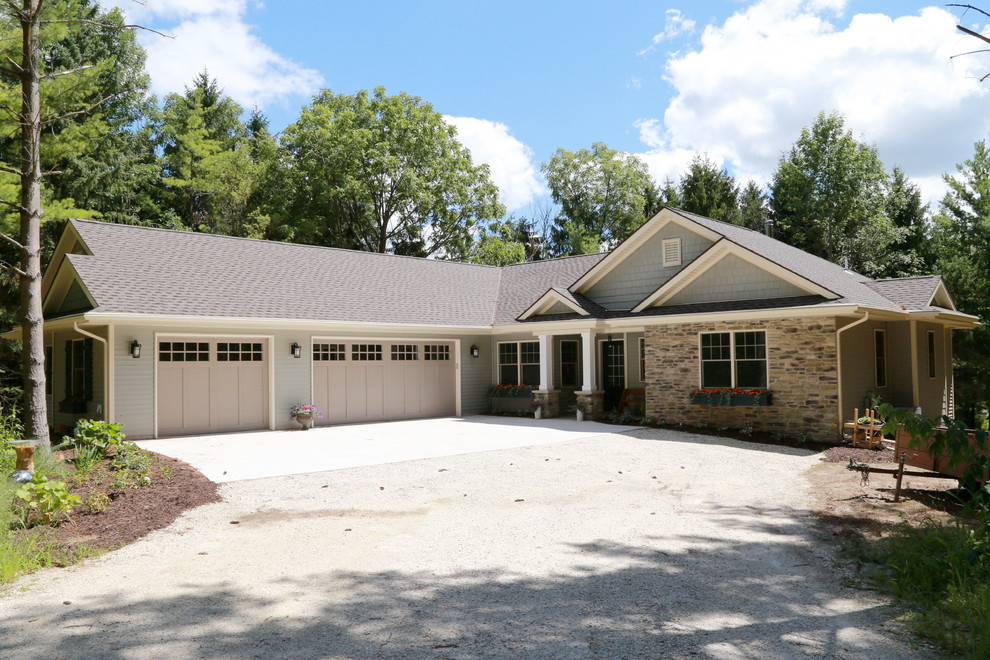
What Makes an L-Shaped Ranch Home Unique
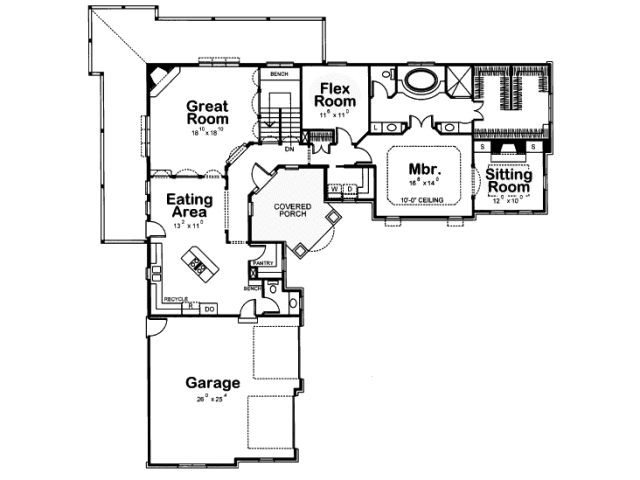
An L-shaped ranch house is essentially a traditional ranch style home with an additional wing that extends outward at a ninety-degree angle. This creates a distinctive shape that's easy to recognize and even easier to love. Unlike a straight ranch that stretches in one direction, the L-shape gives homeowners more flexibility in how they organize their space. Think about it – instead of having all your rooms in one long line, you can create separate zones that feel distinct yet connected. The corner where the two wings meet often becomes a natural gathering place. This design allows for more creative floor planning while maintaining the cozy, intimate feel that makes ranch homes so appealing. Many people find that this shape naturally encourages conversation and family interaction. The extra space doesn't feel wasted – it feels purposeful. Some designs even incorporate outdoor spaces that flow seamlessly from the main living areas to the extended wing.
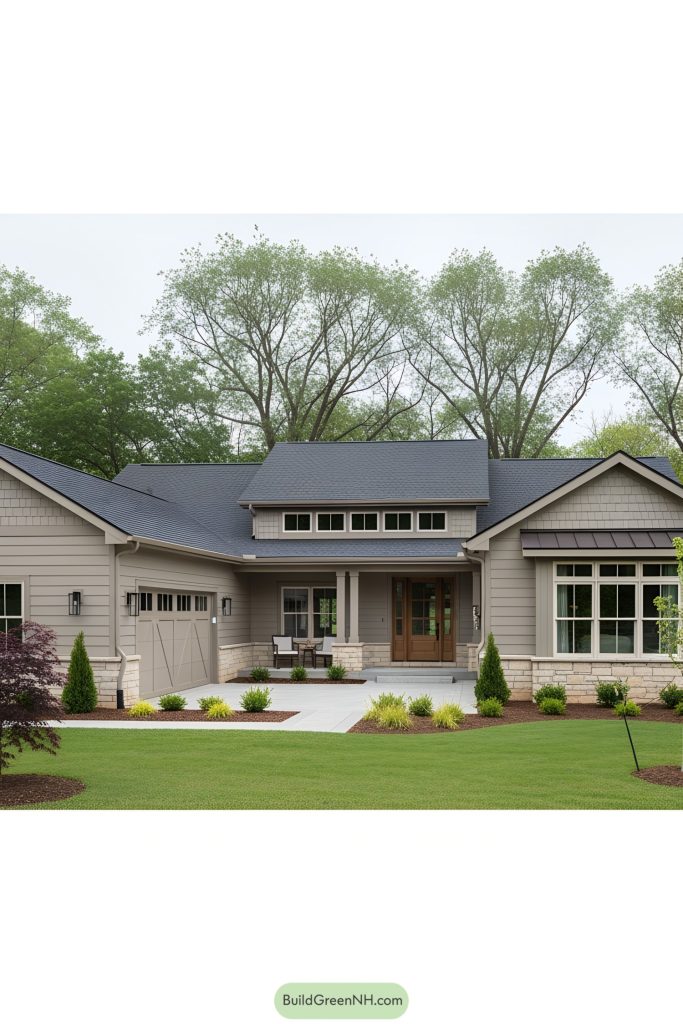
Historical Roots and Evolution
Ranch homes first appeared in the 1930s, developed in California and quickly spread across the United States. They were born from the desire for a simpler, more casual lifestyle that reflected post-war prosperity and suburban growth. The original ranch style emphasized openness, connection to nature, and practicality. When architects began experimenting with variations, the L-shape emerged naturally as a way to maximize space without dramatically changing the fundamental design principles. By the 1960s and 70s, this style became increasingly common in middle-class neighborhoods. The evolution wasn't just about appearance – it was about solving real problems. Families needed more bedrooms, better kitchen layouts, and more flexible living spaces. The L-shape provided a solution that maintained the ranch aesthetic while addressing these growing needs. You'll notice that many of these homes were built during periods of significant suburban expansion, when communities were growing rapidly and people wanted homes that felt both modern and familiar.
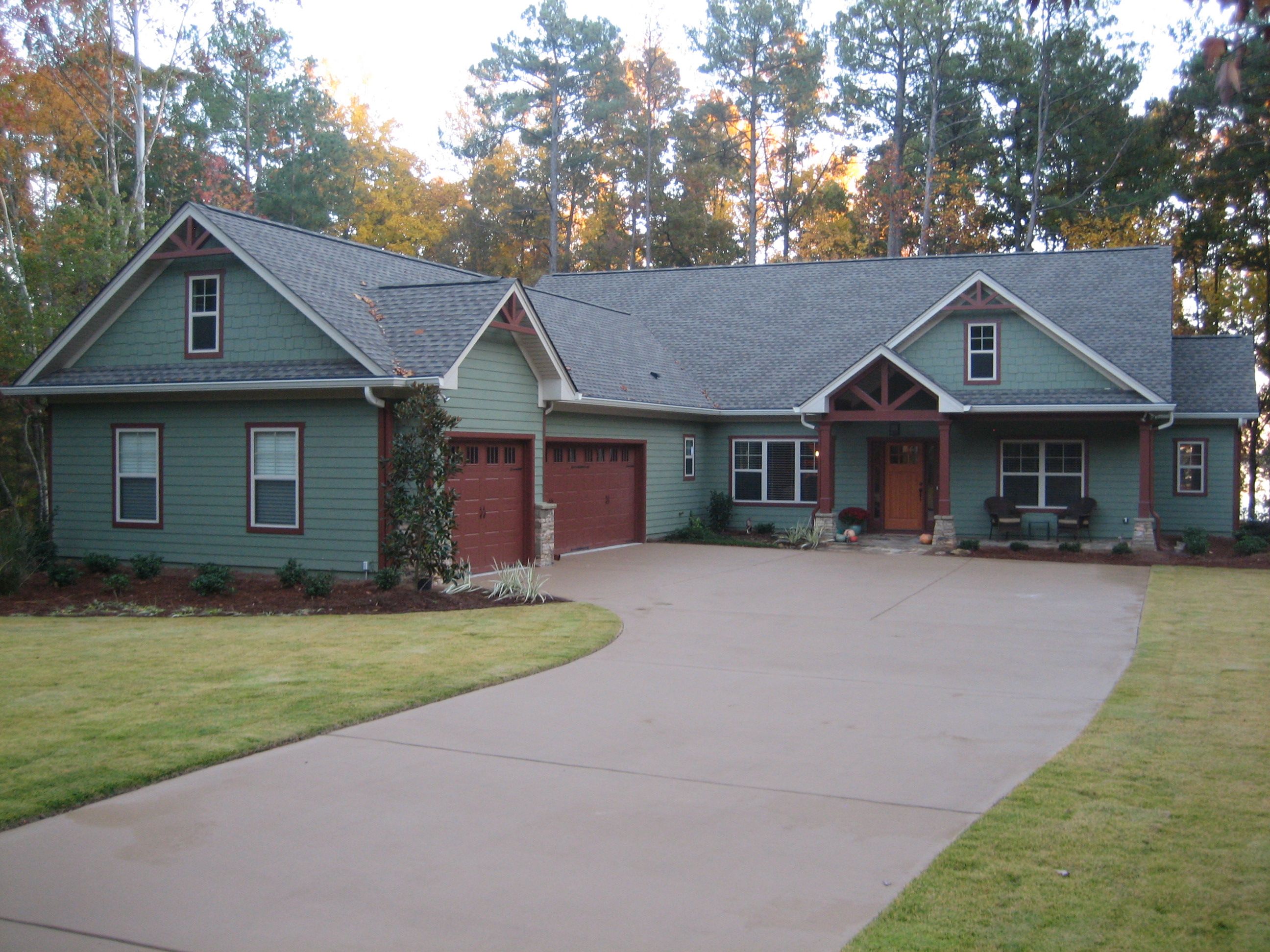
Practical Benefits of the L-Shape Design
Let's talk about why this design really works for real people. The L-shape offers several advantages that make daily life easier. First, it provides more usable square footage without requiring a larger footprint. This means you can have a bigger kitchen, more bedrooms, or a dedicated family room without building a much larger house. Second, the shape helps distribute traffic flow better than a straight ranch. One wing might house the main living areas while another holds private bedrooms, reducing noise and creating natural boundaries between public and private spaces. Third, it's particularly good for homes with multiple generations living together. The extra wing can accommodate guests, a home office, or even a separate entrance. Many homeowners appreciate that this design works well with existing neighborhood layouts. The L-shape can fit neatly into lots that might not work well with a straighter design, maximizing the usable space in smaller lots. The corner area often becomes a wonderful spot for dining, entertaining, or simply relaxing with family.
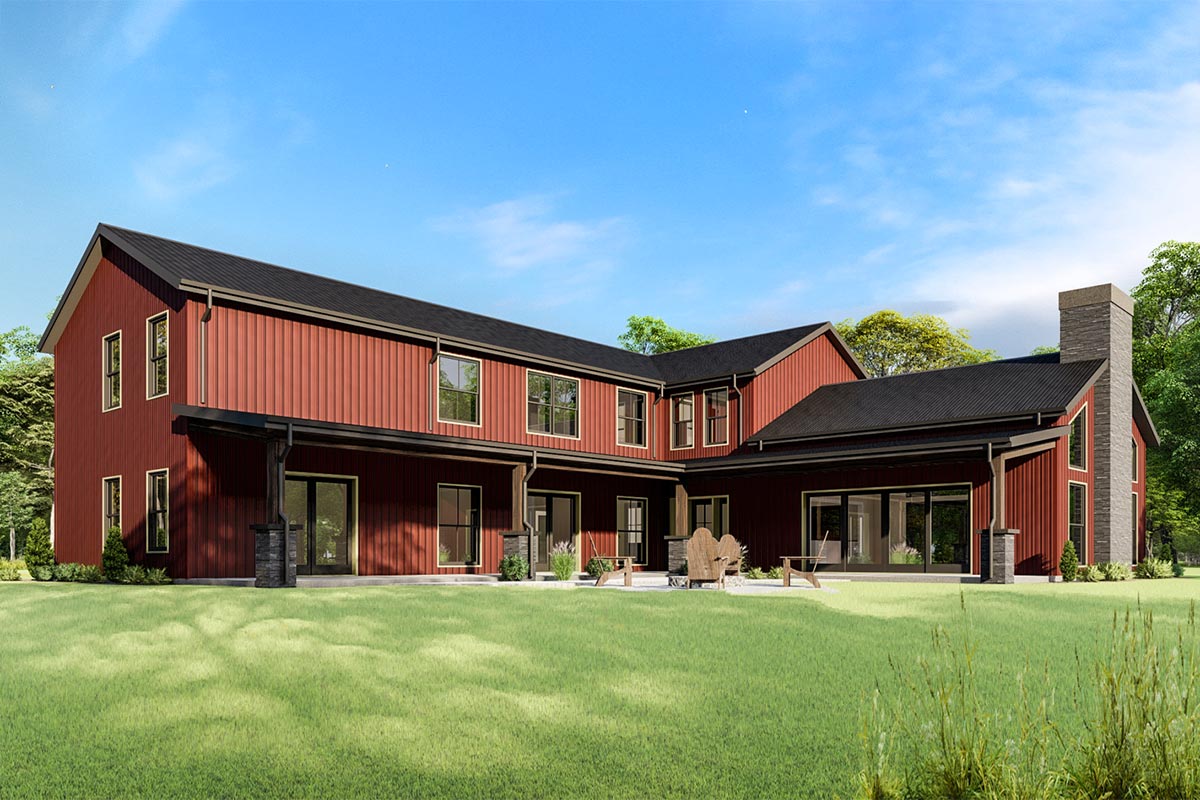
Design Flexibility and Customization Options
One of the biggest perks of L-shaped ranch homes is how adaptable they are. You can customize them to fit your specific lifestyle and needs. Want a large kitchen with an island? The L-shape gives you room to spread out. Need a study or den? That extra wing provides a perfect location. Some homeowners choose to extend the L-shape further, creating a more dramatic feature. Others keep it subtle, using the extension mainly for storage or utility space. The beauty of this design is that it doesn't force you into one particular way of living. You might prefer to keep the main living area on one side and create a quieter zone on the other. Or maybe you want to use the corner area as a central hub for family activities. Many homeowners find that their L-shaped ranch evolves with their lives. When kids are young, they might use the extra space for playrooms. Later, that same space might become a guest suite or workshop. The flexibility is part of what makes these homes so enduring.
Challenges and Considerations
Of course, no design is perfect for everyone. L-shaped ranch homes do come with some considerations. The corner where the wings meet can sometimes feel awkward if not properly planned. It's important to ensure that this area flows well and doesn't create dead space. Some people find that heating and cooling can be trickier with this layout, especially if the wings are significantly different sizes. You'll also need to consider how the L-shape affects your home's exterior appearance. While it can be attractive, it might not fit every neighborhood's aesthetic requirements. Maintenance can also be a factor – with more surfaces and corners to manage, upkeep might require a bit more attention. Additionally, if you're looking to sell later, not all buyers will appreciate this particular style. It's worth considering whether the unique features will appeal to future owners. The investment in renovations might be higher due to the complexity of the layout, but the long-term satisfaction often outweighs these concerns.
Modern Adaptations and Contemporary Trends
Today's L-shaped ranch homes often blend traditional elements with modern amenities. Smart home technology fits perfectly into these layouts, with systems that can control lighting, temperature, and security throughout the entire house. Many homeowners are updating older versions with contemporary materials like steel and glass while preserving the essential L-shape. Energy efficiency has become a major focus, with newer versions featuring better insulation, efficient windows, and sustainable materials. The open concept trend works beautifully with L-shaped designs, creating seamless transitions between spaces. Outdoor living has also influenced modern interpretations, with many adding covered porches, decks, or patios that extend the living space outdoors. The L-shape naturally accommodates these additions, providing a solid foundation for expanding the home's usability year-round. Architects today are reimagining this classic design with fresh perspectives, ensuring it remains relevant for new generations.
The L-shaped ranch style house represents more than just a particular architectural choice – it embodies a philosophy about how we want to live. It's about creating homes that work with our lives rather than against them. Whether you're considering buying, renovating, or simply appreciating these homes, understanding their strengths and quirks can help you make better decisions. These houses offer a sweet spot between traditional charm and modern functionality. They're not just about looks – they're about making life easier and more enjoyable. From their historical roots to their contemporary adaptations, L-shaped ranch homes continue to prove their worth. They show us that sometimes the best solutions come from combining familiar elements in unexpected ways. If you've ever wondered why these homes have such lasting appeal, it's probably because they understand something fundamental about what makes a house feel like a real home. The L-shape may seem simple, but it's actually a sophisticated response to how people actually want to live.


