
In recent years, flat roofs have transformed from simple afterthoughts to stunning architectural statements. These clean, contemporary designs aren't just about looks anymore – they represent a shift toward functional, efficient living spaces that embrace modern lifestyle needs. Whether you're planning your first home or redesigning an existing space, understanding flat roof house plans can open up exciting possibilities for your dream home.
When most people think of modern homes, they picture sleek lines, expansive windows, and minimalist aesthetics. But there's one element that often gets overlooked in this conversation – the roof. Flat roofs have quietly become one of the most popular choices for contemporary home designs, offering both visual appeal and practical advantages that many homeowners find irresistible. What started as a purely functional choice has evolved into an artistic statement that speaks to our desire for clean, uncluttered spaces. This guide will walk you through everything you need to know about modern flat roof house plans, helping you understand how these designs work, why they're gaining traction, and what to consider when planning your own flat-roofed home.
Understanding Flat Roof Architecture
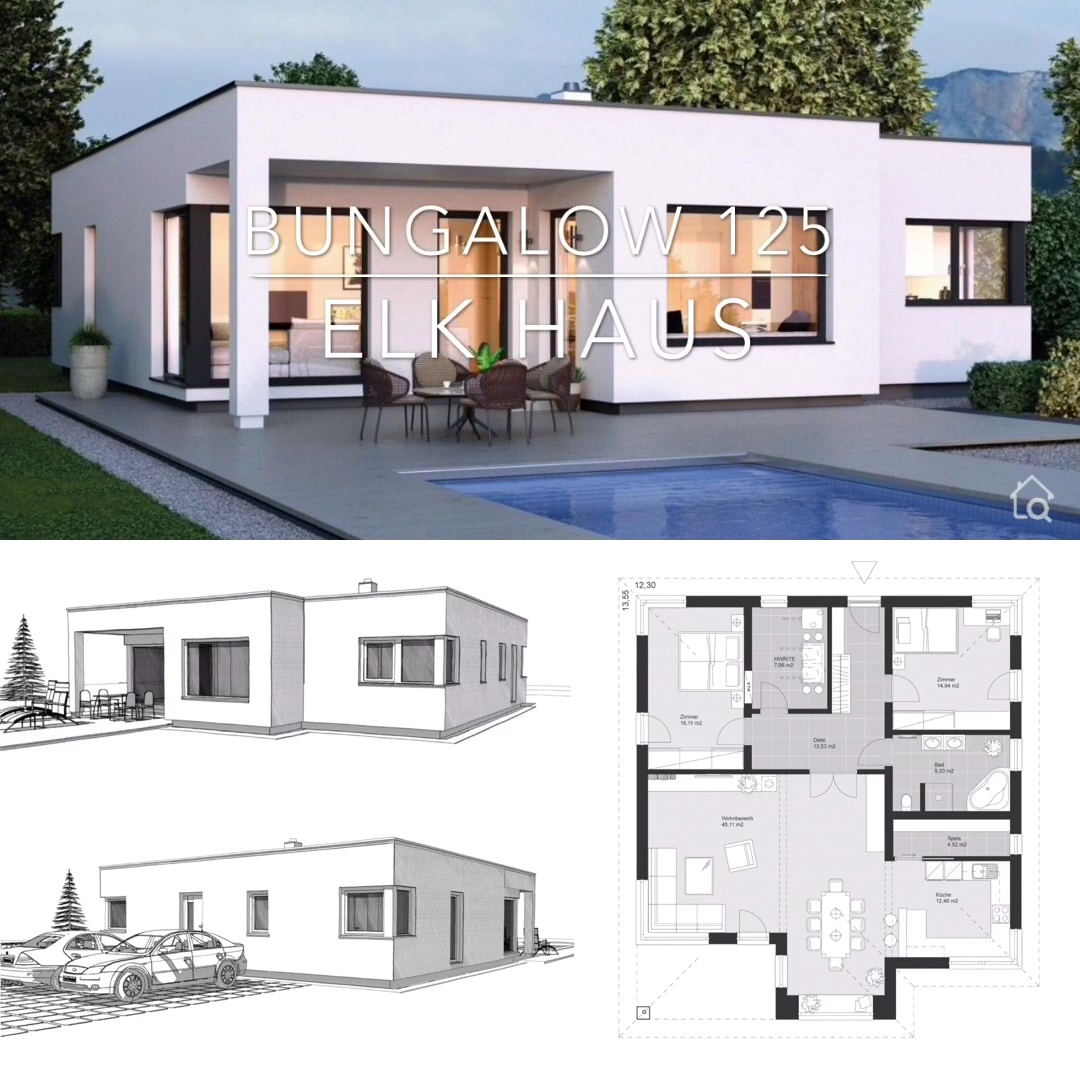
Flat roofs might seem simple, but they're actually quite sophisticated in their construction and design approach. Unlike traditional sloped roofs that channel water away from the structure, flat roofs require careful attention to drainage systems and waterproofing. The key to successful flat roofing lies in proper engineering and materials selection. Modern flat roof house plans typically feature a slight slope or pitch – usually around 2-5 degrees – to ensure water flows properly toward drains rather than pooling. This subtle incline is barely noticeable but crucial for preventing water damage. Many contemporary architects incorporate these roofs as part of a larger design philosophy that emphasizes horizontal lines and clean geometric shapes. The roof becomes an extension of the building's aesthetic rather than just a protective covering. Consider how the roof interacts with the rest of your home's design – does it complement or contrast with the overall style? These decisions shape not just appearance but also functionality.
Benefits of Modern Flat Roof Designs
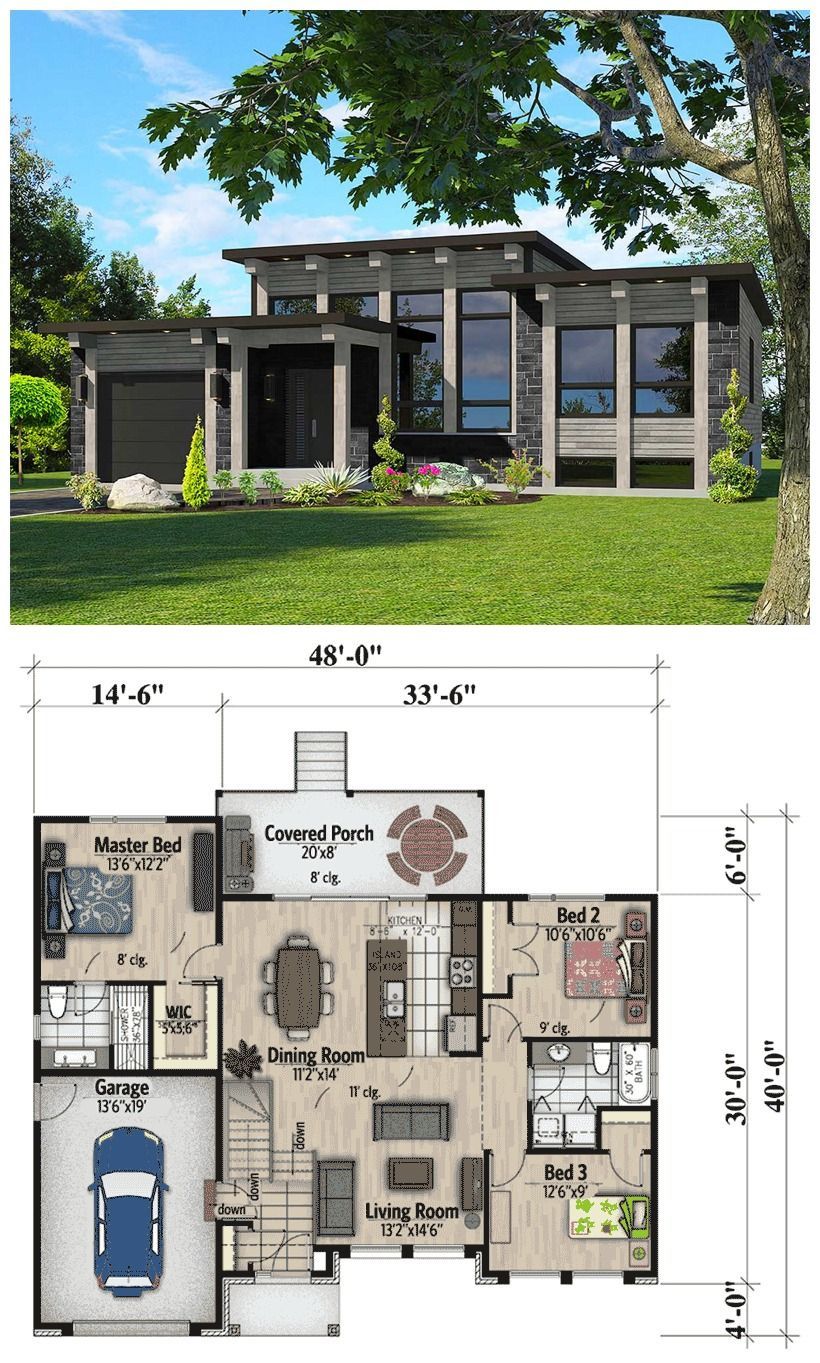
There are several compelling reasons why flat roof house plans are becoming increasingly popular among homeowners and designers alike. First and foremost is the cost-effectiveness. Flat roofs generally require less material and labor than traditional sloped roofs, making them a budget-friendly option for many builders and homeowners. They also offer excellent opportunities for outdoor living spaces, such as rooftop terraces, gardens, or even solar panel installations. Think about how much additional usable space you could gain from a flat roof – especially in urban areas where every square foot counts. Energy efficiency is another major advantage. Flat roofs can be designed with reflective materials and proper insulation to keep homes cooler in summer months. Many modern flat roof designs incorporate green roofing elements, which provide natural insulation while creating beautiful outdoor spaces. The clean lines also mean fewer structural supports needed, allowing for more open interior spaces. Plus, they offer incredible flexibility in terms of design integration – from large glass panels to integrated lighting systems.
Design Considerations and Layout Planning
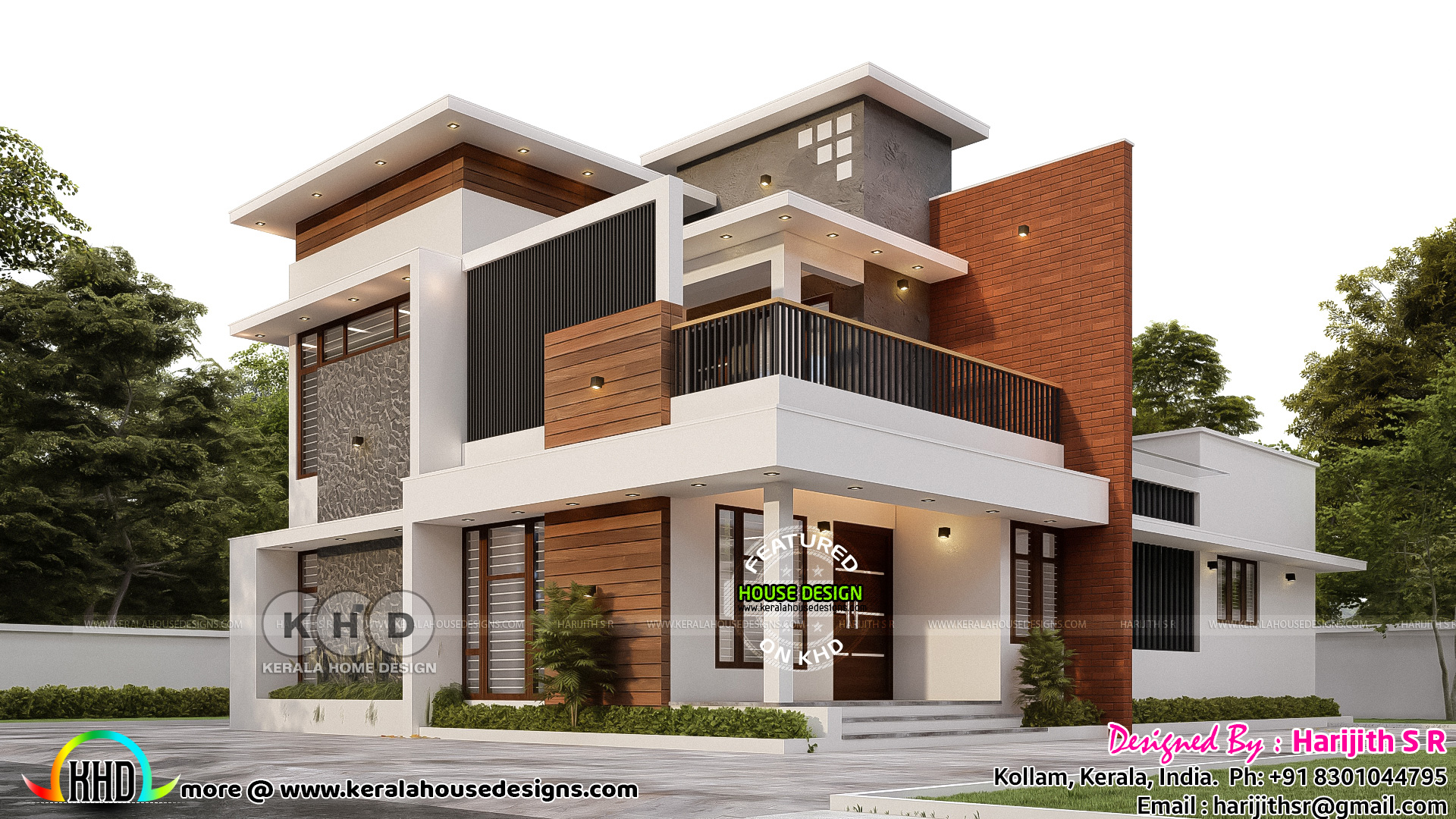
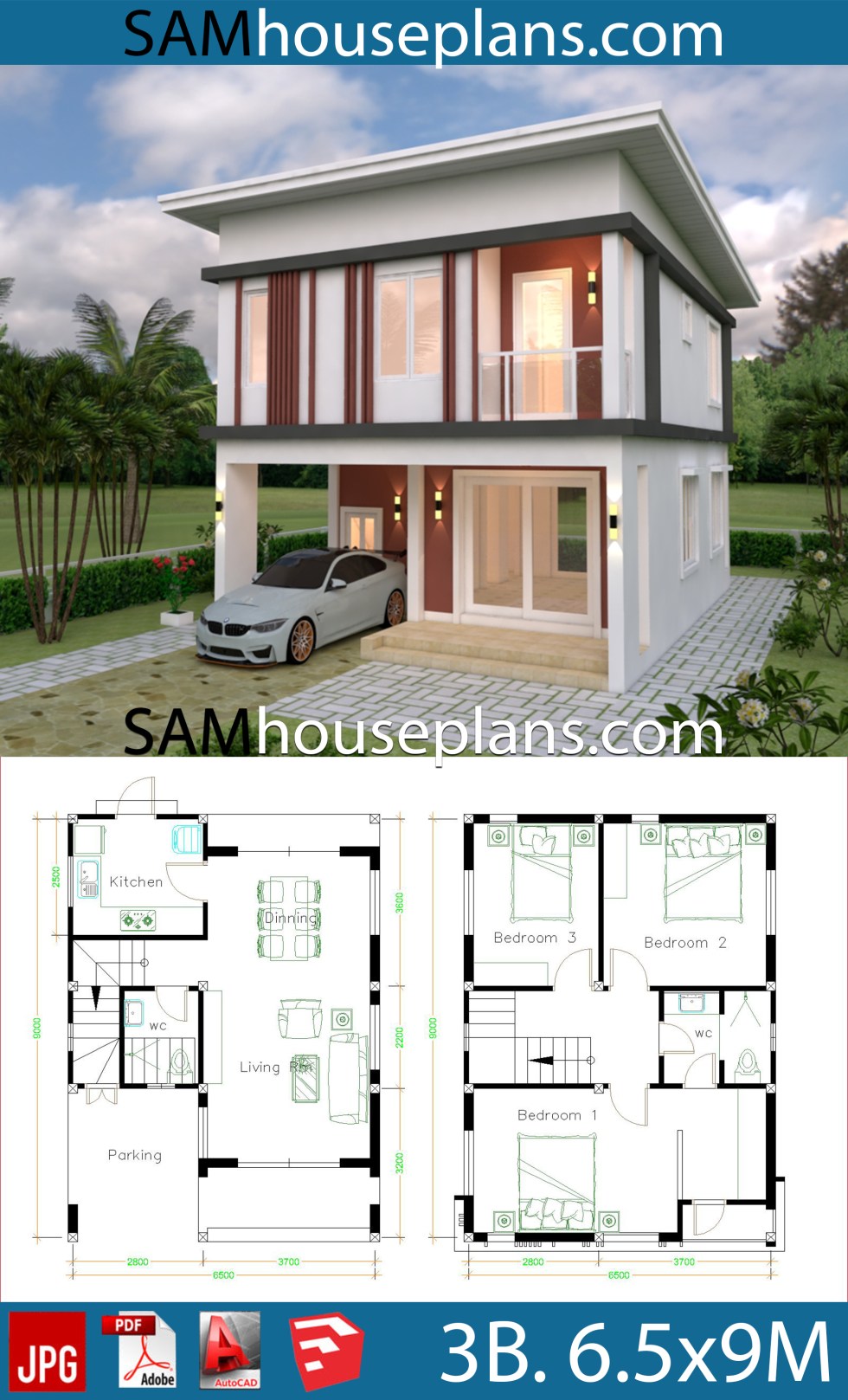
Planning a flat roof house requires thinking differently about space and function. The lack of roof slope means that interior layouts must account for the absence of traditional attic spaces. This often leads to creative solutions like basement storage or elevated floor levels. When designing your flat roof house plan, consider how the roof will interact with your home's exterior walls and windows. The horizontal nature of flat roofs creates unique opportunities for maximizing natural light, but it also means you need to plan carefully for shading and heat management. One common mistake is overlooking how the roof affects your home's overall proportions. A flat roof can make a home appear wider or taller depending on how it's designed and positioned. Many modern flat roof house plans incorporate large windows and skylights to balance the potentially heavy appearance of flat surfaces. Think about how you want to use the roof space – will it be a garden, a deck, or perhaps a quiet retreat area? Your answer will influence everything from drainage systems to structural requirements.
Materials and Construction Methods
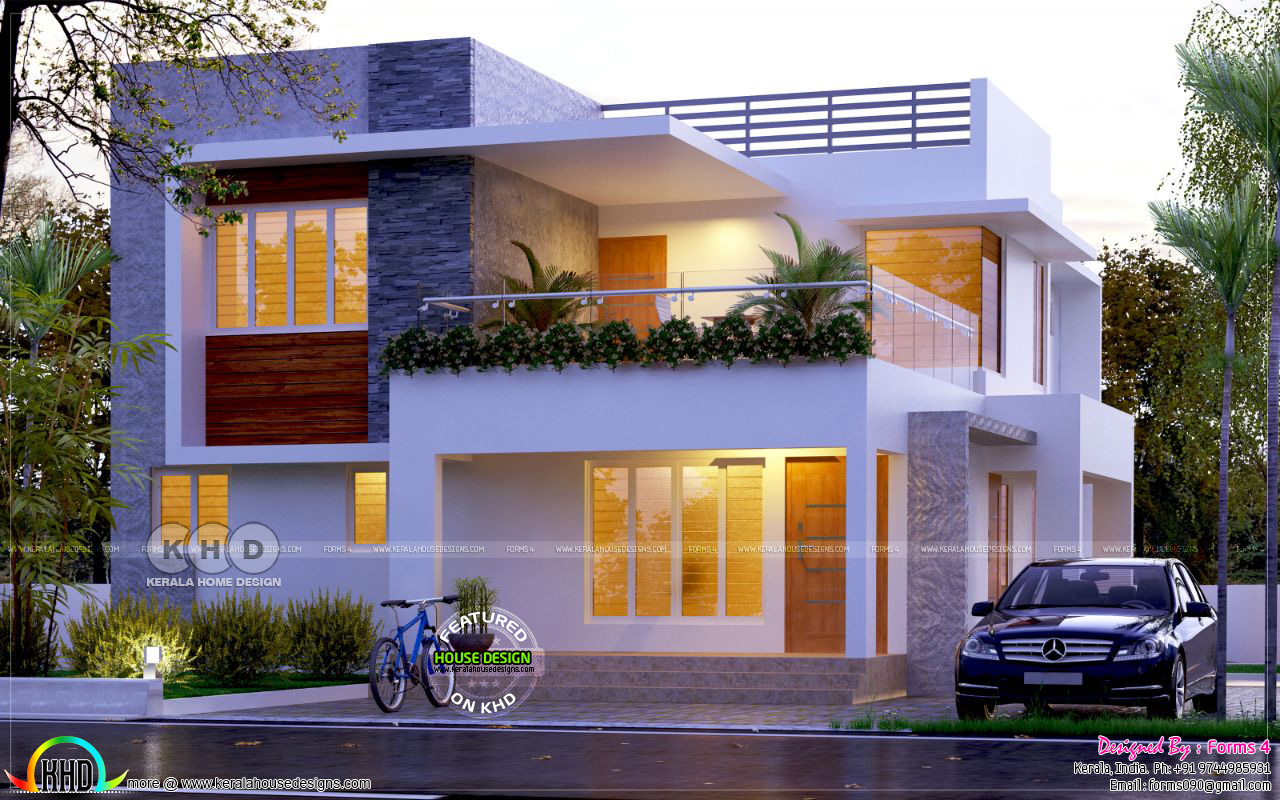
The choice of materials for flat roof construction can significantly impact both performance and aesthetics. Traditional options include built-up roofing systems with multiple layers of tar and gravel, but modern alternatives offer superior durability and appearance. Single-ply membranes like TPO or PVC provide excellent weather resistance and can be installed in various colors to complement your home's design. For those seeking a more natural look, green roofing systems with soil and vegetation are becoming increasingly popular. These systems not only provide insulation but also create habitats for local wildlife. The installation process itself is more technical than standard roofing work. Proper flashing around chimneys, vents, and other roof penetrations is critical to prevent leaks. Many flat roof house plans now integrate smart technology into their roofing systems, including automated drainage controls and integrated solar panels. The materials you choose should align with your climate conditions – a flat roof in a rainy area needs different considerations than one in a dry climate. Some homeowners opt for metal roofing panels that can be designed to match their home's architectural style while providing excellent weather protection.
Climate and Location Factors
Not all climates are equally suitable for flat roof house plans, and this is something that requires careful consideration during the planning phase. In regions with heavy snowfall, flat roofs can become problematic due to weight accumulation and potential collapse risks. Areas prone to flooding or high rainfall require exceptional drainage systems to prevent water pooling and damage. However, in arid climates, flat roofs excel because they can easily accommodate solar panels and benefit from minimal precipitation. The orientation of your flat roof also matters – south-facing roofs in the northern hemisphere receive maximum sun exposure, making them ideal for solar energy generation. Wind loads are another important factor, especially in coastal areas or locations with frequent storms. Flat roofs can be more susceptible to wind uplift, so proper anchoring and secure attachment methods are essential. Consider consulting with local building professionals who understand regional challenges and regulations. Some areas have specific codes for flat roof construction that may not apply elsewhere, so researching local requirements early in the planning process is crucial.
Maintenance and Longevity
While flat roof house plans offer many benefits, they do require regular maintenance to remain effective and attractive over time. The key is establishing a routine inspection schedule, ideally twice per year, to check for signs of wear, damage, or clogged drainage systems. Minor repairs can prevent major issues later on, such as replacing damaged membrane sections or clearing debris from gutters and drains. Most flat roofs last between 20-30 years with proper care, though some premium materials can extend this lifespan considerably. Regular cleaning helps maintain the roof's appearance and prevents moss or plant growth that could compromise waterproofing. Many homeowners find that flat roofs actually require less maintenance than traditional roofs once properly installed and maintained. The accessibility of flat surfaces makes inspections and minor repairs easier to perform. Some modern flat roof designs incorporate self-cleaning properties or easy-to-replace components that make maintenance more straightforward. Understanding your roof's expected lifespan and maintenance requirements helps you budget appropriately and plan for future replacements or upgrades.
Modern flat roof house plans represent more than just a design choice – they're a reflection of changing lifestyles and architectural preferences. These homes offer practical benefits like cost savings, energy efficiency, and expanded usable space while providing clean, contemporary aesthetics that appeal to many homeowners. However, success with flat roof designs depends heavily on proper planning, quality materials, and ongoing maintenance. The key is balancing form and function, ensuring that your chosen design meets both your aesthetic desires and practical needs. Whether you're building from scratch or renovating an existing home, considering flat roof options opens up exciting possibilities for modern living. The important thing is to approach the decision thoughtfully, taking into account your local climate, budget, and long-term goals. With the right planning and professional guidance, a flat roof house can be a stunning addition to any neighborhood, combining beauty with practicality in ways that enhance daily life.


