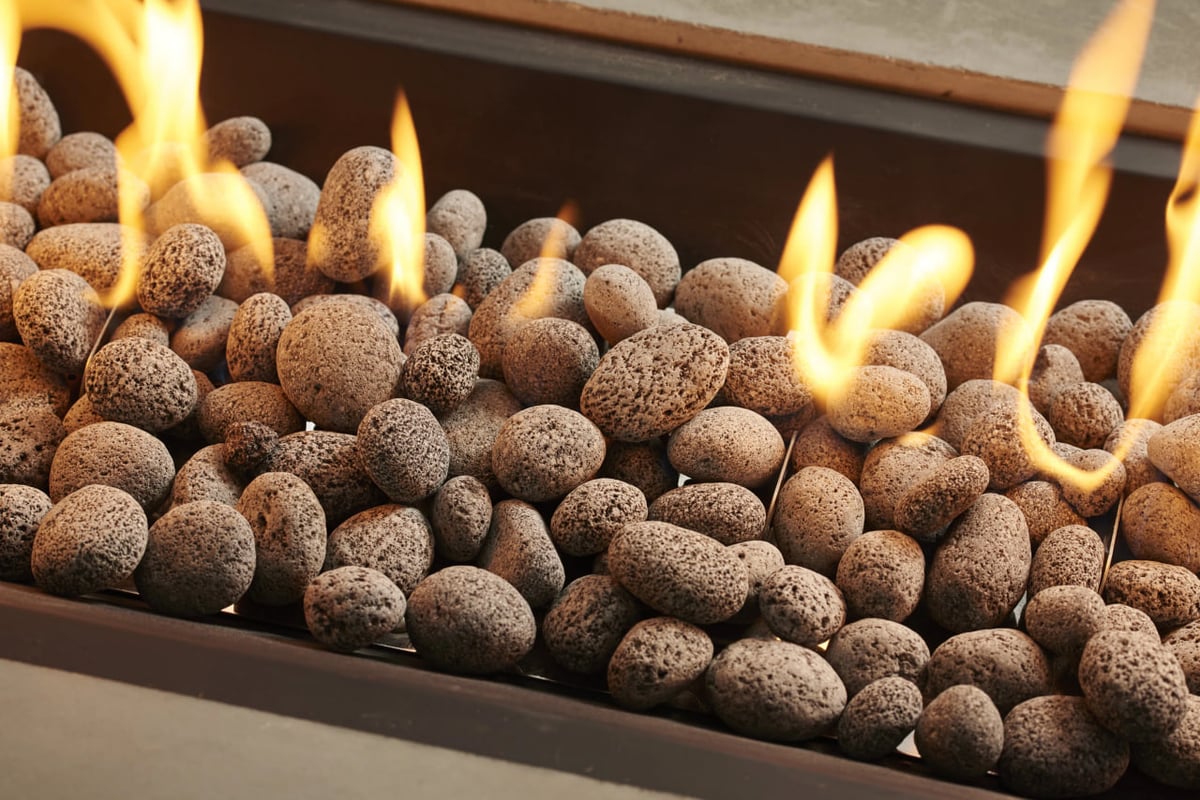
Picture this: you're curled up on your couch, watching flames dance across a beautiful gas fireplace. Now imagine those flames enhanced by the natural beauty of lava rock. This isn't just wishful thinking – it's a reality that many homeowners have embraced. But what exactly makes lava rock such a popular choice? What are the benefits, and how do you choose the right kind for your space? Let's dive into this fascinating world together.
When it comes to upgrading your gas fireplace, lava rock might just be the game-changer you've been looking for. These volcanic rocks aren't just decorative – they serve important functional purposes too. Think of them as the unsung heroes of modern fireplaces, bringing both visual appeal and practical benefits to your living space. Whether you're building a new home or simply want to enhance your existing setup, understanding lava rock's role in gas fireplaces can make all the difference. From their natural formation to their impact on heat distribution, there's a lot to explore.
What Is Lava Rock and How It Forms
Lava rock is a type of igneous rock that forms when molten rock cools rapidly after erupting from a volcano. The name itself gives us a clue – it's literally rock that comes from lava! When hot magma reaches the Earth's surface, it solidifies quickly, creating unique textures and structures. This rapid cooling process traps air bubbles within the rock, giving lava rock its characteristic porous nature. The result is a material that's both durable and lightweight, perfect for fireplace applications.
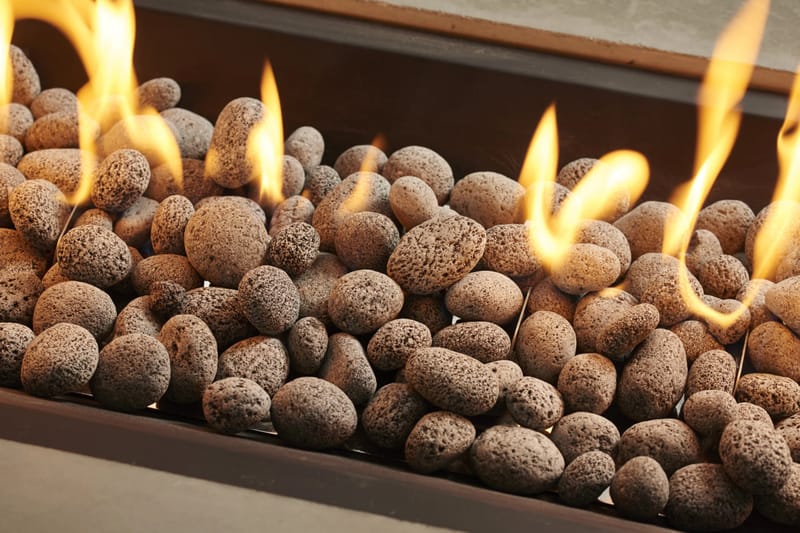
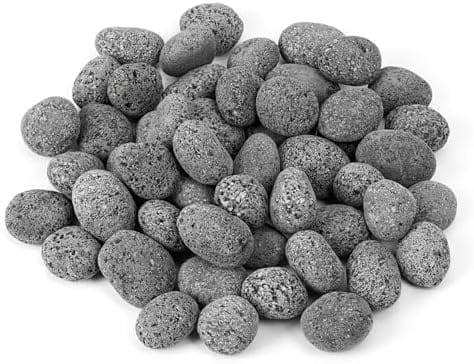
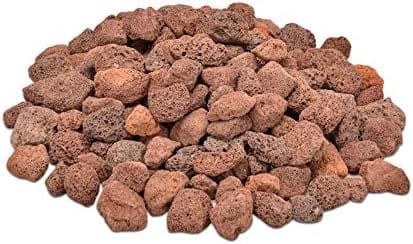
Different types of lava rock vary in color, texture, and size. Some are dark gray or black, while others show hints of red or orange. The porosity creates natural crevices that catch and reflect light beautifully, making each piece unique. These characteristics translate directly into how well lava rock works in gas fireplaces, offering both aesthetic appeal and functional advantages.
Benefits of Using Lava Rock in Gas Fireplaces
There are several compelling reasons why lava rock has become a go-to choice for fireplace enthusiasts. First and foremost, it enhances the visual experience significantly. The natural texture and varied colors create depth and dimension that regular materials simply cannot match. Unlike typical ceramic logs, lava rock provides a more organic, earthy feel that many find appealing.
Beyond aesthetics, lava rock offers practical advantages. Its porous nature helps distribute heat more evenly throughout the fireplace, reducing hot spots and ensuring consistent warmth. The rock's ability to absorb and radiate heat slowly means your fireplace can maintain a steady temperature even after the gas supply is turned off. Additionally, lava rock is incredibly durable and resistant to high temperatures, making it a long-term investment for your home.
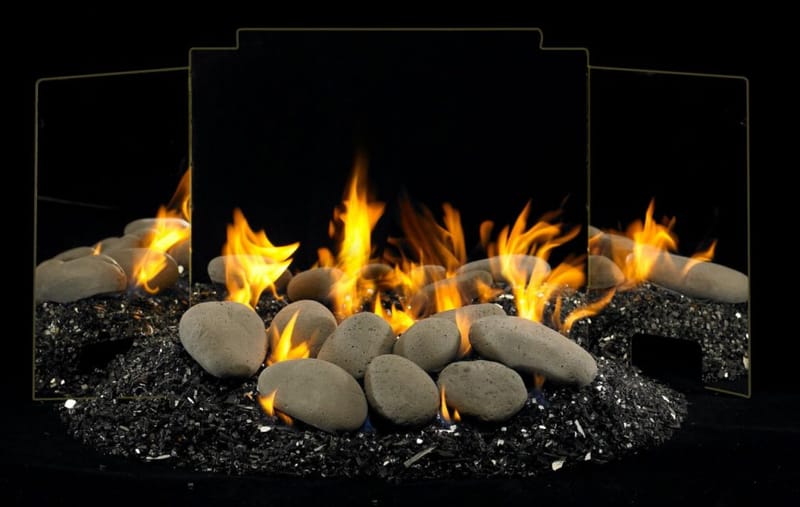
Another benefit is that lava rock requires minimal maintenance compared to other fireplace materials. You won't need to worry about frequent cleaning or replacement due to wear and tear. The natural properties of the rock mean it maintains its appearance over time, even with daily use.
Types of Lava Rock for Gas Fireplaces
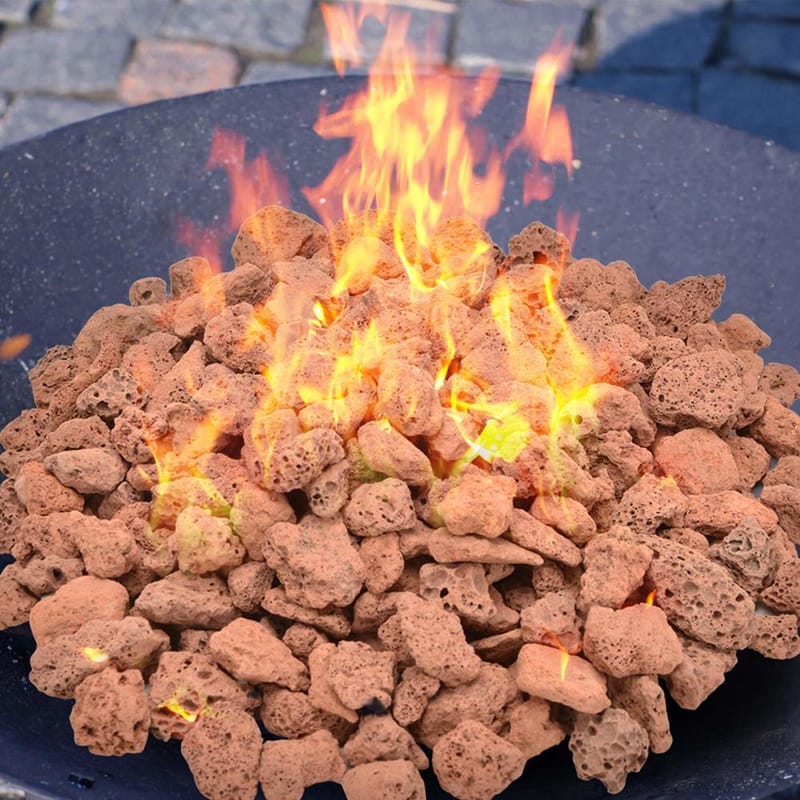
Not all lava rock is created equal, especially when it comes to fireplace applications. There are several varieties that differ in size, shape, and characteristics. The most common types include:
Each type brings its own personality to the fireplace, so choosing the right one depends on your desired aesthetic and functional needs.
Installation Process and Safety Considerations
Installing lava rock in your gas fireplace requires some careful planning and attention to detail. Before you begin, make sure your fireplace is properly ventilated and that you're following manufacturer guidelines. The first step involves removing any existing materials and cleaning the fireplace thoroughly. This ensures proper placement and prevents potential issues later on.
Proper sizing matters enormously when installing lava rock. You want pieces that are large enough to provide good coverage but small enough to allow adequate airflow. Typically, pieces ranging from 1 to 4 inches work best for most installations. Start by placing larger pieces at the bottom and gradually work upward with smaller ones.
Safety is paramount during installation. Always wear protective gear, including gloves and safety glasses. Make sure the fireplace is completely cool before beginning work, and never use flammable materials near the installation area. If you're unsure about any aspect of the installation process, it's always wise to consult with a professional technician.
Additionally, ensure that the lava rock you choose is specifically rated for gas fireplace use. Some materials may not withstand the heat generated by gas flames, potentially causing damage or safety hazards.
Maintenance and Care Tips
Once installed, lava rock requires surprisingly little maintenance compared to other fireplace materials. Regular care keeps your lava rock looking fresh and functioning properly. The key is simple: periodic cleaning and inspection.
For routine maintenance, use a soft brush or vacuum to remove dust and debris that accumulates over time. The porous nature of lava rock means it can trap particles, but these are easily removed with gentle cleaning. Avoid using harsh chemicals or abrasive materials that could damage the rock's surface.
Related Posts

Unveiling the Timeless Charm of Black and White Striped Patio Um

Unpacking the Truth About Walking on Pool Covers Your Essential

Mastering the Art of the Perfect Pool Party Experience A Guest's Guide

Understanding the Pink Slime in Your Pool What It Is and How to Tackle It

Keeping Your Concrete Patio Happy and Safe Around the Fire Pit

Transforming Your Corner Lot A Masterclass in Curb Appeal
Check your lava rock periodically for signs of wear or damage. While lava rock is quite durable, it's still subject to the elements and daily use. Look for cracks, chips, or discoloration that might indicate the need for replacement. Replacing individual pieces rather than the entire setup can save money and time.
Consider seasonal adjustments too. During winter months when the fireplace is used more frequently, you might notice increased accumulation of soot or ash. These situations call for more thorough cleaning, but remember that the natural properties of lava rock make it forgiving and easy to restore.
Choosing the Right Lava Rock for Your Space
Selecting the perfect lava rock for your gas fireplace involves considering several factors beyond just personal preference. Size plays a crucial role in both appearance and functionality. Smaller pieces create a more uniform look, while larger stones add dramatic flair. Think about how much visual impact you want to achieve.
Color coordination is another essential element. Lava rock comes in various shades, from deep blacks to vibrant reds and oranges. Choose colors that complement your existing décor and create harmony rather than clashing. For example, dark lava rock pairs beautifully with warm wood tones, while lighter varieties can brighten up cooler spaces.
Budget considerations also factor into your decision. Higher quality lava rock tends to last longer and maintain better appearance over time. However, there are affordable options that still deliver good results. Consider the long-term value versus initial cost when making your selection.
Don't overlook the importance of compatibility with your specific fireplace model. Some gas fireplaces have particular requirements for filler materials, so checking manufacturer specifications beforehand is always a smart move. Consulting with experienced professionals can also provide valuable insights based on their practical knowledge and experience.
Lava rock has proven itself as a superior choice for enhancing gas fireplaces, combining beauty with practical benefits that last for years. From its natural formation to its remarkable durability, lava rock offers homeowners a way to elevate their fireplace experience while enjoying reliable performance. Whether you're drawn to its aesthetic appeal or its functional advantages, the investment in quality lava rock pays dividends in comfort and style.
Remember that proper installation and maintenance are key to maximizing the lifespan and effectiveness of your lava rock. Take time to choose the right type for your space, follow safety guidelines carefully, and enjoy the stunning visual impact it brings to your home. With the right approach, lava rock can transform your gas fireplace from ordinary to extraordinary, creating a focal point that brings warmth and beauty to your living space year-round.
