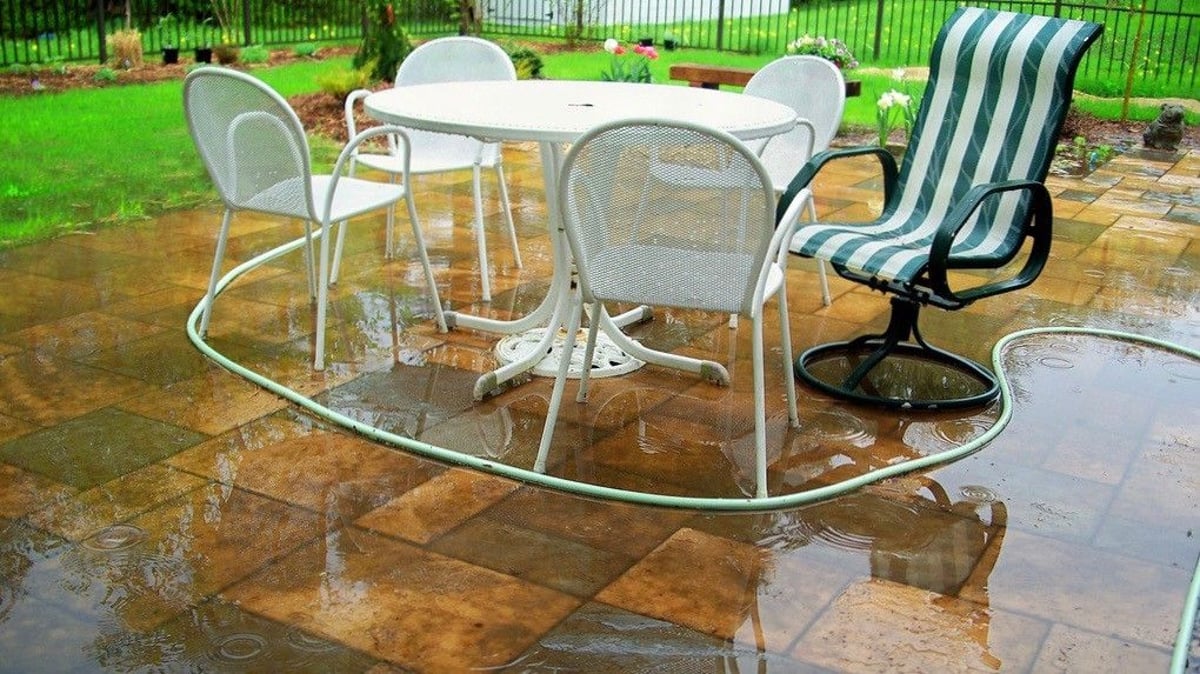
Picture this: you've invested in beautiful patio furniture, complete with all the cushion colors and designs you love. Then comes that unexpected rainstorm. You wonder if your investment will survive the elements or if you'll have to bring everything inside. This question isn't just about convenience—it's about protecting your money and ensuring your outdoor space stays comfortable and inviting.
Let's face it—your patio furniture gets exposed to the elements every single day. Whether it's morning dew, unexpected showers, or even a full-blown storm, water inevitably finds its way onto those carefully chosen chairs and tables. But here's the thing: not all patio furniture is created equal when it comes to handling moisture. Some pieces are built to withstand the weather, while others might need a little extra care. The good news? Understanding how your furniture reacts to water can save you from expensive replacements and keep your outdoor space looking great year-round.
The Basics of Patio Furniture Materials
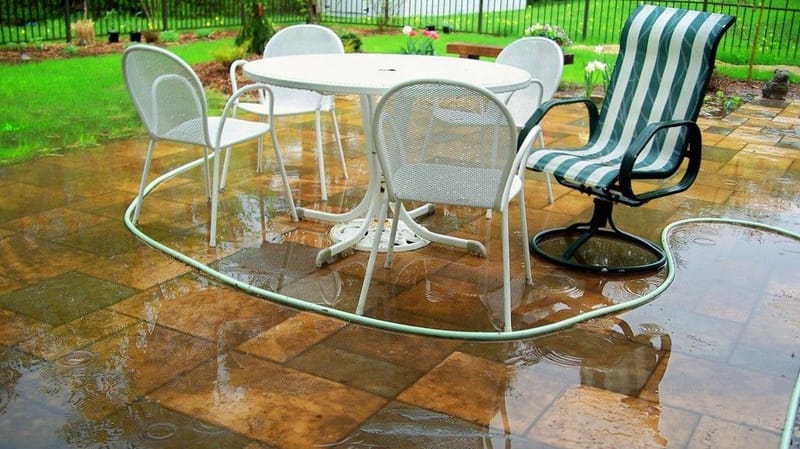
Before we dive into whether patio furniture can get wet, it's important to understand what materials your pieces are made from. Different materials have vastly different reactions to moisture. Aluminum frames, for example, are naturally resistant to rust and corrosion, making them excellent choices for outdoor use. On the other hand, wood furniture needs special attention when it comes to water exposure. Even pressure-treated lumber can warp or split if left in standing water for extended periods. Wicker and rattan may look beautiful but often require protection from the elements. Metal frames, particularly those made from steel or iron, can rust quickly if not properly treated. Plastic and resin materials tend to be the most water-resistant options, though they can still fade over time with UV exposure. Cushions also play a crucial role in your furniture's overall weather resistance. Some are designed specifically for outdoor use and can handle moisture better than others. Knowing your materials is the first step toward understanding how much water your patio setup can safely handle.
What Happens When Water Meets Patio Furniture
When water hits patio furniture, the effects depend heavily on the material and construction. Metal furniture, especially untreated varieties, begins to develop rust spots almost immediately when exposed to moisture. This process starts with tiny oxidation spots that gradually spread across the surface. Wood furniture experiences swelling and shrinking cycles with moisture changes. This expansion and contraction can cause warping, splitting, or even structural weakness over time. Plastic and resin components may crack or fade under prolonged exposure to both water and sunlight. Cushions can absorb water and become heavy, uncomfortable, and prone to mold growth. The key insight here is that it's not just about getting wet once—it's about repeated exposure and how materials handle that stress. Think of it like a car getting dented from one small scratch versus constant road debris. The difference matters significantly in terms of long-term durability.
Water Resistance Ratings and Standards
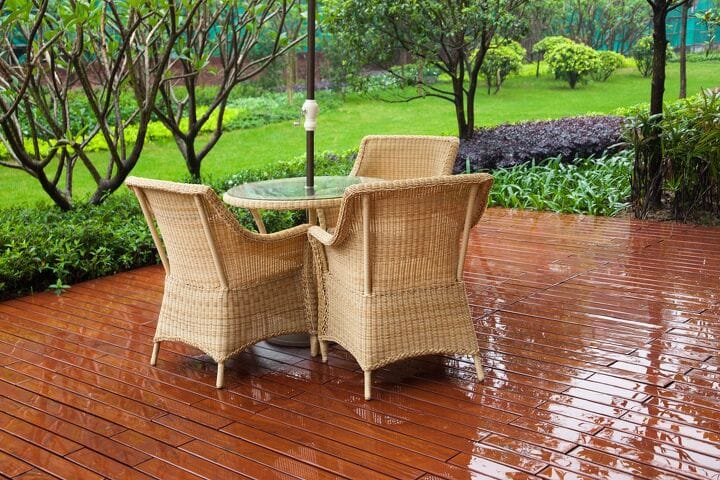
Manufacturers often provide water resistance ratings or certifications that help consumers understand how well their furniture will handle moisture. Look for phrases like "weatherproof," "outdoor rated," or "UV resistant" on product labels and specifications. These aren't just marketing buzzwords—they represent actual testing standards. For instance, many high-quality outdoor furniture pieces undergo salt spray tests or accelerated weathering tests to simulate years of exposure in controlled environments. Some manufacturers offer warranties that specify how much water exposure their products can handle before performance degrades. These warranties often come with conditions such as proper storage during severe weather or regular maintenance schedules. Understanding these standards helps you make informed decisions about which furniture best suits your local climate and usage patterns. Not every piece labeled as "outdoor" is equally suited for heavy rain or frequent wet conditions.
Real-World Scenarios and Common Mistakes
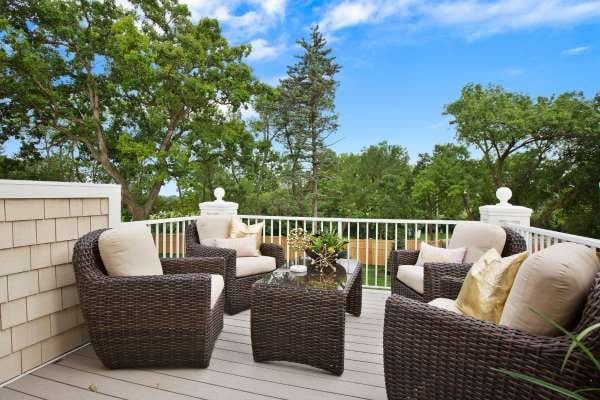
Let's talk about what really happens in everyday situations. Many people think their patio furniture is fine after a light rain shower, but they're often surprised when they return to find their cushions soaked through or their metal frames showing signs of rust. One common mistake is leaving furniture out in the rain without proper protection. Another is assuming that because something is labeled as "outdoor," it can handle anything nature throws at it. In reality, even the most robust outdoor furniture benefits from some protection during extreme weather events. Consider a scenario where someone leaves their wicker set out during a week-long rainstorm. While the frame might hold up, the natural fibers of the wicker could absorb significant moisture and begin to deteriorate. Similarly, plastic furniture might seem impervious to water, but it can still crack from freezing temperatures combined with moisture. These real-world situations highlight why understanding your specific furniture's limitations is so important.
Protective Measures and Maintenance Tips
Prevention is always better than cure, especially when it comes to protecting your patio furniture from water damage. Here are some effective strategies that work for most types of outdoor furniture:
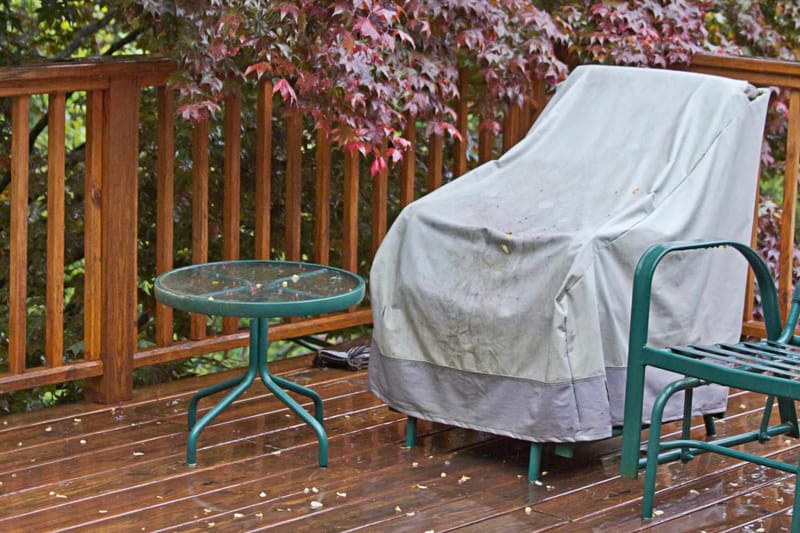
These simple steps can make a huge difference in how long your furniture lasts. They're especially important for pieces that are frequently exposed to moisture, like those near pools or in areas prone to flooding. Investing a few minutes each week in maintenance can save you hundreds of dollars in repairs or replacements later on.
Seasonal Considerations and Climate Impact
Different climates pose unique challenges for patio furniture. In humid coastal areas, moisture problems can occur even during dry weather due to high humidity levels. People living in regions with frequent rainfall need to be extra cautious about water exposure and drainage issues. Winter conditions add another layer of complexity, as frozen water in crevices can cause cracking and damage. Areas with freeze-thaw cycles are particularly challenging for outdoor furniture, as water expanding when it freezes can break materials apart. Seasonal changes also affect how quickly moisture evaporates from different surfaces. For example, metal furniture in hot, dry climates might dry faster than in cooler, more humid conditions. Understanding your local climate and how it affects water retention is crucial for maintaining your furniture effectively. Some people in northern climates actually prefer to store their furniture indoors during winter months to prevent damage from freezing temperatures combined with moisture.
Related Posts

Unveiling the Timeless Charm of Black and White Striped Patio Um

Unpacking the Truth About Walking on Pool Covers Your Essential

Mastering the Art of the Perfect Pool Party Experience A Guest's Guide

Understanding the Pink Slime in Your Pool What It Is and How to Tackle It

Keeping Your Concrete Patio Happy and Safe Around the Fire Pit

Transforming Your Corner Lot A Masterclass in Curb Appeal
Signs of Water Damage and When to Seek Help
Knowing how to spot water damage early can save you from major problems down the road. Look for these warning signs:
If you notice any of these signs, it's time to take action. Minor rust spots can sometimes be treated with rust inhibitors, but extensive damage often requires professional repair or replacement. Fabric cushions with significant water absorption should be cleaned thoroughly and possibly replaced if they retain moisture. Wooden furniture showing signs of rot or serious warping typically needs more substantial intervention. Don't wait until damage becomes obvious—regular inspection and maintenance can catch small problems before they turn into expensive disasters. Sometimes, what looks like normal wear and tear might actually be water-related damage that requires special attention.
Making Smart Purchasing Decisions
When buying new patio furniture, consider your lifestyle and how much exposure to water you expect. If you live in a rainy area, prioritize pieces made from materials known for weather resistance. Check warranty coverage and understand what's included in protection plans. Research reviews from other users who live in similar climates to get real-world feedback about durability. Budget considerations matter too—while premium furniture might cost more upfront, it often saves money in the long run through reduced maintenance and replacement costs. Consider buying furniture that can be easily cleaned and maintained, rather than pieces that require specialized treatments or frequent replacements. Look for features like quick-drying materials, easy-to-clean surfaces, and durable hardware. Remember that the best furniture for your situation depends not just on price or appearance, but on how well it handles the conditions you'll encounter regularly. Making these decisions thoughtfully now can prevent headaches and expenses later.
The truth is, most patio furniture can handle some degree of moisture, but knowing your limits makes all the difference. From understanding materials to implementing protective measures, the key lies in being proactive rather than reactive. Your investment in quality outdoor furniture pays off when you treat it with proper care and consideration for weather conditions. Whether you're dealing with occasional rain or living in a climate that demands extra protection, taking steps to safeguard your patio pieces ensures they continue serving you well for years to come. The most important takeaway is that water exposure isn't necessarily a disaster waiting to happen—it's a challenge that can be managed effectively with the right knowledge and preparation. Your outdoor space deserves furniture that can stand up to whatever Mother Nature throws its way, and with the right approach, you can make that happen.
