When it comes to sleeping comfort, few things matter more than the right foundation. For those with a king-sized mattress, choosing the correct box spring isn't just about size—it's about support, durability, and sleep quality. But what exactly do you need? Let's explore how to select the perfect box spring for your king bed.
A king bed is one of the most popular choices for couples and families who want space to stretch out and sleep comfortably. But once you've chosen your mattress, the next big decision is selecting the proper foundation. Box springs are essential components that provide support and extend the life of your mattress. They're not just another piece of furniture—they're the backbone of your sleep experience. So, what size box spring do you really need for a king bed? This guide will walk you through everything from basic measurements to important considerations that affect your choice.
Understanding King Bed Dimensions
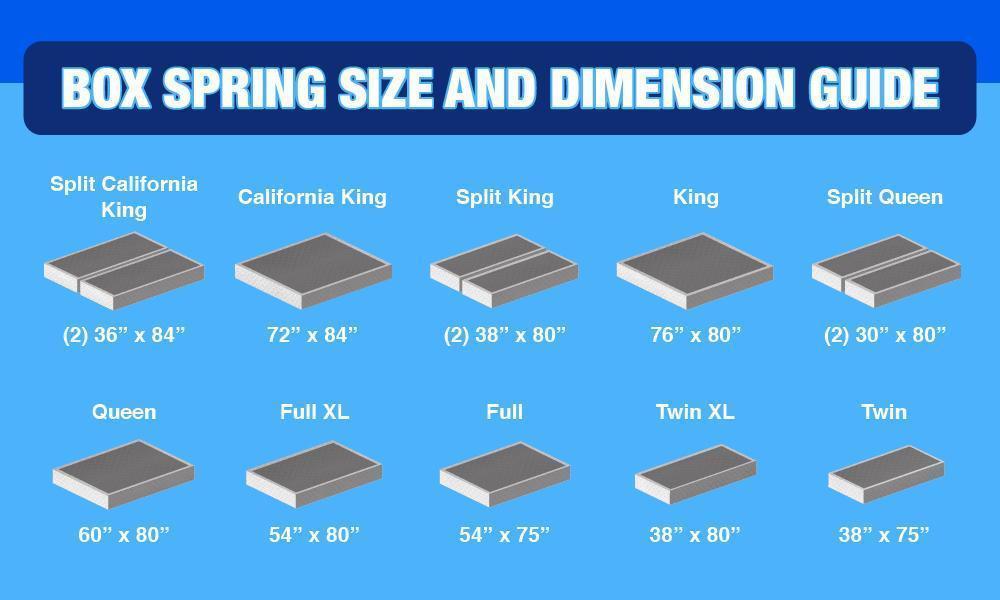
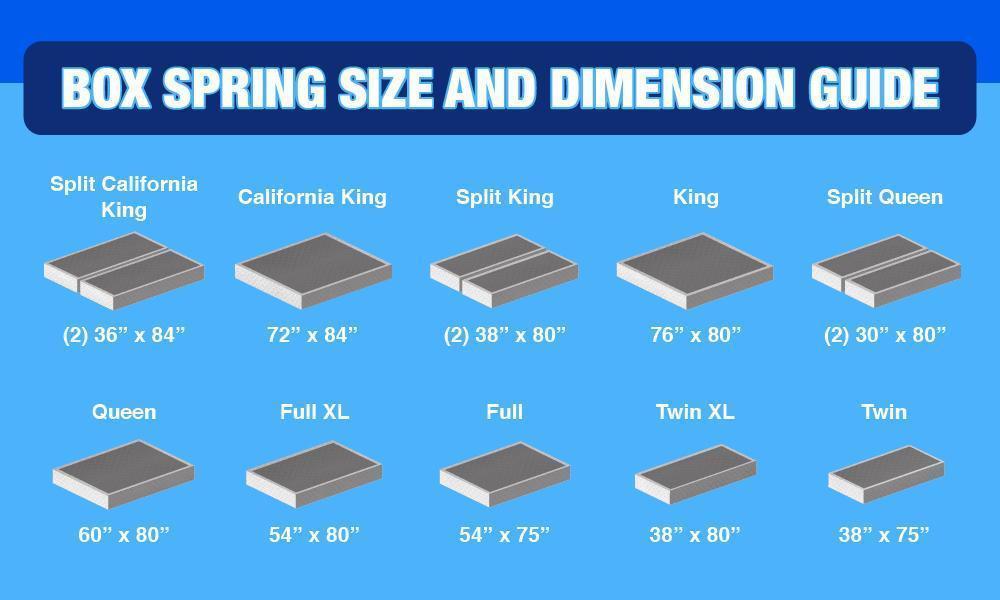
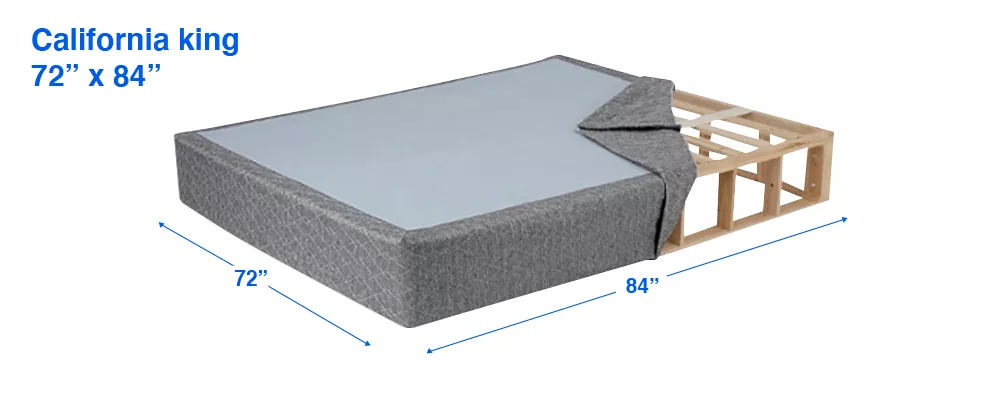
Before diving into box spring sizes, let's start with the basics. A standard king bed measures 76 inches wide by 80 inches long. This might seem straightforward, but it's crucial to remember that there are different types of king beds. There's the regular king, which is 76x80 inches, and then there's the California king, which is 72x84 inches. When purchasing a box spring, you'll want to match it precisely to your mattress size. If you're unsure about your exact dimensions, measuring your existing mattress or consulting the manufacturer's specifications is always a good idea. A box spring that's too small won't provide adequate support, while one that's too large can cause problems with fit and stability. It's worth noting that many people assume they need a larger box spring, but the standard size is usually all you need. The right box spring should fit snugly around your mattress, providing even support across the entire surface.
Standard Box Spring Sizes for King Beds
The most common box spring size for king beds is 76 inches by 80 inches. This matches the standard king mattress perfectly. Some manufacturers offer slightly different dimensions, like 78x80 inches or 77x80 inches, but these variations are usually minimal and shouldn't pose major issues. When shopping for a box spring, look for one that's specifically labeled as king size. Many retailers list the dimensions clearly on their product pages. It's also helpful to check if the box spring is designed for a specific type of mattress. Some are made for memory foam, others for innerspring, and some work with hybrid mattresses. The right box spring should complement your mattress type and provide the appropriate level of support. One thing to consider is whether you're buying a box spring alone or as part of a bedroom set. Sometimes, you'll find better deals when purchasing both items together, but make sure the dimensions still match your needs.
Factors That Influence Box Spring Choice
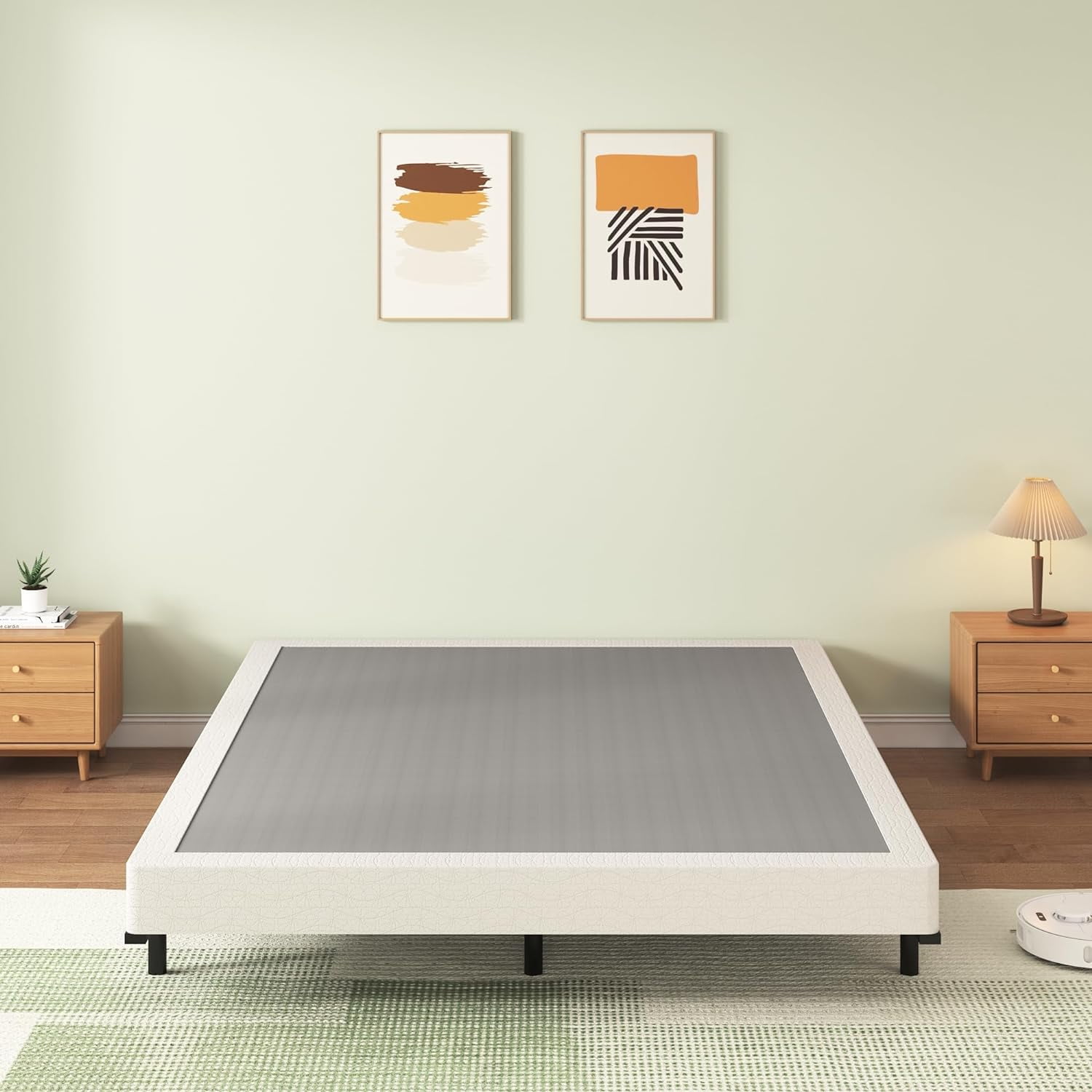
Several factors go into selecting the right box spring for your king bed. First, think about your mattress type. Memory foam mattresses often benefit from firmer box springs that provide solid support. In contrast, traditional innerspring mattresses might work well with softer box springs that offer more cushioning. Consider also your sleeping preferences. Do you prefer a firm or soft sleeping surface? This affects how much give you want from your box spring. Another factor is the height of your current setup. If you have a low-profile mattress, you might want a thinner box spring to maintain the overall height. Conversely, if you have a thick mattress, you may need a box spring that provides extra lift. The weight capacity of the box spring is also important. A quality king-size box spring should support at least 600 pounds. Some high-end models can handle even more. Think about how many people will be using the bed and their typical body weights. Finally, consider the materials used in construction. Steel coil box springs tend to last longer and provide better support than foam alternatives, though they can be noisier during movement.
Box Spring vs. Foundation: What's the Difference?
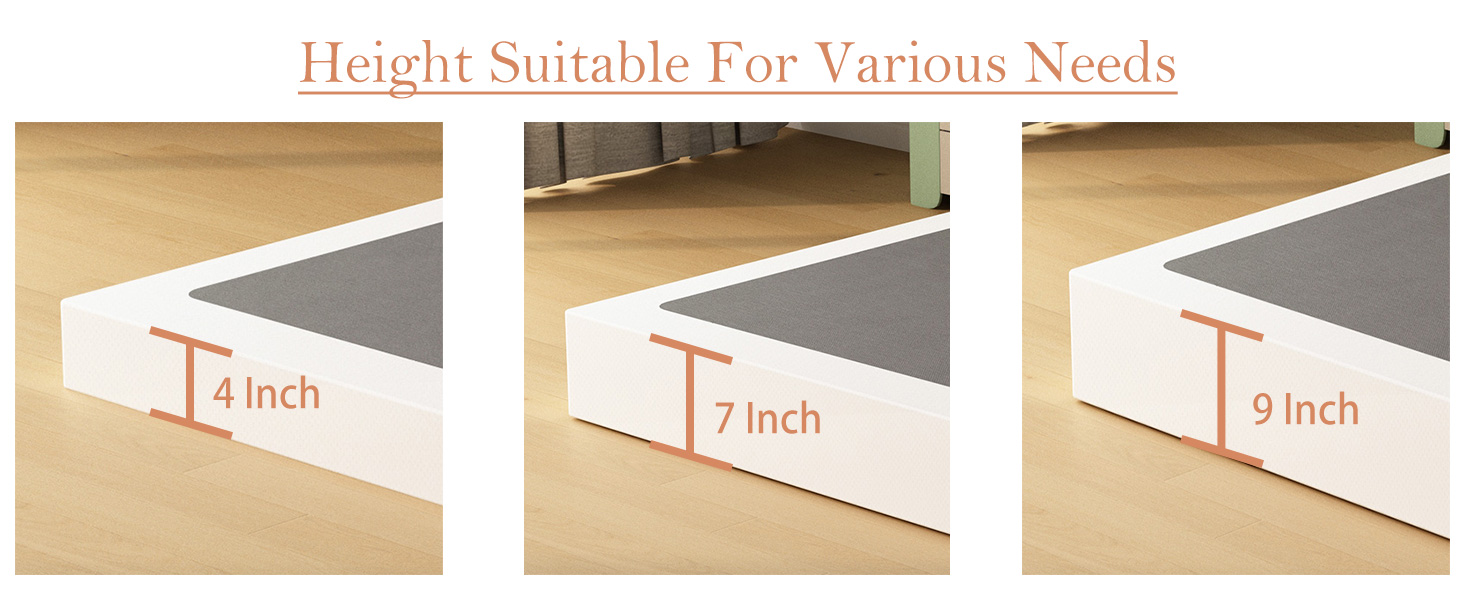
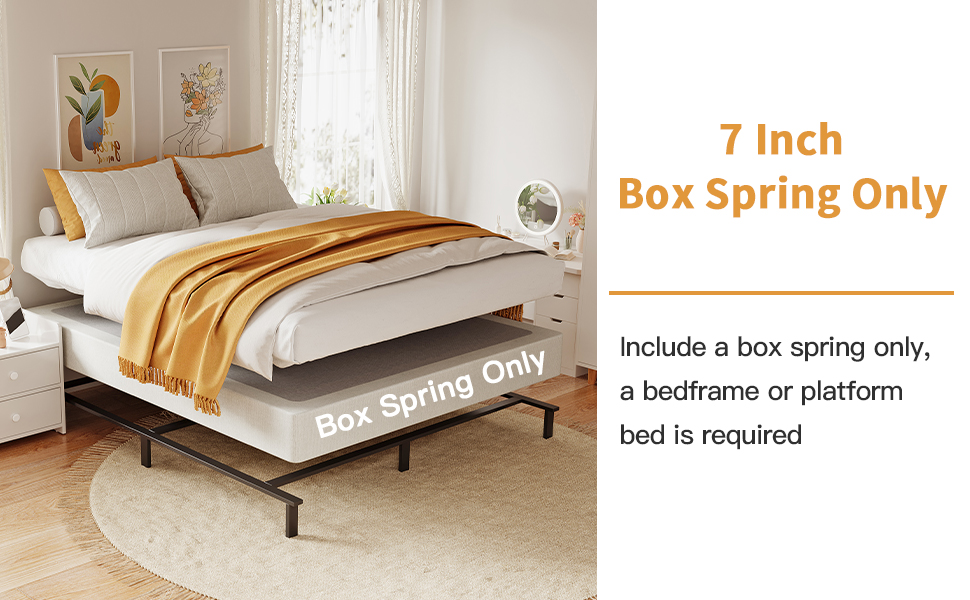
Many people confuse box springs with foundations, but they're actually quite different. A box spring is a thick, spring-loaded mattress support system that sits directly under your mattress. It's typically 6 to 12 inches tall and provides both support and cushioning. Foundations, on the other hand, are more like platforms or bases that sit beneath the mattress. They come in various forms including platform foundations, adjustable bases, and slatted foundations. While box springs add height and support, foundations often serve more as a stable base. For king beds, box springs are the traditional choice because they offer the best combination of support and comfort. However, modern bedding options include alternative foundations that work well with king mattresses. The key is understanding what your mattress requires and matching it with the appropriate foundation. Some people prefer the extra height and bounce that box springs provide, while others find the firmer platform of a foundation more comfortable. Either way, the size must match your mattress dimensions exactly.
Related Posts

Maximizing Style and Comfort in Your Large Master Bedroom

Understanding Bunk Bed Weight Limits Your Essential Guide

Decoding Crib Mattress Sizes What Parents Should Really Ask

Exploring the Benefits of Inverting Your Mattress

Unlocking Tranquility How White and Beige Inspire Restful Bedrooms

Sleep Sweetly in a World of Whimsy Hello Kitty Twin Bed Sheet Set Essentials
Material Considerations and Durability
Box springs are made from several different materials, each with its own benefits and drawbacks. The most common is steel coil construction, which offers excellent support and longevity. These box springs can last 15 to 25 years with proper care and maintenance. Foam box springs are lighter and quieter, but they typically don't last as long. They're also less supportive over time, especially for heavier users. Hybrid box springs combine steel coils with foam layers, offering a balance of support and comfort. When choosing materials, consider how much use the bed will get. If you have children or pets, a sturdier steel coil box spring might be better. For quieter sleeping environments, foam might be preferable. Remember that the quality of materials directly impacts the lifespan of your box spring. Higher-quality steel coils are more durable and less likely to sag or break. Look for box springs with reinforced corners and sturdy frames. Check reviews from other customers who have similar usage patterns to yours. The right material choice can make the difference between a box spring that lasts years versus one that needs replacement within a few years.
Installation Tips and Space Requirements
Once you've selected the right box spring size, installation becomes important. You'll need enough space to maneuver the box spring into place. A king box spring is heavy and bulky, so having help is almost always necessary. Measure the space carefully before purchasing to ensure it fits properly. Most king box springs require a clearance space of at least 18 inches around the bed for easy access. Consider the height of your room and whether the added height of the box spring will work with your existing furniture. If you're using a platform bed frame, make sure the box spring will fit correctly within the frame structure. Some frames are designed specifically for box springs, while others might need adjustments. Pay attention to the weight limits of your bed frame as well. The total weight of the mattress, box spring, and any additional bedding should stay within safe limits. Proper installation ensures even weight distribution and prevents sagging or uneven wear. Take your time with this process, and don't hesitate to call for professional help if needed. Remember, a poorly installed box spring can lead to discomfort and premature wear on your mattress.
Choosing the right box spring size for your king bed is more than just a simple measurement exercise. It's about finding the perfect balance of support, comfort, and longevity. Whether you're replacing an old box spring or setting up a new bedroom, understanding the details of size, materials, and compatibility is essential. Remember that a properly sized box spring should fit your king mattress exactly, providing even support across the entire surface. Don't overlook factors like material quality, weight capacity, and your personal sleeping preferences. Take time to research and measure carefully, and consider how the box spring will integrate with your existing setup. The investment in the right box spring pays dividends in better sleep quality and extended mattress life. With the right information and careful selection, you'll find a box spring that enhances your sleep experience and stands the test of time. Your future self will thank you for taking the time to make the smart choice.
