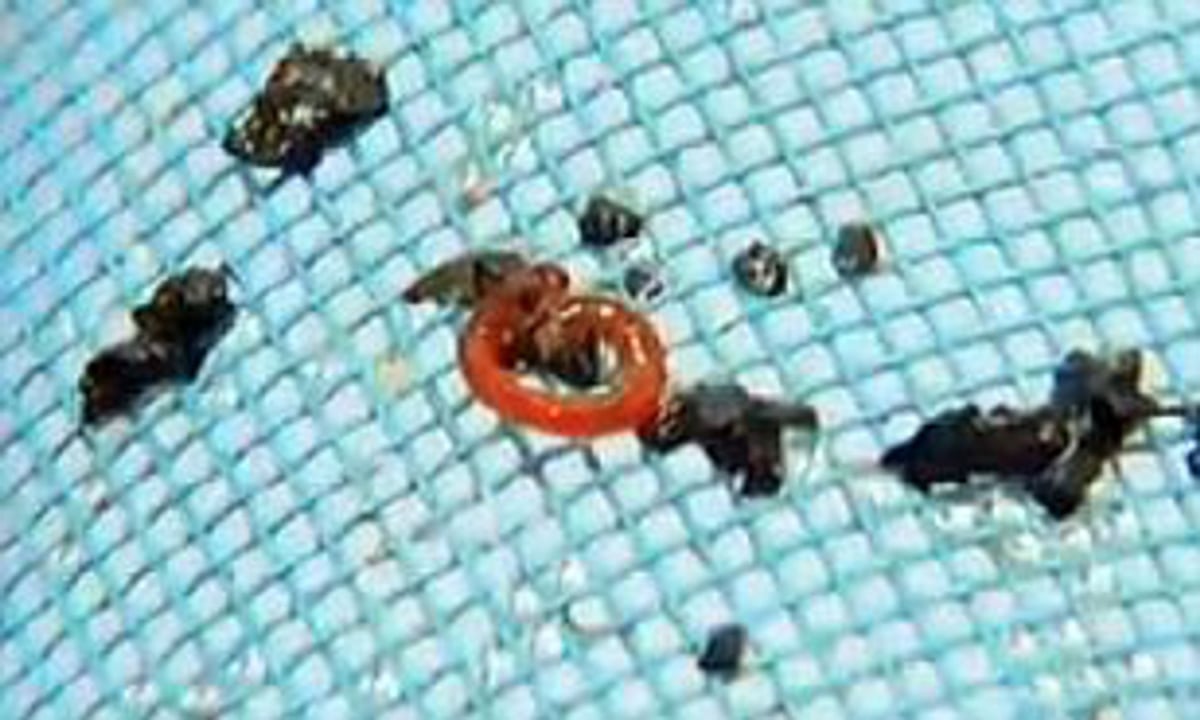
Picture this: you're ready for a refreshing dip, only to discover tiny red creatures floating in your pool water. It's unsettling, right? These aren't just random organisms - they're actually quite common and often misunderstood. Let's explore what these little red worms really are and how to handle them.
Pool owners everywhere have faced the same strange sight - tiny red worms swimming around their pools. They appear suddenly, seem harmless, but leave many wondering what they are and whether they pose any threat. These creatures can be found in both residential and commercial pools, causing confusion and concern among swimmers and pool managers alike. While they might look concerning, understanding these little red worms can help you manage them better and keep your pool clean and safe for everyone to enjoy.
What Are These Little Red Worms?
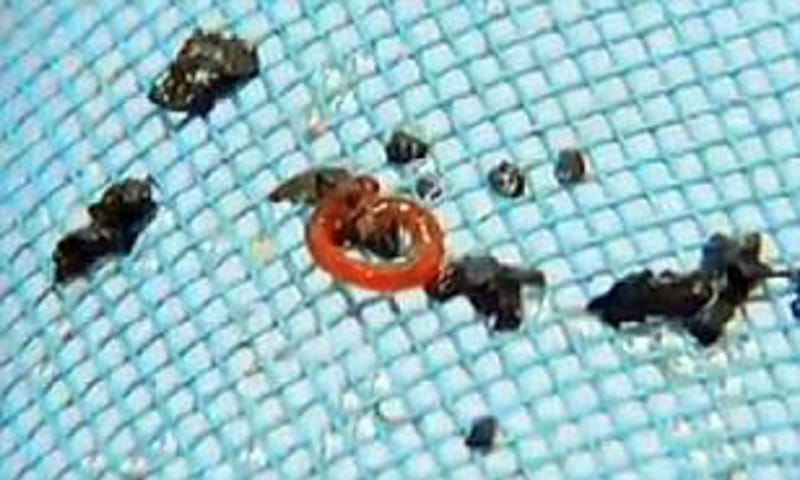
These red worms aren't actually worms at all - they're aquatic insects, specifically midge larvae. Think of them as the baby stage of a common insect called chironomus. They're typically found in still water environments and are completely harmless to humans. The red color comes from their blood, which contains a special protein that gives them their distinctive hue. These creatures thrive in environments with organic matter and stagnant water. When you see them in your pool, they're usually just taking advantage of the perfect conditions you've provided. They're not parasites, and they won't bite or harm you in any way. Their presence often indicates that there's some organic material in your pool that's feeding them, like dead leaves or debris.
Why Do They Appear in Pools?
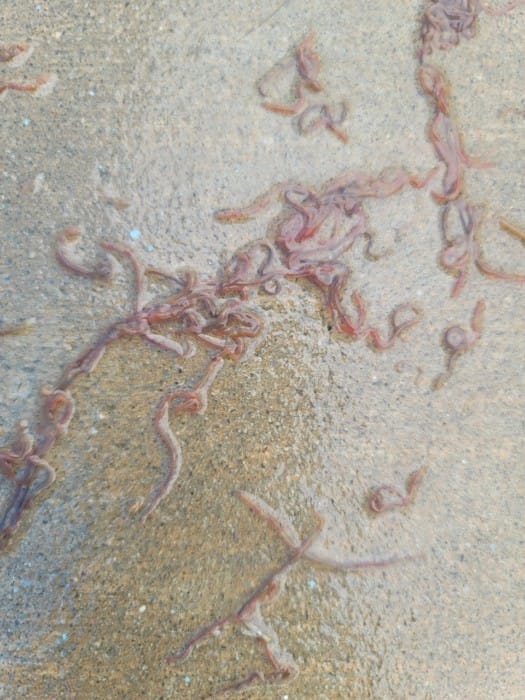
There are several reasons why these little red worms show up in swimming pools. First, they love stagnant water conditions. If your pool isn't circulating properly or if water sits still for extended periods, they'll find it an ideal home. Second, they feed on organic matter, which means they're attracted to any debris, dead plant material, or even small amounts of algae that accumulate in your pool. Third, they're incredibly adaptable and can survive in various water conditions. During warmer months, they reproduce rapidly. They might also come from nearby sources like ponds, streams, or even garden areas. Their presence is often a sign that your pool needs a good cleaning or that there's something in the water that's attracting them. Sometimes they're simply carried in by wind or insects. These little creatures are essentially nature's cleanup crew, but in the wrong place at the wrong time.
Are They Harmful to Swimmers?
Here's the good news: these little red worms pose absolutely no danger to swimmers. They don't carry diseases, don't bite, and don't cause any health issues. Many people worry they might be harmful, but they're completely benign. They're not parasites, and they don't have any toxic properties. You can swim safely in a pool with these worms present. However, they might be unsightly and can make some people uncomfortable. Some swimmers might feel uneasy seeing them, but remember that they're just tiny insects going about their natural lives. The main concern isn't health-related but rather aesthetic. They're more of a nuisance than anything else. The presence of these worms shouldn't stop you from enjoying your pool, though it might be worth addressing the underlying cause.
How to Identify Them Correctly
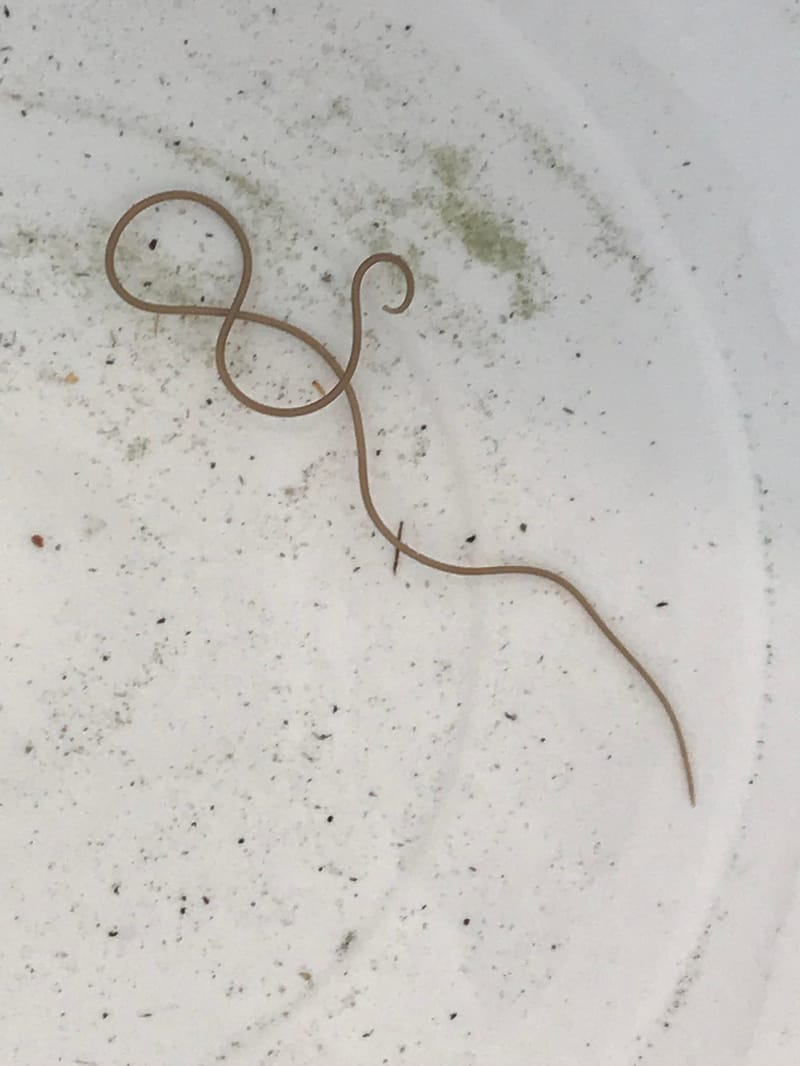
It's important to know exactly what you're dealing with before taking action. These red worms are actually small aquatic insects, not actual worms. They're typically about 1/4 inch long and have a distinctive red coloration. They move in a wriggling motion, often appearing to swim or crawl along pool surfaces. Look for them near the edges of your pool, in corners, or around the filtration system. They're often found in clusters rather than scattered throughout the water. If you're unsure, try taking a photo and comparing it with images online or consulting with a local pool professional. Other similar-looking creatures include mosquito larvae, which are more elongated, and certain types of small crustaceans. Proper identification helps determine the best approach for removal. Sometimes, these little creatures might be confused with other pool issues, so it's worth taking a careful look.
Related Posts

Unveiling the Timeless Charm of Black and White Striped Patio Um

Unpacking the Truth About Walking on Pool Covers Your Essential

Mastering the Art of the Perfect Pool Party Experience A Guest's Guide

Understanding the Pink Slime in Your Pool What It Is and How to Tackle It

Keeping Your Concrete Patio Happy and Safe Around the Fire Pit

Transforming Your Corner Lot A Masterclass in Curb Appeal
Prevention Strategies
Preventing these little red worms starts with maintaining proper pool hygiene and circulation. Regularly clean your pool to remove organic debris that feeds them. Keep your filtration system running efficiently, as stagnant water attracts them. Consider using a pool cover when not in use to prevent debris from entering and to reduce their breeding grounds. Regular skimming and vacuuming help remove potential food sources. Maintaining proper chemical balance is also crucial - too much organic material in the water can attract these creatures. Shock treatments occasionally can help eliminate any existing larvae. Also, check that your pool's drainage and circulation systems work correctly. If water sits in one area for too long, it becomes a perfect habitat. Prevention is always easier than cure, and keeping your pool well-maintained will go a long way toward preventing these unwanted guests.
Treatment Methods
If you already have these little red worms in your pool, don't panic. There are several effective ways to address them. Start with a thorough cleaning of your entire pool, including skimming, vacuuming, and brushing. This removes the organic matter they feed on. Chemical treatments like algaecides can help control their population, though they're not always necessary. Shock treatment with chlorine can be effective against larvae. For severe cases, consider using specialized products designed for controlling aquatic insects. Running your filtration system continuously for several hours can help remove them from the water. In extreme situations, draining and refilling the pool might be necessary, though this is rarely required. Always follow product instructions carefully when using chemicals. Sometimes a combination of methods works best - cleaning plus chemical treatment. The key is consistency and addressing the root cause of their presence.
These little red worms in your swimming pool might seem alarming at first, but they're actually quite harmless and manageable. Understanding that they're not dangerous insects rather than actual worms helps put things in perspective. Their appearance often signals a need for better pool maintenance rather than a serious problem. By keeping your pool clean, maintaining proper circulation, and addressing organic matter buildup, you can prevent these creatures from becoming a recurring issue. Most importantly, remember that they're just part of the natural ecosystem that sometimes finds its way into our man-made environments. With proper care and attention, you can keep your pool clear and enjoyable while living harmoniously with these tiny aquatic visitors.
