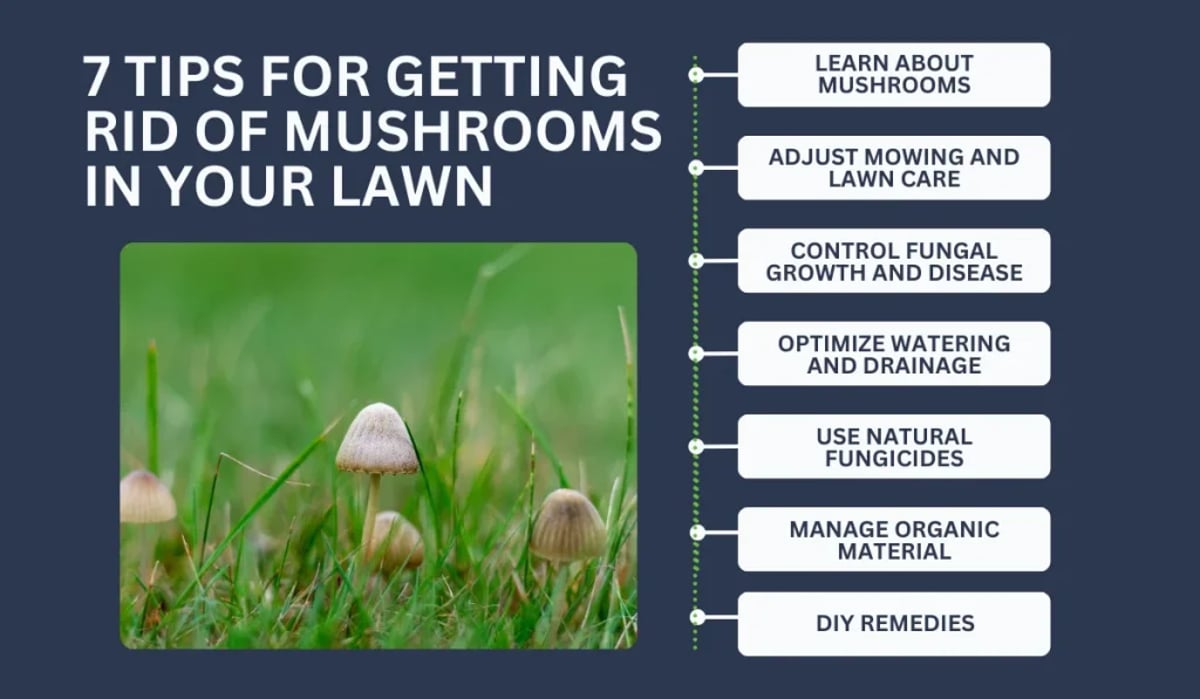
Have you ever noticed those mysterious fungi popping up all over your lawn? They seem to appear overnight, like nature's little surprises. But what exactly causes them to grow, and how do you stop them? Understanding mushroom behavior is the first step to reclaiming your outdoor space.
Mushrooms are fascinating organisms that play a vital role in ecosystems, but when they appear in your yard, they can be both surprising and concerning. Whether you're dealing with a few scattered specimens or a full-blown mushroom outbreak, there are several factors at work. These fungi thrive in moist environments and often indicate underlying issues in your soil. What you might see as just a gardening nuisance could actually be a sign of deeper soil conditions that need attention. The good news? With the right knowledge, you can tackle mushroom growth effectively while maintaining a healthy landscape.
Understanding Why Mushrooms Appear in Your Yard
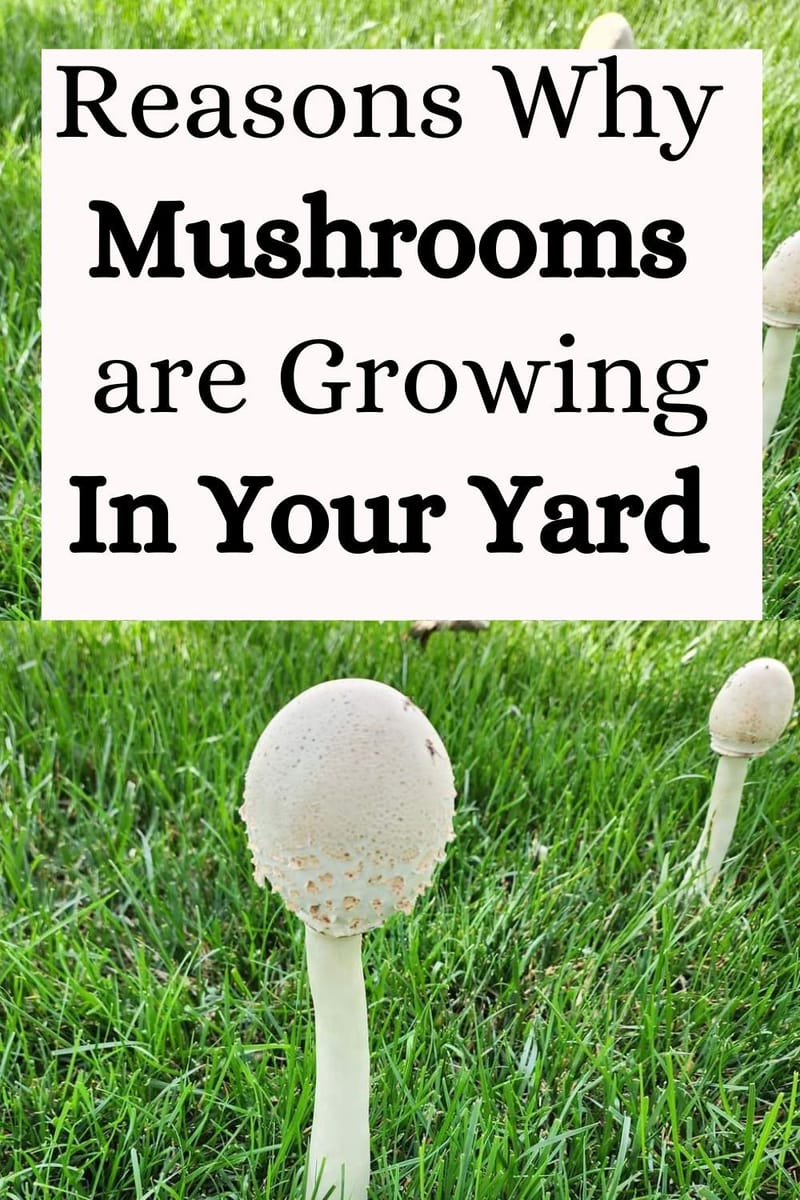
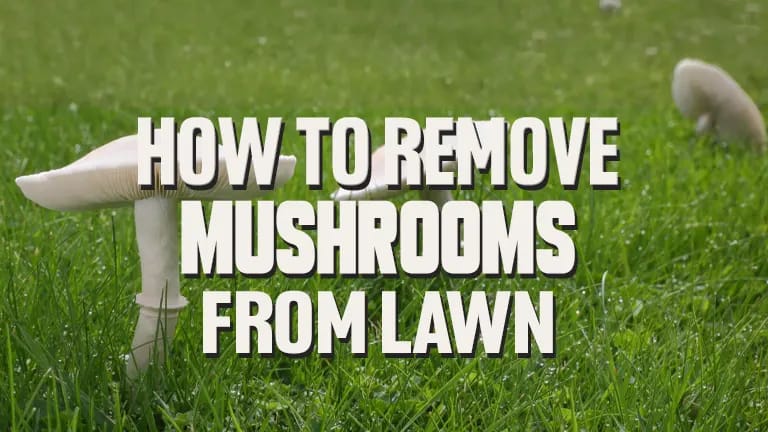
Mushrooms don't just materialize out of thin air. They're actually the fruiting bodies of fungi that have been quietly growing underground. These organisms are part of the decomposer community, breaking down organic matter in your soil. When conditions are right - typically high moisture levels and decomposing organic material - mushrooms will emerge. Think of them as nature's way of recycling nutrients back into the ecosystem. If you've recently had heavy rainfall, added compost, or left fallen leaves unattended, you've likely created ideal conditions for mushroom growth. The presence of mushrooms often signals that your soil is rich in organic matter, which isn't necessarily bad, but can become problematic if they multiply too quickly.
Natural Methods to Control Mushroom Growth
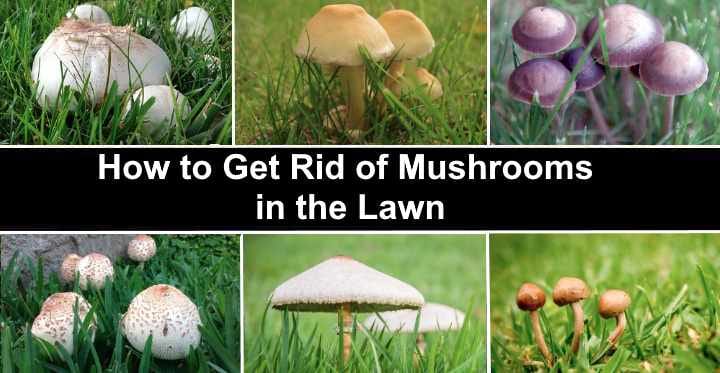
There are several gentle approaches to reduce mushroom populations without harming beneficial soil organisms. One simple method is improving drainage around problem areas. Mushrooms love damp spots, so ensuring proper water flow can significantly decrease their occurrence. Another approach involves reducing organic matter on the surface - removing fallen leaves, dead grass, and other debris helps break the cycle. You can also try using cornmeal or baking soda solutions on affected areas. These treatments work by altering soil pH or interfering with fungal development. Some gardeners find success with adding sand or gravel to improve soil aeration and drainage. Remember, these methods take time to show results, but they're safer for the environment than chemical alternatives.
Chemical Treatments That Actually Work
When natural remedies aren't enough, chemical options provide faster results. Fungicides containing chlorothione or myclobutanil can effectively eliminate mushroom growth. However, these products should be used carefully and according to label instructions. It's important to note that fungicides target the fungus itself rather than preventing future growth. This means you'll likely need to reapply treatments periodically. Chemical treatments are particularly useful for severe cases or when mushrooms are appearing in high-traffic areas. Always consider the environmental impact before choosing chemical solutions. Some products are specifically designed for lawns and gardens, while others may affect beneficial soil microorganisms. Consulting with local extension services can help determine the best option for your specific situation.
Soil Conditions That Promote Mushroom Growth
Several soil characteristics make your yard more hospitable to mushrooms. High moisture levels are perhaps the most significant factor - whether from overwatering, poor drainage, or natural rainfall. Soil that remains consistently wet provides the perfect environment for fungal development. Organic matter content also plays a crucial role. Areas with thick layers of decomposing plant material give fungi plenty of food sources. Soil pH can influence mushroom growth too, with many species thriving in slightly acidic conditions. Compacted soil creates poor air circulation, which can encourage fungal proliferation. Additionally, shaded areas with limited sunlight often experience higher mushroom activity due to cooler, damper conditions. Identifying which soil factors are contributing to your mushroom problem is key to developing an effective solution strategy.
Related Posts

Unveiling the Timeless Charm of Black and White Striped Patio Um

Unpacking the Truth About Walking on Pool Covers Your Essential

Mastering the Art of the Perfect Pool Party Experience A Guest's Guide

Understanding the Pink Slime in Your Pool What It Is and How to Tackle It

Keeping Your Concrete Patio Happy and Safe Around the Fire Pit

Transforming Your Corner Lot A Masterclass in Curb Appeal
Prevention Strategies for Long-Term Success
Prevention is always better than cure when it comes to mushroom management. Regular lawn maintenance practices can significantly reduce mushroom occurrences. Mowing frequently and removing grass clippings helps prevent excess organic matter buildup. Proper watering techniques are essential - avoid overhead sprinklers that leave surfaces wet for extended periods. Instead, water deeply but less frequently to encourage deep root growth. Aerate compacted soil annually to improve air circulation and drainage. Consider adjusting shade levels by pruning nearby trees or shrubs to increase sun exposure. Regular soil testing helps monitor pH and nutrient levels, allowing you to address conditions that favor mushroom growth. Creating a balanced ecosystem with diverse plant life can naturally suppress fungal problems over time.
When to Seek Professional Help
Sometimes mushroom problems extend beyond typical lawn care solutions. If you're experiencing persistent mushroom outbreaks despite your efforts, or if mushrooms appear in unusual locations like concrete patios or walkways, professional assistance might be warranted. Pest control experts or arborists can identify specific fungal species and recommend targeted treatments. In cases where mushrooms are growing near valuable plants or structures, professionals can assess potential damage risks. They might also suggest soil amendments or structural changes to address underlying conditions. Professional diagnosis becomes especially important when dealing with mushrooms that could be toxic to pets or children. Knowing when to call in the experts can save you time, money, and potential health concerns.
Dealing with mushrooms in your yard doesn't have to be overwhelming. By understanding what causes them to grow, you can develop strategies that work with nature rather than against it. Whether you choose natural remedies, chemical treatments, or prevention methods, the key is consistency and addressing root causes rather than just treating symptoms. Remember that mushrooms are part of a larger ecosystem, and eliminating them entirely isn't always necessary or desirable. Sometimes a small amount of fungi is simply nature doing its job. The goal is finding balance - keeping your yard looking great while maintaining healthy soil conditions. With patience and the right approach, you'll soon be enjoying a mushroom-free outdoor space that's both beautiful and functional.
