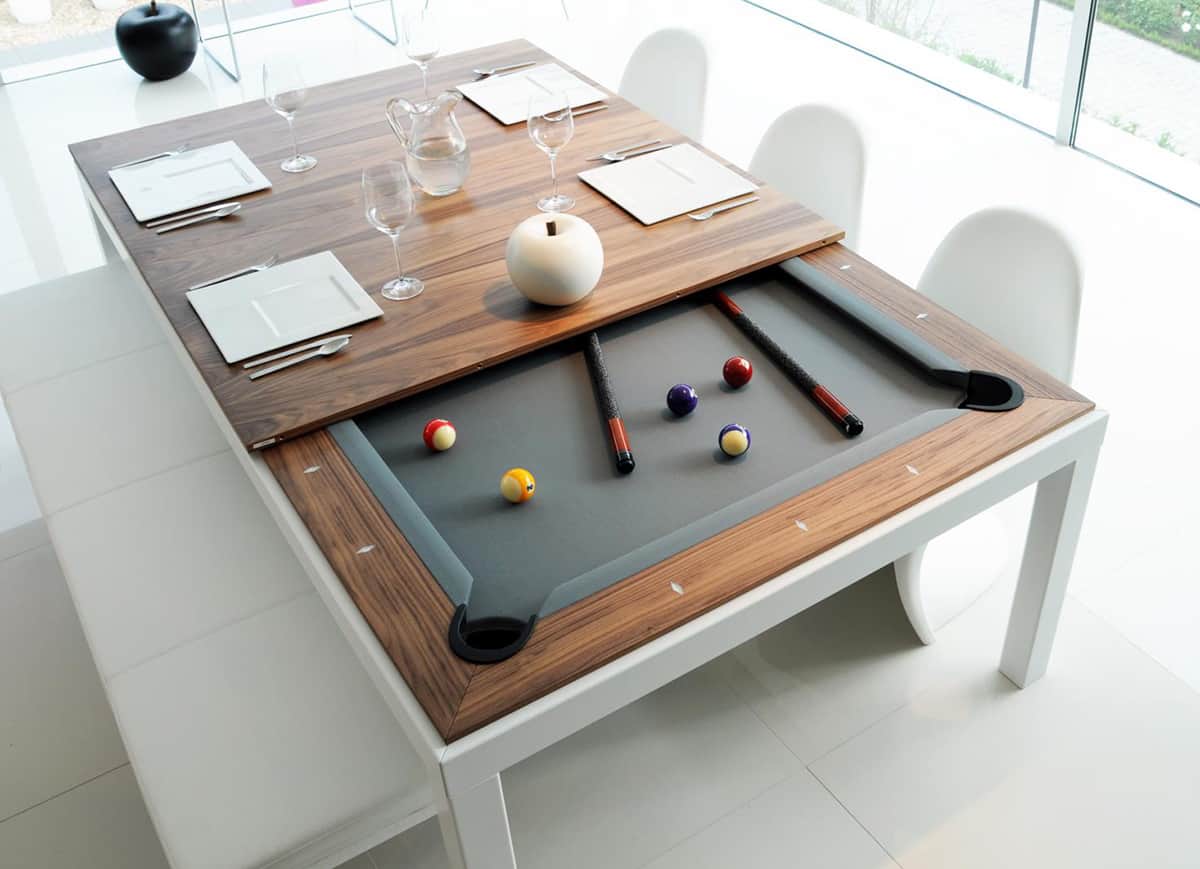
Picture this: you're hosting a dinner party where guests chat over plates of food, then effortlessly transition to a game of pool. It's not just a dream anymore. This guide explores how to thoughtfully combine dining and pool table spaces to create a versatile area that works for both social gatherings and serious gaming sessions.
The modern home is evolving, and so are our entertaining needs. No longer do we have to choose between having a formal dining area and a casual recreation space. The dining room pool table combination is becoming increasingly popular because it offers the best of both worlds. Whether you're planning a new home or renovating existing space, understanding how to properly integrate these two essential elements can transform your living area into a dynamic hub for family and friends.
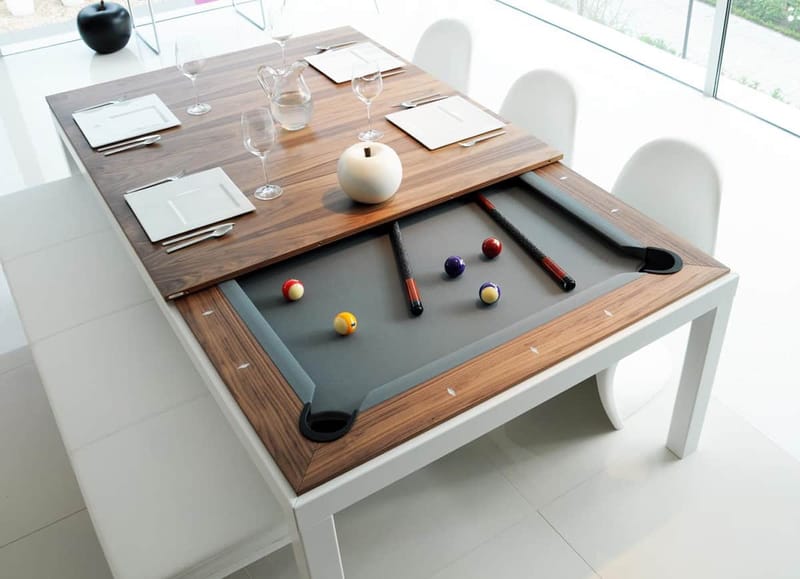
Understanding the Basics of Dining Room Pool Table Layouts
Before diving into design specifics, it's important to grasp the fundamental principles behind combining these two spaces. The key lies in balancing functionality with aesthetics. A dining table typically requires a minimum of 36 inches of clearance around it for comfortable seating and movement. When adding a pool table, you need to account for additional space - usually 4 feet of clearance on all sides for players to move freely. That means your room needs to be spacious enough to accommodate both elements without feeling cramped. Consider the shape of your room too. Rectangular spaces work best for linear arrangements, while square rooms might benefit from a more creative layout. Many homeowners find success with a diagonal approach where the dining table sits at an angle to the pool table, creating natural pathways and visual separation. The most common mistake people make is underestimating the space needed. Think about how many people will actually use the space regularly. If you're planning to host weekly poker nights, you'll want more room than if you're just using it occasionally for casual games.
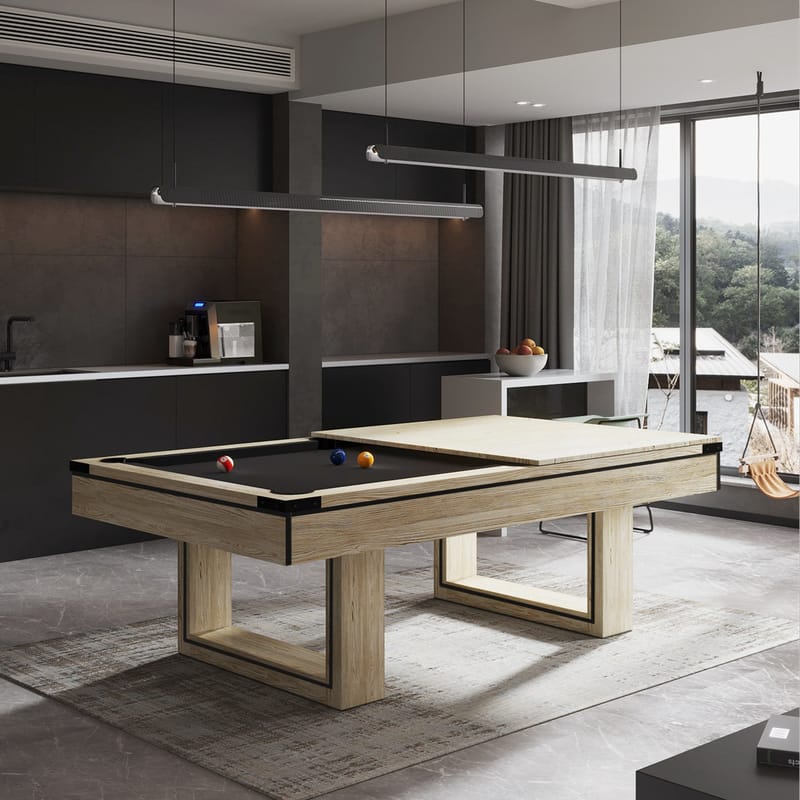
Essential Dimensions and Space Planning
Space planning isn't just about measurements - it's about creating an environment that feels comfortable and functional. Here's what you need to know:
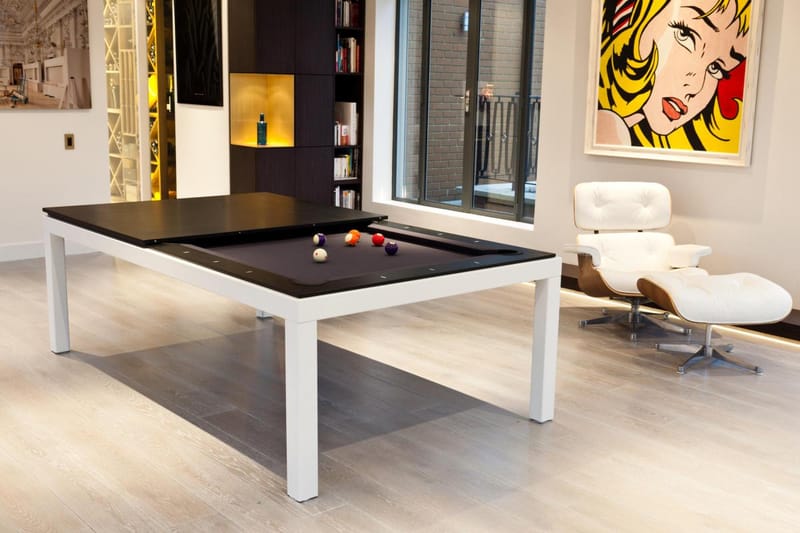
These numbers might seem like they're from a math textbook, but they're crucial for avoiding the awkward situation of having to squeeze into tight spots during dinner or game time. One homeowner shared that their first attempt at combining these spaces resulted in a 4-foot gap between the dining table and pool table, which made both activities feel cramped. After reconfiguring, they found that 6 feet of clearance created the perfect balance between intimacy and usability. Remember, these measurements aren't hard rules, but rather starting points that should adapt to your specific needs and lifestyle.
Design Elements That Bring Both Spaces Together
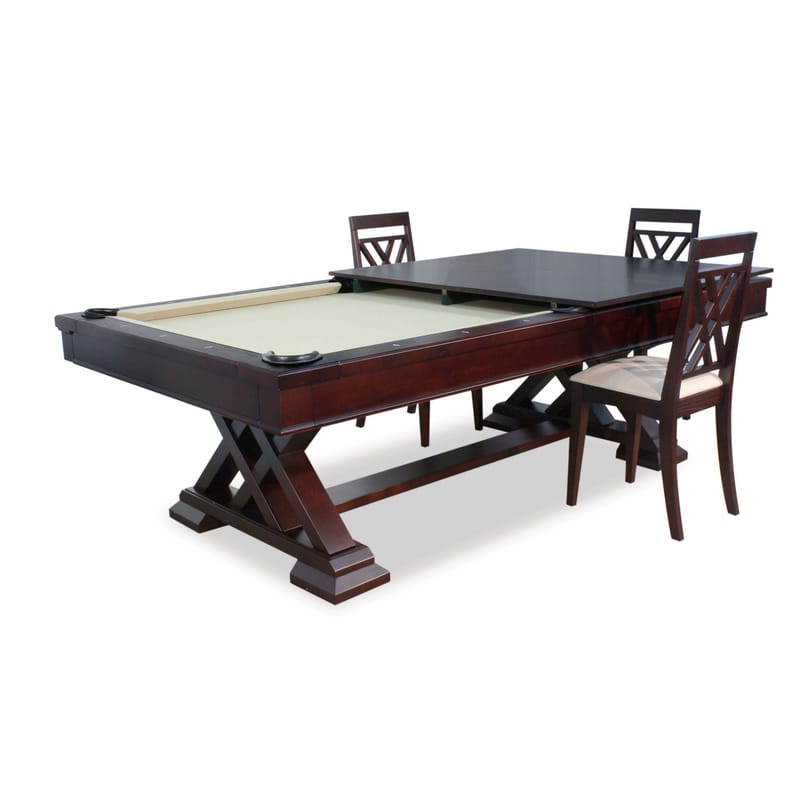
The secret to successful integration lies in thoughtful design choices that make the two spaces feel connected rather than separate. Lighting plays a huge role in this process. Consider installing a central chandelier or pendant light that illuminates both areas equally. This creates a cohesive look while providing adequate lighting for both dining and playing. Another effective strategy is to use similar materials throughout the space. If your dining table features wood grain, incorporate wooden elements in the pool table's frame or surrounding area. The same goes for color schemes. Choose neutral tones that complement both the dinner setting and the game environment. Some people opt for bold accent colors that serve as focal points in both areas. For example, a vibrant red chair or blue lamp can add personality to the dining area while also enhancing the pool room atmosphere. Texture also matters. Smooth surfaces work well for dining, but adding some soft textures like a cozy rug or comfortable seating can make the entire space more inviting. The key is to maintain consistency while allowing each area to retain its distinct character. Think of it like cooking - you want complementary flavors, not competing ones.
Practical Tips for Room Layout Optimization
Related Posts

Unveiling the Timeless Charm of Black and White Striped Patio Um

Unpacking the Truth About Walking on Pool Covers Your Essential

Mastering the Art of the Perfect Pool Party Experience A Guest's Guide

Understanding the Pink Slime in Your Pool What It Is and How to Tackle It

Keeping Your Concrete Patio Happy and Safe Around the Fire Pit

Transforming Your Corner Lot A Masterclass in Curb Appeal
Here are some practical approaches to maximize your space:
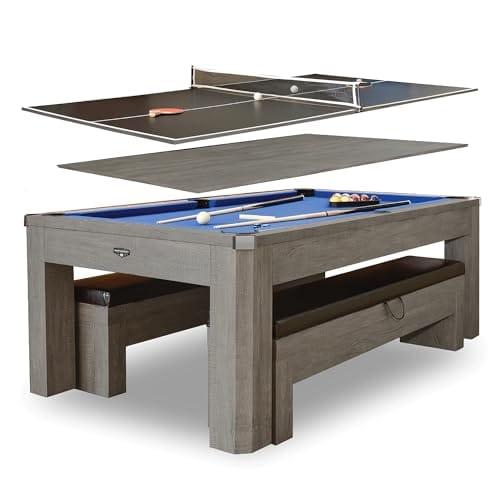
One couple mentioned how they transformed their small apartment by choosing a smaller 6-foot pool table instead of the standard size. This freed up space for a compact dining setup and allowed them to maintain an open feel throughout the room. They also installed a drop-down ceiling light that could be dimmed for dinner and brightened for games. Sometimes, it's not about having the biggest space, but finding smart ways to make the most of what you have.
Choosing the Right Furniture for Dual-Purpose Spaces
Selecting furniture that works well in both settings requires careful consideration. The dining table should be sturdy enough to handle regular use but also flexible enough to accommodate different occasions. Some people prefer tables with extendable leaves that can be removed when not needed. As for seating, think about how often you'll be using the space. If it's primarily for dining, you might want more formal chairs. But if you're planning to spend significant time playing games, comfort becomes just as important as appearance. The key is finding a happy medium. Some designers recommend using a mix of styles - perhaps formal dining chairs paired with casual game seating. This creates visual interest while serving multiple purposes. Storage solutions are also critical. Look for pieces with built-in storage or consider adding shelving units that can hold everything from dinnerware to pool cues. A well-designed cabinet can store seasonal decorations, extra game pieces, or even board games. The goal is to keep the space looking clean and organized while ensuring everything you need is easily accessible.
Maintaining Cleanliness and Functionality Over Time
Long-term success depends on how well you maintain the space. Regular cleaning routines are essential, especially since both areas see frequent use. Establish a system for quick clean-ups after meals and games. Dusting and vacuuming should happen regularly, but the key is consistency. Many people find it helpful to designate specific cleaning tasks for specific days of the week. For instance, one day might focus on dining area maintenance while another addresses pool table care. Consider the practical aspects of ongoing maintenance. How easy is it to move furniture? Are there any sharp edges that could pose safety concerns? What happens when spills occur? These questions become particularly important when children are involved. Some families solve this by investing in protective covers for their dining table or using throw blankets that can be quickly removed for cleaning. Others opt for surfaces that are naturally easier to clean, such as glass or laminate instead of wood. Remember, the beauty of a well-integrated space isn't just in its initial appeal - it's in how it continues to function smoothly over time. The investment in proper maintenance pays off in the longevity and enjoyment of your space.
Combining your dining and pool table areas isn't just about saving space - it's about creating a versatile, enjoyable environment that enhances your daily life. By carefully considering layout, dimensions, and design elements, you can build a space that works for both intimate dinners and lively game nights. The key is to start with your lifestyle needs, then build around those requirements. Whether you're working with a large open room or a smaller space, the principles remain the same: balance functionality with aesthetics, plan ahead for traffic flow, and choose furniture that supports your lifestyle. The result is a home that truly serves its purpose as a gathering place for family and friends. With thoughtful planning and attention to detail, your dining room pool table combination can become the heart of your home - a place where memories are made and relationships grow stronger.
