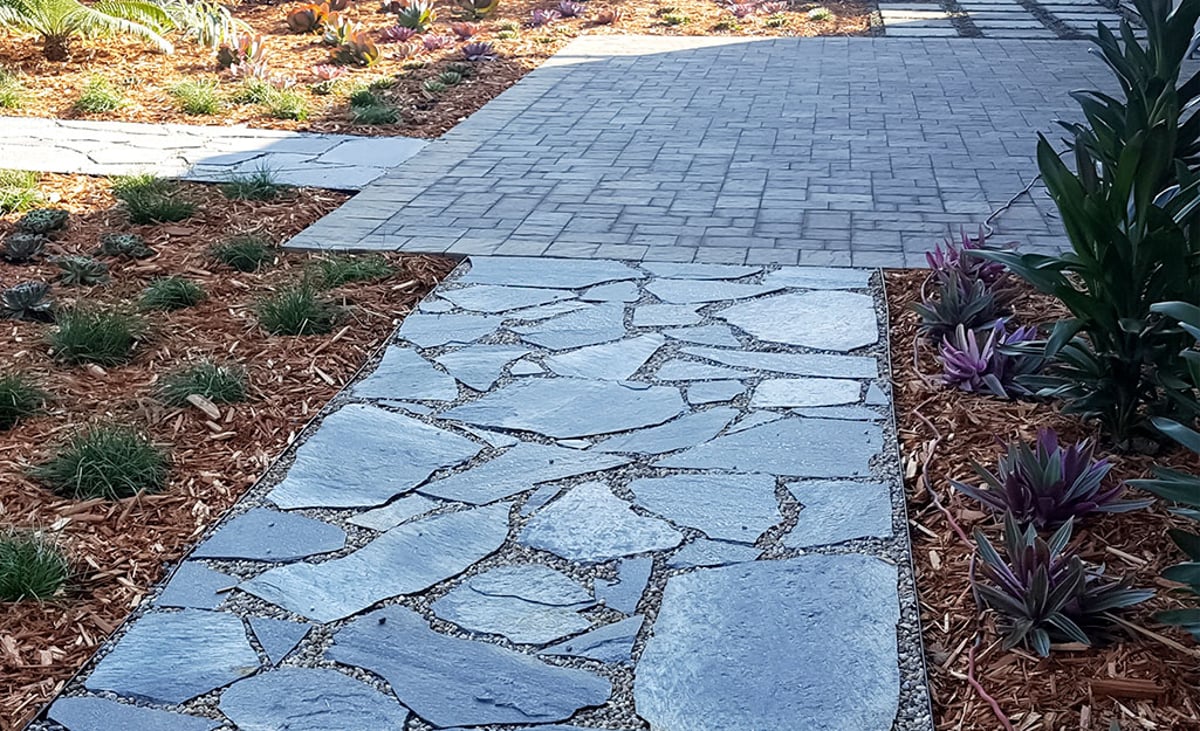
When you think about creating a stunning walkway, the choice of pavers can make all the difference. These materials not only define the look of your outdoor area but also impact its durability, maintenance requirements, and overall functionality. Whether you're planning a new pathway or renovating an existing one, understanding the different types of pavers available is crucial. From classic brick to modern concrete options, each material brings its own unique characteristics to your space.
Walkways are more than just functional elements in your outdoor space – they're the first impression visitors get when they approach your home. The right pavers can transform a simple path into a beautiful focal point that enhances your entire landscape. But with so many options available, choosing the perfect paver type can feel overwhelming. This guide will walk you through the most popular choices, helping you make an informed decision based on your specific needs, budget, and aesthetic preferences. Think of this as your roadmap to selecting the ideal walkway pavers that will stand the test of time while looking absolutely fantastic.
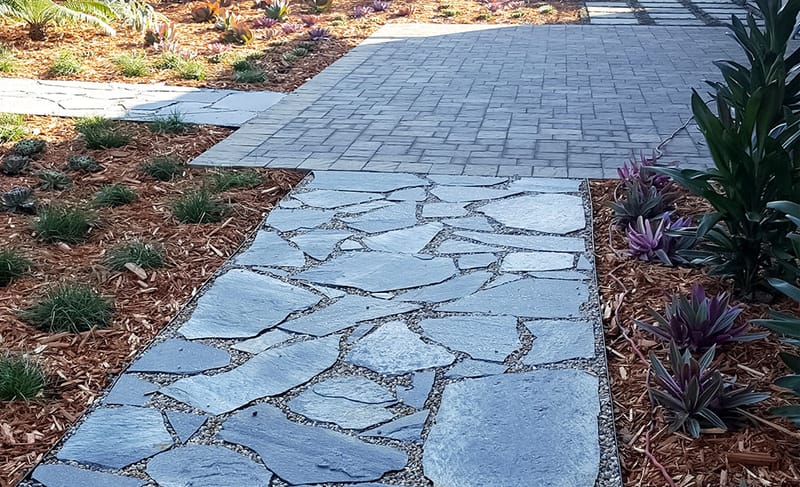
Natural Stone Pavers
Natural stone pavers offer timeless beauty and unmatched durability. These materials come from quarries around the world and include options like granite, limestone, sandstone, and slate. Each type has distinct characteristics that affect both appearance and performance. Granite pavers are incredibly strong and resistant to weathering, making them excellent for high-traffic areas. Limestone provides a softer, more traditional look with a variety of colors ranging from cream to deep brown. Sandstone offers a warm, earthy tone and is relatively easy to work with. Slate brings a sophisticated, modern appeal with its natural texture and dark tones. Natural stone pavers require minimal maintenance once installed but do need proper sealing to prevent staining. They're typically the most expensive option but offer exceptional longevity and resale value. The beauty of natural stone lies in its uniqueness – no two pieces are exactly alike, creating a naturally varied pattern that adds character to any walkway.
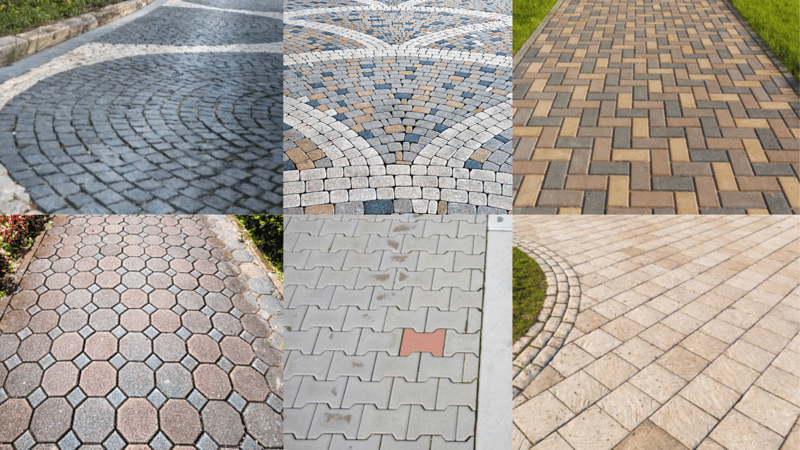
Concrete Pavers
Concrete pavers have become increasingly popular due to their versatility and cost-effectiveness. Made from Portland cement, aggregates, and pigments, these pavers offer an impressive range of colors, textures, and shapes. Unlike poured concrete, precast concrete pavers are manufactured in factories under controlled conditions, ensuring consistent quality and durability. They're available in numerous finishes including smooth, textured, and antique looks. One major advantage is their ability to be easily replaced if damaged, unlike poured concrete which requires extensive repairs. Concrete pavers are also highly resistant to freezing and thawing cycles, making them suitable for harsh climates. They can mimic the appearance of natural stone or brick at a fraction of the cost. The installation process is straightforward, and they offer excellent load-bearing capacity for heavy foot traffic. Many homeowners appreciate how concrete pavers can be customized to match their specific design vision while remaining budget-friendly.

Brick Pavers
Brick pavers represent a classic choice that never goes out of style. Made from fired clay or concrete, these pavers provide a warm, inviting feel that complements traditional and rustic architectural styles. They come in various sizes and colors, allowing for creative patterns and designs. The interlocking nature of brick pavers creates a stable surface that resists shifting over time. One significant benefit is their ability to be repaired rather than replaced entirely – individual bricks can be removed and reinstalled as needed. Brick pavers also offer excellent slip resistance, especially when properly textured. However, they tend to be more expensive than concrete alternatives and may require more frequent cleaning to maintain their appearance. The aging process actually enhances their charm, giving them a weathered, lived-in look that many find appealing. Many homeowners choose brick pavers for their timeless appeal and the way they complement mature landscapes.
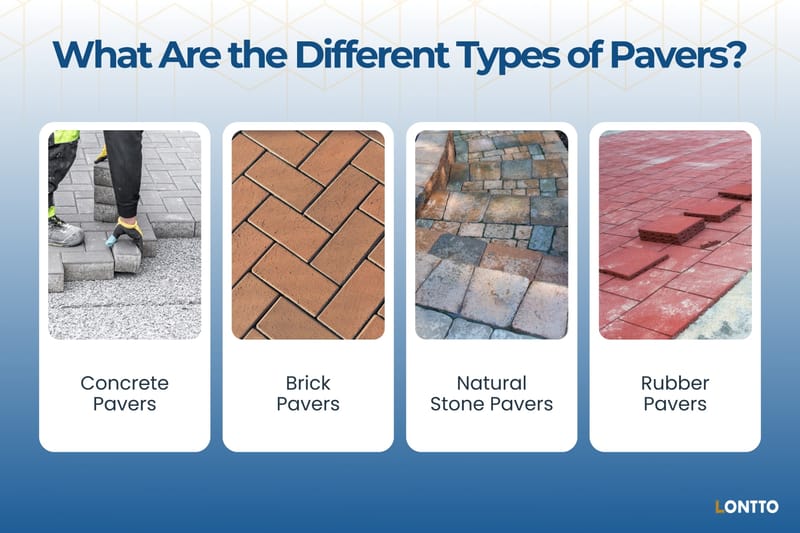
Interlocking Pavers
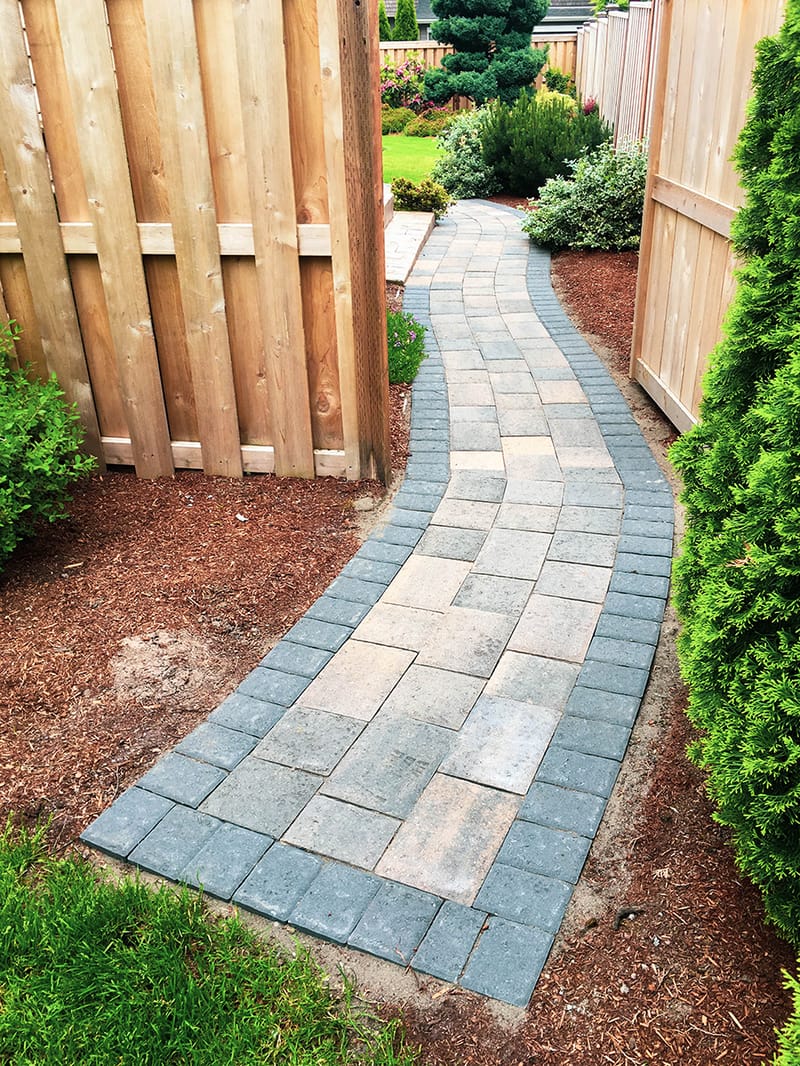
Interlocking pavers form a category that includes several different materials but shares the same fundamental design principle. These pavers feature specially designed edges that allow them to lock together, creating a unified surface that's both strong and flexible. The interlocking system helps distribute weight evenly across the entire walkway, reducing the risk of cracking or settling. This type of paver works well with concrete, brick, and natural stone materials. The flexibility of the system means it can accommodate minor ground movement without cracking. Installation typically involves a base layer of crushed stone and sand, with the pavers placed directly on top. Maintenance is generally straightforward since individual pavers can be lifted and repositioned if necessary. Interlocking pavers are particularly popular for their ease of repair and their ability to create professional-looking results even for DIY projects.
Related Posts

Unveiling the Timeless Charm of Black and White Striped Patio Um

Unpacking the Truth About Walking on Pool Covers Your Essential

Mastering the Art of the Perfect Pool Party Experience A Guest's Guide

Understanding the Pink Slime in Your Pool What It Is and How to Tackle It

Keeping Your Concrete Patio Happy and Safe Around the Fire Pit

Transforming Your Corner Lot A Masterclass in Curb Appeal
Porcelain Tile Pavers
Porcelain tile pavers have gained popularity in recent years due to their durability and low maintenance requirements. Made from fine porcelain clay and fired at high temperatures, these pavers are extremely dense and water-resistant. They offer the appearance of natural stone or ceramic tiles but with superior strength and longevity. Porcelain pavers are available in various finishes including polished, matte, and textured surfaces. Their non-porous nature makes them resistant to stains, fading, and weather damage. They're also frost-resistant, making them ideal for northern climates. While initially more expensive than some alternatives, their long-term performance often makes them cost-effective. These pavers are particularly well-suited for areas with high moisture levels, such as near pools or in rainy regions. Their smooth surfaces are easy to clean and maintain, requiring only occasional sweeping and occasional washing with mild soap.
Composite Pavers
Composite pavers represent a newer category that combines recycled materials with synthetic components to create durable, eco-friendly options. Made primarily from recycled wood fibers, plastic, and binding agents, these pavers offer a sustainable alternative to traditional materials. They're designed to resist rot, insects, and weather damage while maintaining their appearance over time. Composite pavers often feature realistic wood grain textures and natural colors that blend well with outdoor settings. They require minimal maintenance compared to wood alternatives and don't need staining or sealing. These pavers are particularly popular in coastal areas where salt exposure can damage other materials. While they may not offer the same longevity as stone or concrete options, they provide an attractive compromise between aesthetics and environmental responsibility. The material's ability to withstand temperature fluctuations makes it suitable for diverse climate zones.
Choosing the right pavers for your walkway involves considering multiple factors including budget, climate, design preferences, and maintenance requirements. Natural stone offers unmatched beauty and longevity but comes with a higher price tag. Concrete pavers provide excellent value with customizable options that can mimic more expensive materials. Brick pavers bring classic charm and easy repairability to traditional settings. Interlocking systems offer versatility and stability for various applications. Porcelain tiles deliver low maintenance with excellent weather resistance. Composite pavers present an environmentally conscious choice with good durability. The key is matching your specific needs with the characteristics of each material type. Consider consulting with local contractors or visiting showrooms to see samples in person. Remember that the investment in quality pavers pays dividends through increased property value and years of enjoyment. Ultimately, the best choice depends on your personal priorities and the unique qualities you want to bring to your outdoor space. Whatever option you select, proper installation and regular maintenance will ensure your walkway remains a beautiful and functional part of your home for decades to come.
