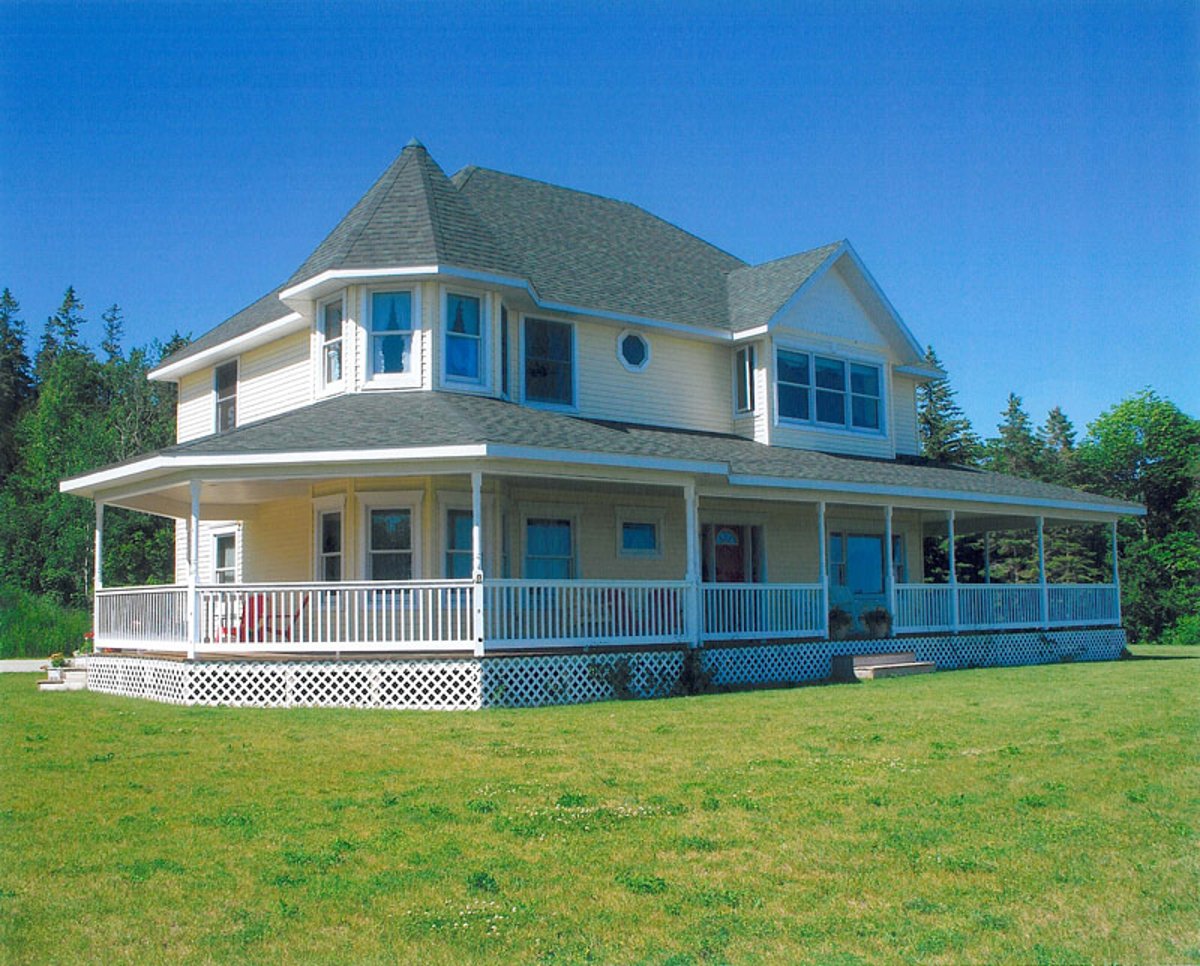
Imagine stepping onto a porch that embraces your entire home, wrapping around the sides like a warm hug. For two-story houses, this isn't just a dream—it's an achievable design feature that transforms ordinary spaces into extraordinary living areas. These architectural gems combine functionality with beauty, creating outdoor rooms that extend your home's living space while adding significant curb appeal.
When you think about two-story homes, you might picture grand staircases, multiple bedrooms, and sprawling layouts. But there's another element that can truly elevate these impressive structures—the wrap-around porch. This architectural feature wraps itself around the front of the house, creating a continuous outdoor space that feels both intimate and expansive. It's not just about aesthetics though; these porches serve practical purposes too. They provide shelter from weather, offer additional living space, and create natural gathering areas for family and friends. The concept isn't new, but it's gaining popularity as homeowners seek ways to maximize their outdoor living experience while maintaining their home's classic charm.
Understanding Wrap-Around Porch Design
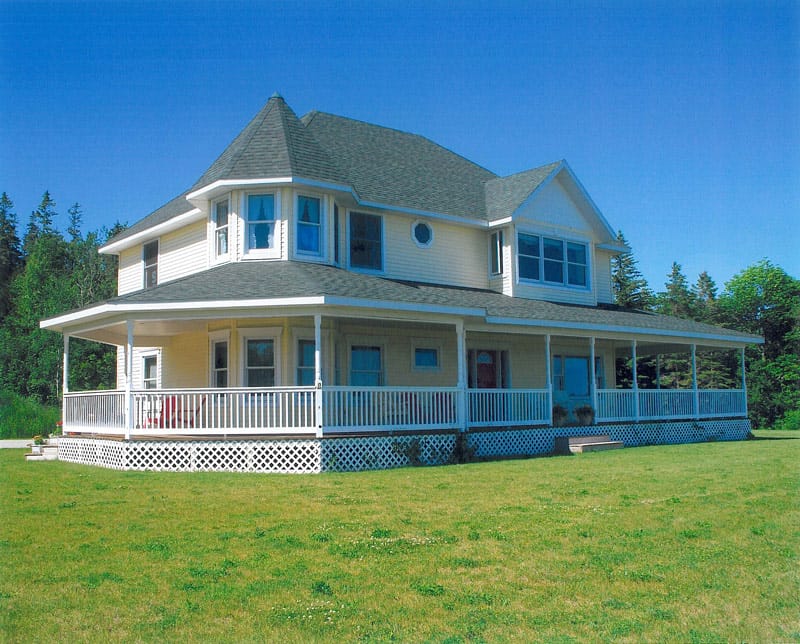
A wrap-around porch is essentially a covered outdoor area that encircles the front portion of a two-story house. Unlike traditional front porches that sit at one end, this design creates a continuous walkway that flows around the building's perimeter. The key is understanding how the structure interacts with the home's architecture.
The design typically features columns or pillars that support the roof structure, creating a sense of openness while providing necessary coverage. These supports often follow the natural lines of the house, ensuring they complement rather than compete with the building's aesthetic. The width of the porch varies based on the home's size and the owner's preferences, but most successful designs range between 8 to 15 feet wide.
Consider the visual impact these porches have on the overall appearance. They create a sense of grandeur that makes even modest two-story homes feel more substantial and welcoming. The continuous nature of the wrap-around design also allows for better traffic flow, letting visitors move naturally from one side of the house to the other without feeling confined to a single entry point.
Structural Considerations and Building Requirements
Building a wrap-around porch requires careful attention to structural elements. The foundation must be strong enough to support the weight of the porch structure, especially when dealing with materials like brick, stone, or wood that add significant mass. Engineers often recommend reinforced concrete footings that extend below frost line levels to ensure stability.
The load-bearing capacity becomes crucial when planning the roof design. A typical two-story porch might require trusses or beams that can span considerable distances without intermediate support. This means choosing the right materials and construction methods becomes vital. Steel framing offers excellent strength-to-weight ratios, while timber provides a more traditional look that many homeowners prefer.
Local building codes play a significant role in determining specifications. Many municipalities require permits for porch construction, and some even mandate specific setback requirements from property lines. Check with local authorities early in the planning process to avoid costly delays later on.
Here's a quick breakdown of essential structural considerations:
Popular Materials and Their Characteristics
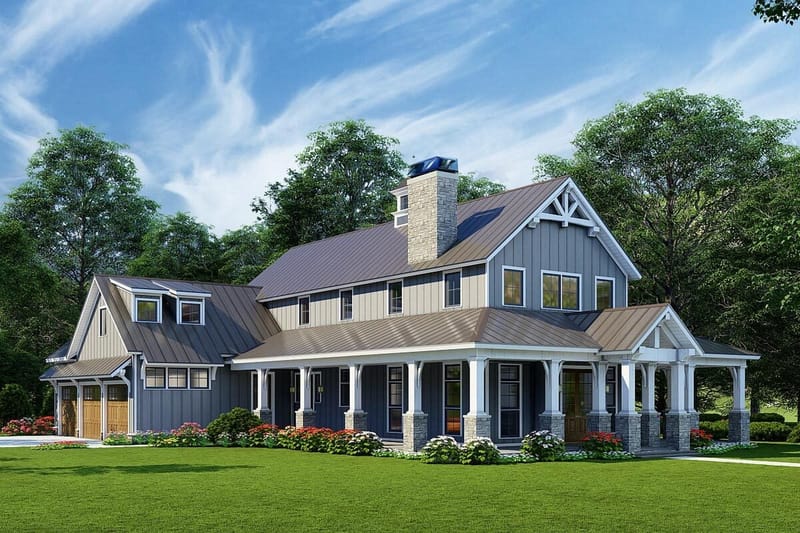
Choosing the right materials for your wrap-around porch can make all the difference in both appearance and longevity. Each material brings its own set of advantages and challenges that deserve careful consideration.
Wood remains one of the most popular choices for porch construction due to its natural beauty and versatility. Cedar and pine are commonly used because they resist rot and insects well when properly treated. However, wood requires regular maintenance including staining or painting every few years to preserve its appearance and protect against weather damage.
Composite materials have gained traction recently as a low-maintenance alternative to traditional lumber. Made from recycled plastics and wood fibers, these products resist fading, warping, and insect damage. While initially more expensive than wood, they often prove cost-effective over time due to reduced maintenance needs.
Stone and brick offer timeless elegance and exceptional durability. They provide excellent thermal mass, keeping the porch cooler during hot weather and retaining heat during cooler months. However, these materials are heavy and may require additional structural support. Installation costs are typically higher as well, requiring skilled masons for proper placement.
Metal components, particularly aluminum and steel, provide strength and modern appeal. They're resistant to fire and pests, making them ideal for certain climates. Yet they can conduct heat and cold, potentially making the porch uncomfortable during extreme weather conditions. Some homeowners opt for metal frames with wooden or composite decking to balance durability with comfort.
Design Elements That Enhance Functionality
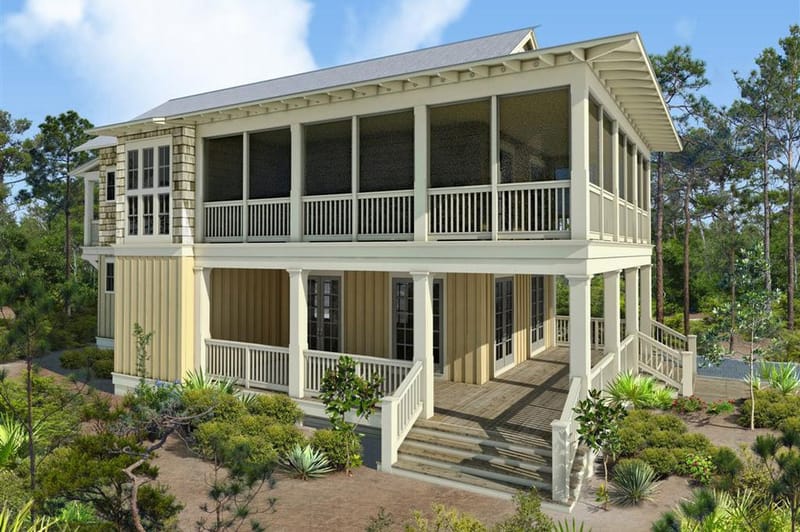
Beyond basic construction, thoughtful design elements can transform your wrap-around porch from merely decorative to truly functional. Consider how people will actually use the space before settling on final details.
Seating arrangements should encourage conversation and social interaction. Built-in benches along the porch walls create intimate gathering spots while maximizing storage potential. These can be designed with comfortable cushions that complement the overall color scheme. Adding a small table or coffee table gives visitors something to place items on and creates a natural focal point.
Lighting plays a crucial role in extending usable hours. String lights draped along the roofline create a warm ambiance in the evening, while recessed lighting within the porch structure provides practical illumination for reading or working. Consider installing dimmer switches to adjust light levels based on the time of day or occasion.
Storage solutions integrated into the porch design help keep the space organized. Shelving units built into the walls can hold books, plants, or seasonal decorations. Small cubbies or cabinets tucked under the porch roof provide hiding places for outdoor furniture when not in use. These elements should blend seamlessly with the overall design rather than appearing as afterthoughts.
Window treatments and privacy features are important for creating a comfortable environment. Planters along the edges can provide natural screening while adding greenery to the space. Curtains or lattice panels offer adjustable privacy options that can be opened or closed depending on weather conditions or personal preference.
Climate-Specific Adaptations and Weather Protection
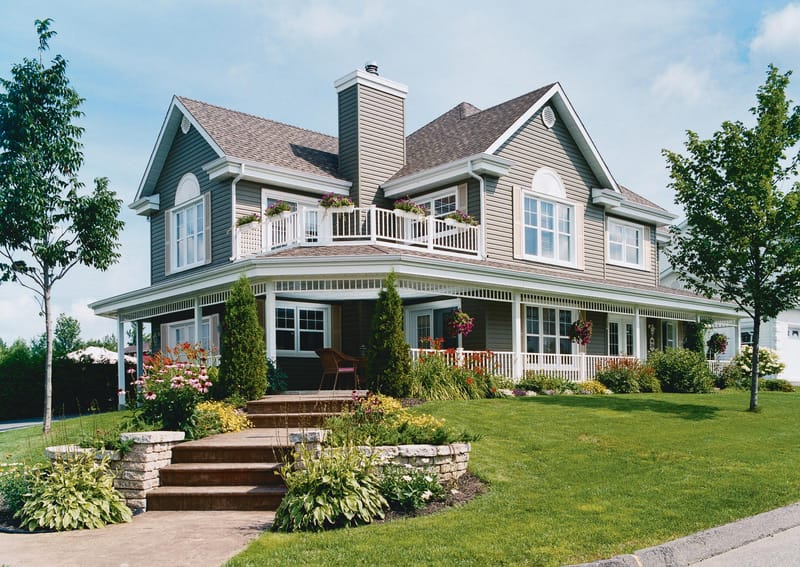
No matter where you live, your wrap-around porch needs to handle whatever Mother Nature throws at it. Different climates demand different approaches to ensure the structure remains both beautiful and functional year-round.
In humid regions, moisture control becomes paramount. Proper ventilation systems prevent mold and mildew growth in enclosed spaces. Installing vents near the roofline and eaves helps circulate air effectively. Using moisture-resistant materials like marine-grade lumber or treated woods can extend the life of the structure significantly.
Areas prone to snow and ice require special attention to roof design. Steep roof pitches help shed snow more easily, preventing dangerous accumulations that could cause structural damage. Heating elements installed beneath the roof deck can melt ice and snow quickly, protecting both the porch and surrounding walkways.
Hot climates present unique challenges with heat buildup. Shade trees planted strategically around the porch provide natural cooling, while reflective roofing materials reduce heat absorption. Ventilated porches with cross-breezes create comfortable microclimates that make outdoor living enjoyable even during peak summer months.
Wind-prone areas demand robust anchoring systems and carefully calculated roof designs. Wind tunnel testing or consulting with structural engineers ensures the porch can withstand local wind loads. Reinforced connections between the porch and main house structure prevent separation during high-wind events.
Cost Analysis and Budget Planning
Related Posts

Unveiling the Timeless Charm of Black and White Striped Patio Um

Unpacking the Truth About Walking on Pool Covers Your Essential

Mastering the Art of the Perfect Pool Party Experience A Guest's Guide

Understanding the Pink Slime in Your Pool What It Is and How to Tackle It

Keeping Your Concrete Patio Happy and Safe Around the Fire Pit

Transforming Your Corner Lot A Masterclass in Curb Appeal
The financial investment in a wrap-around porch varies widely based on several factors, but understanding typical costs helps in planning realistic budgets. Generally speaking, expect to spend between $15,000 and $40,000 for a standard two-story wrap-around porch installation.
Material costs form the largest portion of expenses. Wood projects typically range from $10 to $20 per square foot, while composite materials cost $25 to $40 per square foot. Stone and brick installations are the most expensive, often exceeding $50 per square foot due to labor and material costs.
Labor costs depend heavily on regional differences and complexity of the project. Skilled craftspeople command higher wages in urban areas compared to rural locations. Custom features like ornate railings or specialty materials can increase labor costs substantially.
Additional expenses include permits, utility connections if needed, and landscaping improvements around the porch area. These typically account for 10-15% of total project costs. Don't forget to factor in contingency funds for unexpected issues like hidden structural problems or weather delays.
Here's a simplified breakdown of average costs:
A wrap-around porch for a two-story home represents more than just an architectural feature—it's an investment in lifestyle and family memories. These spaces create natural gathering points that bring people together while offering protection from the elements. From the initial planning stages through to completion, every decision impacts both the immediate enjoyment and long-term value of your investment. Whether you're drawn to the classic charm of wood construction or the modern appeal of composite materials, the key lies in thoughtful planning and quality execution. The beauty of wrap-around porches is that they can adapt to any style or budget, making them accessible to homeowners regardless of their specific situation. As you consider this project, remember that the best porches aren't just about looks—they're about creating spaces where life happens naturally, whether it's morning coffee, evening conversations, or casual gatherings with neighbors. With proper planning and execution, your wrap-around porch can become the heart of your home's outdoor living experience.
