Picture this: You're curled up on a cold evening, the crackling sound of wood filling your living room, but then you wonder... what if there was a way to keep that cozy feeling while eliminating the hassle? That's exactly what converting your wood-burning fireplace to gas can offer. It's not just about convenience – it's about making your home safer, more efficient, and incredibly more enjoyable.
Fireplaces have been the heart of countless homes for generations. They provide warmth, comfort, and that magical ambiance we all crave. But let's be honest – wood-burning fireplaces come with their fair share of challenges. The constant need for logs, the mess, the smoke, the maintenance, and yes, even the risk of sparks flying out. What if you could enjoy all those benefits without the headaches? That's where the transformation begins. Converting your wood-burning fireplace to a gas one isn't just a trendy upgrade – it's a smart decision that many homeowners are making today. Whether you're dealing with a traditional masonry fireplace or a prefabricated unit, the process involves careful planning, professional installation, and a few important considerations that we'll walk you through.
Why Consider the Conversion?
There are several compelling reasons why homeowners choose to convert their wood-burning fireplaces to gas. Let's explore the main drivers behind this popular renovation.
The decision to convert isn't just about changing fuel sources – it's about enhancing your lifestyle and home value.
Understanding the Conversion Process
Before diving into the technical aspects, it's crucial to understand what happens during the conversion process. This isn't simply swapping out some components – it's a comprehensive transformation.
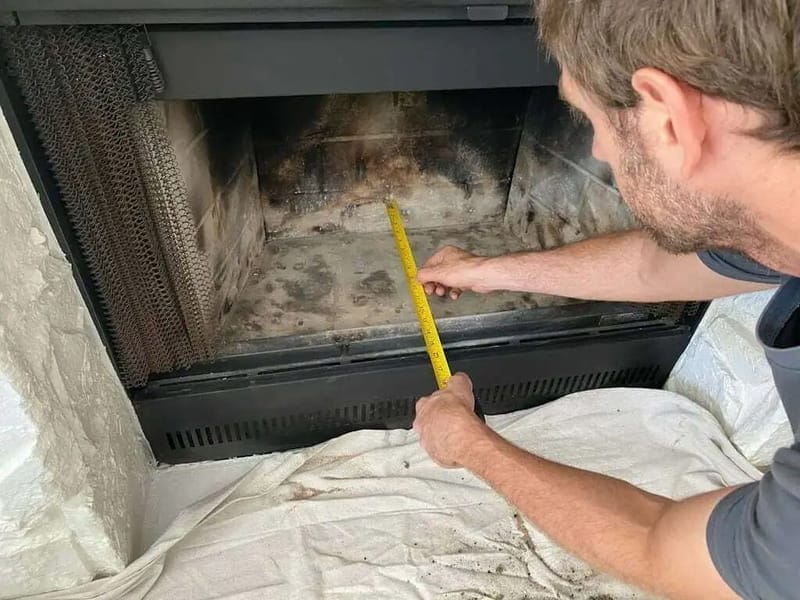
First, professionals will assess your existing fireplace structure to determine if it's suitable for gas conversion. They'll examine the chimney, the surrounding area, and the overall integrity of the unit. If you have a masonry fireplace, they might need to install a new gas line or modify the existing one. For prefab units, the process is usually simpler but still requires proper installation techniques.
The most significant change involves removing the wood-burning components entirely. This includes taking out the firebox, adjusting the hearth, and potentially modifying the flue system. Then comes the installation of the gas log set or insert, along with necessary safety features like automatic shut-off valves and pilot lights.
Most importantly, the conversion must comply with local building codes and gas regulations. These aren't just suggestions – they're essential requirements that ensure your safety and the legality of the installation.
Types of Gas Fireplace Options Available
Not all gas conversions are created equal. There are several approaches depending on your needs and existing setup:
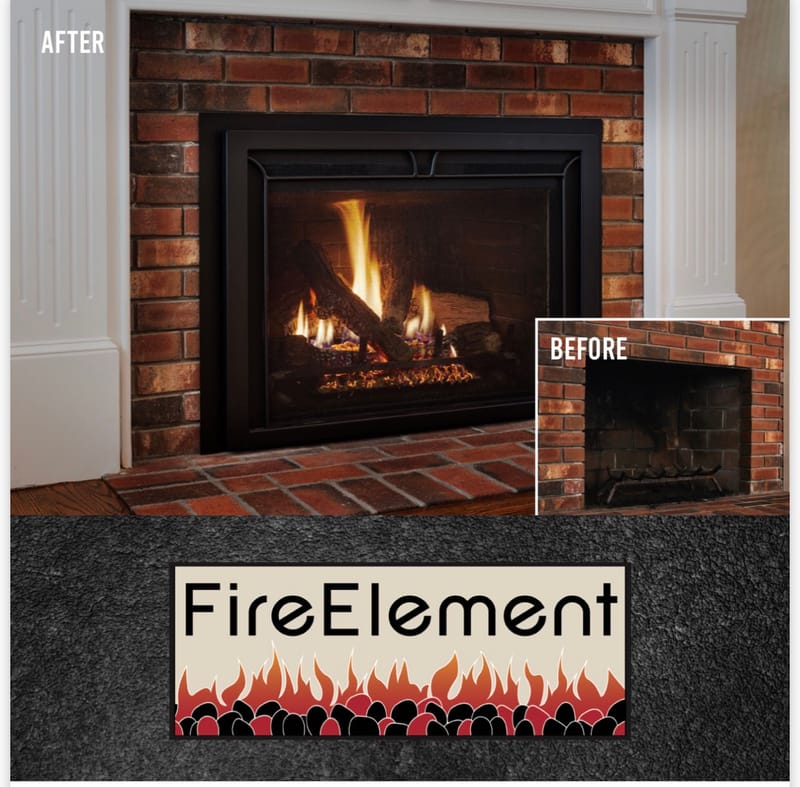
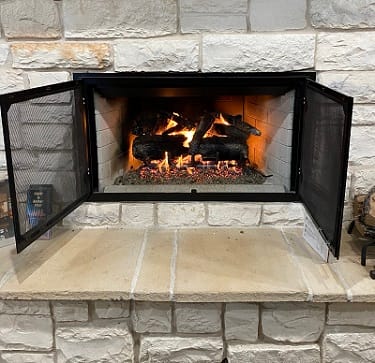
Gas Log Sets: These are the most common and cost-effective option. They fit into existing wood-burning fireplaces and require minimal structural changes. Simply remove the wood-burning components and install the gas log arrangement. They're perfect for homeowners wanting to maintain their original fireplace appearance while gaining gas convenience.
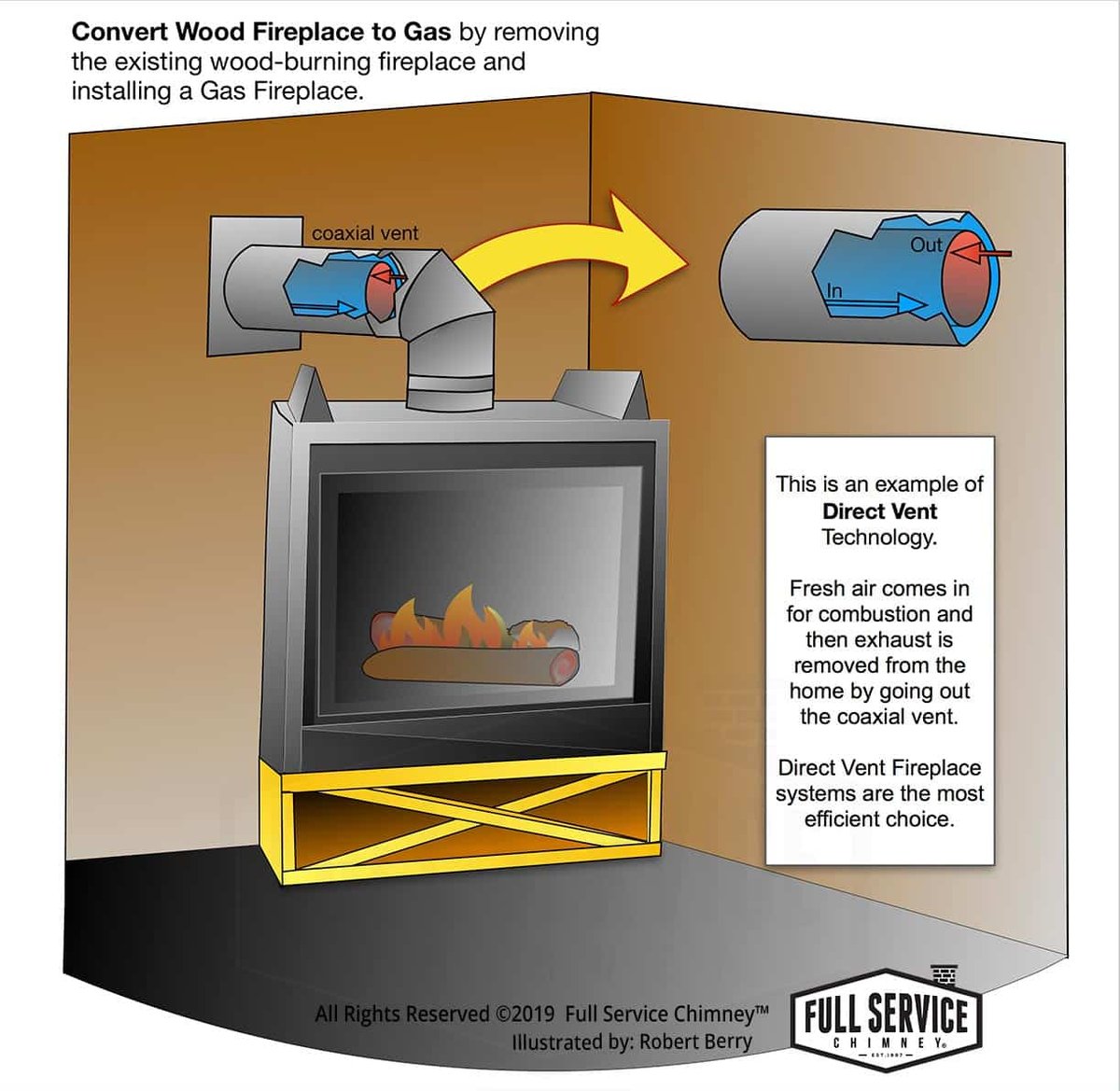
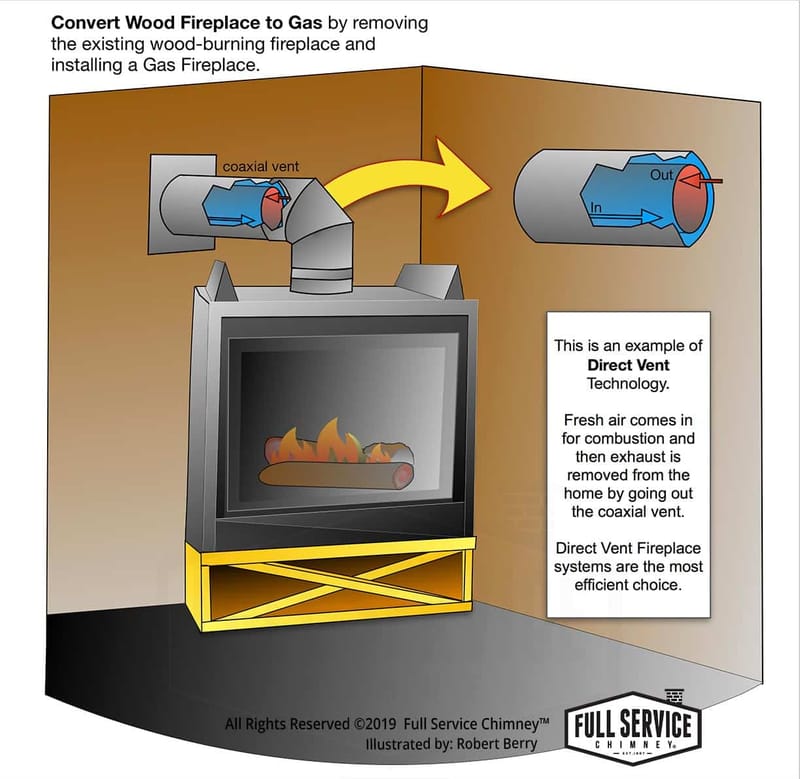
Direct Vent Inserts: These are full replacements for wood fireplaces. They're built to work with gas and include sealed combustion systems that draw air from outside and exhaust fumes directly outdoors. They're more expensive but offer superior efficiency and safety.
Bypass Inserts: Designed for older masonry fireplaces that lack proper ventilation. These units redirect the existing chimney to work with gas rather than wood.
Each option has its pros and cons. Some are more affordable upfront, others offer better performance over time. The right choice depends on your home's layout, budget, and desired outcome.
Cost Considerations and Budget Planning
Converting your fireplace to gas definitely costs money, but it's important to think about the long-term value. Here's what you should expect:
These prices vary based on location, complexity of installation, and whether additional work is needed. Don't forget to factor in:
While the initial investment might seem high, consider this: you're eliminating annual chimney cleaning costs, reducing fire risks, and enjoying a more efficient heating source. Many homeowners find that the savings on wood and maintenance quickly offset the conversion cost. Plus, a gas fireplace can increase your home's resale value.
Safety and Code Compliance Requirements
This is perhaps the most critical aspect of any fireplace conversion project. Safety isn't something to take lightly when dealing with gas appliances. Every state and municipality has specific requirements that must be followed.
First, you'll need to obtain permits before starting work. These aren't optional – they're required for legal and safety reasons. The permit ensures that your installation meets local building codes and that inspectors will verify everything works correctly.
Gas lines must be installed by licensed professionals who understand pressure requirements and safety protocols. Improper installation can lead to dangerous gas leaks or even explosions. The gas line itself should be properly sized for your fireplace's BTU requirements.
Additionally, you'll need proper ventilation. Even though gas fireplaces don't produce smoke, they still generate combustion gases that must be safely vented. This often means installing a new flue or modifying the existing one.
Many areas require annual inspections for gas appliances, similar to how you'd service a furnace. This ongoing commitment to safety makes the initial investment worthwhile.
Making the Right Choice for Your Home
Choosing between different conversion options requires careful consideration of several factors:
Existing fireplace type: Masonry fireplaces often work well with direct vent inserts, while prefabricated units may be better suited for gas log sets.
Home layout: If you have adequate space around the fireplace and good access to gas lines, the conversion process becomes much smoother.
Related Posts

Unveiling the Timeless Charm of Black and White Striped Patio Um

Unpacking the Truth About Walking on Pool Covers Your Essential

Mastering the Art of the Perfect Pool Party Experience A Guest's Guide

Understanding the Pink Slime in Your Pool What It Is and How to Tackle It

Keeping Your Concrete Patio Happy and Safe Around the Fire Pit

Transforming Your Corner Lot A Masterclass in Curb Appeal
Budget constraints: Gas log sets are typically the most affordable option, while full inserts offer the best performance but cost more.
Future plans: If you're considering selling your home soon, a gas fireplace upgrade might add significant value to your property.
Personal preferences: Do you want the realism of wood flames or the clean lines of modern design? Do you prefer the flexibility of remote control operation?
It's worth consulting with multiple professionals to get different perspectives. Some contractors might recommend one approach over another based on their experience with similar installations in your area. Remember, the goal isn't just to complete the conversion – it's to make the right choice for your specific situation.
Converting from a wood-burning to a gas fireplace represents more than just a simple upgrade – it's a thoughtful investment in your home's future. You're trading the labor-intensive nature of wood burning for the reliability and convenience of modern gas technology. While the upfront costs may seem significant, the long-term benefits of reduced maintenance, improved safety, and increased home value make this transformation worthwhile for many homeowners.
The key is choosing the right approach for your unique situation. Whether you go with a simple gas log set or invest in a full direct vent insert, the end result should be a fireplace that enhances your daily life. Think about your priorities – safety, efficiency, aesthetics, or value – and let those guide your decision.
Remember, this isn't a DIY project for everyone. Professional installation ensures compliance with codes, safety standards, and optimal performance. Once completed, you'll enjoy the warmth and ambiance of your fireplace without the hassle of wood storage, ash cleanup, or chimney maintenance.
Ultimately, converting your fireplace to gas is about creating a better home experience. It's about making your evenings more comfortable, your mornings less stressful, and your house more appealing to potential buyers. So if you've ever wondered whether it's worth it to make the switch, the answer is probably yes – especially if you're ready to embrace modern convenience without sacrificing the joy that fireplaces bring.
