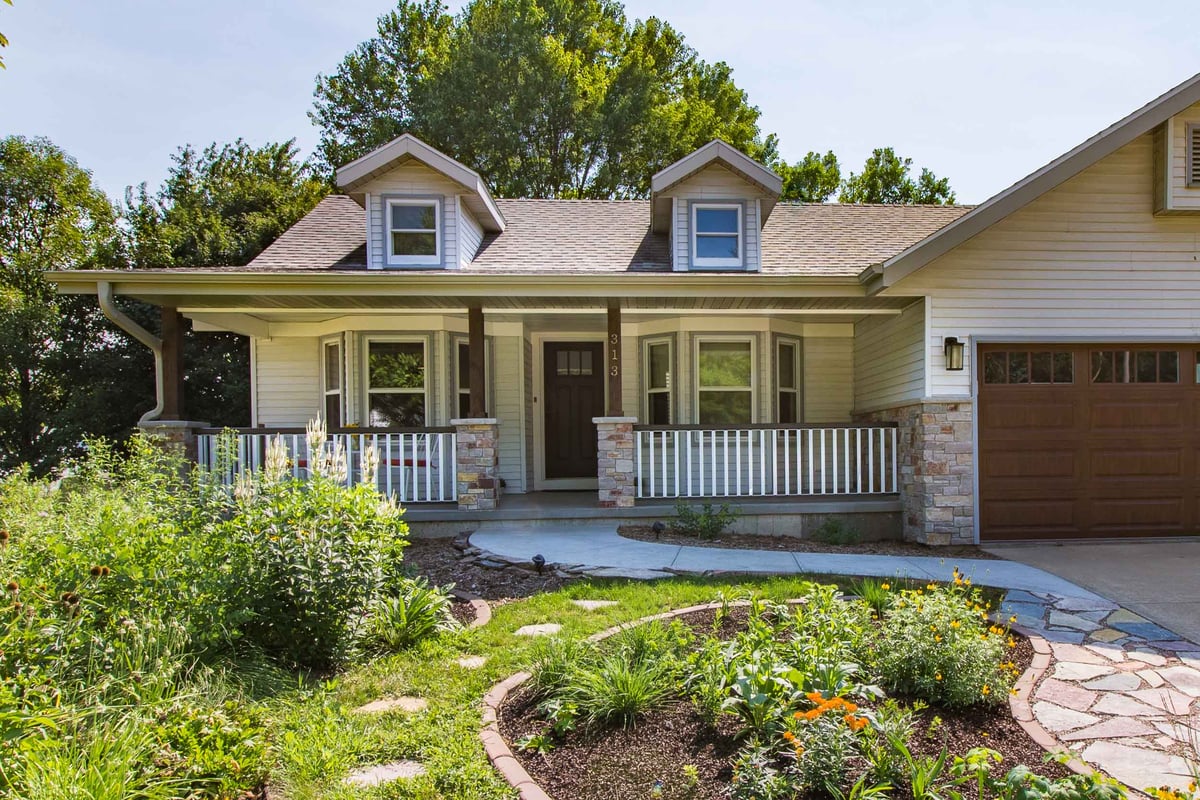
There's something magical about a well-designed front porch that makes a ranch house feel welcoming and homey. Whether you're looking to add curb appeal, create a gathering space, or simply enjoy more outdoor time, adding a porch can be one of the most rewarding home improvements you'll make. But where do you start? What factors matter most? How much will it cost? And what's the best way to approach the project? We'll walk you through everything you need to know to successfully add a front porch to your ranch house.
Ranch houses have that classic, laid-back charm that many homeowners love, but they often lack the traditional porch elements that make homes feel more inviting. Adding a front porch isn't just about aesthetics—it's about creating a functional space that enhances your lifestyle. Imagine having a place to sit with morning coffee, host family gatherings, or simply enjoy the outdoors. A porch adds character to your home while increasing its value. The key is understanding how to properly plan and execute this addition so it complements your existing structure rather than clashes with it.
Understanding Your Ranch House Structure
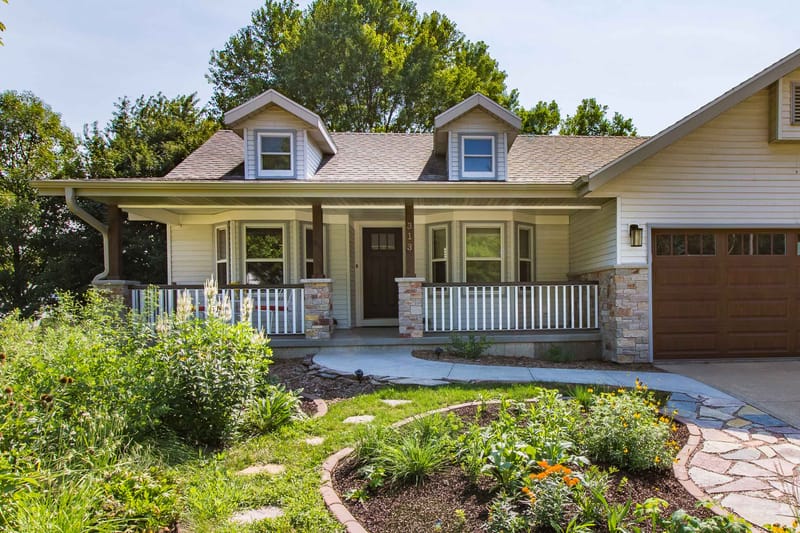
Before you even think about building a porch, you need to understand your house's foundation and layout. Ranch houses typically feature a single story with a long, low profile. This means your porch needs to respect the overall design language of the home. Check if your house has a concrete slab foundation or a basement. The type of foundation affects how you'll attach the porch to your main structure. Look at the existing roofline and determine whether you want a covered or open porch. Consider the direction your house faces and how that impacts sun exposure and weather protection. Also, measure the width of your front entrance and the available space for the porch. Some ranch houses have wide front doors that might benefit from a larger porch footprint.
Planning Your Porch Design
Designing a porch is like planning a new room—it requires careful thought about function, style, and space. Start with what you want to use it for. Do you want it for entertaining guests, quiet reading, or just enjoying outdoor meals? Your intended use will guide the size and layout. Think about the style that matches your ranch house. Traditional ranch porches often feature simple, clean lines with square or rectangular designs. Consider the materials you want to use—wood, composite, or brick. The height of the porch steps matters too; they should be comfortable for all family members. For a more modern look, consider a deck-style porch with built-in seating. Don't forget to check local building codes for minimum porch dimensions and safety requirements.
Getting the Right Permits and Approvals
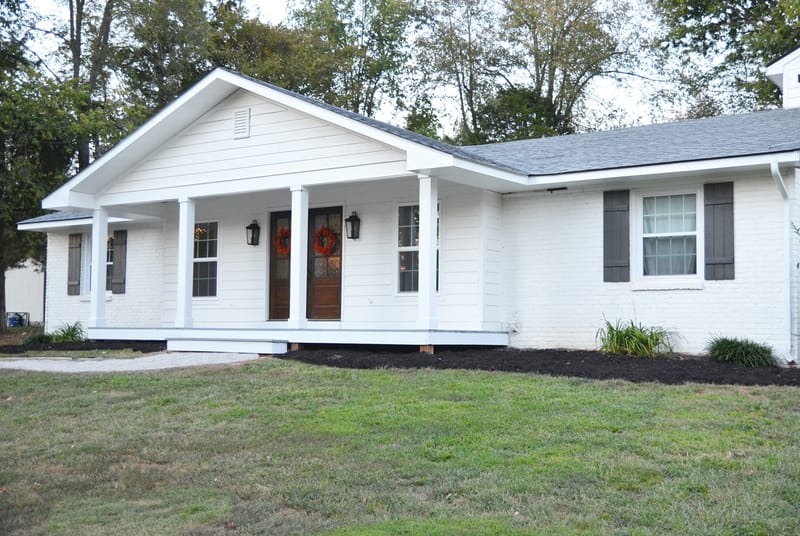
This step is often overlooked but absolutely essential. Before breaking ground, you'll need permits from your local building department. These permits ensure your porch meets structural and safety standards. Some areas require plans to be reviewed by engineers or architects, especially if you're adding a covered area or modifying load-bearing walls. You'll also need to check if there are restrictions on your property regarding setbacks from the street or neighboring properties. Local zoning laws might affect the height or design of your porch. Don't skip this step—building without proper permits can lead to costly legal issues and may even prevent you from selling your home later.
Choosing Materials That Work Well
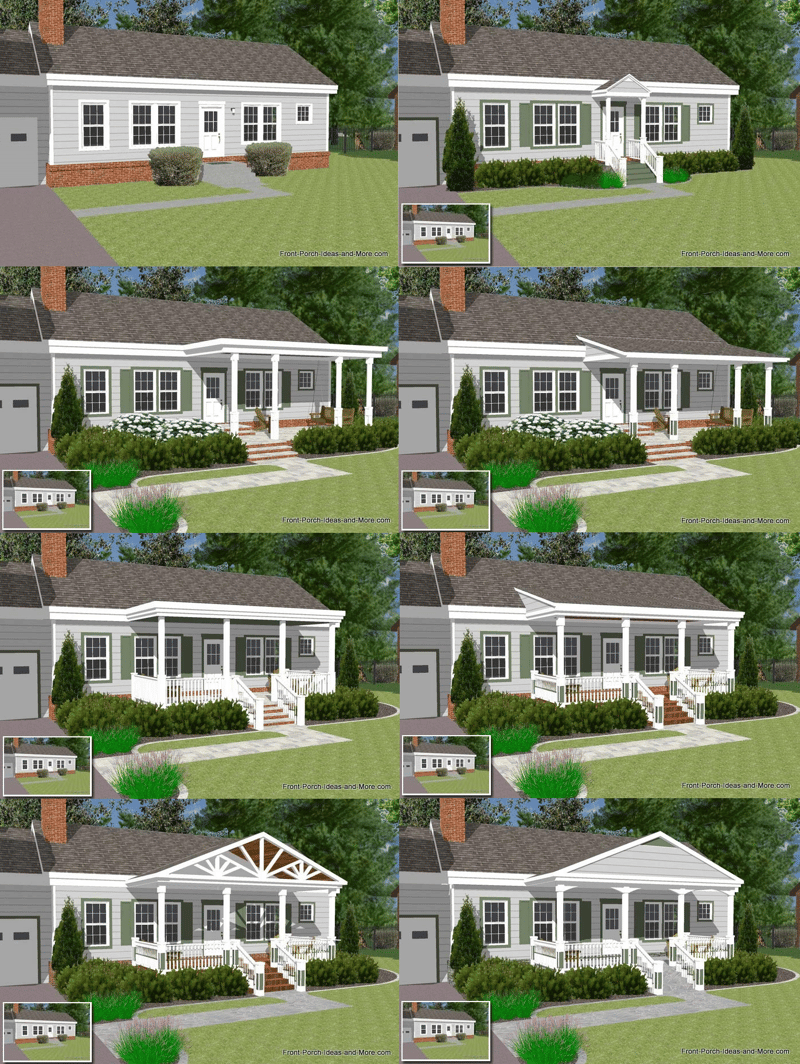
The materials you select will impact both the appearance and longevity of your porch. Wood remains popular because it offers warmth and classic appeal, but it requires regular maintenance. Cedar and redwood are excellent choices for their natural resistance to insects and decay. Composite materials are increasingly favored because they mimic wood but require less upkeep. They're resistant to rot, insects, and weather damage. If you want a more modern look, consider using brick or stone for the foundation and steps. Aluminum or steel framing works well for the structure itself. When selecting materials, factor in local climate conditions and your ability to maintain them over time. Remember that some materials, like pressure-treated lumber, are more affordable upfront but may need replacement sooner than premium options.
Structural Considerations and Foundation Work
A porch must be structurally sound to support its weight and withstand weather forces. If you're adding a porch to an existing ranch house, you'll need to determine how it connects to the main structure. The connection point is critical—the porch must transfer loads properly to avoid settling issues. For attached porches, the beam system needs to be designed to handle both live loads and wind forces. If you're building a detached porch, you'll still need to consider how it interfaces with your existing foundation. The footings must go deep enough to resist frost heaving and provide adequate bearing capacity. Soil conditions play a big role in determining footing depth and type. In some cases, you might need to reinforce the existing foundation or install additional support beams.
Installation Process and Timeline
The actual construction process varies depending on the complexity of your porch design and local conditions. Typical timeline ranges from 2-6 weeks for a basic porch installation. Start with site preparation—clearing vegetation and leveling the ground. Next comes the foundation work, which includes digging footings and pouring concrete. Once the foundation is set, you can begin framing the structure. This involves installing support posts, beams, and joists according to your blueprints. After the frame is complete, you'll add the decking material and finish the exterior. Weather delays can push timelines back, so build in some extra time. Professional contractors typically handle most of the heavy lifting, but if you're doing some work yourself, keep in mind that electrical and plumbing connections require special attention.
Cost Factors and Budget Planning
Related Posts

Unveiling the Timeless Charm of Black and White Striped Patio Um

Unpacking the Truth About Walking on Pool Covers Your Essential

Mastering the Art of the Perfect Pool Party Experience A Guest's Guide

Understanding the Pink Slime in Your Pool What It Is and How to Tackle It

Keeping Your Concrete Patio Happy and Safe Around the Fire Pit

Transforming Your Corner Lot A Masterclass in Curb Appeal
Budgeting for a porch addition can vary widely based on several factors. On average, expect to spend between $15,000-$40,000 for a standard ranch house porch. The price depends heavily on materials, size, and labor costs in your area. Basic wood porches tend to cost less upfront but may require ongoing maintenance. High-end materials like composite or custom designs will increase costs significantly. Labor typically accounts for 40-60% of total costs, so hiring experienced professionals is important. Don't forget to budget for permits, inspections, and potential unexpected issues like underground utilities. It's wise to add 10-20% to your initial estimate for unforeseen expenses. Consider financing options if you're planning a major upgrade.
Maintenance Tips for Longevity
A porch that's well-maintained will serve you for decades. Regular cleaning is essential—remove debris, sweep regularly, and wash surfaces periodically. Wood porches need annual sealing or staining to protect against moisture and UV damage. Check for loose boards or nails and repair promptly. Inspect the foundation for cracks or settling signs. Weatherproofing is crucial—make sure gutters direct water away from the porch area. Address any drainage issues immediately to prevent water damage. Seasonal maintenance includes checking the condition of railings, ensuring proper lighting, and replacing worn components. Keeping a maintenance log helps track when things were last done and what needs attention next.
Common Mistakes to Avoid
Even experienced homeowners can make errors during porch installation. One common mistake is underestimating the importance of proper drainage around the porch. Water pooling near the foundation can cause serious structural problems. Another frequent error is ignoring local building codes and regulations. This can result in expensive corrections or even removal of the porch. Choosing inappropriate materials for your climate zone leads to premature deterioration. Many people also overlook the need for adequate lighting and electrical outlets. Poor planning of the connection point between porch and house can cause alignment issues. Finally, failing to account for utility locations before excavation can lead to costly damage to gas, water, or electrical lines.
Maximizing Your Porch Investment
A well-planned porch adds both aesthetic and financial value to your home. Consider how your porch fits into your overall outdoor living strategy. Will it connect to your backyard space or serve as a standalone area? Think about future modifications—can you easily expand the porch later? The porch should complement your existing landscaping and outdoor features. Plan for seasonal changes—what happens during winter months? Consider how the porch will fit with your neighborhood's architectural style. A thoughtful porch design can increase your home's market value by 5-10%. Make sure your porch is functional for daily use, not just for show. The investment pays off through increased enjoyment and potential resale value.
Adding a front porch to your ranch house is more than just a home improvement project—it's an opportunity to enhance your lifestyle and create lasting memories. With proper planning, the right materials, and attention to detail, you can build a porch that perfectly complements your existing home. Remember that this is a significant investment, so take your time with each decision. Whether you choose to tackle parts of the project yourself or hire professionals, focus on creating a space that reflects your personality and meets your practical needs. The end result should feel like a natural extension of your home, providing comfort and beauty for years to come. A well-executed porch addition transforms not just the appearance of your ranch house, but the way you experience and enjoy your living space.
