
When you're planning a new patio or walkway, the foundation matters more than you might think. Sure, you want beautiful pavers that look great, but without proper groundwork, even the most stunning stones will end up looking like a disaster. The secret ingredient that often gets overlooked? Crushed gravel.
Picture this: you've carefully selected your pavers, designed the perfect layout, and everything looks magnificent on paper. But when you start laying them out, something goes wrong. The surface isn't flat, the stones are wobbly, and you're wondering what went wrong. Often, the culprit isn't the pavers themselves, but what's underneath them. A good base layer can mean the difference between a project that lasts decades and one that needs constant repairs. Crushed gravel isn't just another material in your toolbox - it's the unsung hero of successful paver installations.
Why Crushed Gravel Works So Well
There's something special about crushed gravel that makes it ideal for paver bases. Unlike round stones or sand, crushed gravel has angular edges that interlock with each other. This creates a strong, stable foundation that won't shift around easily. Think of it like a puzzle where each piece fits perfectly with its neighbors. When you pour a layer of crushed stone, it compacts beautifully and forms a solid platform. The angularity also helps with drainage, allowing water to flow through rather than pooling on top. It's not just about strength - it's about creating a foundation that works with nature rather than against it.
Types of Crushed Gravel for Paver Projects
Not all crushed gravel is created equal, especially when it comes to paver applications. Here are the main types you'll encounter:

Each type has its strengths, and choosing the right one depends on your specific needs, budget, and local conditions.
Size Matters: Choosing the Right Gravel Specifications
The size of your crushed gravel can make or break your project. Too large, and you'll have gaps that don't compact properly. Too small, and you'll end up with a weak base that shifts over time. The sweet spot for most paver installations is between 1/2 inch and 1 inch in diameter. This size range provides:
Many professionals recommend starting with a 1-inch maximum size. This gives you enough variety to fill spaces while maintaining structural integrity. You might see specifications like "3/4 inch minus" or "1 inch minus" - these numbers tell you the largest particle size allowed. Remember, the goal is a uniform layer that compacts well, not a pile of random sizes.
Preparing Your Site Before Laying Crushed Gravel
Before you even think about pouring that gravel, proper site preparation is essential. Start by clearing the area of grass, weeds, and debris. Then, check if the ground is level. If you're working on a slope, you may need to grade the area first. The soil should be firm enough to support the weight of your equipment and materials. A few key steps:
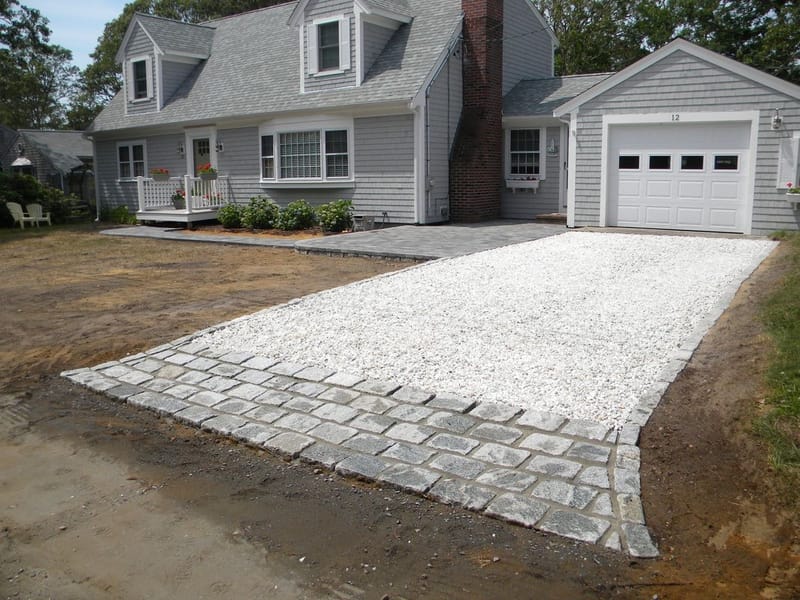
This groundwork ensures your crushed gravel will perform exactly as intended. Don't skip these steps - they're what separate amateur projects from professional results.
Proper Installation Techniques
Laying crushed gravel properly is both an art and a science. Here's how to do it right:
The key is patience. Rushing through this process leads to uneven surfaces and future problems. Take time to ensure each step is done correctly. Many experienced installers say that half their success comes from proper preparation, and the other half from taking their time during installation.
Common Mistakes and How to Avoid Them
Even experienced DIYers sometimes fall into these traps:
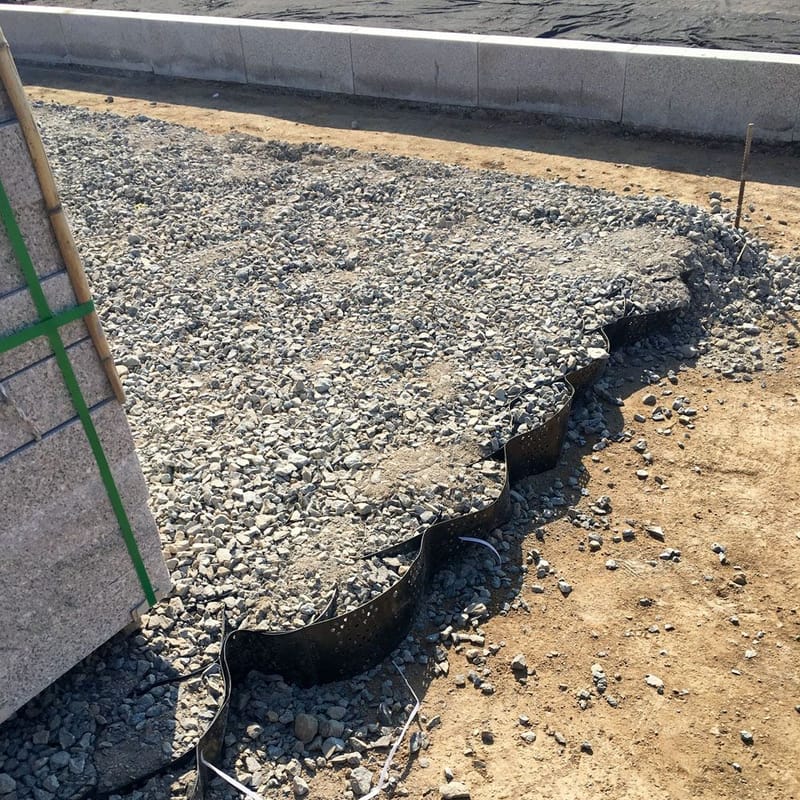
These aren't disasters waiting to happen - they're preventable problems that can be easily avoided with attention to detail and proper technique.
Maintenance and Longevity Benefits
Once installed correctly, a proper crushed gravel base can last decades with minimal maintenance. The key benefits include:
Regular inspections every few years can catch small problems before they become major issues. Look for signs of settling, water pooling, or loose areas. With proper care, your crushed gravel base will continue to provide a solid foundation for your pavers for many years to come.
Budget Considerations and Cost Savings
Crushed gravel might seem like a simple material, but there are several ways to manage costs effectively. Buying in bulk often saves money, and some suppliers offer delivery options that can reduce labor costs. Consider the following:
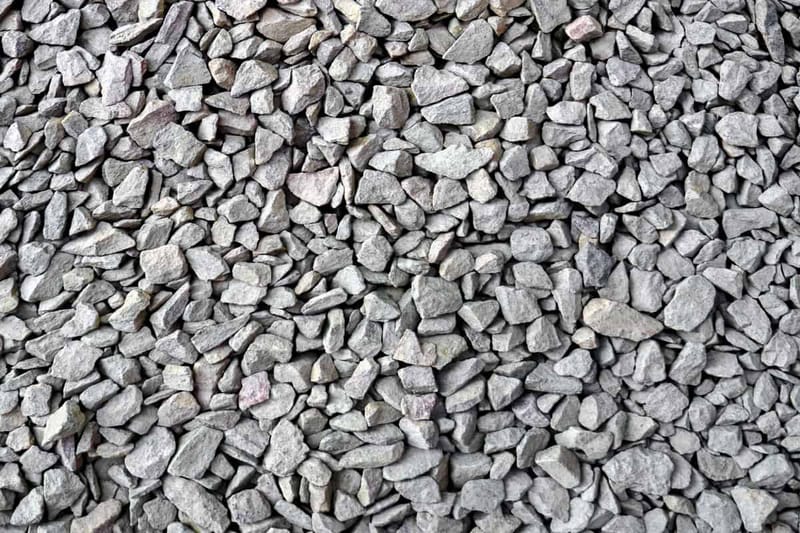
Remember that quality matters more than price. Investing in better materials now can save you money on repairs and replacements later. The cheapest option isn't always the best value in the long run.
Alternatives to Consider
While crushed gravel excels in most situations, it's worth knowing what else exists:
Each alternative has trade-offs. Sand is cheaper but doesn't provide the same stability. Concrete is very strong but expensive to install and difficult to modify later. Understanding these options helps you make informed decisions based on your specific situation and requirements.
Professional vs. DIY Installation
For smaller projects, many homeowners successfully install crushed gravel bases themselves. However, there are situations where professional help makes sense:
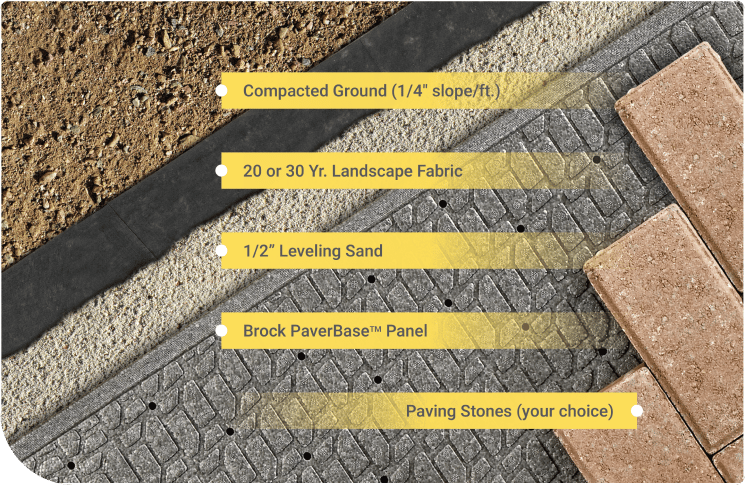
Related Posts

Unveiling the Timeless Charm of Black and White Striped Patio Um

Unpacking the Truth About Walking on Pool Covers Your Essential

Mastering the Art of the Perfect Pool Party Experience A Guest's Guide

Understanding the Pink Slime in Your Pool What It Is and How to Tackle It

Keeping Your Concrete Patio Happy and Safe Around the Fire Pit

Transforming Your Corner Lot A Masterclass in Curb Appeal
Professionals bring experience, proper equipment, and knowledge of local conditions. They can often spot issues that might escape a novice installer. But for simpler jobs, the skills required are fairly straightforward. Just remember that the investment in proper preparation pays dividends in the final result.
Environmental Impact and Sustainability
Modern crushed gravel production has evolved to be much more environmentally conscious. Many suppliers now use recycled materials, reducing demand for virgin quarrying. Some companies specifically market "green" options made from recycled concrete or other waste materials. These sustainable choices offer the same performance benefits while supporting environmental responsibility. Plus, a proper gravel base means fewer repairs and replacements over time, reducing overall material consumption.
Looking Ahead: Future Trends in Paver Base Materials
The industry continues evolving, with new products and techniques emerging regularly. Some trends to watch include:
These developments suggest that crushed gravel will remain a popular choice, but with improved methods and materials. Staying informed about these changes can help you make better decisions for your next project.
Crushed gravel for paver base isn't just another component in your construction project - it's the foundation upon which everything else rests. When chosen wisely and installed properly, it provides a stable, durable platform that supports your pavers for years to come. The key lies in understanding what works best for your specific situation, preparing thoroughly, and taking the time to do things right. Whether you're tackling a small backyard patio or a larger commercial space, investing in a quality gravel base is one of the smartest decisions you can make. Remember, a beautiful surface starts with a solid foundation. That foundation? It's often right beneath your feet, in that humble pile of crushed stone that many take for granted.
