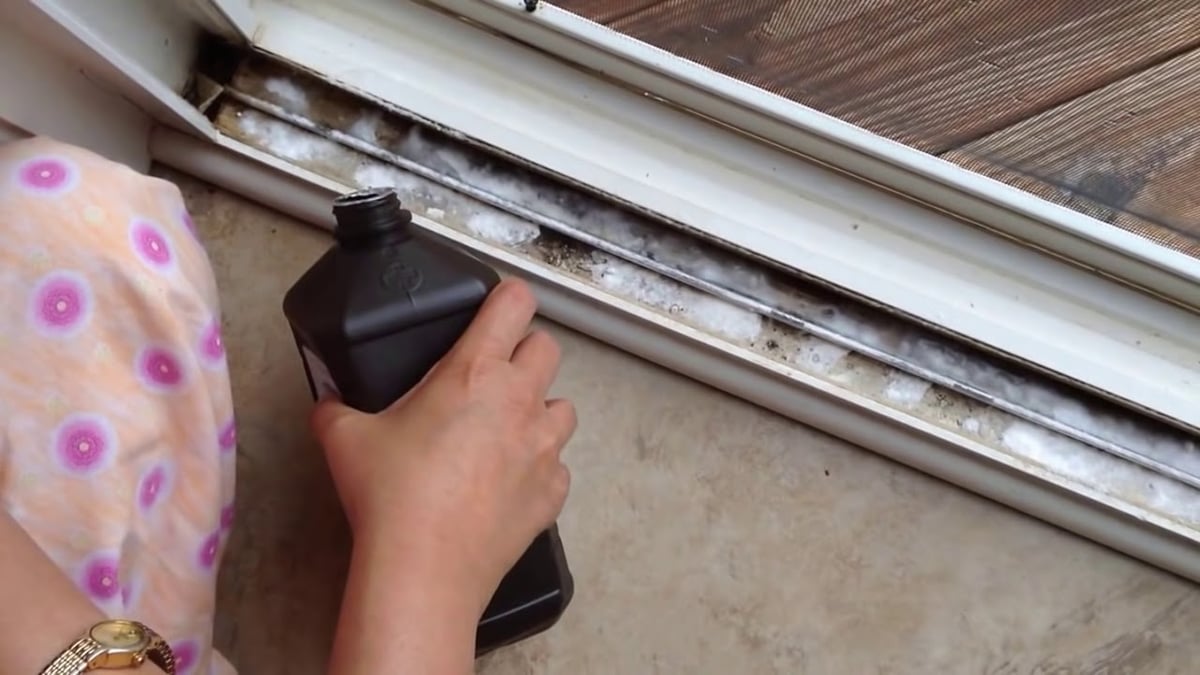
Have you ever noticed how your patio door starts sticking or making strange noises? It's probably not just the weather. The culprit might be clogged tracks that need some serious cleaning. These little spaces where your door slides back and forth can become havens for dirt, debris, and grime that's harder to spot than you'd think. What seems like a simple maintenance task turns out to be a crucial part of keeping your home's entryway functioning properly.
We all know how important it is to keep our homes clean, but sometimes we overlook the small details that make a big difference. Patio door tracks are one such detail. They're often forgotten until they start causing problems. But when those tracks get clogged with leaves, sand, and other debris, they can make even the simplest door opening a chore. Imagine trying to slide your door open only to have it jam or catch halfway. That's exactly what happens when tracks aren't properly maintained. This guide will walk you through everything you need to know to restore those tracks to their pristine condition.
Why Track Cleaning Matters More Than You Think
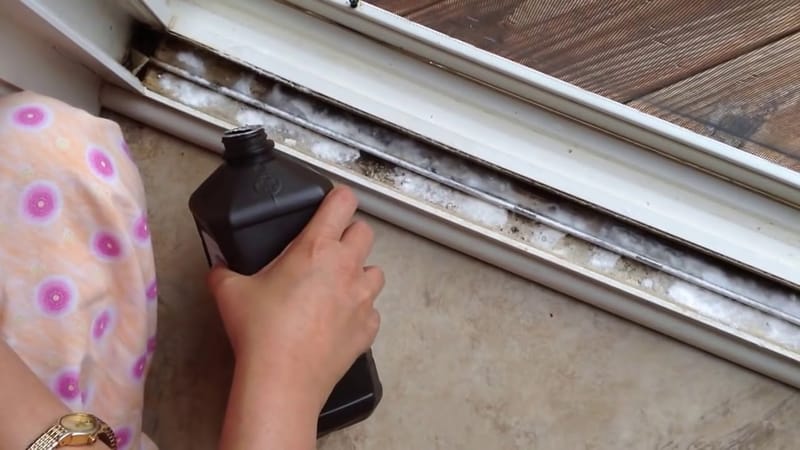
Patio door tracks aren't just for looks – they're the foundation of smooth operation. When they're clean, your doors glide effortlessly. When they're dirty, you're dealing with resistance, noise, and potential damage. Consider how much time and energy you waste trying to open a stuck door. Now imagine if you could prevent that from happening altogether. That's the power of regular track maintenance. People often don't realize how much wear and tear occurs simply from everyday use. Sand, leaves, pet hair, and even tiny pebbles can accumulate over time, creating a rough surface that makes sliding difficult. It's not just about aesthetics – it's about function, safety, and preventing costly repairs down the road.
What You'll Need for the Job
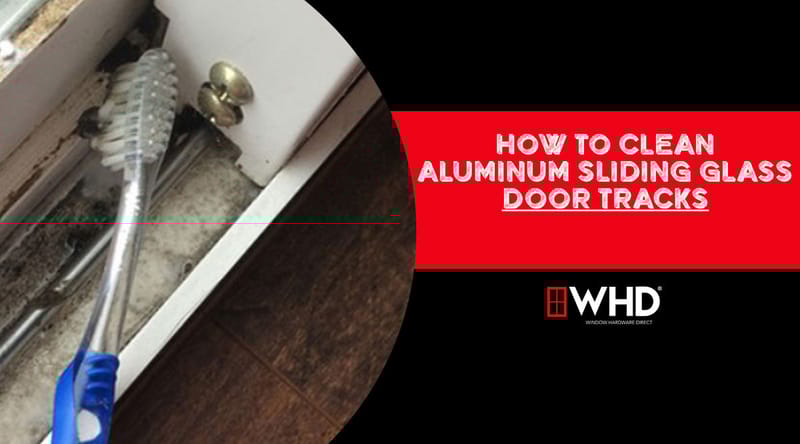
Before diving into cleaning, gather these essential supplies:
You might also want to have some lubricant ready, like silicone spray or petroleum jelly, though we'll cover that later. The beauty of this process is that most of these items are already in most households. No need to buy special equipment unless you want to. Some people prefer using a mixture of baking soda and water for stubborn grime, while others swear by commercial degreasers. The key is having the right tools for the job, but remember – simplicity often works best.
Step-by-Step Cleaning Process
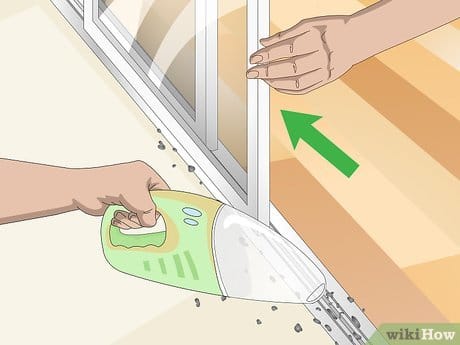
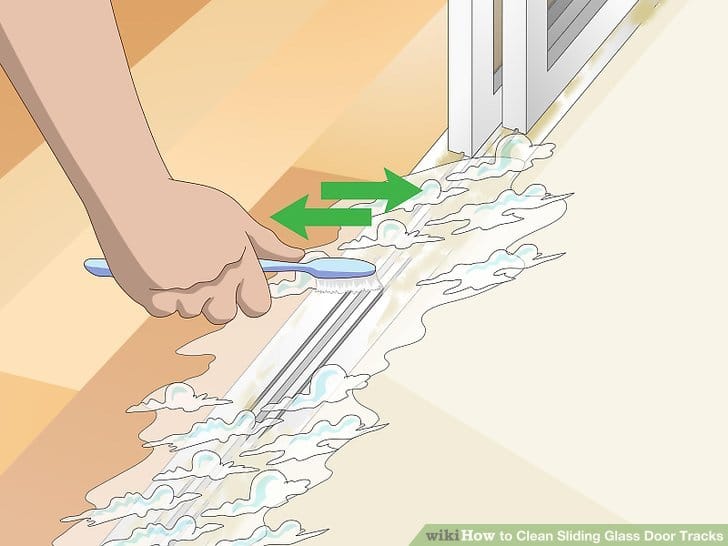
The cleaning process isn't rocket science, but it does require attention to detail. Start by removing any visible debris with your hands or a vacuum. Then apply your chosen cleaning solution directly to the tracks. Let it sit for a few minutes to break down buildup. Use the brush to scrub away loosened dirt and grime. Pay extra attention to corners and crevices where debris tends to hide. After scrubbing, wipe away the cleaning solution with a damp cloth. Make sure to dry thoroughly afterward to prevent water spots. This step-by-step approach ensures you don't miss anything critical. Some people find success in doing this every three months, while others prefer monthly checks during heavy usage periods.
Dealing with Stubborn Buildup
Related Posts

Unveiling the Timeless Charm of Black and White Striped Patio Um

Unpacking the Truth About Walking on Pool Covers Your Essential

Mastering the Art of the Perfect Pool Party Experience A Guest's Guide

Understanding the Pink Slime in Your Pool What It Is and How to Tackle It

Keeping Your Concrete Patio Happy and Safe Around the Fire Pit

Transforming Your Corner Lot A Masterclass in Curb Appeal
Sometimes tracks have built up a thick layer of grime that won't budge with regular cleaning. In these cases, you might need to get more aggressive. A paste made from baking soda and water can work wonders on tough spots. Apply it, let it sit for fifteen minutes, then scrub with a stiff brush. For really stubborn areas, a small amount of acetone or nail polish remover can help dissolve grease and oil residues. Just be careful when using these stronger solutions – they're powerful and can damage certain materials if used incorrectly. Always test on a small area first. Some people find that soaking tracks in a vinegar solution overnight provides better results for deeply embedded grime. The key is patience and persistence, especially when dealing with tracks that haven't been cleaned in a while.
Lubrication: The Final Step
Once tracks are clean, proper lubrication is essential for smooth operation. Silicone-based lubricants work well because they don't attract dirt like oils do. Apply a thin coat along the entire length of each track, moving the door back and forth to distribute evenly. Some people prefer using a small amount of petroleum jelly or even a bar of soap for lubrication. The idea is to create a smooth surface that allows the door to move freely. Don't overdo it – a little goes a long way. Too much lubricant can actually attract more dirt and debris. The result should be a door that moves smoothly without any sticking or squeaking. This final step transforms a frustrating experience into effortless operation.
Prevention Tips for Long-Term Success
Cleaning tracks regularly prevents major issues down the road. Here are some ways to maintain them:
Think of track maintenance like brushing your teeth – it's easier and more effective when done regularly. People who make cleaning tracks part of their routine report fewer problems and less frustration. Prevention saves both time and money. Plus, you'll appreciate how much smoother your doors operate when they're properly maintained. The investment in regular care pays off quickly in convenience and peace of mind.
Cleaning patio door tracks might seem like a small task, but it's one that can make a huge difference in your daily life. Those tracks may be hidden from view, but they're essential for smooth, quiet operation. By taking the time to properly clean and maintain them, you're investing in your home's functionality and longevity. Don't wait until your door becomes difficult to open before addressing track issues. Make it part of your regular home maintenance routine. The end result is a door that operates flawlessly, a home that feels more comfortable, and less stress when it comes to daily tasks. Your future self will thank you for the extra effort now. Remember, a little maintenance today prevents major headaches tomorrow.
