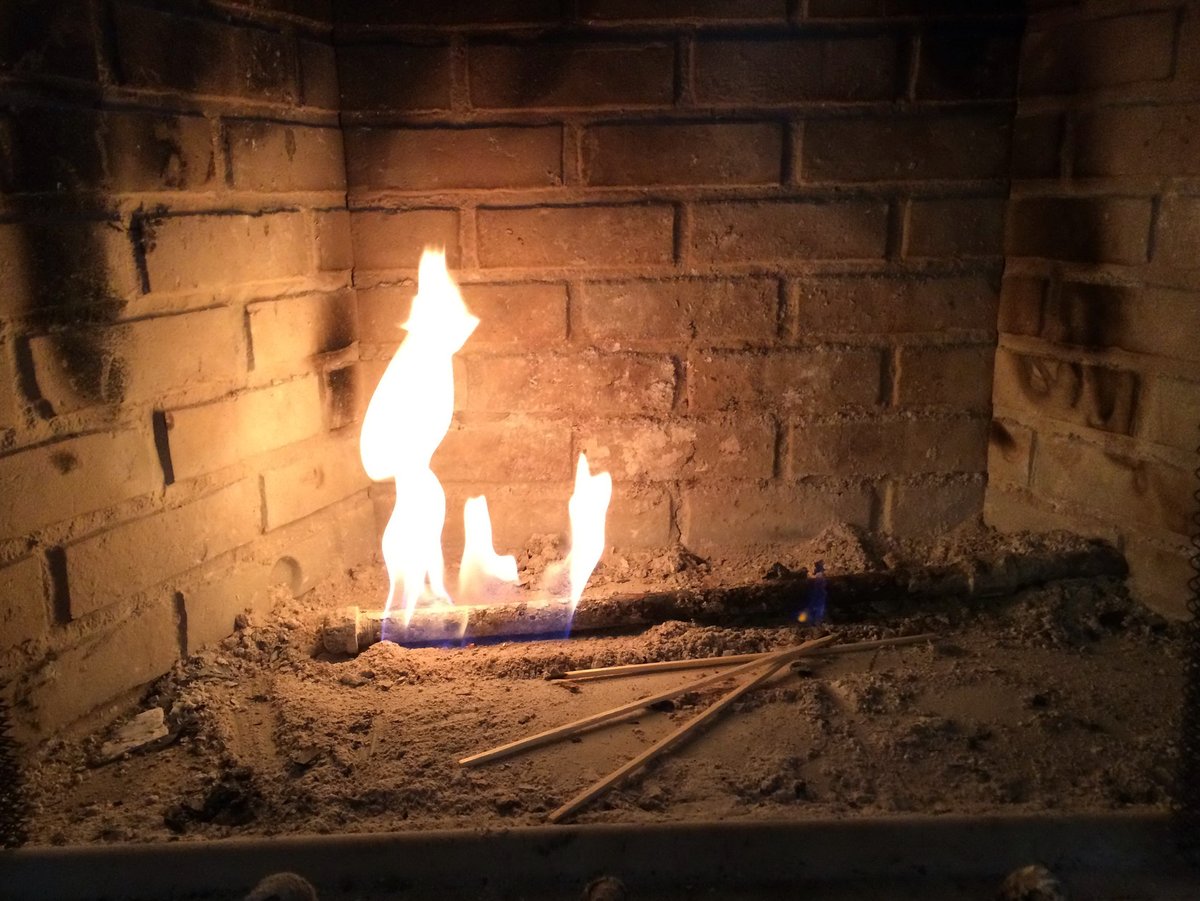
Picture this: the crackling sound of burning logs fills your living room, the golden glow dancing across the walls, and the familiar scent of wood smoke wafting through the air. Now imagine having the convenience of a gas lighter at your fingertips. This isn't just a fantasy – it's becoming a reality for many homeowners seeking the best of both worlds.
Fireplaces have been the heart of homes for centuries, providing warmth, light, and that special ambiance that makes a house feel like a home. But let's face it – starting a traditional wood fire can be a hassle. Enter the wood burning fireplace with gas starter, a game-changing innovation that combines the classic appeal of wood flames with the ease of modern technology. Whether you're a seasoned fireplace owner or someone considering adding one to their home, understanding how these systems work can transform your approach to fireplace enjoyment.
What Is a Wood Burning Fireplace with Gas Starter?
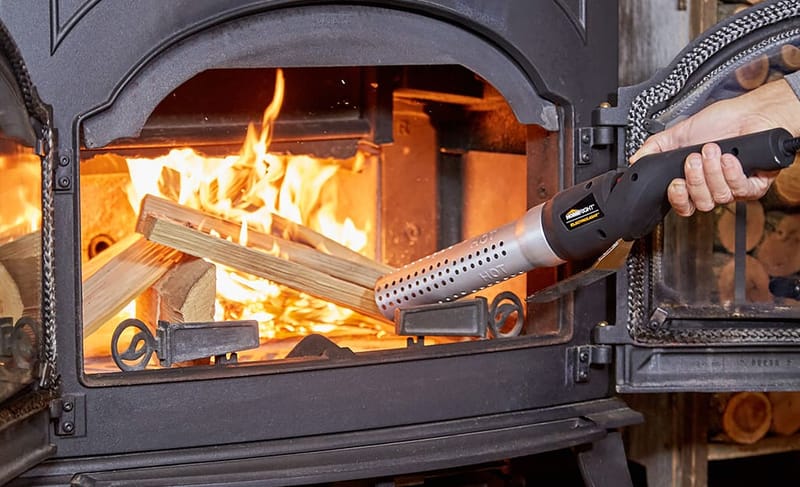
At its core, a wood burning fireplace with gas starter is a traditional fireplace setup that incorporates a gas ignition system. Instead of relying solely on matches, kindling, or a fireplace poker to get those flames going, you have the option to ignite your wood fire using a simple push-button or dial. This doesn't mean you're abandoning the wood entirely – rather, you're enhancing the experience with a little technological help.
The gas starter typically works by delivering a small amount of natural gas or propane directly to a pilot light or ignition point near your fireplace. When activated, it creates a controlled flame that helps light your wood logs more easily and reliably than ever before. Some models even feature electronic ignition systems that eliminate the need for manual lighting altogether.
This hybrid approach means you can enjoy all the benefits of a real wood fire – the authentic look, the warm glow, the satisfying sound – while minimizing the effort required to start and maintain the fire.
Benefits of Using Gas Starters with Wood Fires
The advantages of incorporating a gas starter into your wood burning fireplace extend far beyond just convenience:
Consider the scenario of a cold winter morning when you want to start a fire but the weather is less than ideal. With a gas starter, you don't need to worry about wet newspaper or difficult-to-light tinder. The gas ignites instantly, giving you that comforting flame you crave without the frustration of failed attempts.
How Gas Starters Work with Wood Logs
The integration between gas starters and wood burning requires some careful consideration and proper installation. Most gas starters for wood fireplaces operate through a dedicated gas line that connects to a small gas valve located near the fireplace opening.
When activated, the gas flows through a specially designed burner or pilot assembly that's positioned strategically to help ignite the wood. This system often includes:
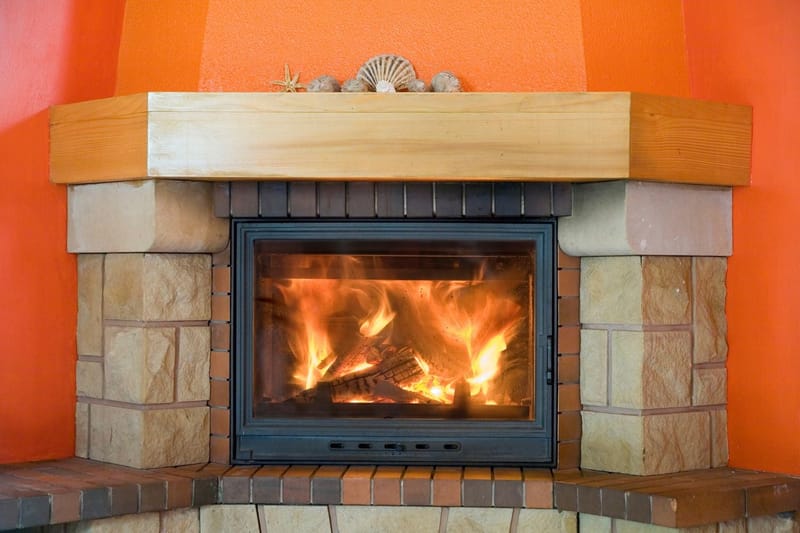
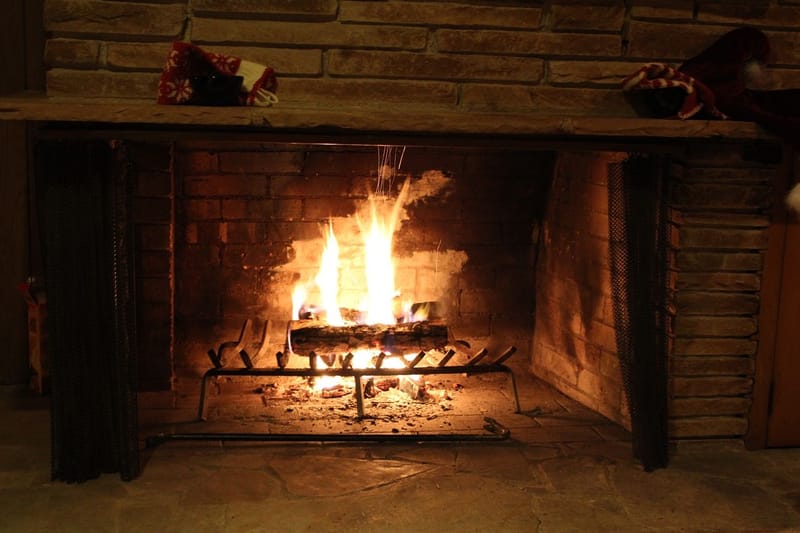
It's important to note that gas starters don't replace the need for wood – they simply make the process of getting the wood burning easier. The wood still provides the majority of heat and the characteristic appearance of a traditional fireplace. The gas acts more like a catalyst or helper, ensuring that your wood fire gets started quickly and efficiently.
Many homeowners find that they use the gas starter primarily for initial lighting, then switch to relying purely on the wood once the fire is established. This approach gives them the best of both worlds – the reliability of gas ignition and the authenticity of wood burning.
Installation Considerations
Installing a gas starter system in your wood burning fireplace involves several important factors to consider:
Professional installation is essential – This isn't a DIY project for most people. Proper gas line connections require expertise to ensure safety and compliance with local building codes. A qualified technician needs to assess your existing fireplace setup and determine if modifications are needed.
Gas source requirements – You'll need either natural gas or propane available near your fireplace. If you don't already have gas lines, this adds complexity and cost to the installation process.
Ventilation concerns – The gas starter must be properly ventilated to prevent gas accumulation. This often means ensuring adequate airflow around the installation area.
Safety regulations – Local codes may require permits or inspections before installation. Some areas have specific rules about gas appliances in fireplaces.
Cost considerations – Expect to pay anywhere from $500 to $2,000+ for professional installation, depending on your location and the complexity of your setup. This investment often pays for itself through convenience and reduced fire-starting stress over time.
Before committing to installation, consult with professionals who specialize in fireplace systems to evaluate whether your particular setup is suitable for a gas starter addition.
Maintenance and Safety Guidelines
Proper maintenance ensures that your gas starter system continues to function safely and effectively. Here are key practices to follow:
Safety should always come first. Never attempt to repair gas components yourself unless you're specifically trained. Gas leaks pose serious risks including fire and carbon monoxide poisoning. If you notice unusual smells or sounds from your fireplace, turn off the gas supply immediately and contact a professional.
Additionally, remember that gas starters are designed to assist with wood fires, not replace them completely. The wood remains the primary fuel source, and the gas merely helps get things started. Understanding this relationship helps ensure proper usage and longevity of your system.
Choosing the Right System for Your Home
Not all gas starter systems are created equal. When selecting one for your wood burning fireplace, consider these key factors:
Compatibility with existing fireplace – Ensure the system fits your current fireplace design and dimensions. Some installations require specific types of mantels or hearths.
Fuel type preference – Decide whether you want natural gas (if available) or propane (which requires cylinders). Natural gas is generally more convenient but requires utility connections.
Related Posts

Unveiling the Timeless Charm of Black and White Striped Patio Um

Unpacking the Truth About Walking on Pool Covers Your Essential

Mastering the Art of the Perfect Pool Party Experience A Guest's Guide

Understanding the Pink Slime in Your Pool What It Is and How to Tackle It

Keeping Your Concrete Patio Happy and Safe Around the Fire Pit

Transforming Your Corner Lot A Masterclass in Curb Appeal
Ignition method – Options include manual push buttons, electronic ignition, or remote controls. Choose based on your comfort level and lifestyle needs.
Budget considerations – Factor in both initial costs and ongoing expenses such as gas bills and potential maintenance.
Local code compliance – Verify that any system you choose meets all local building and safety requirements.
Ease of use – Consider how often you'll use the system and whether you want something that's very simple to operate.
Some homeowners prefer the simplicity of a basic push-button system, while others opt for more sophisticated electronic controls that allow them to program timing or adjust flame height. The right choice depends largely on your personal preferences and how much you value convenience versus cost.
The wood burning fireplace with gas starter represents a thoughtful evolution in home heating and ambiance. It acknowledges that while we love the tradition and warmth of wood fires, we also appreciate the conveniences of modern life. Whether you're looking to make your fireplace more user-friendly, enhance safety in your home, or simply reduce the hassle of starting fires, this hybrid approach offers compelling advantages.
This technology doesn't diminish the beauty or authenticity of wood burning fireplaces. Instead, it enhances the experience by removing barriers that might otherwise keep people from enjoying their fireplace regularly. From busy families to elderly homeowners, anyone who wants to enjoy the comfort of a wood fire without the frustration of difficult starts can benefit from this innovation.
As with any significant home improvement, taking time to research, plan, and install properly is crucial. The investment in a quality gas starter system often pays dividends in convenience, safety, and enjoyment for years to come. So next time you think about starting a fire, remember that you might not need to struggle with matches or kindling anymore – the flame could be just a button press away.
