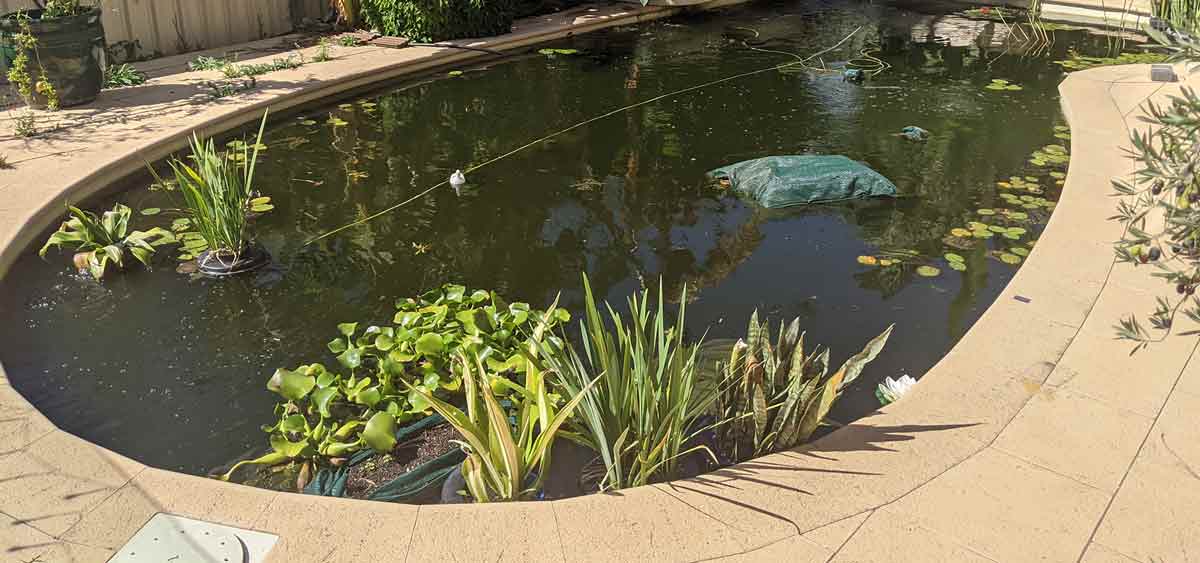
Imagine stepping into your backyard and seeing lily pads floating on still water, frogs hopping from stone to stone, and fish gliding silently beneath the surface. What if that peaceful scene could come from your old swimming pool? It's possible, and it's becoming more popular than ever. This transformation isn't just about aesthetics—it's about creating a sustainable ecosystem that brings joy to both humans and nature.
Pool owners across the country are discovering something unexpected: their swimming pools might actually be better suited for something completely different. The idea of converting a pool into a pond isn't new, but it's gaining momentum as people become more environmentally conscious and seek low-maintenance alternatives to traditional swimming pools. Whether your pool sits unused for months at a time or you're simply looking for a change from the chlorine smell, transforming it into a natural pond offers numerous benefits. From reducing maintenance costs to supporting local wildlife, the possibilities are endless.
Why Convert Your Pool?
The decision to convert a pool into a pond comes with several compelling reasons. First, consider the financial aspect. Maintaining a swimming pool requires constant attention—chemical balancing, cleaning, filter replacement, and repairs. A pond, while requiring some care, is far less demanding and much more cost-effective. Many pool owners save hundreds of dollars each month by switching to a pond.
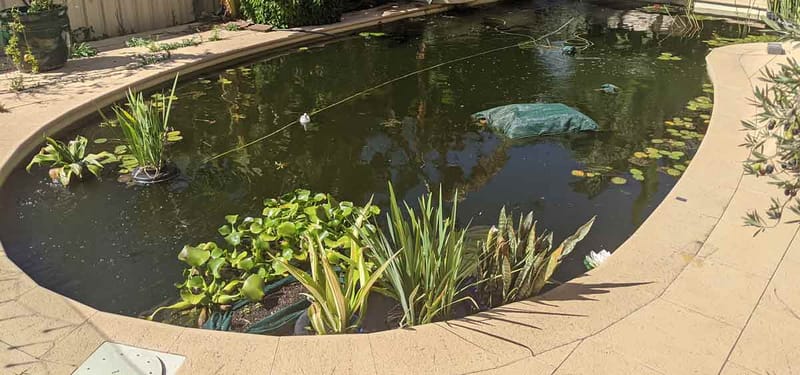
Beyond economics, there's the environmental angle. Ponds naturally filter water and support biodiversity. They create habitats for birds, amphibians, and beneficial insects. Instead of spending money on chemicals that can harm local ecosystems, you're investing in a system that works with nature rather than against it. Plus, many areas now have restrictions on pool chemicals, making the conversion even more appealing.
Think about it—what if your backyard could become a sanctuary for local wildlife while providing you with years of peaceful enjoyment? That's exactly what happens when you convert a pool into a pond.
Assessing Your Pool's Potential
Before diving into the conversion process, you'll want to evaluate your existing pool carefully. Start with the size and shape—most pools can be converted, though some may require more extensive work. Consider the depth too; a pond needs enough depth to support aquatic plants and provide winter protection for fish. Typically, 18 inches minimum is recommended for small ponds, though deeper is better.
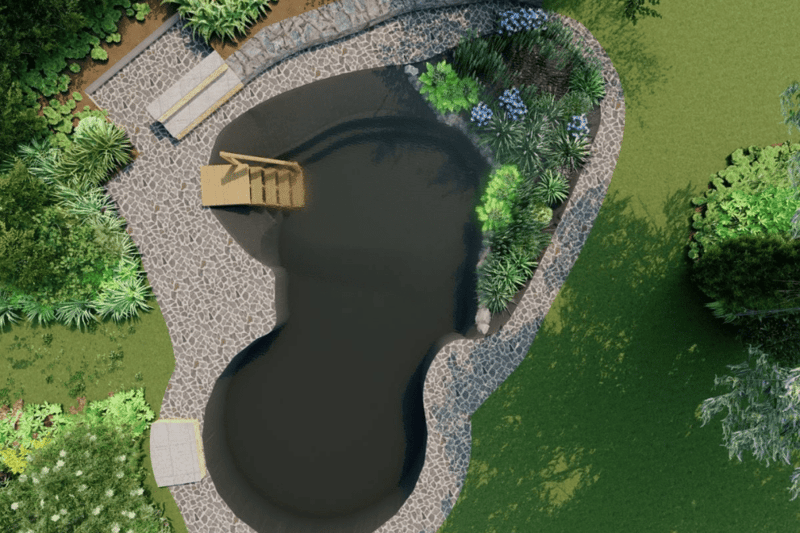
Check the pool's construction material. Concrete pools generally convert more easily than vinyl-lined ones, though both can work with proper planning. Look for any structural issues like cracks or leaks that might affect the pond's integrity. Also, assess the surrounding area—do you have space for a waterfall or fountain? Can you accommodate a small dock or seating area?
Consider your local climate. If you live in an area with harsh winters, you'll want to plan for ice protection. In warmer regions, you might focus more on shade and sun exposure. Every pool is unique, so take time to understand what your specific situation offers.
Planning Your Pond Design
Creating a successful pond involves thoughtful design that considers both beauty and function. Begin by sketching out your desired layout. Think about where you want to place water features, plantings, and any seating areas. A well-designed pond should feel like a natural extension of your landscape.
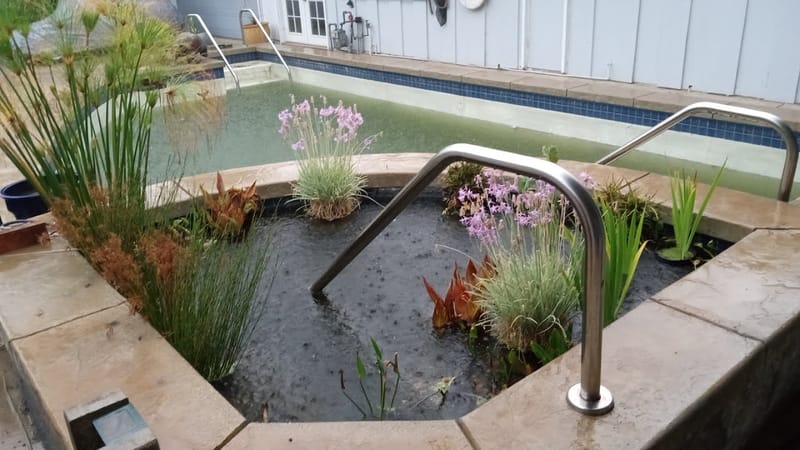
Decide on the pond's primary purpose. Is it mainly for wildlife, relaxation, or perhaps a combination? This will influence everything from depth to plant selection. For wildlife-focused ponds, consider incorporating shallow areas for amphibians and deeper sections for fish. If you want a focal point, a waterfall or fountain can add visual interest.
Don't overlook practical elements. You'll need space for a pump and filter system, which should be easily accessible for maintenance. Plan for electrical connections, drainage, and access routes for equipment delivery. These details often get overlooked but are crucial for long-term success.
Essential Equipment and Materials
Converting your pool into a pond requires several key components. The most important item is a reliable pump and filtration system. Unlike pools, ponds need gentle circulation to maintain water quality without creating strong currents that might stress fish. A biological filter is particularly helpful for processing organic waste.
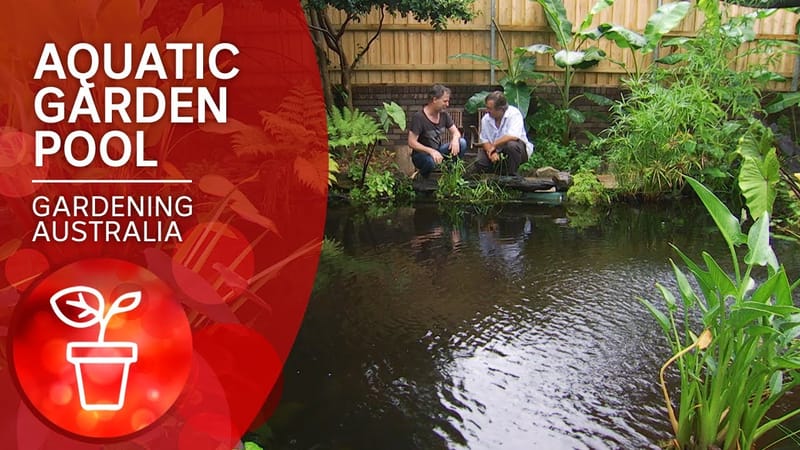
Aquatic plants play a vital role in pond health. They oxygenate the water, absorb nutrients, and provide shelter for fish. Popular choices include water lilies, cattails, and submerged plants like hornwort. These plants also help control algae growth naturally.
Other essential materials include pond liner (if needed), gravel for the bottom, and appropriate lighting. If you're adding a waterfall or stream, you'll need additional plumbing and possibly a timer for the water feature. Consider installing a skimmer to remove debris before it settles at the bottom.
Step-by-Step Conversion Process
The conversion process begins with draining your pool completely. This might take several days depending on your pool size and local water restrictions. Once drained, clean the surfaces thoroughly to remove any remaining chemicals or debris.
Related Posts

Unveiling the Timeless Charm of Black and White Striped Patio Um

Unpacking the Truth About Walking on Pool Covers Your Essential

Mastering the Art of the Perfect Pool Party Experience A Guest's Guide

Understanding the Pink Slime in Your Pool What It Is and How to Tackle It

Keeping Your Concrete Patio Happy and Safe Around the Fire Pit

Transforming Your Corner Lot A Masterclass in Curb Appeal
Next, determine if you need to modify the pool structure. Some pools may require reshaping to achieve the desired pond contour. This is where professional help might be beneficial, especially if you're unfamiliar with excavation work.
After preparing the site, install your filtration system and any water features. The pond liner goes down next, followed by a protective layer of sand or fine gravel. Plant your aquatic vegetation carefully, ensuring they're placed in appropriate zones for their needs.
Finally, refill the pond slowly to avoid disturbing the newly planted areas. Monitor water chemistry closely during the first few weeks as the ecosystem establishes itself. Adding beneficial bacteria can speed up this process significantly.
Maintaining Your New Pond
Once your pond is established, regular maintenance keeps it healthy and beautiful. Weekly tasks include checking water levels, removing debris, and ensuring the pump is working properly. Monthly checks involve testing water parameters and trimming overgrown plants.
During winter months, especially in colder climates, you'll need to prepare your pond for seasonal changes. This might mean installing a de-icer, moving sensitive plants indoors, or adjusting feeding schedules for fish. Some ponds can survive winter naturally, but others benefit from additional protection.
The key to successful pond maintenance lies in understanding that it's not about perfection—it's about balance. Your pond should look natural, even if it means letting some algae grow or allowing leaves to settle naturally. Embrace the process of learning how your specific pond responds to different conditions.
Converting your swimming pool into a pond represents more than just a change in landscaping—it's a shift toward sustainable living and mindful connection with nature. The journey from chlorinated water to natural beauty takes careful planning and commitment, but the rewards are immeasurable. You'll find yourself spending more time outdoors, enjoying the sounds of water and wildlife instead of worrying about chemical balances. Your investment in this transformation pays off in countless ways—financial savings, environmental benefits, and pure personal satisfaction. Whether you're drawn by the idea of supporting local wildlife, seeking a quieter retreat, or simply wanting to reduce maintenance hassles, converting your pool into a pond offers a path forward that honors both your lifestyle and the natural world around you. The question isn't whether you can do it—it's when you'll start planning your own peaceful transformation.
