Picture this: you've spent weeks planning your dream deck, carefully selecting wood, designing the layout, and choosing the perfect finish. But when it comes to securing those boards together, something crucial gets overlooked. The screw length might seem like a small detail, but it's actually one of the most important decisions you'll make. Get ready to discover why the right screw length isn't just about keeping things together – it's about building decks that will stand the test of time.
When you think about deck construction, the obvious choices come to mind – the type of lumber, the design elements, maybe even the staining process. But what about the tiny metal fasteners that hold everything together? These aren't just random hardware picks. The screw length for deck boards plays a pivotal role in how well your project holds up against weather, foot traffic, and the daily rigors of outdoor living. Whether you're a seasoned contractor or someone tackling their first DIY deck, understanding this simple concept can mean the difference between a deck that lasts decades and one that needs replacing within a few years. It's easy to overlook, but once you get the hang of it, you'll wonder how you ever managed without this knowledge.
Understanding Basic Deck Board Screw Requirements
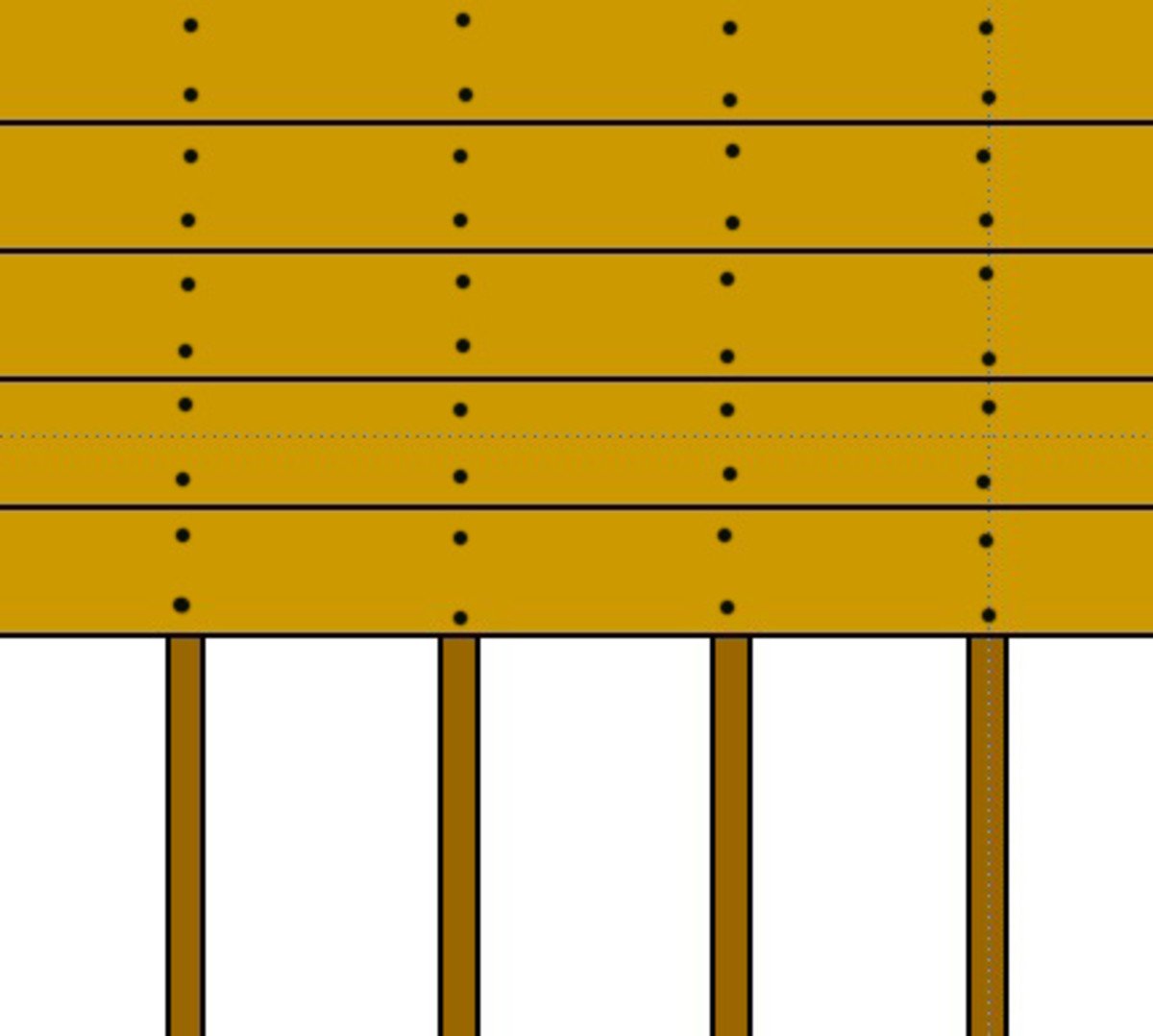
Before we dive into specific measurements, let's start with the basics. When you're installing deck boards, you want screws that go deep enough to grip the underlying structure firmly. The typical rule of thumb is that your screws should penetrate at least 1 inch into the joists or support beams beneath. This ensures that your boards won't shift or move over time, which is essential for both safety and aesthetics. Think of it like building a puzzle – each piece needs to fit perfectly to keep the whole picture intact. What happens if your screws are too short? The boards can become loose, creating gaps, squeaks, and potential tripping hazards. On the flip side, overly long screws can cause problems too – they might damage the wood or even poke through the other side. It's a delicate balance that requires understanding your materials and knowing exactly what you're working with.
Factors That Influence Proper Screw Length Selection
Several variables affect how long your screws should be. First, consider the thickness of your deck boards themselves. If you're using 2x8 boards that are actually 1.5 inches thick, you'll need to account for that measurement. The next factor involves your substructure – how thick are your joists or beams? If they're 2 inches thick, then your total penetration requirement becomes clear. Another consideration is whether you're dealing with pressure-treated lumber, which can sometimes behave differently than regular wood. Temperature changes also play a role, especially in areas with extreme weather fluctuations. For instance, if you live in a place where freezing and thawing cycles occur regularly, you might want to add an extra half-inch to your screw length to accommodate expansion and contraction. Finally, the type of screw matters – some are designed specifically for decking applications and may have different requirements than standard wood screws.
Standard Sizes and Common Applications
Let's break down some practical numbers. For most residential deck projects, 2.5 to 3 inches is the sweet spot for board screws. Here's why: when you're working with 1.5-inch thick boards, plus 1 inch of penetration into the joist, you're looking at roughly 2.5 inches minimum. However, many professionals prefer 3-inch screws because they provide extra security and reduce the chance of failure. In commercial applications, you might see 3.5 to 4 inches being used, particularly for heavier-duty installations. Let's take a real-world example: imagine you're building a deck that's 6 feet wide, with 2x8 boards spaced 16 inches apart. Your joists are 2x8 as well, giving you a total structural depth of about 3.5 inches. In this case, 3-inch screws would work perfectly. But if you're planning a larger span or using thinner boards, you might need to adjust accordingly. The key is always measuring carefully before making any purchase decisions.

The Impact of Environmental Conditions on Screw Performance
Weather conditions really do matter when selecting screw length. If you're in a humid climate, moisture can cause wood to swell and contract, which puts additional stress on fasteners. Longer screws help compensate for this movement by providing more secure anchoring. In coastal areas where salt exposure is common, corrosion-resistant screws become essential. These often require slightly longer lengths to ensure adequate holding power despite the environmental challenges. Even in inland regions, temperature swings can affect how wood behaves. During hot summer months, wood expands, and during cold winter periods, it contracts. This means that screws that were perfectly sized during installation might loosen over time if they're not long enough to handle the natural movement of the material. So while you might calculate based on static conditions, remember that your deck will experience dynamic changes throughout its lifespan.
Special Considerations for Different Wood Types
Not all woods are created equal, and that includes how they interact with screws. Pressure-treated lumber, commonly used for decks due to its resistance to rot and insects, can be more challenging to work with. The chemicals used in treatment can sometimes make the wood harder to drive screws into, requiring either longer screws or specialized screw types. Softwoods like pine tend to be easier to work with but may require longer screws to ensure proper holding power. Hardwoods such as cedar or redwood offer excellent durability but can sometimes be too dense for standard screws, potentially causing them to bend or strip. In addition, some woods naturally contain more resin or oils that can interfere with screw adhesion. For these situations, self-drilling screws or those with special coatings might be necessary. A practical tip: always test a few screws on scrap wood before starting your actual project to ensure they're penetrating correctly and not causing issues with the material.
Best Practices and Installation Tips
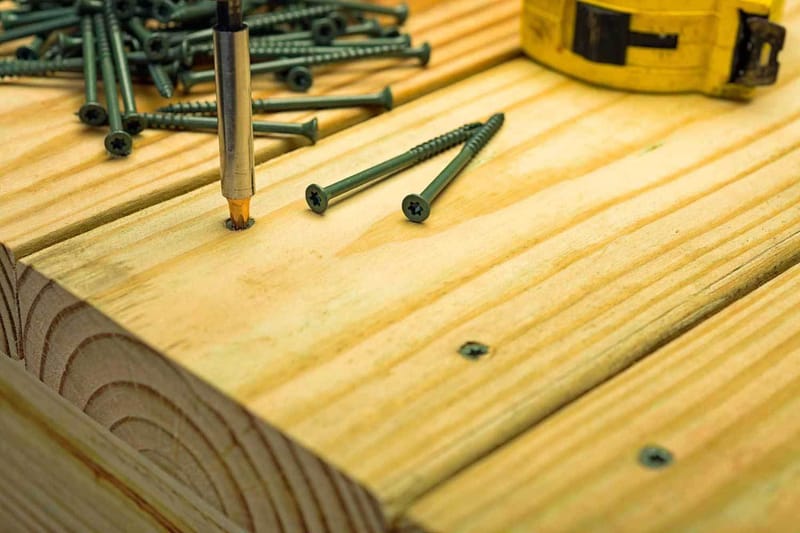
Now that we've covered the theory, let's talk about practical application. One crucial tip is to pre-drill pilot holes when working with hardwoods or pressure-treated lumber. This prevents splitting and helps ensure the screws go in straight. Another helpful approach is to space your screws properly – typically every 16 inches along the board edges, and every 24 inches in the center. For the best results, use a countersink bit to create a slight depression in the board surface, allowing the screw heads to sit flush or slightly below the wood surface. This not only looks better but also reduces the risk of catching shoes or clothing on protruding screw heads. Additionally, always use corrosion-resistant screws for outdoor applications – stainless steel or coated options work best. Some contractors swear by using a torque driver to ensure consistent screw depth, which can prevent overdriving and potential damage to the wood.
Common Mistakes to Avoid
Even experienced builders can fall into traps when it comes to screw selection. One frequent error is assuming that longer is always better. While having extra length provides security, oversized screws can actually cause problems. They might split the wood, damage the underlying structure, or simply be difficult to drive properly. Another mistake is not accounting for the thickness of the entire assembly. Many people measure only the board thickness and forget about the joist depth. This oversight can lead to insufficient penetration and weak connections. Some builders also ignore the importance of matching screw length to the specific application. Using deck screws for indoor projects or general-purpose screws for outdoor decks can result in premature failure. Finally, failing to consider the wood species and treatment type leads to poor performance and possible structural issues down the road.
Tools and Techniques for Accurate Measurement
Getting the measurement right starts with having good tools. A reliable tape measure is essential, but many professionals also carry a ruler or measuring stick that's specifically designed for construction work. Some even use a combination square with a depth gauge to verify penetration. When measuring, always measure from the bottom of the board to the top of the joist to get the true depth requirement. One handy technique is to mark your screws with a pencil or marker at the appropriate insertion point. This way, you can visually confirm correct depth before driving. Another useful method involves using a drill bit that matches your screw diameter to create a pilot hole. This helps ensure the screw goes in straight and reaches the required depth. For those doing large-scale projects, investing in a screwdriver with adjustable torque settings can help prevent overdriving while maintaining consistent depth. Remember, accuracy in measurement saves time, money, and prevents future repairs.
Quality Considerations and Material Selection
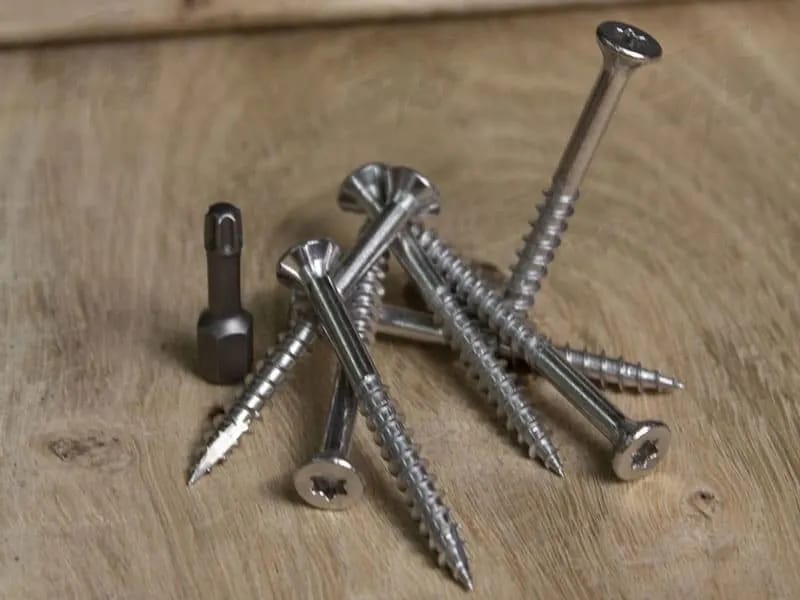
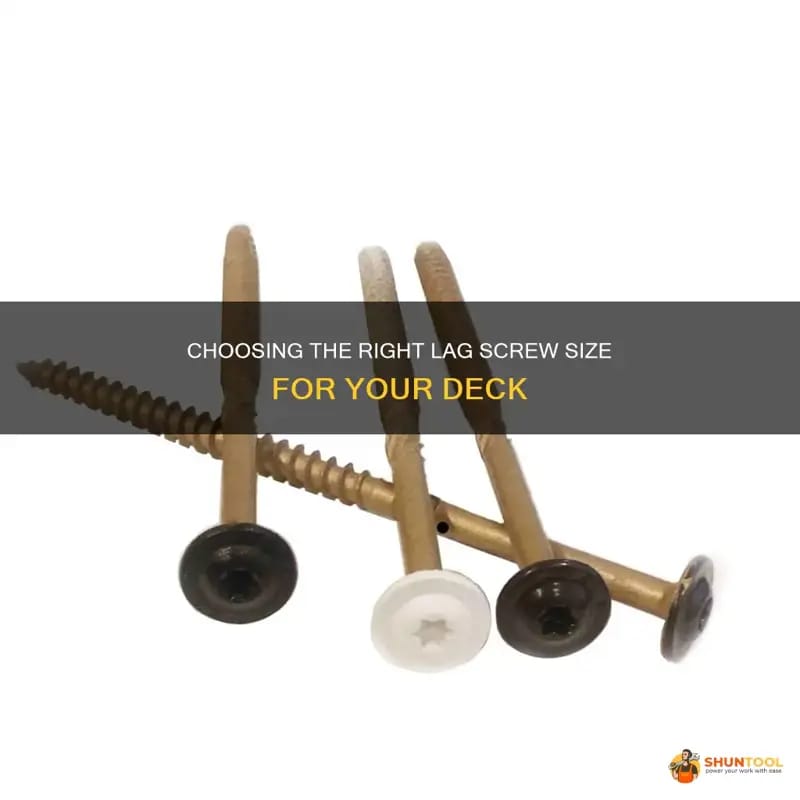
The quality of your screws can make a significant difference in your deck's longevity. High-quality deck screws are made from materials that resist rust and corrosion, especially important in outdoor environments. Look for screws with a coarse thread pattern designed specifically for wood applications. These threads bite into the wood effectively, providing superior holding power compared to fine-threaded alternatives. Some premium options feature a special coating that further protects against moisture and environmental degradation. Additionally, consider the head style – flat-head screws are often preferred for decks since they sit flush with the surface and won't catch on clothing or furniture. The shank design also matters – some screws have a smooth shank portion near the head, which makes them easier to drive without stripping the wood. Quality screws may cost a bit more upfront, but they're worth the investment for preventing future problems and ensuring your deck stands strong for years to come.
Related Posts

Unveiling the Timeless Charm of Black and White Striped Patio Um

Unpacking the Truth About Walking on Pool Covers Your Essential

Mastering the Art of the Perfect Pool Party Experience A Guest's Guide

Understanding the Pink Slime in Your Pool What It Is and How to Tackle It

Keeping Your Concrete Patio Happy and Safe Around the Fire Pit

Transforming Your Corner Lot A Masterclass in Curb Appeal
Maintenance and Long-term Performance
Once your deck is built, regular maintenance can extend the life of your screw system significantly. Periodic inspection for loose screws allows for early intervention before they become safety hazards. Tightening loose screws annually, or more frequently in high-traffic areas, helps maintain structural integrity. Weather-related stress, particularly from freeze-thaw cycles or extreme humidity, can cause screws to loosen over time. Keeping an eye out for signs of corrosion or rust is important, especially in older installations. Some deck owners find it helpful to apply a protective coating to exposed screw heads periodically. This can help slow the aging process and maintain the appearance of their deck. Remember that even the best screws will eventually show signs of wear – it's part of the natural cycle of outdoor construction. The key is understanding when replacement becomes necessary rather than waiting until failure occurs.
Professional vs. DIY Approaches
Whether you're a DIY enthusiast or hiring professionals, the principles remain the same. Professional deck builders often have access to specialized tools and materials that make precise measurements easier. They might use automated systems or sophisticated measuring devices that ensure consistency across large projects. However, the fundamental concepts are accessible to anyone willing to learn. For DIY projects, the most important thing is taking time to understand the requirements rather than rushing through installation. Many successful homeowners have built beautiful decks using basic tools and careful attention to screw specifications. The key is preparation – measure twice, cut once, and double-check your screw length calculations before beginning. Both approaches benefit from having a clear plan and understanding that proper screw length is an investment in long-term satisfaction and safety.
Choosing the right screw length for deck boards might seem like a minor detail, but it's actually foundational to building a safe, lasting outdoor space. From understanding how wood behaves under various conditions to selecting the proper tools and materials, every aspect of this decision contributes to your deck's success. Remember that the goal isn't just to get things connected – it's to create a structure that will serve you and your family for years to come. Whether you're planning a small backyard deck or a large entertainment area, investing time in learning about screw specifications pays dividends in performance and peace of mind. The next time you're shopping for deck hardware, consider not just the price or convenience, but the long-term reliability that proper screw length brings. After all, your deck is more than just a piece of furniture – it's an extension of your home and a gathering place for memories. Making smart choices about fasteners ensures that space will continue to bring joy for generations to come.
