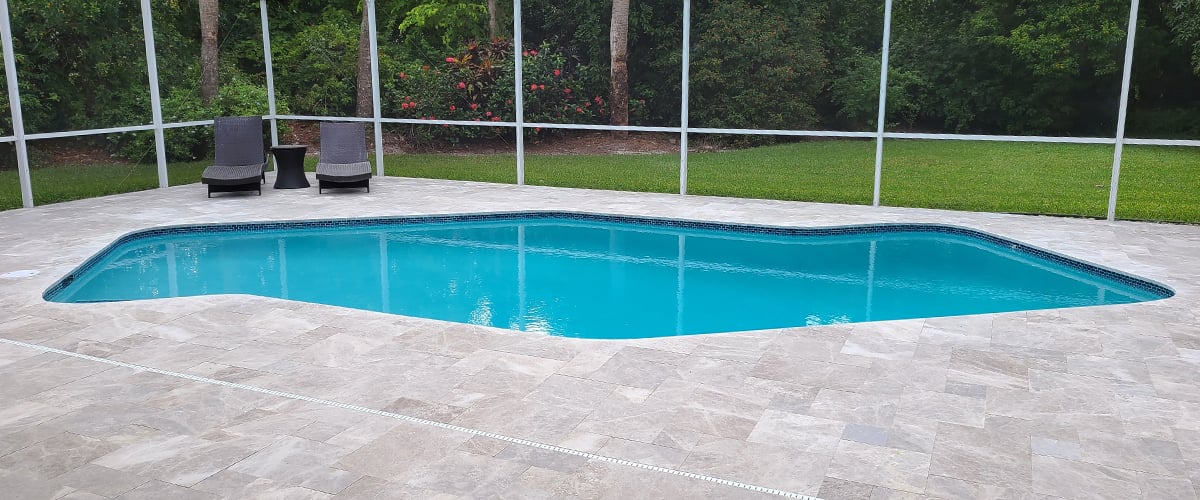
Imagine stepping onto a brand-new pool deck that feels like a luxury resort. The transformation isn't just visual – it's a complete lifestyle upgrade. When your existing pool deck shows signs of wear, aging, or outdated design, resurfacing with pavers offers a fantastic solution that combines durability with aesthetic appeal. Whether you're dealing with cracked concrete, faded tiles, or simply want to refresh your outdoor space, paver resurfacing can breathe new life into your pool area.
Pool decks serve as the heart of outdoor entertaining spaces. They're where families gather, friends socialize, and memories are made. Over time, however, these vital areas can deteriorate due to weather exposure, foot traffic, and general wear. When that happens, many homeowners wonder if they should completely tear out their old deck or explore resurfacing options. Enter paver resurfacing – a smart alternative that can save both time and money while delivering exceptional results. This approach allows you to maintain the structural integrity of your existing deck while dramatically improving its appearance and functionality.
Understanding Paver Resurfacing Benefits
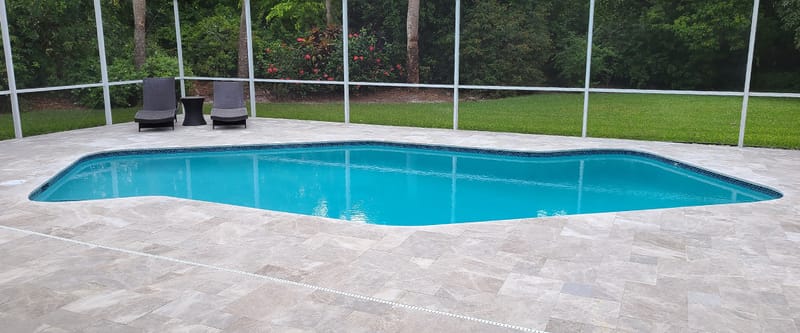
Paver resurfacing offers several compelling advantages over full replacement projects. First and foremost, it's significantly more cost-effective than tearing out and rebuilding an entire deck. You're essentially adding a new layer to your existing structure rather than starting from scratch. The process also minimizes disruption to your daily routine since it typically takes less time than complete reconstruction. Additionally, pavers provide excellent slip resistance, making them safer for wet pool areas. Their modular nature means individual pieces can be replaced if damaged, extending overall lifespan. Many homeowners find that paver resurfacing increases their property value while creating a more inviting outdoor environment.
Assessing Your Current Deck Condition
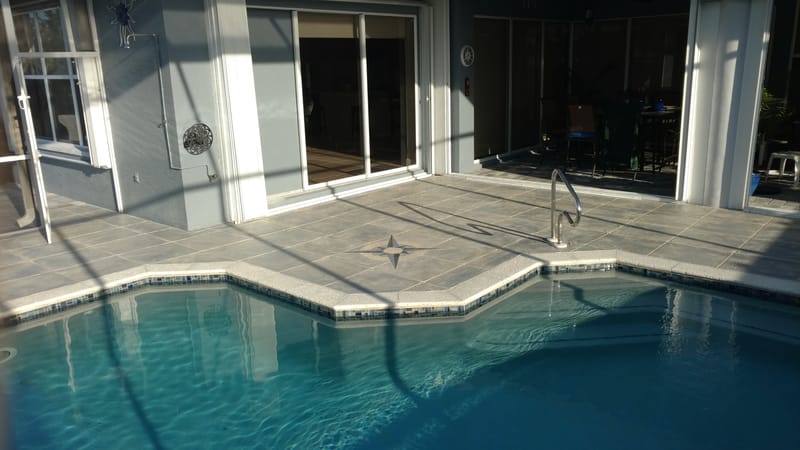
Before diving into any resurfacing project, proper assessment is crucial. Start by examining your existing deck for cracks, chips, or uneven surfaces. Look for signs of water damage or efflorescence – that white, powdery substance that appears on concrete surfaces. Check the structural integrity of support beams and ensure the foundation can handle the additional weight of pavers. If your current deck is severely compromised, partial replacement might be necessary before resurfacing. Document any issues with photos and notes. Consider consulting with professionals who can evaluate load-bearing capacity and recommend appropriate solutions for your specific situation. Sometimes small problems can become major headaches if left unaddressed during the resurfacing process.
Choosing the Right Paver Type and Style
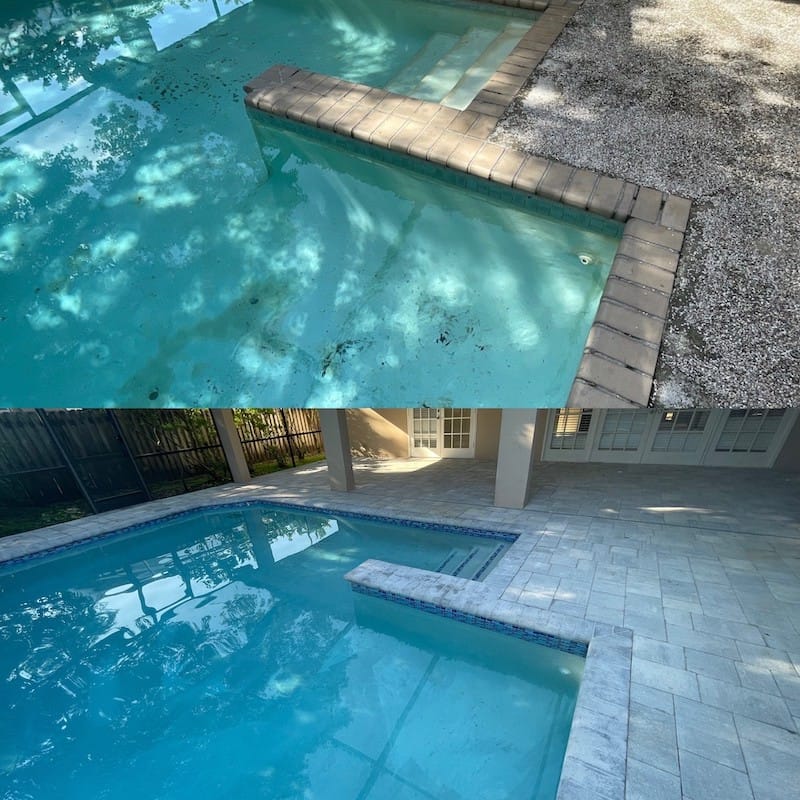
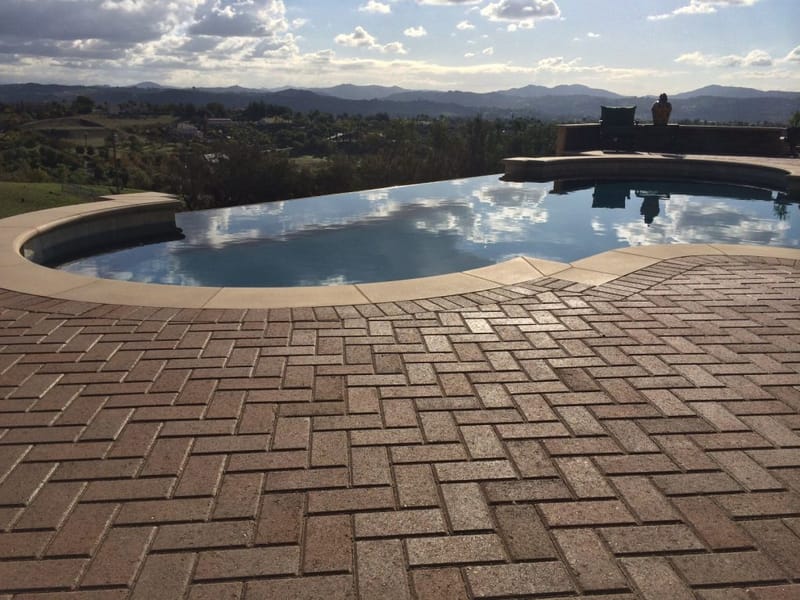
The market offers various paver options, each with unique characteristics suited to different needs. Concrete pavers are popular for their versatility and affordability, offering numerous colors and textures. Natural stone pavers bring an elegant, timeless look but come at a higher price point. Clay brick pavers provide excellent durability and classic appeal. For pool areas specifically, consider materials that resist staining and fading. Textured surfaces offer better traction when wet. Some homeowners prefer interlocking pavers that allow for easy maintenance and replacement. Think about how much maintenance you're willing to invest – some pavers require sealing every few years while others need minimal upkeep. The right choice depends on your budget, aesthetic preferences, and lifestyle requirements.
Preparation and Base Preparation Steps
Proper preparation sets the foundation for successful resurfacing. Begin by thoroughly cleaning the existing surface, removing all debris, moss, and loose material. Address any drainage issues that might cause water pooling. If there are significant cracks or holes, fill them appropriately before proceeding. The base preparation is equally important – ensure it's level and stable. In some cases, you may need to add a new layer of sand or gravel for proper leveling. Check that the base meets local building codes for stability and drainage. Some installations require a concrete bed or specialized underlayment. The key is creating a solid platform that will support the new pavers and prevent future settling or cracking. Don't rush this stage – quality preparation prevents costly repairs later on.
Related Posts

Unveiling the Timeless Charm of Black and White Striped Patio Um

Unpacking the Truth About Walking on Pool Covers Your Essential

Mastering the Art of the Perfect Pool Party Experience A Guest's Guide

Understanding the Pink Slime in Your Pool What It Is and How to Tackle It

Keeping Your Concrete Patio Happy and Safe Around the Fire Pit

Transforming Your Corner Lot A Masterclass in Curb Appeal
Installation Process and Best Practices
The actual installation involves careful planning and attention to detail. Start by marking out your design pattern, considering the flow of traffic and focal points. Lay out the first row carefully, ensuring straight lines and proper spacing. Work systematically across the area, maintaining consistent joint widths. Use a rubber mallet to tap pavers into place gently, avoiding damage to edges. Check frequently for levelness using a spirit level. Pay special attention to transitions between different areas or around pool edges where precision matters most. Proper joint filling with sand helps lock pavers in place and provides stability. Some installers recommend using polymeric sand that bonds together for extra durability. Allow adequate curing time before heavy use – typically 24-48 hours depending on conditions.
Maintenance and Longevity Considerations
Once installed, proper maintenance ensures your paver deck lasts decades. Regular cleaning removes dirt and debris that can stain or damage surfaces. Apply sealers periodically according to manufacturer recommendations – usually every 2-3 years for most applications. Address stains quickly before they set in, especially organic matter or chemical spills. Monitor joints regularly for weeds or erosion and refill as needed. During winter months in colder climates, avoid using salt-based deicers that can damage pavers. Consider seasonal maintenance routines including pressure washing and resealing. Understanding the specific care requirements of your chosen paver type helps maximize longevity. Many homeowners report 20+ year lifespans with proper care, making it one of the best investments for outdoor living spaces.
Resurfacing your pool deck with pavers represents a smart investment in both aesthetics and functionality. It's a practical solution that addresses common deck problems while providing a fresh look that enhances your outdoor space. By understanding the benefits, properly assessing your existing conditions, selecting appropriate materials, and following professional installation practices, you can create a stunning pool deck that will serve you for years to come. The key lies in thoughtful planning, quality materials, and proper execution. Whether you're dealing with an aging concrete surface or simply want to update your outdoor area, paver resurfacing offers an attractive pathway forward. With the right approach, your pool deck can become the centerpiece of your home's outdoor entertainment area, combining beauty with lasting durability.
