When it comes to inground swimming pools, fiberglass stands out as one of the most popular choices among homeowners. But what does it really mean to have a fiberglass pool installed in your backyard? Is it worth the investment? Let's take a closer look at both sides of the story.
Picture this: you're lounging in your backyard, the sun is shining, and you've got a beautiful, perfectly shaped pool waiting for you. That dream could become reality with a fiberglass inground pool. These pre-fabricated wonders have been capturing homeowners' imaginations for decades. But before you start planning your dream backyard oasis, it's crucial to understand both sides of the coin. The good news is that fiberglass pools offer some fantastic advantages. The bad news? They come with their own set of challenges. Let's dive deep into what makes these pools tick, both positively and negatively.
The Appeal of Fiberglass Pools
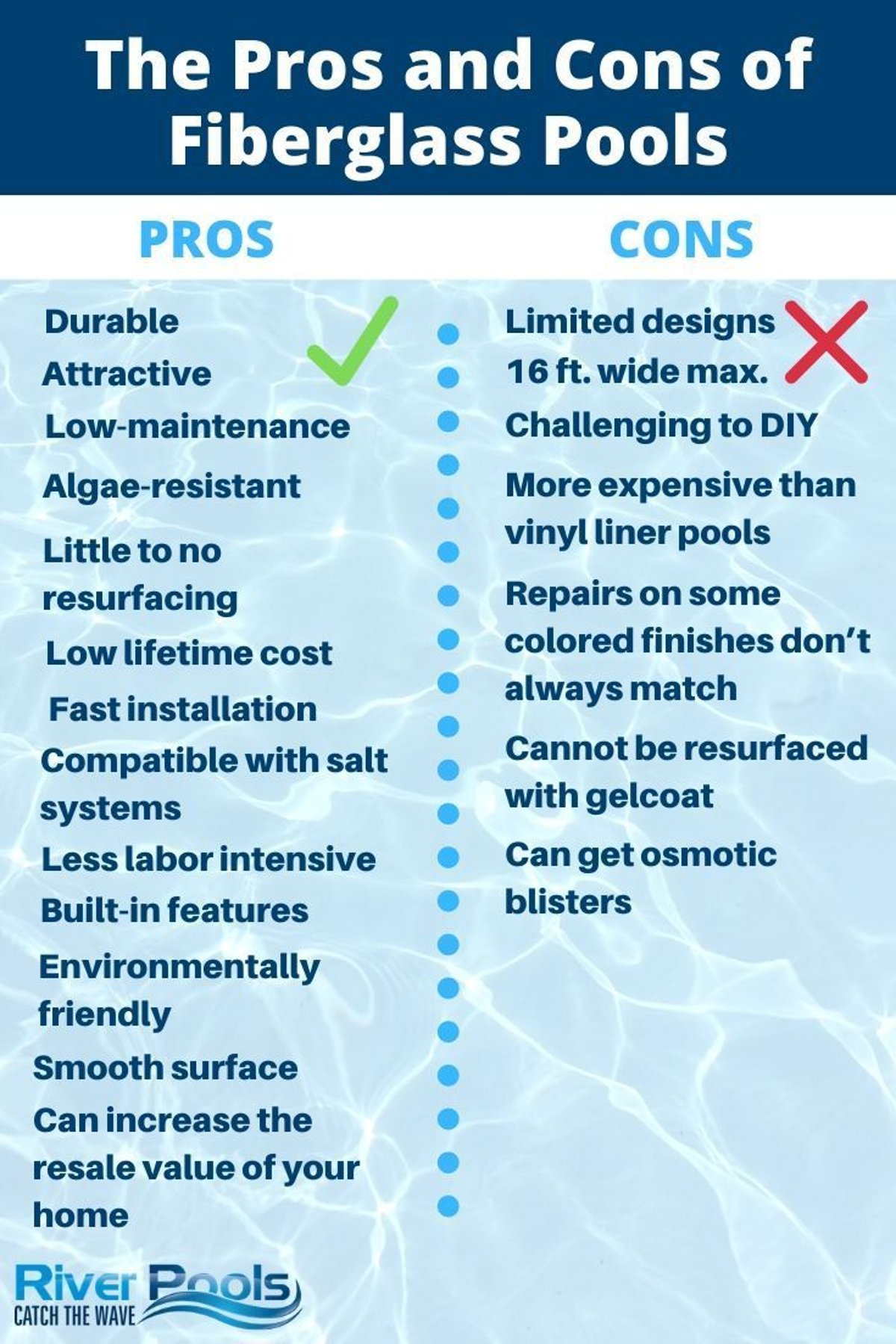
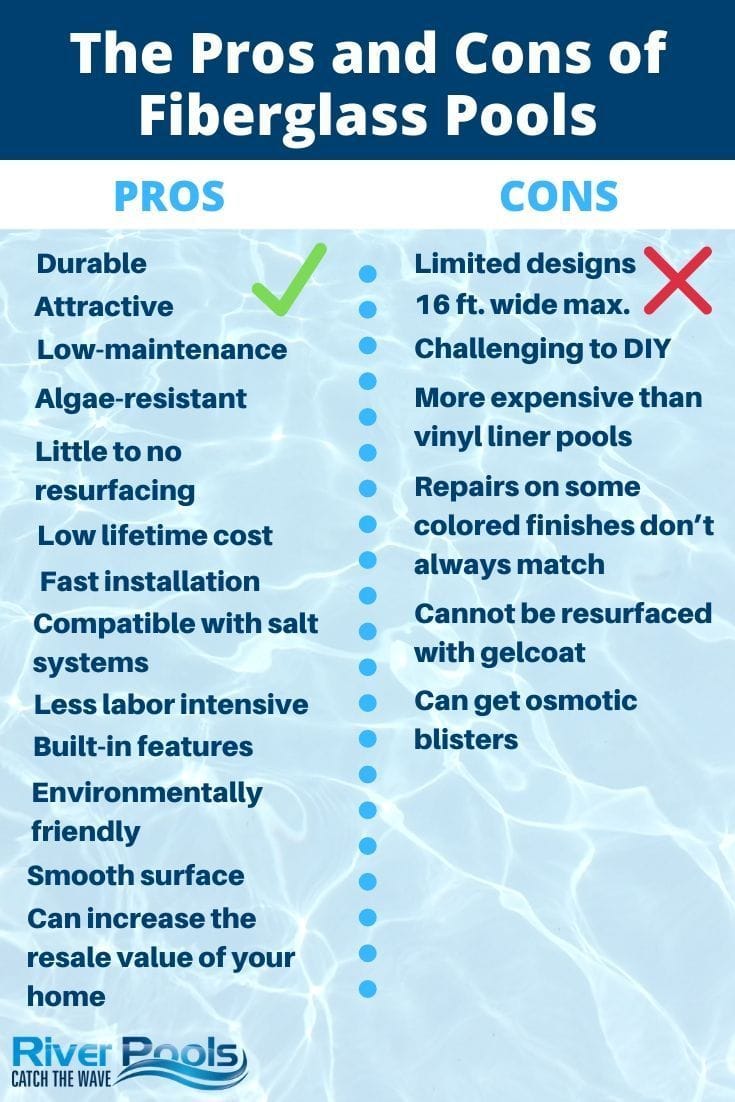
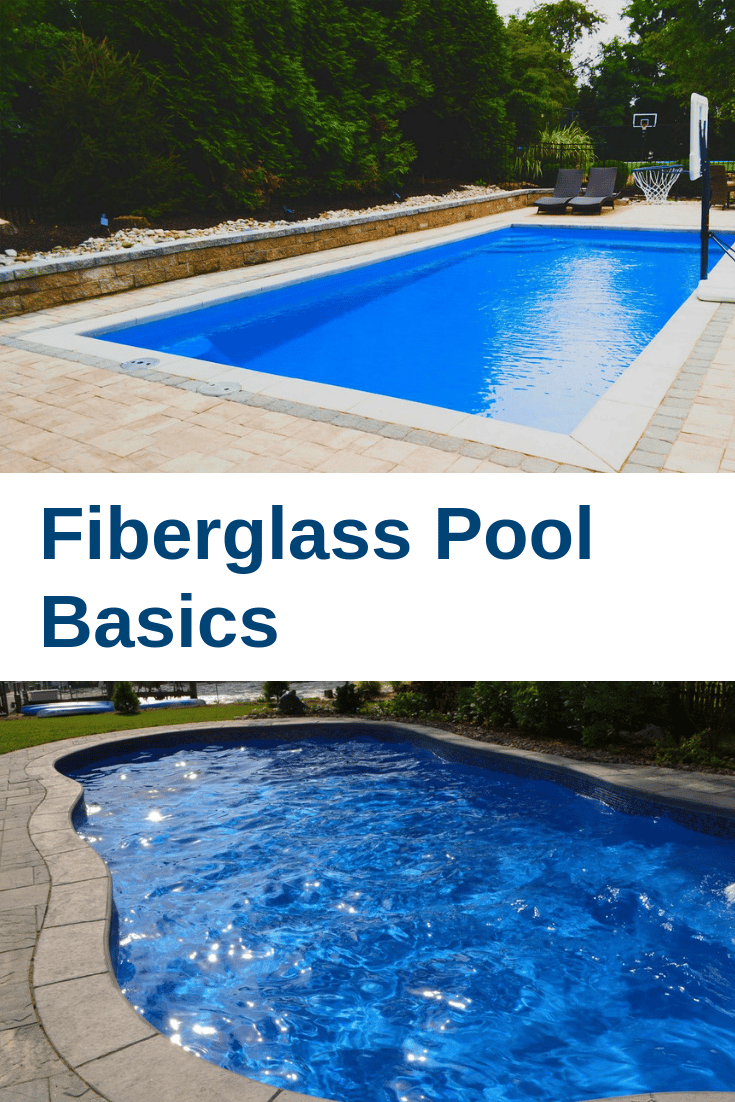
Fiberglass pools aren't just another pool option—they're essentially like buying a custom-made swimsuit that fits perfectly. They arrive ready to install, often with a factory-applied gelcoat finish that looks like it was painted by a master artist. These pools are typically made from reinforced polyester resin and fiberglass materials. The result? A smooth, non-porous surface that's easy to clean and maintain. Imagine having a pool that's virtually maintenance-free compared to concrete or vinyl options. The shape is already predetermined, so no need to worry about irregularities or uneven surfaces. Plus, they come in various shapes and sizes, from classic oval designs to modern geometric styles. Many homeowners find that fiberglass pools are much quicker to install than traditional options, sometimes taking just a few days rather than weeks. The manufacturing process means fewer joints and seams, reducing potential leak points.
Cost Considerations and Value
Now, let's talk numbers. Fiberglass pools generally cost between $15,000 and $50,000, depending on size, design, and additional features. That might seem steep at first glance, but consider this: they're often less expensive than gunite or concrete pools when you factor in long-term maintenance costs. Unlike concrete pools that require regular resurfacing every 10-15 years, fiberglass pools can last 20-30 years with proper care. The initial investment pays off over time, especially if you're looking to avoid the hassle of major repairs. However, there's a catch—the cost per square foot tends to be higher than some alternatives. And while the pool itself might be cheaper upfront, don't forget about excavation costs, installation fees, and potential permits. Some people discover that the total package isn't as budget-friendly as expected, particularly in areas where labor costs are high. Still, many find that the overall value proposition makes sense given the longevity and low maintenance requirements.
Installation Process and Timeframe
The installation process for fiberglass pools is notably different from other types. Because these pools are manufactured off-site, they arrive in one piece, usually delivered by truck and lowered into place using cranes. This streamlined approach means less disruption to your yard during installation. Most installations happen within three to five days, which is much faster than concrete or gunite pools that can take weeks to complete. The excavation process is also simpler since the pool is a fixed size and shape. However, this speed comes with certain limitations. You'll need to ensure your lot has adequate space for delivery, and the pool must fit precisely within your designated area. Some homeowners encounter issues with access roads or overhead obstacles that complicate delivery. The installation team will need to make sure everything aligns properly, and any slight misalignment can cause problems later on. It's also important to note that once installed, these pools are extremely difficult to move or modify. You're essentially committing to the exact dimensions and shape you choose.
Durability and Longevity
Fiberglass pools are built to last. When properly maintained, they can serve you well for two to three decades. The material resists algae growth better than concrete pools because of the smooth, non-porous surface. This means fewer chemicals needed for water treatment and less scrubbing required during cleaning. The gelcoat finish protects against UV damage, helping maintain the pool's appearance over time. But durability isn't just about how long they last—it's also about how well they handle environmental stressors. These pools can withstand freezing temperatures, though they may require extra protection in harsh climates. Some owners report issues with the gelcoat fading over time, especially in areas with intense sunlight exposure. The structural integrity remains strong, but the aesthetic appeal might change. Regular maintenance still matters, even though the pool itself is more resilient than alternatives. It's worth noting that the warranty terms vary significantly between manufacturers, so understanding what's covered is essential. Some warranties cover structural defects for 20-30 years, while others might only cover manufacturing flaws for a decade.

Related Posts

Unveiling the Timeless Charm of Black and White Striped Patio Um

Unpacking the Truth About Walking on Pool Covers Your Essential

Mastering the Art of the Perfect Pool Party Experience A Guest's Guide

Understanding the Pink Slime in Your Pool What It Is and How to Tackle It

Keeping Your Concrete Patio Happy and Safe Around the Fire Pit

Transforming Your Corner Lot A Masterclass in Curb Appeal
Maintenance Requirements
Here's where many people find fiberglass pools incredibly appealing: they require less maintenance than their concrete counterparts. The smooth surface doesn't trap dirt and debris the way rough concrete surfaces do. Cleaning becomes more straightforward, and you won't need to deal with the constant battle against algae that plagues many other pool types. The non-porous nature means fewer chemical treatments are necessary to keep the water clean. Many owners report spending less time maintaining their pool, which translates to more time enjoying it. However, the maintenance isn't zero effort. You still need to check water chemistry regularly, clean the filter, and perform routine inspections. The pool's surface may need occasional touch-ups if it gets scratched or damaged. Some people find that the gelcoat can be prone to staining from certain products or minerals in the water. While the pool itself is more forgiving, the surrounding area still requires attention. The deck and landscaping around the pool might need more frequent upkeep, especially if you have children or pets who enjoy playing near the water.
Limitations and Potential Issues
Despite all the benefits, fiberglass pools aren't perfect for everyone. One significant limitation is customization. You're limited to the shapes and sizes available from manufacturers, which might not match your exact vision. If you want something unique or highly customized, you might be disappointed. The fixed nature of these pools means that modifications after installation are nearly impossible. Any changes to the surrounding area, like adding a spa or changing the layout, require careful planning. Another concern is the potential for cracking under extreme conditions, though this is rare with quality installations. Some older models have experienced issues with the gelcoat separating from the fiberglass layer. These problems are more common in pools that have been improperly installed or exposed to harsh conditions. The weight of the pool, combined with the soil pressure, can sometimes lead to settling issues if the ground isn't properly prepared. Additionally, finding replacement parts can be challenging, especially for older models. If something breaks, you might have to rely on specialty vendors or even contact the manufacturer directly.
So, are fiberglass inground pools worth it? The answer depends on your priorities, budget, and lifestyle. If you value quick installation, minimal maintenance, and long-term durability, then fiberglass might be your best bet. These pools offer a middle ground between the affordability of vinyl and the permanence of concrete. They're ideal for busy families who want a beautiful, functional pool without the constant upkeep. However, if you're looking for maximum customization or have a very specific design vision, you might want to consider other options. The upfront costs can be substantial, and the delivery process requires careful planning. Ultimately, the decision comes down to what matters most to you. Do you want a pool that looks great and stays that way for decades with minimal effort? Or are you more interested in flexibility and control over every aspect of your aquatic sanctuary? Whatever your choice, make sure to research thoroughly, get multiple quotes, and consider your long-term needs. A good pool is an investment in your family's enjoyment and your home's value. Just remember that while fiberglass pools are durable, they're not immune to wear and tear. Proper installation and ongoing care will determine how well your pool serves you for years to come.
