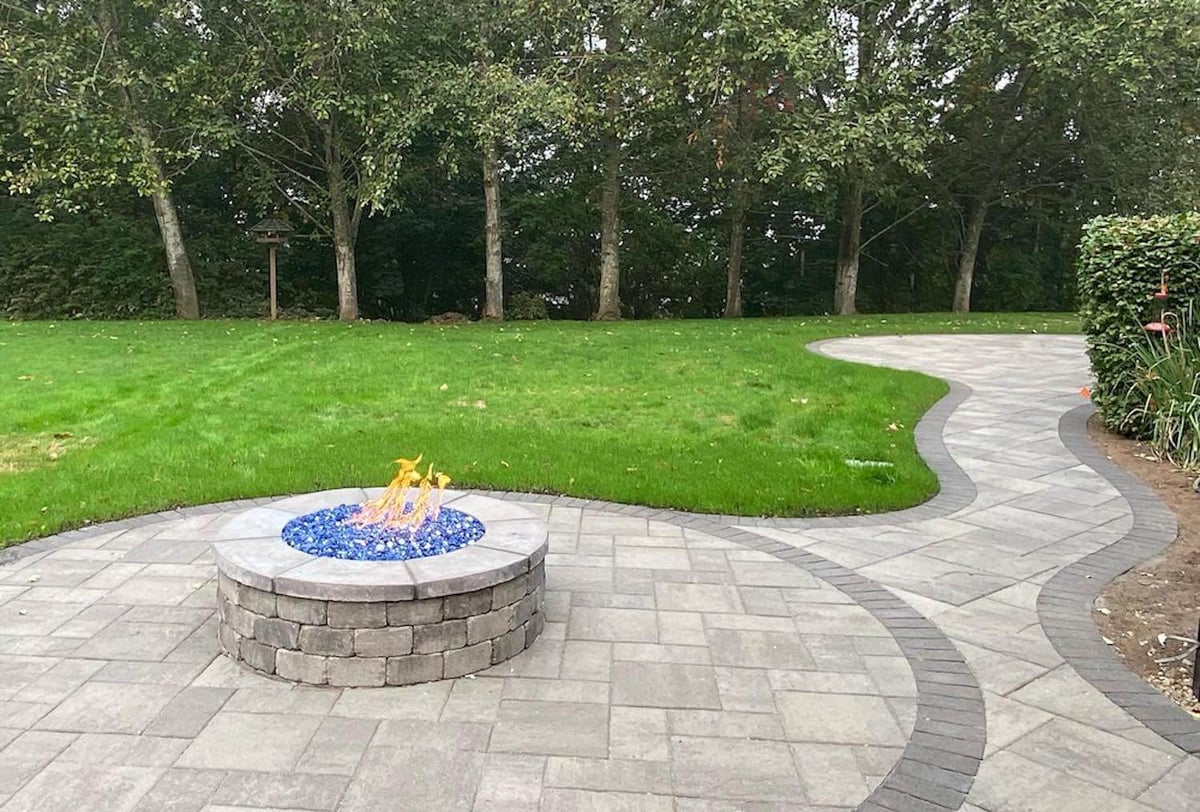
Picture this: the sun sets behind your backyard, casting warm shadows across a beautifully crafted fire pit surrounded by perfectly placed stones. That dream space starts with one crucial element - choosing the right pavers for your fire pit area. It's not just about aesthetics, though that's important too. The right materials will keep your outdoor gathering spot safe, durable, and stunning for years to come.
When it comes to designing an outdoor living space around a fire pit, the choice of pavers can make or break the entire project. These aren't just decorative elements - they're functional components that need to withstand heat, weather, and constant foot traffic. Whether you're planning a small intimate fire circle or a large entertaining area, understanding what makes the best pavers for fire pit applications is essential. Think of it like choosing the foundation for a house - get it wrong and everything else suffers. What you select today will determine how your outdoor space looks tomorrow, and whether it remains safe and usable year after year.
Understanding Fire Pit Paver Requirements
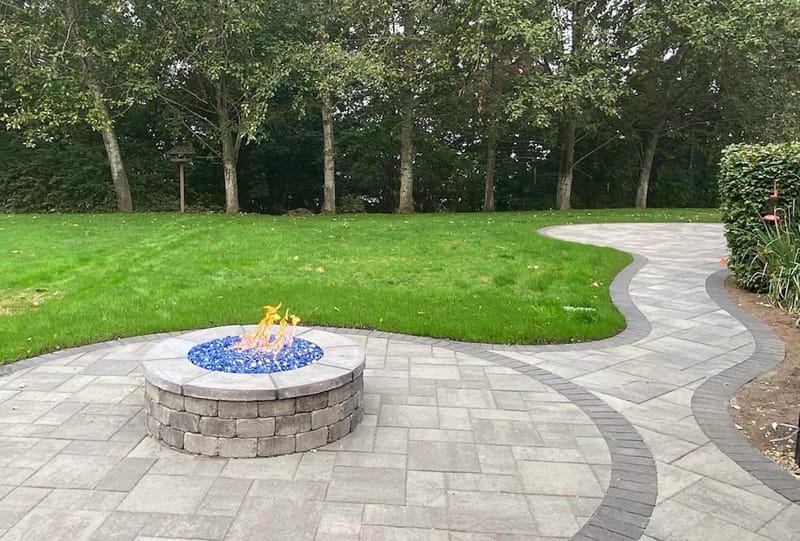
Before diving into specific materials, let's talk about what makes a good fire pit paver. First and foremost, heat resistance. Unlike regular patio stones, fire pit pavers must handle temperatures that can exceed 1,000 degrees Fahrenheit. They shouldn't crack, fade, or warp under intense heat. Consider also durability against weather elements. Will these stones face rain, snow, and UV rays? You'll want materials that don't deteriorate quickly in changing conditions.
Another critical factor is slip resistance. A wet or muddy fire pit area can become treacherous. Look for textures that provide good traction. And don't forget about weight - heavy stones often work better because they stay put during use. The right balance between size, shape, and material will ensure your fire pit area stays safe and attractive.
Popular Fire Pit Paver Materials Explained
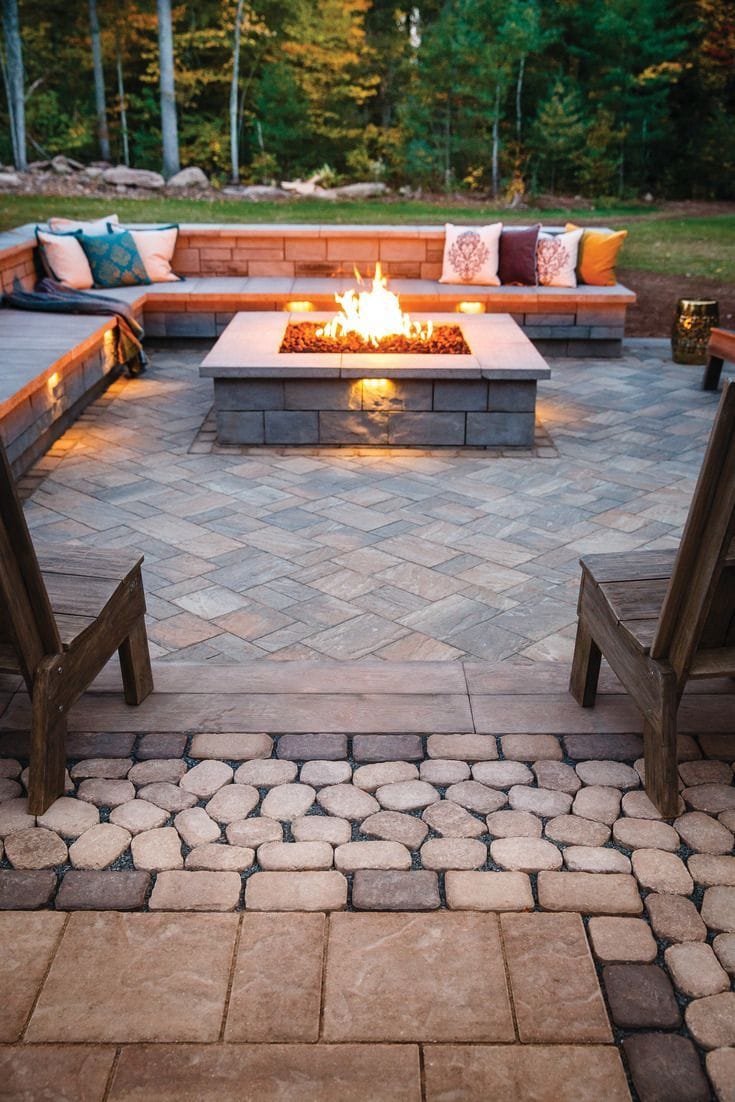
Let's explore the most common options available:
Heat Resistance: What You Need to Know
Heat resistance isn't just a feature - it's a necessity for fire pit pavers. When you're dealing with flames and hot coals, materials can expand, contract, or even crack if they're not designed for high temperatures. Most quality pavers can handle temperatures up to 1,200 degrees Fahrenheit, but some premium options go even higher.
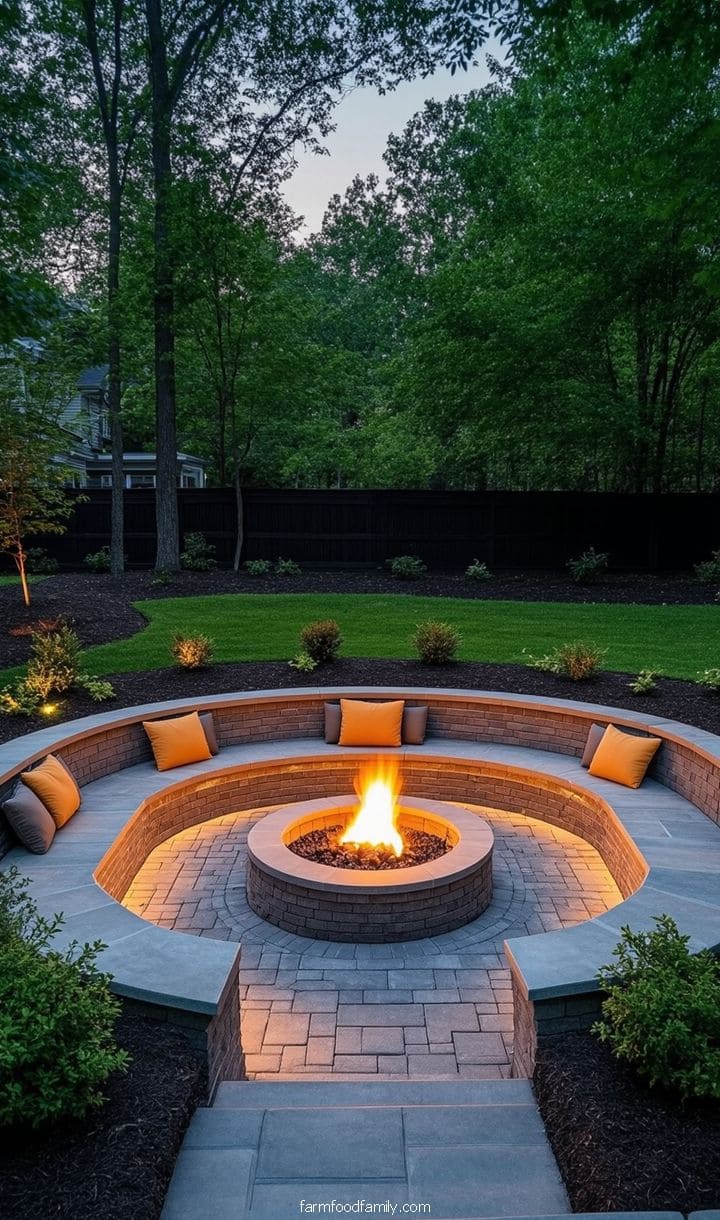
The key is choosing materials that have been specifically tested for fire pit use. Some stones naturally resist heat better than others. For instance, granite and certain types of limestone perform exceptionally well. Avoid materials that might release toxic fumes when heated, especially if children or pets will be nearby. Always check manufacturer specifications before making your selection. A simple test is to see if the material feels cool to the touch even after being exposed to heat.
Safety Considerations and Installation Tips
Safety should always come first when building a fire pit area. Here are some essential considerations:
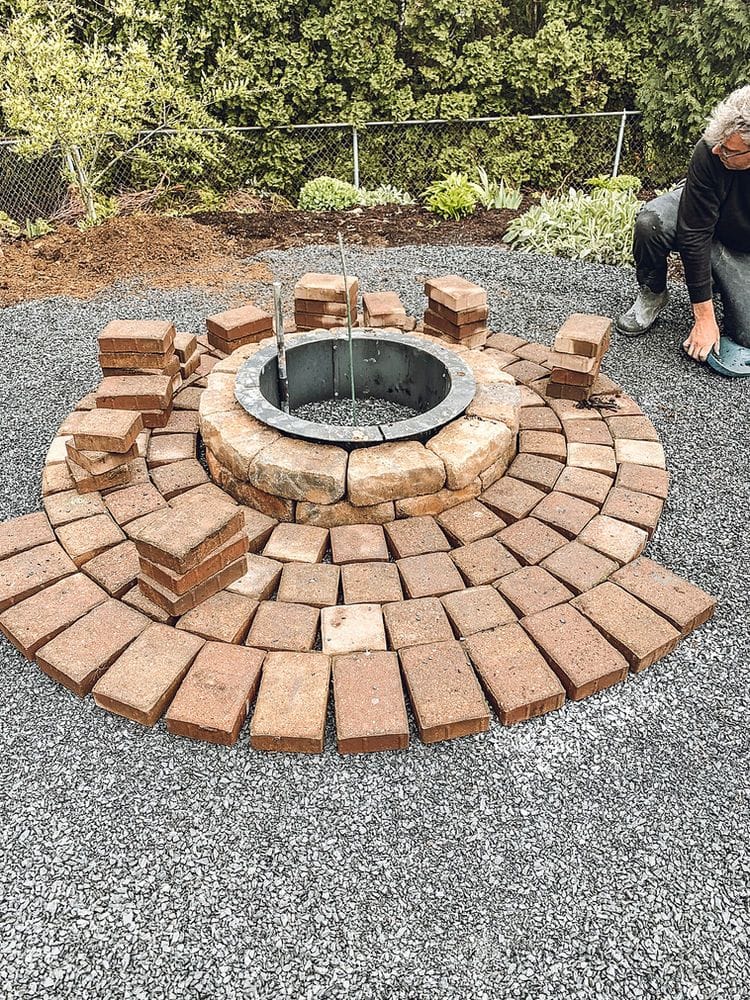
Installation tips include using the right tools and taking time to ensure proper alignment. Don't rush the process - investing extra time upfront saves headaches later. Consider hiring professionals for complex installations, especially if you're working with irregular shapes or multiple levels.
Maintenance and Longevity of Fire Pit Pavers
Once installed, maintaining your fire pit pavers becomes part of your regular outdoor routine. Regular cleaning removes debris and prevents staining. Some materials benefit from periodic sealing to maintain their appearance and protect against weather damage.
Related Posts

Unveiling the Timeless Charm of Black and White Striped Patio Um

Unpacking the Truth About Walking on Pool Covers Your Essential

Mastering the Art of the Perfect Pool Party Experience A Guest's Guide

Understanding the Pink Slime in Your Pool What It Is and How to Tackle It

Keeping Your Concrete Patio Happy and Safe Around the Fire Pit

Transforming Your Corner Lot A Masterclass in Curb Appeal
Check for loose pavers regularly and reposition them as needed. Over time, slight settling can occur, particularly in areas with freeze-thaw cycles. Addressing these issues early prevents bigger problems later.
Watch for signs of wear such as chipping edges or fading colors. These might indicate the need for replacement or resealing. With proper care, quality pavers can last decades, providing both beauty and functionality to your outdoor space.
Design Ideas and Creative Approaches
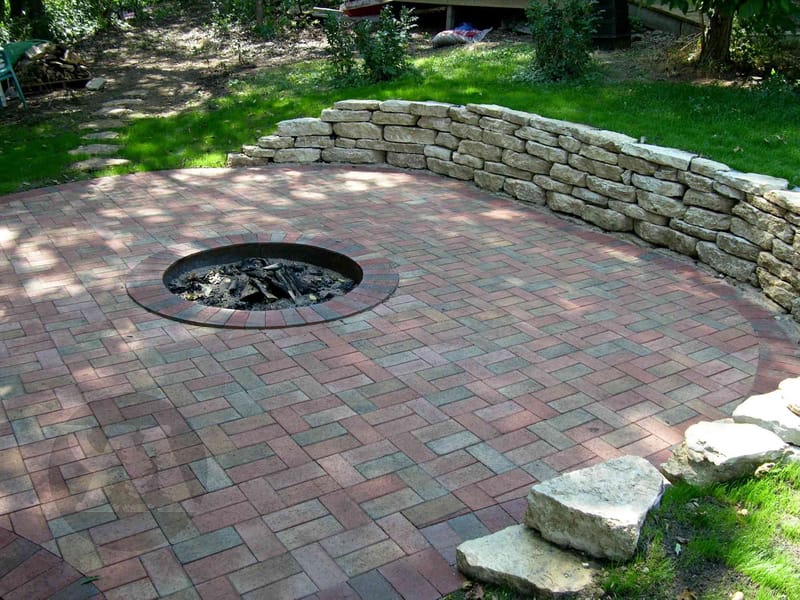
Fire pit pavers offer endless design possibilities. Consider these creative approaches:
Think about how the pavers will complement your existing landscape. The colors and textures should enhance rather than compete with surrounding plants and structures. Consider adding lighting around the perimeter to extend usability into evening hours.
Choosing the right pavers for your fire pit area is both an art and a science. It requires balancing aesthetic preferences with practical needs like heat resistance, durability, and safety. The investment you make in quality materials pays dividends in years of enjoyment and minimal maintenance. Whether you prefer the rugged beauty of natural stone or the clean lines of concrete pavers, the key is matching your choice to your specific environment and usage patterns. Remember, a well-designed fire pit area with proper pavers creates more than just a place to gather - it becomes the heart of your outdoor lifestyle. Take time to plan, choose wisely, and enjoy the warmth and connection that comes from having a beautiful, safe fire pit space.
